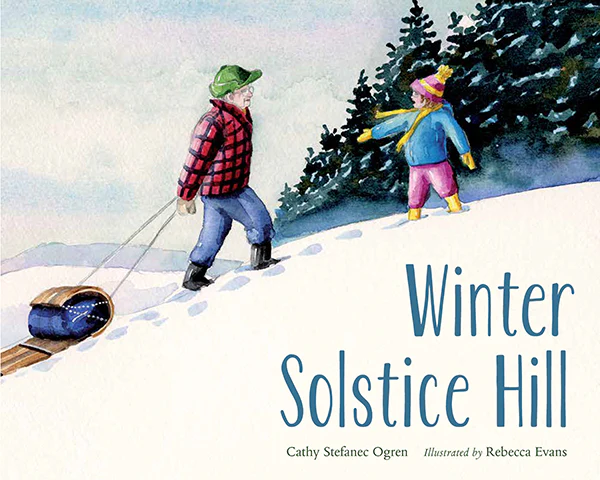
Summary: Bundled in snow clothes, Ella waits to join Gramps on her first winter solstice adventure. They go up Winter Solstice Hill, where they will pick a holiday tree and Ella will get to partake in the family tradition for the first time: making a wish on the winter solstice star. But when clouds hide the solstice star, Ella worries she will miss out on this important family tradition.
Do you have a children’s picture book coming out soon? I’d love to wish it a Happy Book Birthday here on Frog on a Blog! For more information, CLICK HERE.
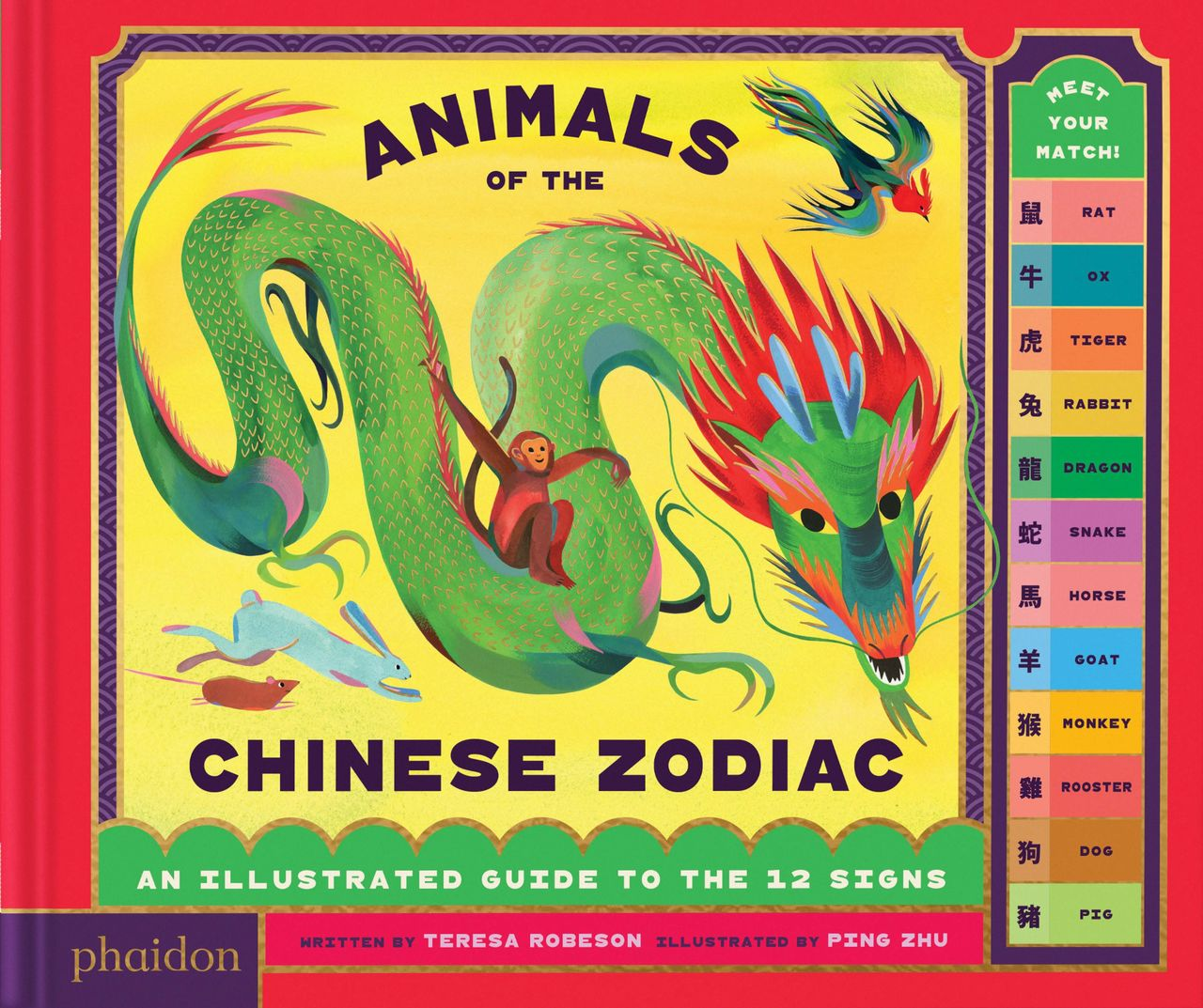
Title: Animals of the Chinese Zodiac: An Illustrated Guide to the 12 Signs
Author: Teresa Robeson
Illustrator: Ping Zhu
Publisher: Phaidon
Release Date: October 14, 2026
Format: Hardcover
Summary: This joyful celebration of cultural traditions offers a funny, interactive, and beautifully illustrated introduction to the Chinese Zodiac for curious kids ages 6–9. Readers will meet the twelve animals of the Zodiac – from the powerful Dragon to the energetic Horse – each with its own personality traits and traditions. But, there’s a twist! While Zodiac animals are determined by birth year, readers can also take the book’s playful flowchart quiz to discover which animal truly matches their personality, reminding them that, ultimately, no label can define them.
Do you have a children’s picture book coming out soon? I’d love to wish it a Happy Book Birthday here on Frog on a Blog! For more information, CLICK HERE.
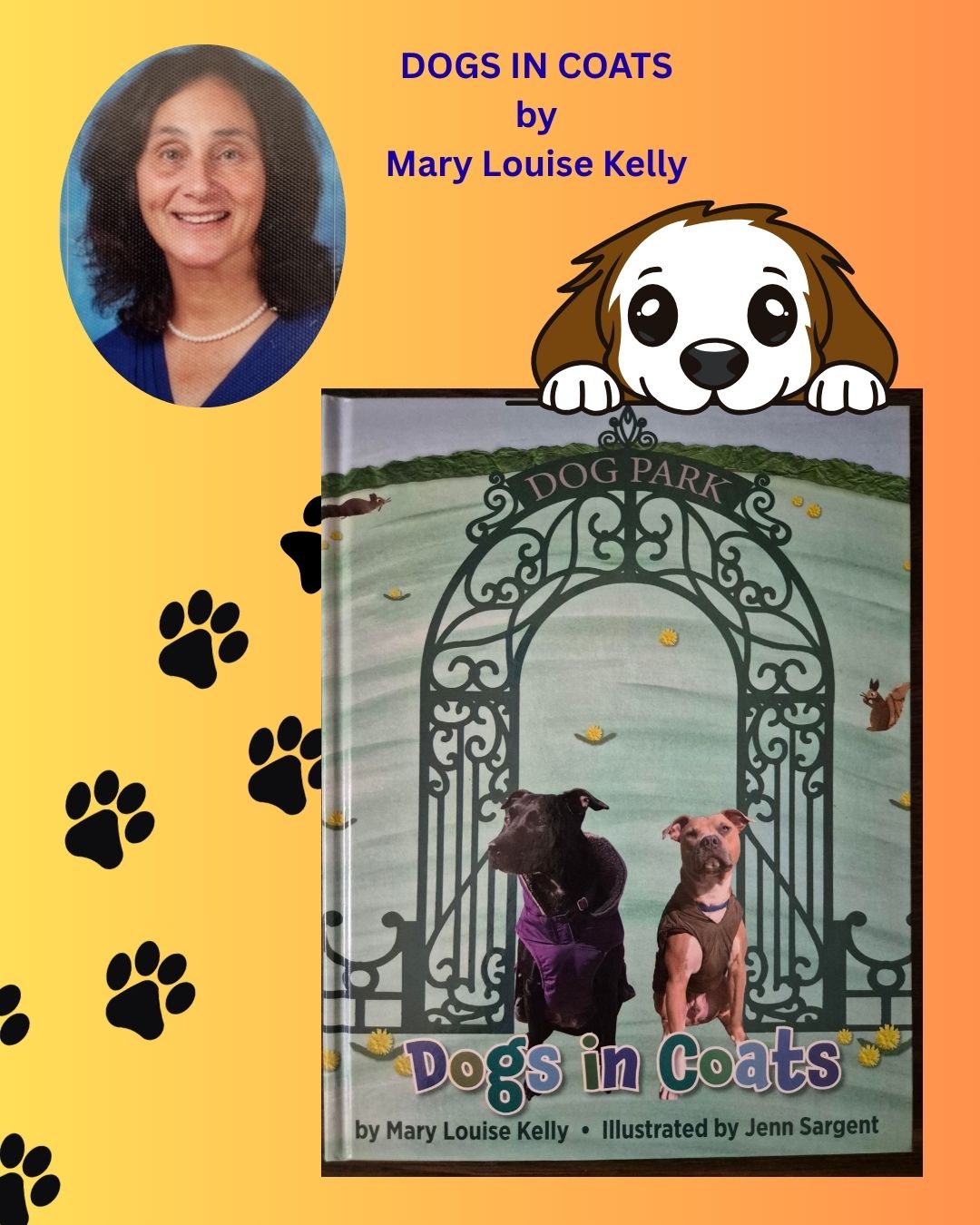
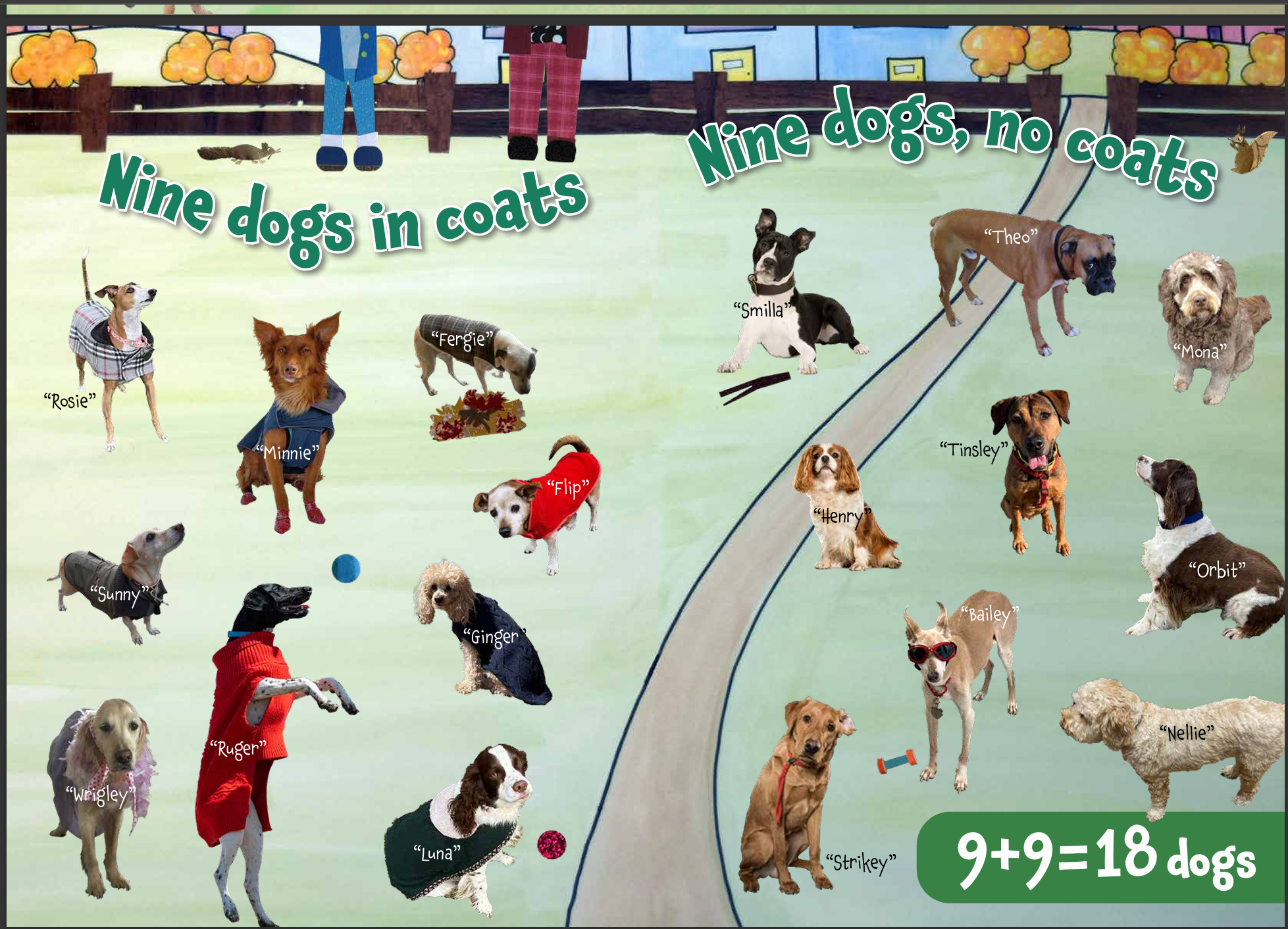
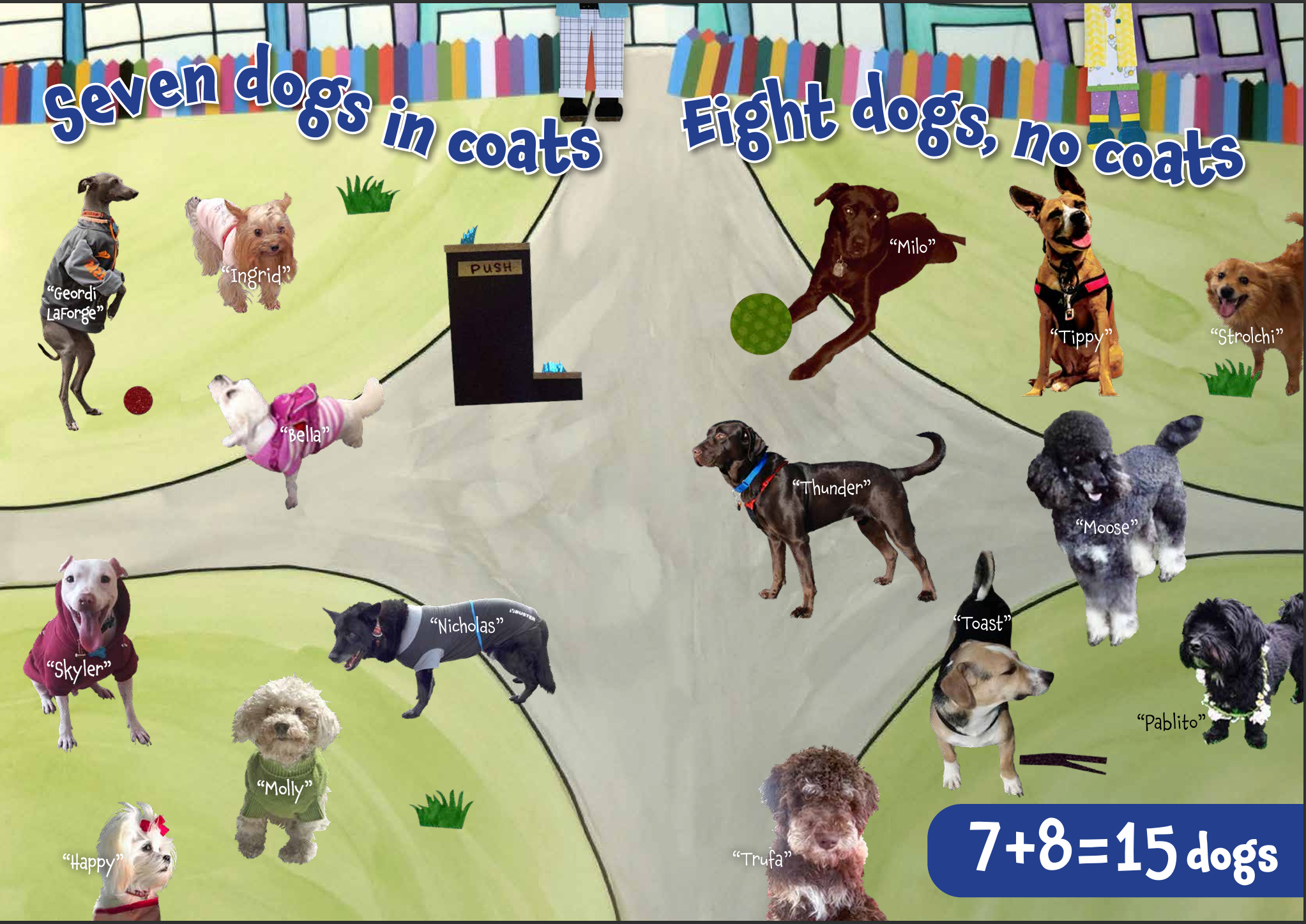
Please welcome children’s author and retired elementary educator Mary Louise Kelly to Frog on a Blog! Mary’s picture book Dogs In Coats is perfect for kids who love dogs. It’s a concept book that helps kids learn the fundamentals of addition by counting up dogs who are wearing coats and adding that number to dogs who are not wearing coats. In all, kids will “meet” 400 real dogs and even learn each dog’s name. Painted backgrounds by artist Jenn Sargent add more variety and visual elements to each page. It’s super cute and a great way for children to have fun while learning!
Mary stopped by today to share the inspiration behind the book and her passion for joyful learning. Let’s hear from Mary!
The Inspiration Behind Dogs In Coats by Mary Louise Kelly
I have lived in Vienna, Austria, for the past nineteen years, and one of the things I love most about this beautiful city is how much people love their dogs. Dogs are everywhere. They ride public transportation, relax beside their owners in cafés and restaurants, accompany families into many shops, and are even welcome on golf courses. They truly are part of the family.
We moved to Vienna with our two-year-old Sheltie, Lydia, she immediately fell in love with her new home. Almost every day we visited one of Vienna’s many beautiful dog parks, where she could run freely, play with other dogs, and simply enjoy being a dog. Those wonderful parks eventually became the inspiration for Dogs In Coats. Every page in the book is set in a different dog park throughout the changing seasons, and if you look carefully, you’ll notice that the people are shown only from the waist down. That was intentional; I wanted readers to experience the world from a dog’s point of view.
Throughout my forty-three years as an elementary educator, I always believed that children learn best when they are actively involved in the learning process. My teaching philosophy has been influenced by Maria Montessori, Jean Piaget, and Howard Gardner, whose work on Multiple Intelligences I had the privilege of learning about firsthand while teaching at The Howard Gardner School in Pennsylvania. Every child learns differently, and I have always tried to make learning engaging, meaningful, and enjoyable rather than something to be memorized simply for a test.
My love of mathematics naturally found its way into my classroom. While teaching five-year-old Austrian children who were also learning English as a second language, we celebrated each day of school by counting together. We counted by ones, twos, fives, and tens, gradually helping the children recognize number patterns before introducing addition facts. I wanted mathematics to become something they could see, experience, and enjoy.
Dogs became the perfect teaching partners. Children naturally notice them, talk about them, laugh at them, and remember them. That simple observation inspired me to use groups of dogs to visually demonstrate addition facts. Instead of seeing numbers alone, children could actually see the math happening through playful photographs of dogs, making learning both memorable and fun.
Creating Dogs In Coats became a journey of its own. For four years, I photographed dogs wherever I traveled throughout Europe and the United States, always asking owners for permission before including their beloved companions in the book. Even the Vienna Animal Shelter generously contributed photographs. In the end, the book featured 400 dogs, 160 wearing coats and 240 without. Every photograph reminds me of the wonderful people and remarkable dogs I met along the way.
Looking back, I realize that Dogs In Coats represents everything I loved about teaching. It brings together curiosity, storytelling, joyful learning, and the simple happiness that animals bring into children’s lives. If one child finishes the book smiling a little more confidently about both dogs and mathematics, then every photograph, every lesson, and every moment spent creating it was worthwhile.
Mary Louise Kelly is a retired elementary educator whose teaching career spans more than four decades across Pennsylvania, Ecuador, and Vienna, Austria.
Today, she continues sharing her passion for joyful learning through children’s books, classroom visits, and author presentations, always believing that when children are curious, meaningful learning naturally follows.
More About DOGS IN COATS
Dogs In Coats is a children’s picture book for ages 5–7 by former elementary educator Mary Louise Kelly.
Inspired by more than forty years of classroom experience, the book combines real dog photography with early addition concepts to help children build confidence in mathematics through observation, curiosity, and play. Featuring 400 real dogs photographed in beautiful seasonal settings, Dogs In Coats transforms foundational learning into an engaging and memorable reading experience for children, families, educators, and homeschoolers alike.
Learn more about Mary Louise Kelly and her book at:
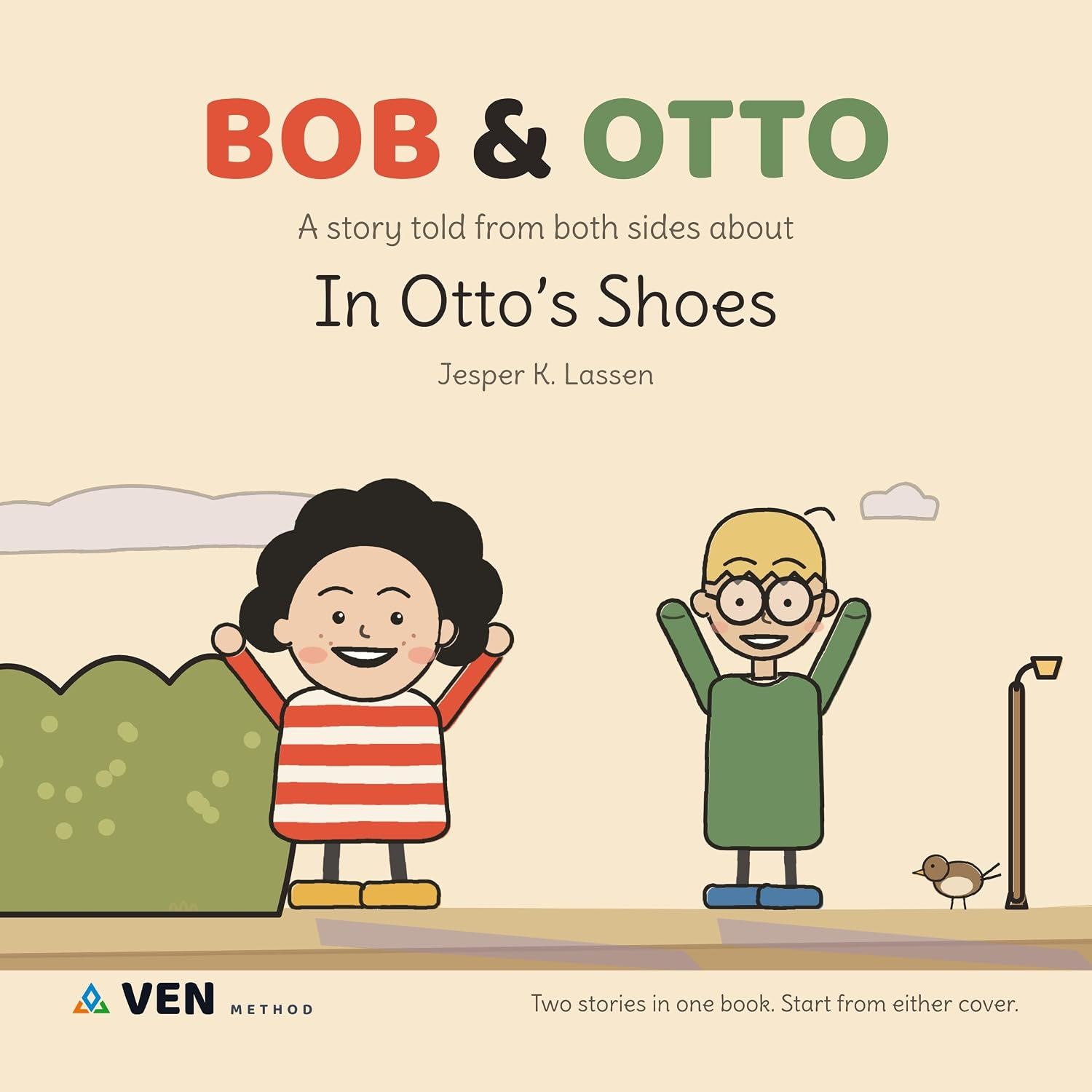
Title: In Otto’s Shoes (Bob & Otto series, Book 5)
Author/Illustrator: Jesper K. Lassen
Publisher: VEN Method (social-emotional learning that builds connection and community in classrooms and at home)
Release Date: September 10, 2026
Format: Paperback and eBook (Kindle)
Series: Bob & Otto
Summary: Two stories in one picture book for ages 4-8. Read forward for Bob’s side of a friendship mix-up. Turn it over and the same pages, same words, tell Otto’s. Otto’s new shoes hurt; halfway home they swap so you feel both walks. Opens and closes on: I like your shoes. An empathy picture book that makes the oldest idea about walking in someone else’s shoes literal enough for a four-year-old.
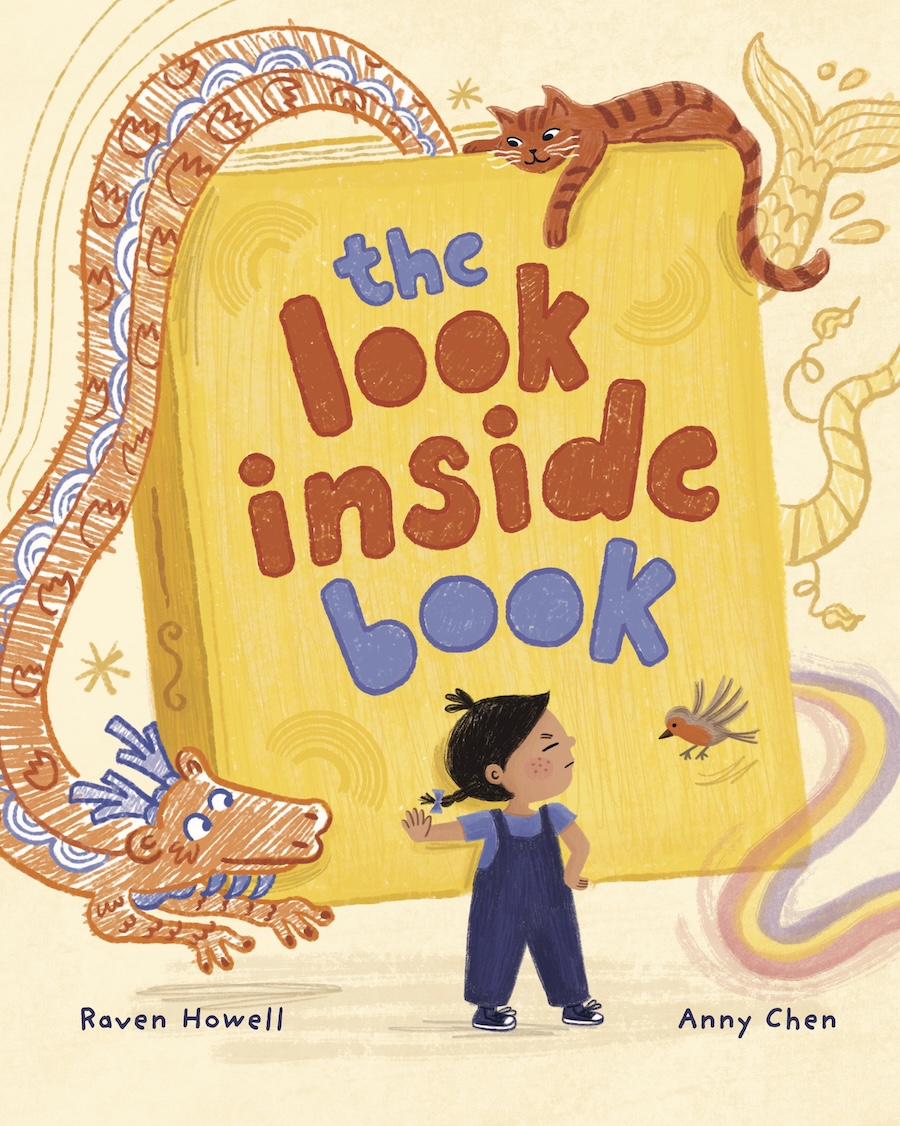
Summary: What if your friends, family, and classmates seem to enjoy reading, but you just aren’t interested, until by surprise, one day a special book begs to be opened?
In The Look Inside Book, a child makes the magical connection to worlds of wonder, new possibilities, and limitless imagination when she finally discovers a book that joyfully sparks her heart. A children’s book about books.
Recommended to help children discover their own love for reading.
Do you have a children’s picture book coming out soon? I’d love to wish it a Happy Book Birthday here on Frog on a Blog! For more information, CLICK HERE.
Summary: When big feelings get tangled, a few silly bug moves might help loosen the knots.
Lee is having a not-so-good day. Their shell feels too heavy, their trail has washed away, and their favorite leaf is gone. Lee feels slow, messy, and stuck; but they aren’t quite sure which feelings are bugging them.
Luckily, their friend Betsy has a web full of emotions and a playful way to help. Together, they notice Lee’s body clues, name the feelings caught in the tangle, and try a series of delightfully wiggly bug moves: stretch like a spider, wiggle like a worm, buzz like a bee, and rest like a ladybug.
Not every move works for Lee, and that’s okay. By experimenting, Lee discovers that difficult feelings can change. Soon, sad feels smaller, worried feels quieter, and there is room for calm and a little bit of brave. When Flicker faces a frustrating problem later that day, Lee is ready to share what they learned.
What’s Bugging You? is a warm, funny picture book about emotional awareness, body cues, self-regulation, empathy, and helping a friend. Back matter includes conversation prompts, fascinating bug facts, and a step-by-step drawing activity. An engaging read-aloud for children ages 4-8 at home, in the classroom, or with a counselor.
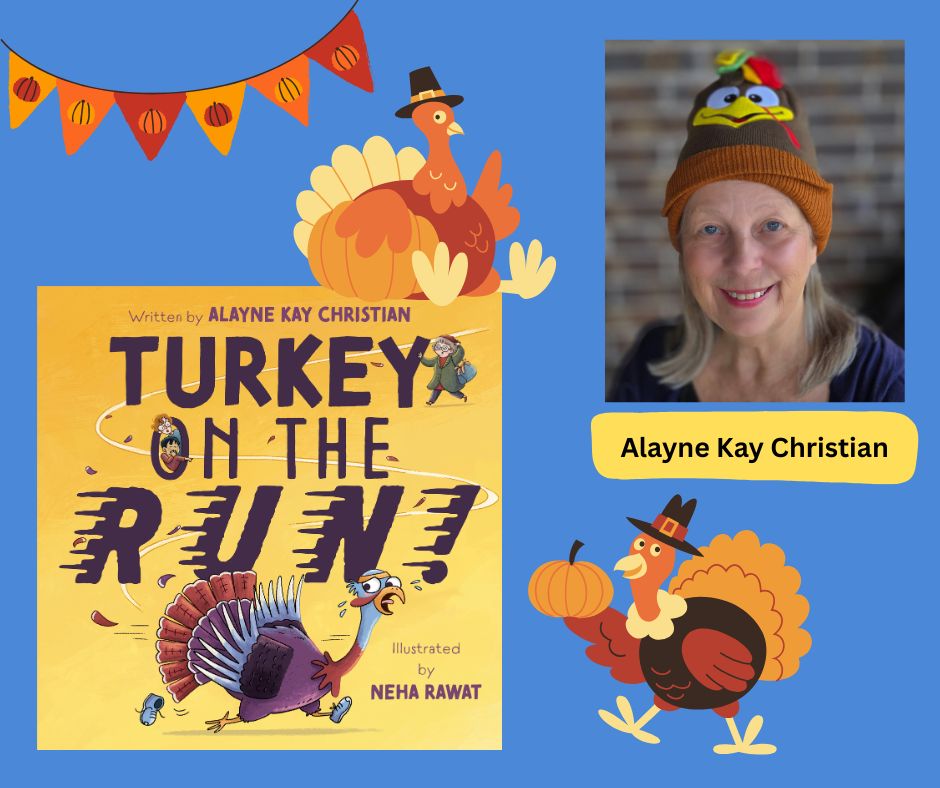
When award-winning author and teacher Alayne Kay Christian agreed to write a guest post for Frog on a Blog, I was so excited! Her latest picture book Turkey On the Run! will be officially released on September 29th, but you can preorder it now. This action-packed book is perfect for Thanksgiving, and should appeal especially to vegetarians, to people who’d prefer to dine on something a little different from the usual main dish of the holiday, and, of course, to kids who love animals.
Alayne specifically wanted to write about fun activities that teachers and librarians can use with their kids while sharing her book. But parents can take advantage of the activities as well, perhaps on Thanksgiving or in a party setting. Here she offers a cornucopiaof ideas, including a simple “theatre” play and several bonus activities. Plus, she has even more to explore in the teacher’s guides on her website. Let’s hear from Alayne!
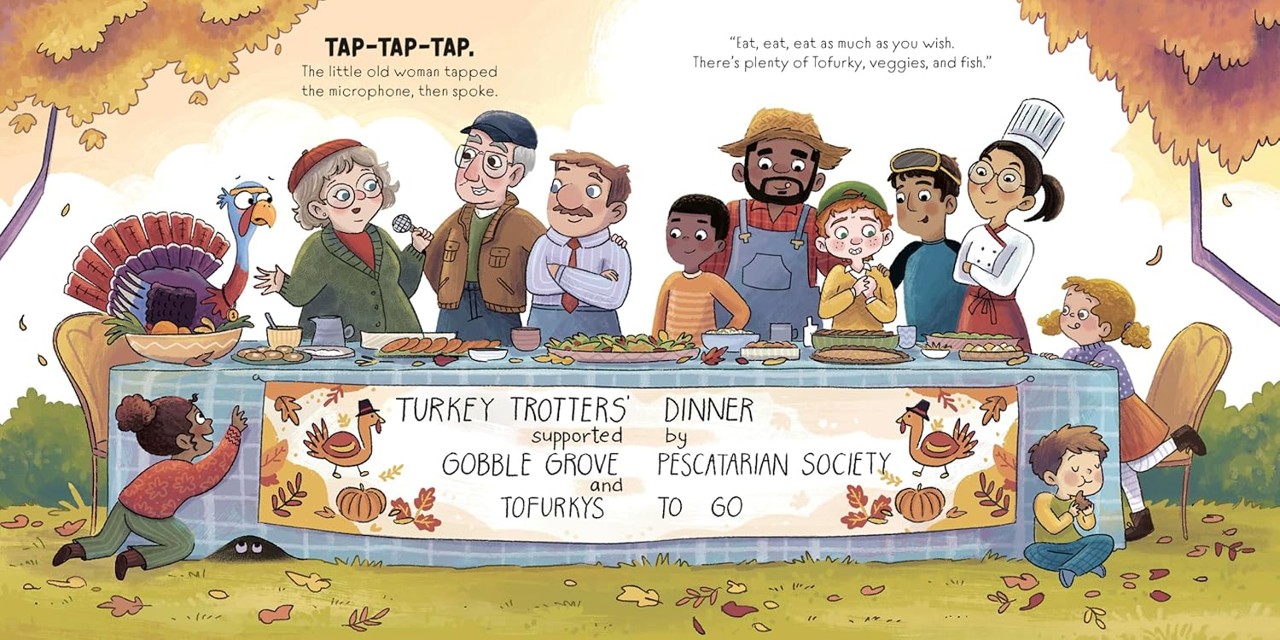
Thank you for having me as a guest on your blog. Today, I am offering some fun activity ideas for teachers and parents to go along with my latest picture book Turkey On the Run! Following is the Penguin Random House description to give you a sense of what the book is about and why these activities would work well.
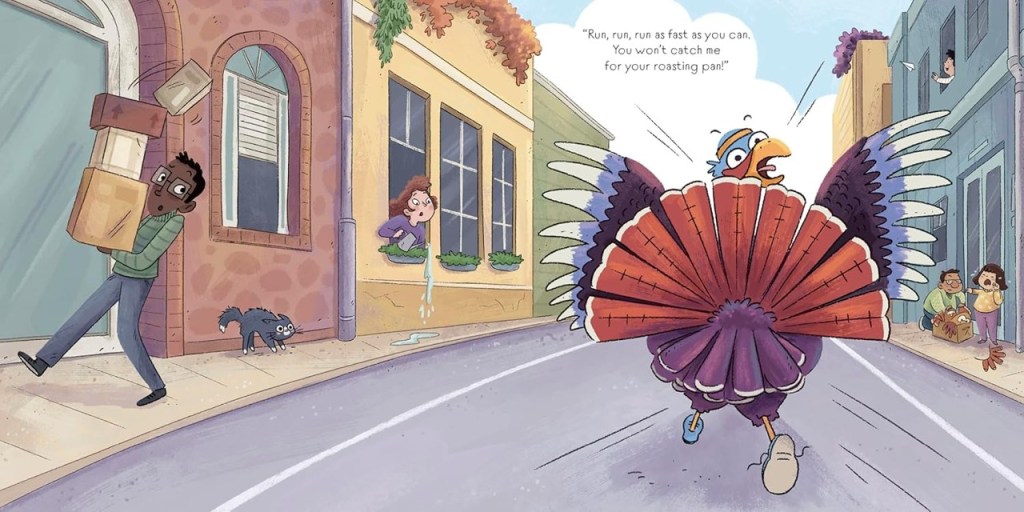
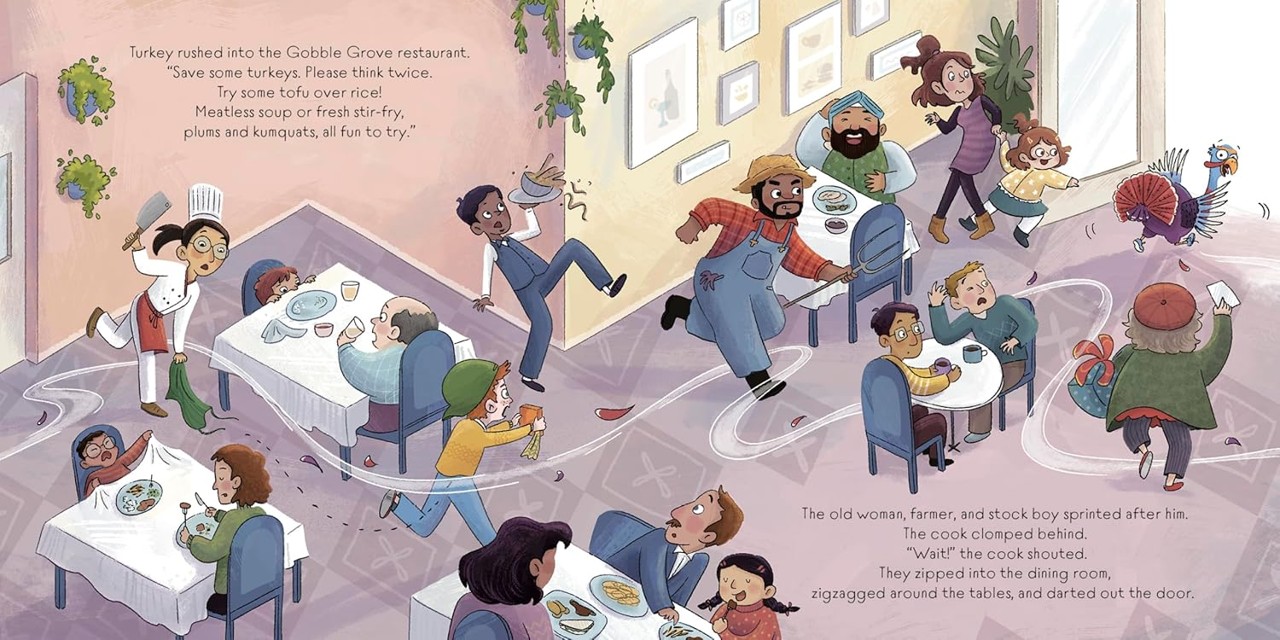
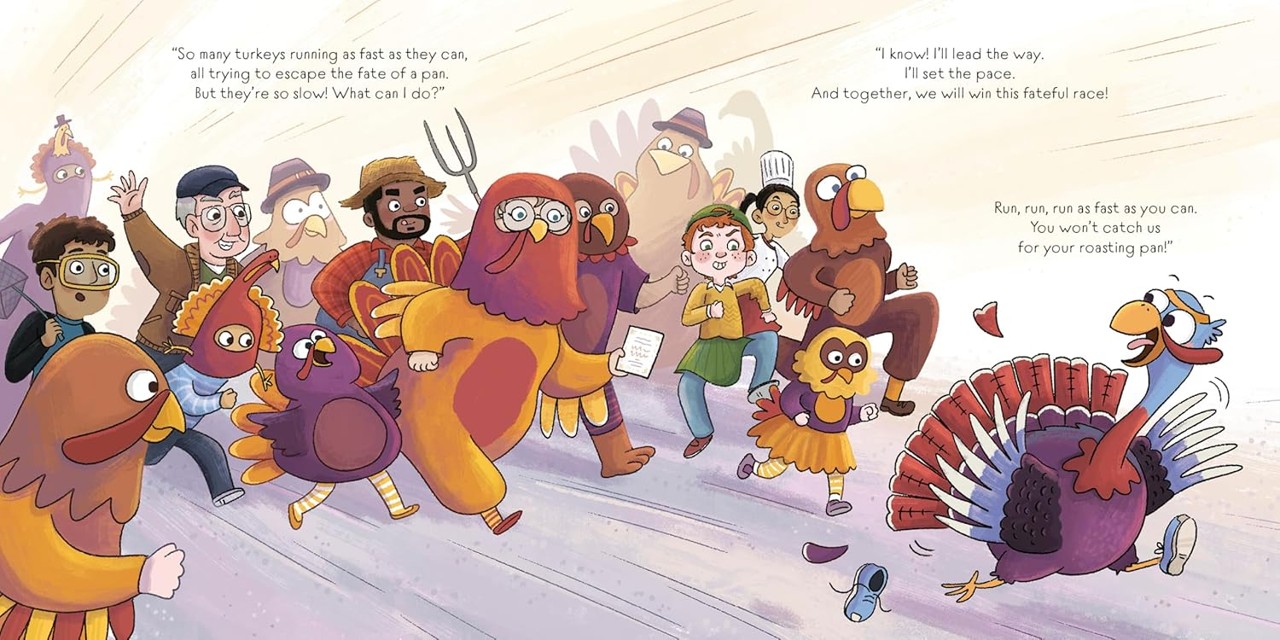
“A feather-filled fiasco about a turkey determined to see the dawn of another Thanksgiving Day. As the whole town gives chase, this plucky bird dashes, dodges, and schemes his way towards freedom, only to discover that what waits at the end of the dining tale might not be as disastrous as he originally suspected. Told in bouncy, rhyming verse that fans of The Gingerbread Man will gobble right up, this spirited twist on the traditional holiday tale is stuffed with humor, heart, and holiday cheer.”
Here’s a little slideshow sneak peek of Turkey On the Run!:
Turkey On the Run! is a perfect book to encourage fun and creative acting and playing for children. I hope some or all of the variations I offer below will encourage creativity, expression, listening, observing, and more from the children who participate. Also, I hope that this is just the beginning, and the ideas here spark additional ideas from your creative and teaching spirit.
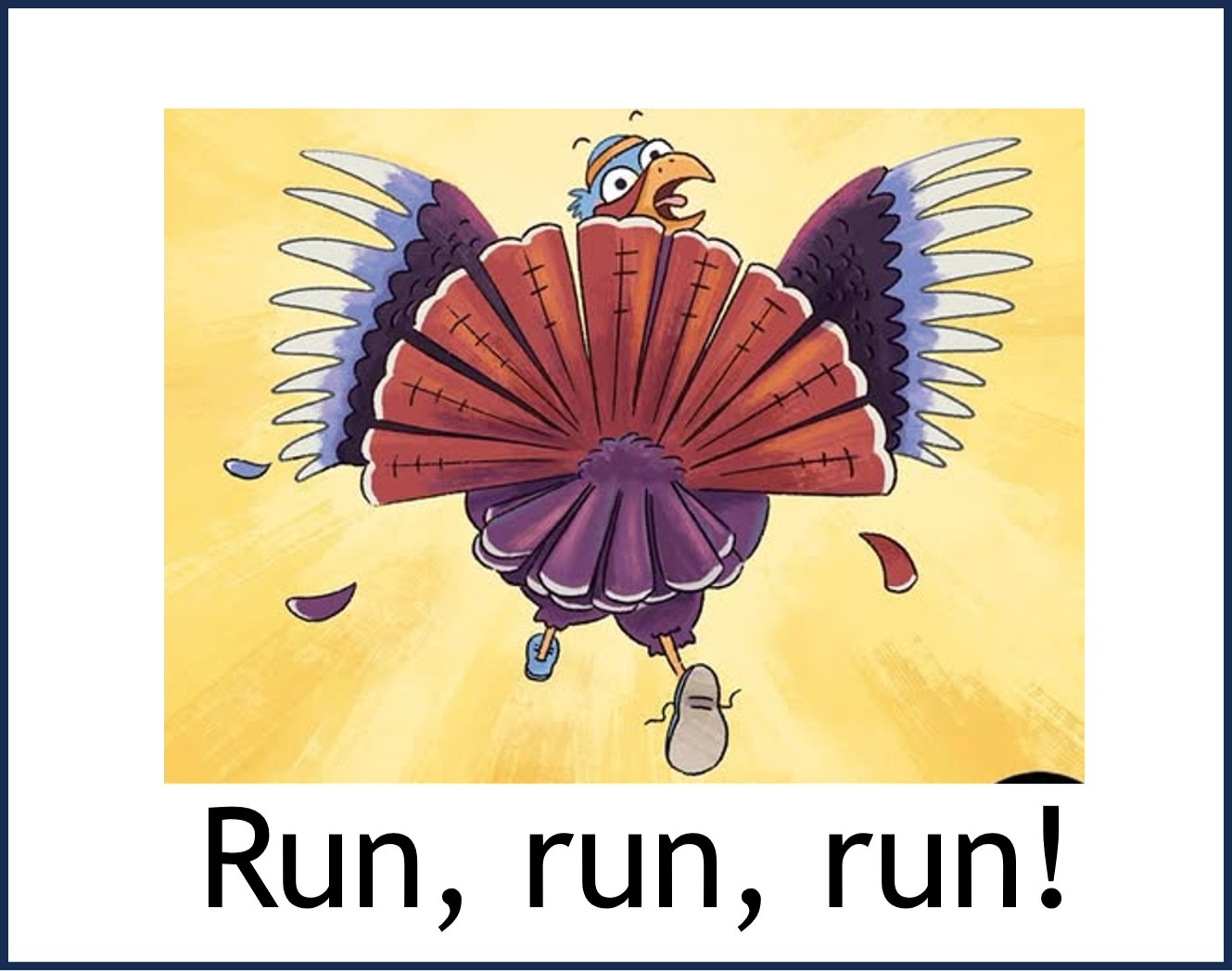
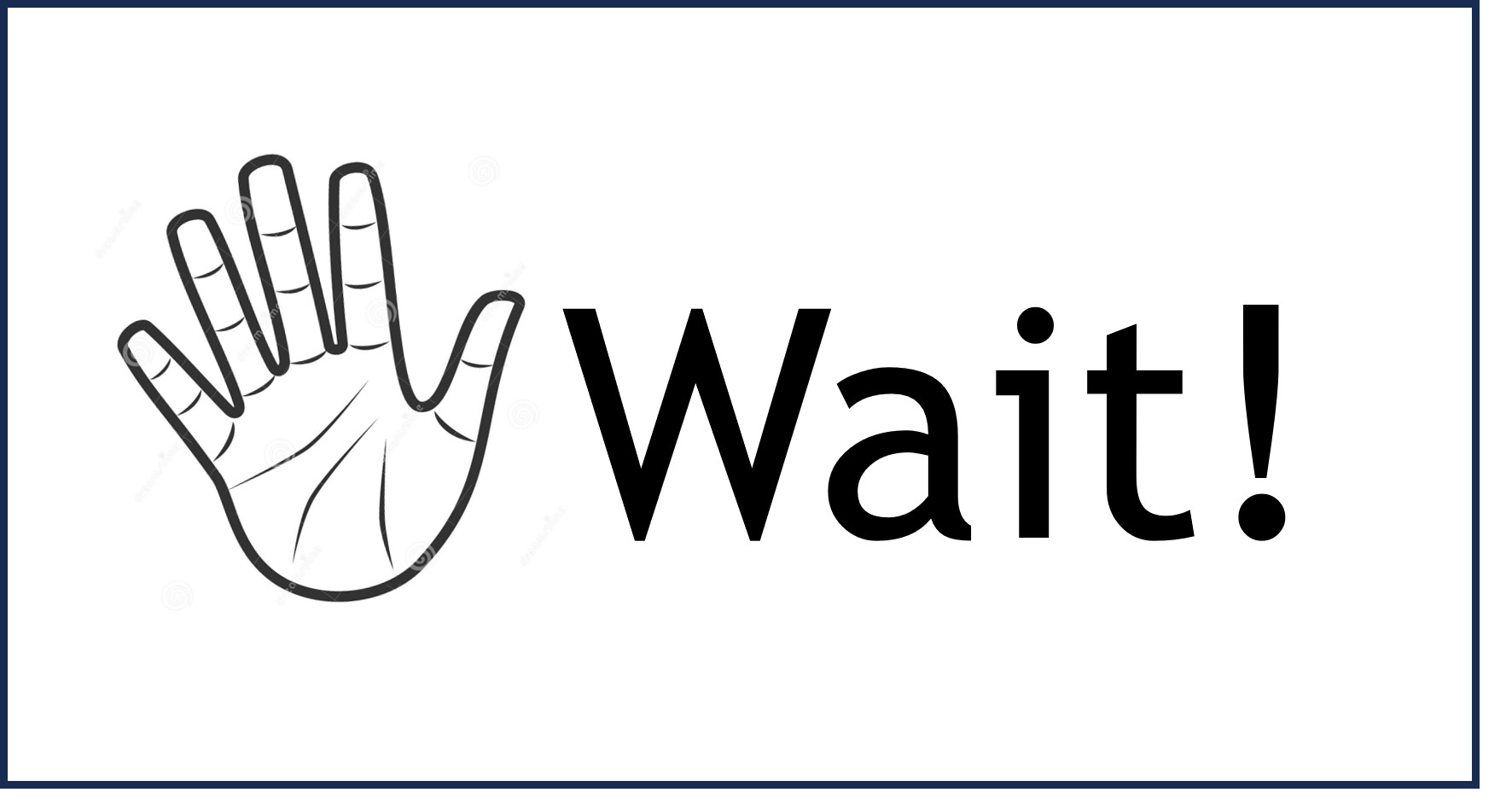
The basic idea for most of the variations below is that children will either say, “Run, run, run as fast as you can. You won’t catch me for your roasting pan.” or shout “Wait!” If the situation allows, they can also act via motion and facial expressions, and so on.
1)Print out Turkey On the Run! character sheets (below).
2)Decide how students will display their character. On a paddle sign. On a headband. Clipped or pinned to clothing. As a hand puppet. Or simply hold it.
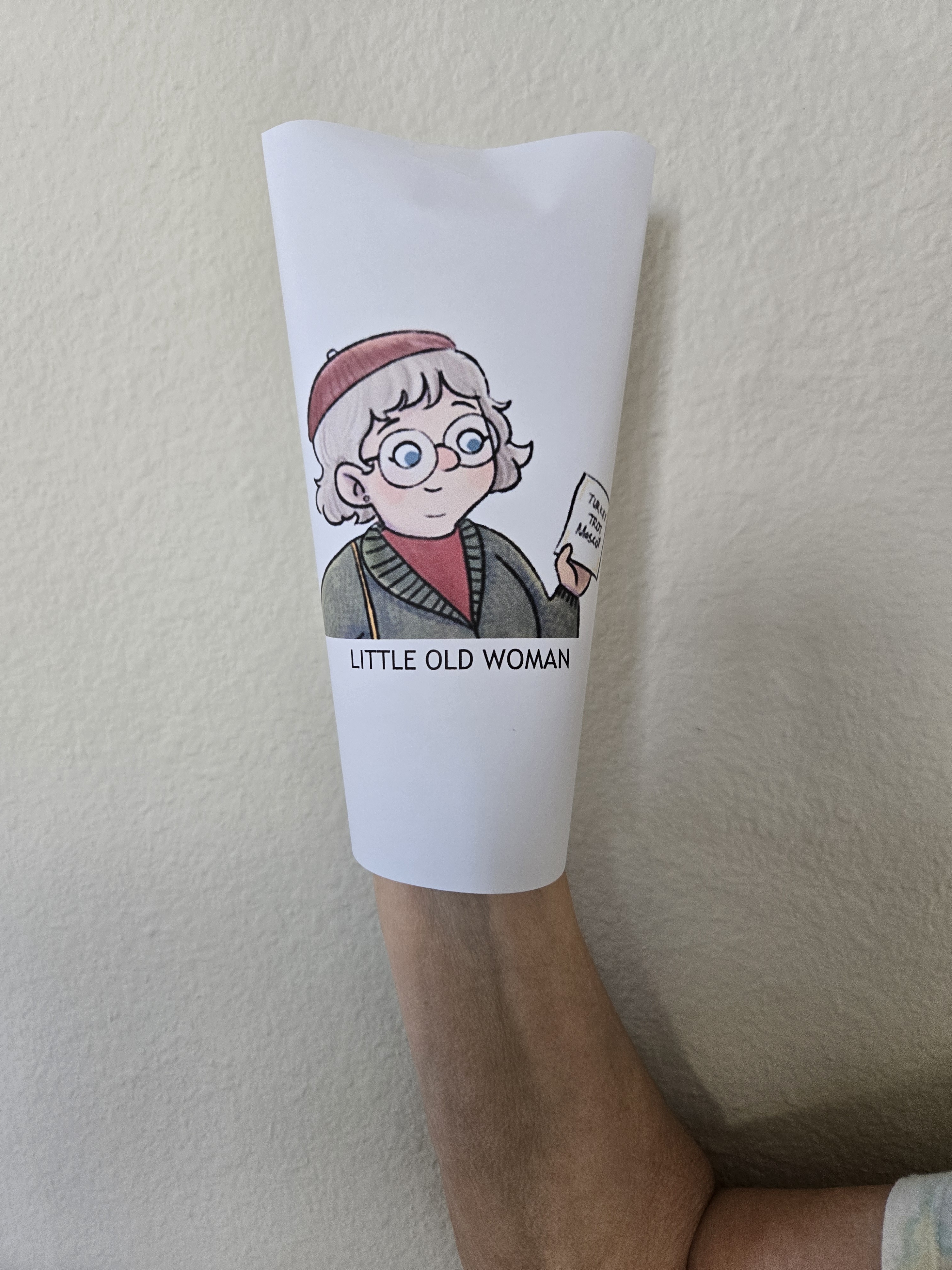
3)To make a simple hand puppet, roll the printout of the character into a tube and tape it together. Pinch the top of the tube and tape it closed. Slip the tube over child’s hand. (See the photo below.)
Simple hand puppet
4)Assign children (or teams) a character role OR let children draw from a hat.
5)Reader will be the narrator that tells the story until it becomes the character’s chance to speak and act.
6)Determine how you want the children to present the play. Do you want them to actually chase Turkey around a defined area? Do you want the puppet holders to sit or stand in a circle and do a minimal chase with their arms, while maybe running in place with their feet? The actions will be up to you. Actions could include characters dropping an item and the next character picking the item up. The items dropped in the book are gloves, bandana, apron, and hat.
7)At the turning point of the story (the bakery scene), it will likely be easier if the narrator speaks for Turkey while the child acts. The child who plays the Turkey character might act out Turkey’s fear at the bakery, and his excitement at the race, and his concern on the final page.
8)You can take advantage of the “Run, run, run” sign and the “Wait!” sign that I have created by printing it out (perhaps making an easy grasp paddle to glue it to) and then hold each one up to prompt your different actors to speak.(See the signs below.)
Signs
BONUS ONE: DISCUSS THE STORY
After the play, you may want to consider this list of questions (below) for comprehension, observation, inference to help discuss the story on a deeper level. Some of the questions will require a closer look at the illustrations to help the children discover through observation. This list is from my Turkey On the Run! Teacher’s Guide/Classroom Companion One, which you can find on my website.
TEAMS: Instead of individuals, you could have character teams, so each team would say their assigned character’s part together and do any actions decided upon ahead of time.
MUSICAL CHAIRS/TURKEY TROT CHAIR RACE: If it is a small group, and you don’t have space for a fun chase, you could do a musical chairs type thing. So, as the story advances, every time Turkey says, “Run, run, run as fast as you can. You won’t catch me for your roasting pan.” the characters start going around the chairs. You will always have one chair less than the number of characters. The last character seated is the winner of the Turkey Trot Chair Race.
You will most likely want to start the chase first with a warning such as “1, 2, 3!” Before you start the “Run, run, run as fast as you can. You won’t catch me for your roasting pan.” refrain. And you may want to end the chase by saying, “Wait!” or “Stop.”
FULL PARTICIPATION
You may want to use the Turkey “Run, run, run” sign along with the “Wait!” sign after you divide the children into two groups. As you read the book, one group will recite the “Run, run, run” lines when you hold up the Turkey sign. The other group will shout, “Wait!” when you hold up the wait sign.
BONUS TWO: TURKEY DAY
Have children wear something to represent a turkey. It could be a turkey hat or shirt. Fall colors like the colors in the book. A pin. A necklace. A sticker. A temporary tattoo. Anything that says “turkey.” Then make it a turkey day by reading the book and doing a turkey craft or doing some of the many activities in my teacher’s guides. You can find a list of links to Turkey and Fall crafts in my Turkey On the Run! Teacher’s Guide/Classroom Companion Two, which you can find on my website.
BONUS THREE: MODIFIED DUCK, DUCK, GOOSE
If you have the space, a great game for Turkey Day is a modified version of Duck, Duck, Goose. The child goes around the circle tapping heads and repeating “turkey” until they tap and say “Run!” And the chase begins.
BONUS FOUR: THANKSGIVING THANKFUL STORIES OR CARDS
The perfect way to end Turkey Day could be to talk about the times in the story that Turkey might be thankful. Then have children either write and illustrate a short story about something they are thankful for. Or you could have the children make a Thanksgiving card for someone to let them know why they are thankful for them. It doesn’t necessarily have to be someone close to them. It could be someone that impacts their lives like trash collectors, wait staff, mailperson, doctor, and so on.
TURKEY ON THE RUN TEACHER’S GUIDES/CLASSROOM COMPANIONS
Visit my website to find worksheets and activities for compare and contrast, character sequencing, cause and effect, vocabulary, crossword puzzles, word scramble, word search, creating, writing, drawing, alphabetizing, foods, thankful story, maze, crafts, bingo and more!
Alayne Kay Christian is an award-winning author, a former acquisitions editor, and a writing teacher. Her picture books include An Old Man and His Penguin: How Dindim Made João Pereira de Souza an Honorary Penguin; The Weed That Woke Christmas: The Mostly True Story of the Toledo Christmas Weed; and Turkey On the Run!
Born in the Rockies, raised in Chicago, and now a true-blue Texan, Alayne’s writing conveys her creative spirit, a bit of her funny bone, and the kinship to nature and humanity that lives within her heart. She is available for school visits both via Zoom or in-person and will work with teachers and or school to customize the visit to their needs.
To learn more about Alayne, visit her website and blog at . . .
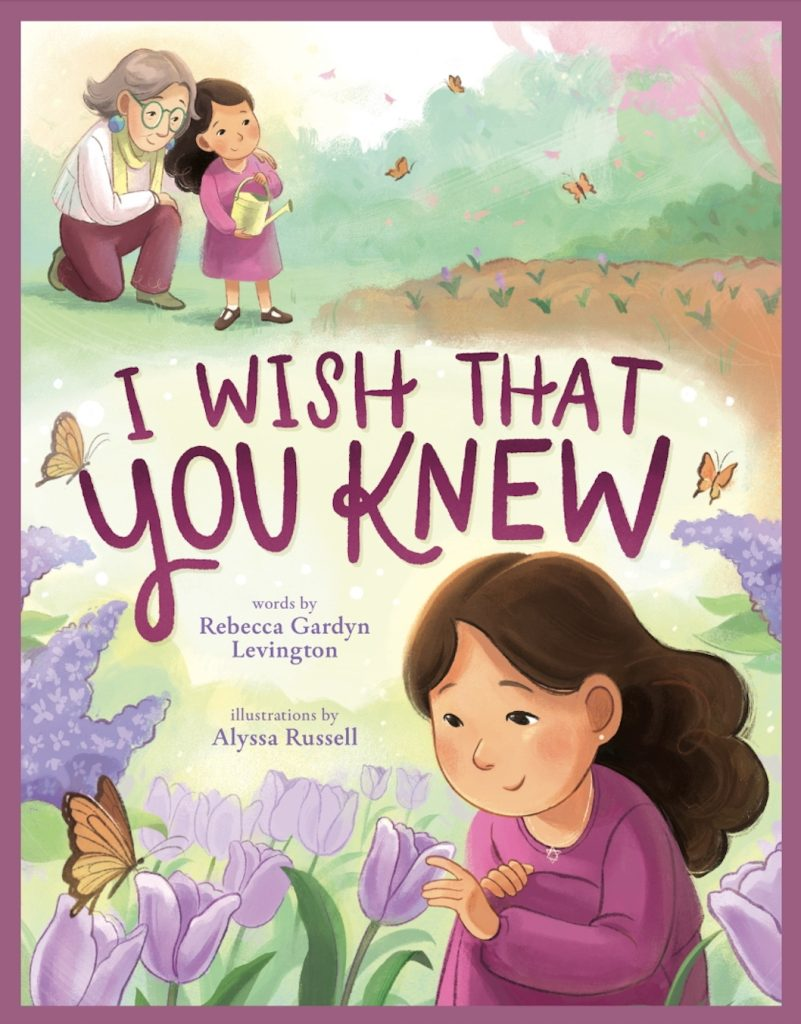
Summary: It’s been one year since Grandma died. One year without beach walks, shopping trips, and baking challah together. On this anniversary, the first yahrzeit, a young girl attends Grandma’s unveiling ceremony, taking time to let go of some of her sadness and celebrate the many moments of joy they shared.
This heartfelt picture book is about honoring those we have lost by remembering the happiness, comfort, and wisdom they brought into our lives. It is about the imprints that the people we love leave upon our hearts long after they are gone.
Do you have a children’s picture book coming out soon? I’d love to wish it a Happy Book Birthday here on Frog on a Blog! For more information, CLICK HERE.
Summary: Fall is here, and so is a new friend! Monarch is making her way south before winter arrives, and she needs a safe place to rest. Owl, Mouse, Duck, Rabbit, Squirrel, Chickadee, and Raccoon are ready to lend a helping hand. Soon it’s time for Monarch to continue on her journey, but first a celebration of the season reminds everyone that even when things change, the friends will always have each other.
Do you have a children’s picture book coming out soon? I’d love to wish it a Happy Book Birthday here on Frog on a Blog! For more information, CLICK HERE.
An aquarium is opening soon in my area, and my sister and I already have plans to go. We’re so excited! Aquariums are places for people of all ages to learn, explore, and get to know many of the aquatic animals with whom we share planet Earth. My favorite things about aquariums, besides the animals, are the opportunities to support conservation efforts and the way in which people can find calm amongst the watery habitats, a little freedom from the stresses of life.
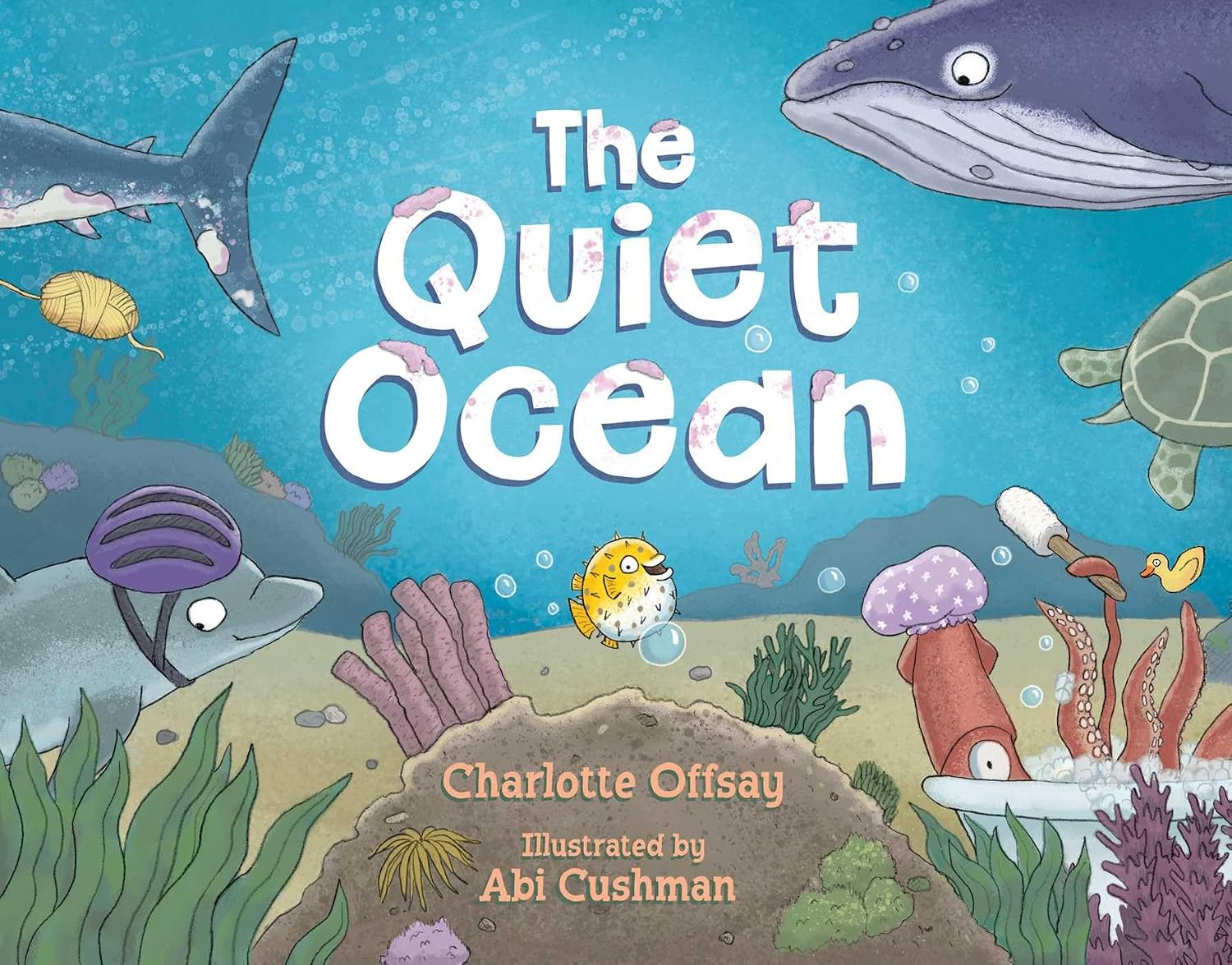
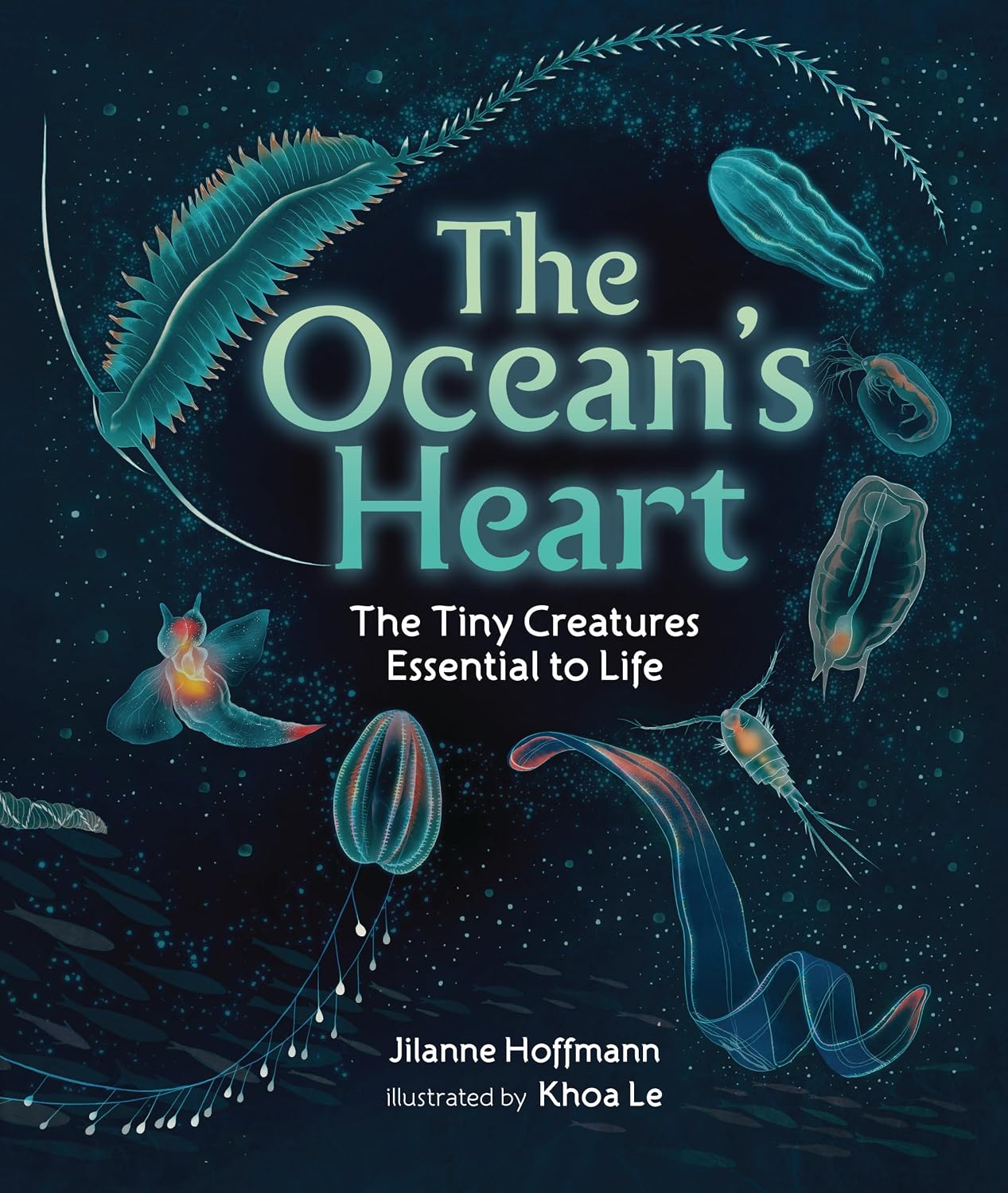
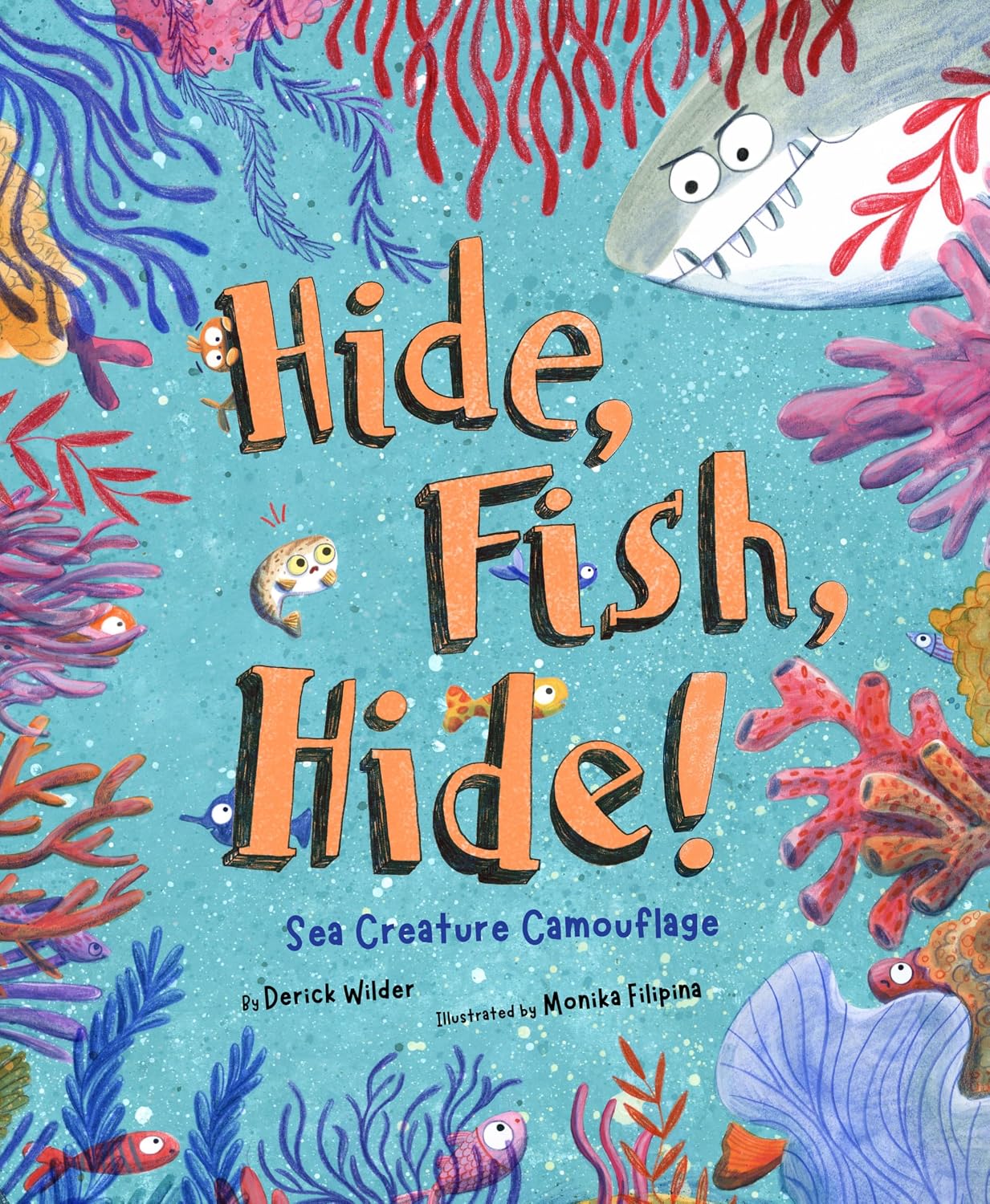
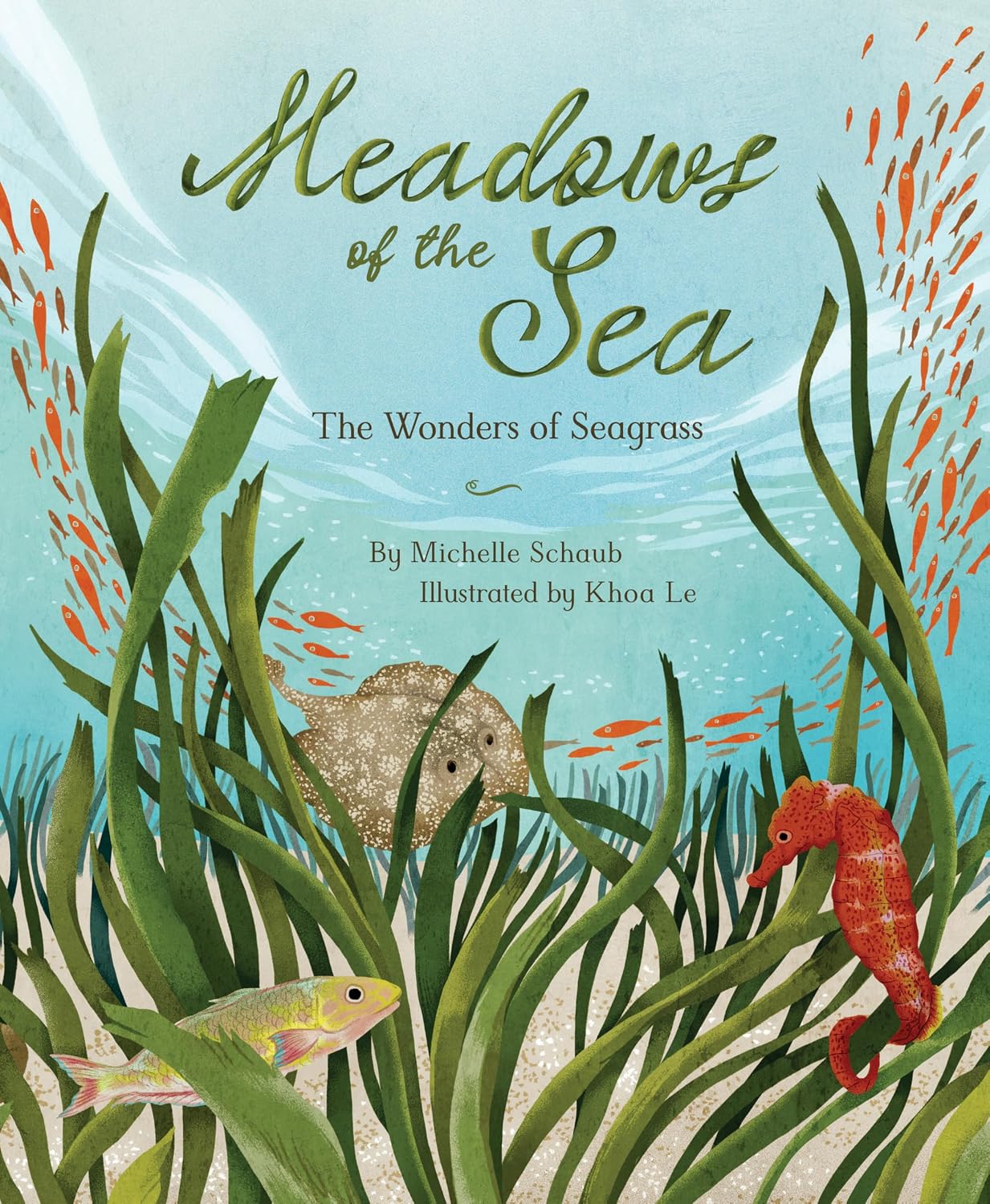
Picture books, both nonfiction and fiction, about the ocean, especially its creatures, are very popular with kids. In fact, many were published just this year (2026). Here I’ve shared six wonderful examples (with partial summaries from Goodreads or Amazon). Following the books, I’ve also shared (with the help of Finley Frog) six of my favorite aquatic animals, all incredible in their own way, that call oceans, rivers, and lakes home.
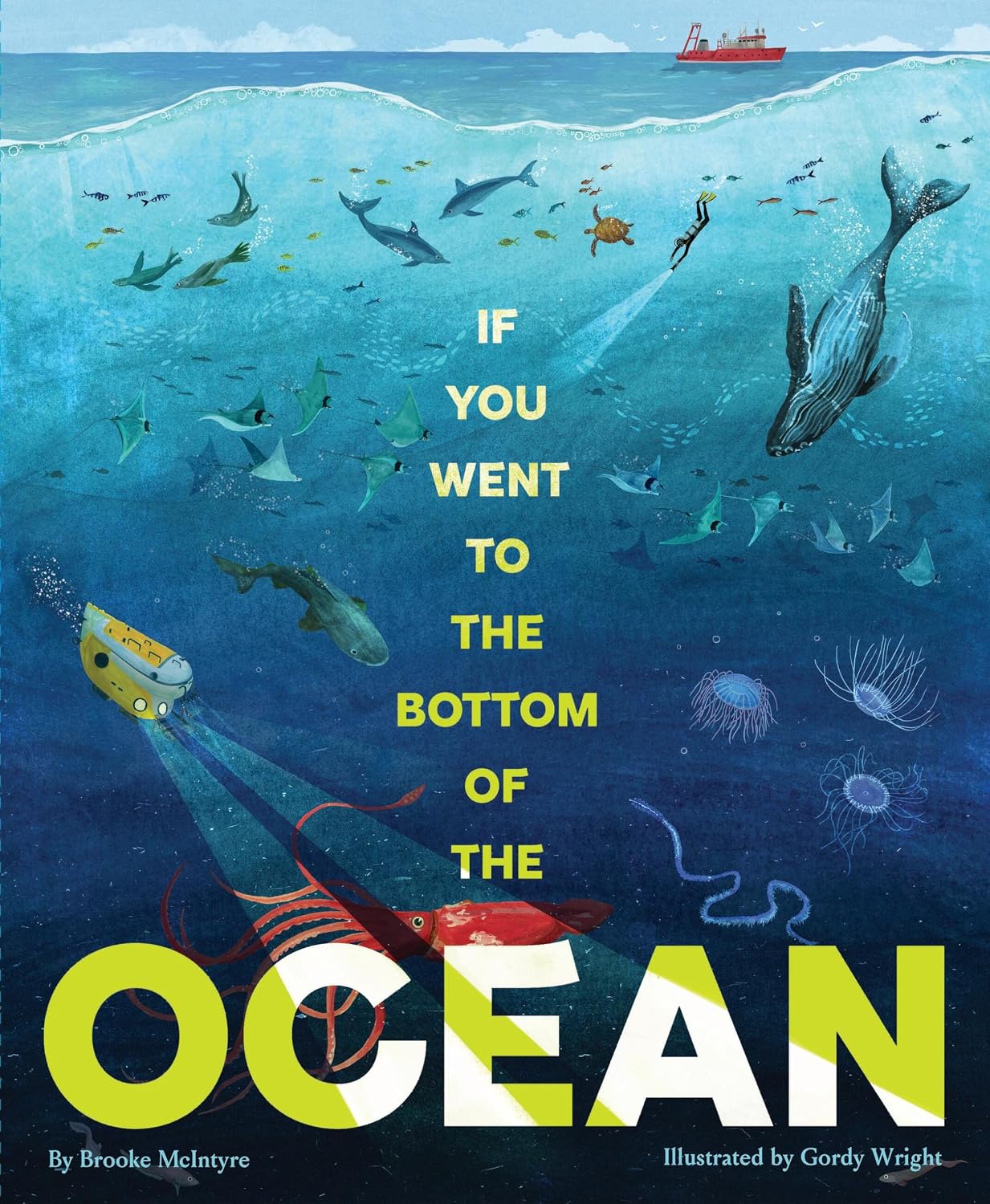
by Brooke Mcintyre and Gordy Wright (Illustrator)
Dive into this compelling, content‑rich nonfiction picture book and find yourself on an underwater adventure: a marine mission that takes you past reefs, beyond the near‑shore sea floor, down, down, down through the sunlight layer, the twilight layer, the midnight zone―all the way (as in seven miles!) down to the bottom of the ocean!
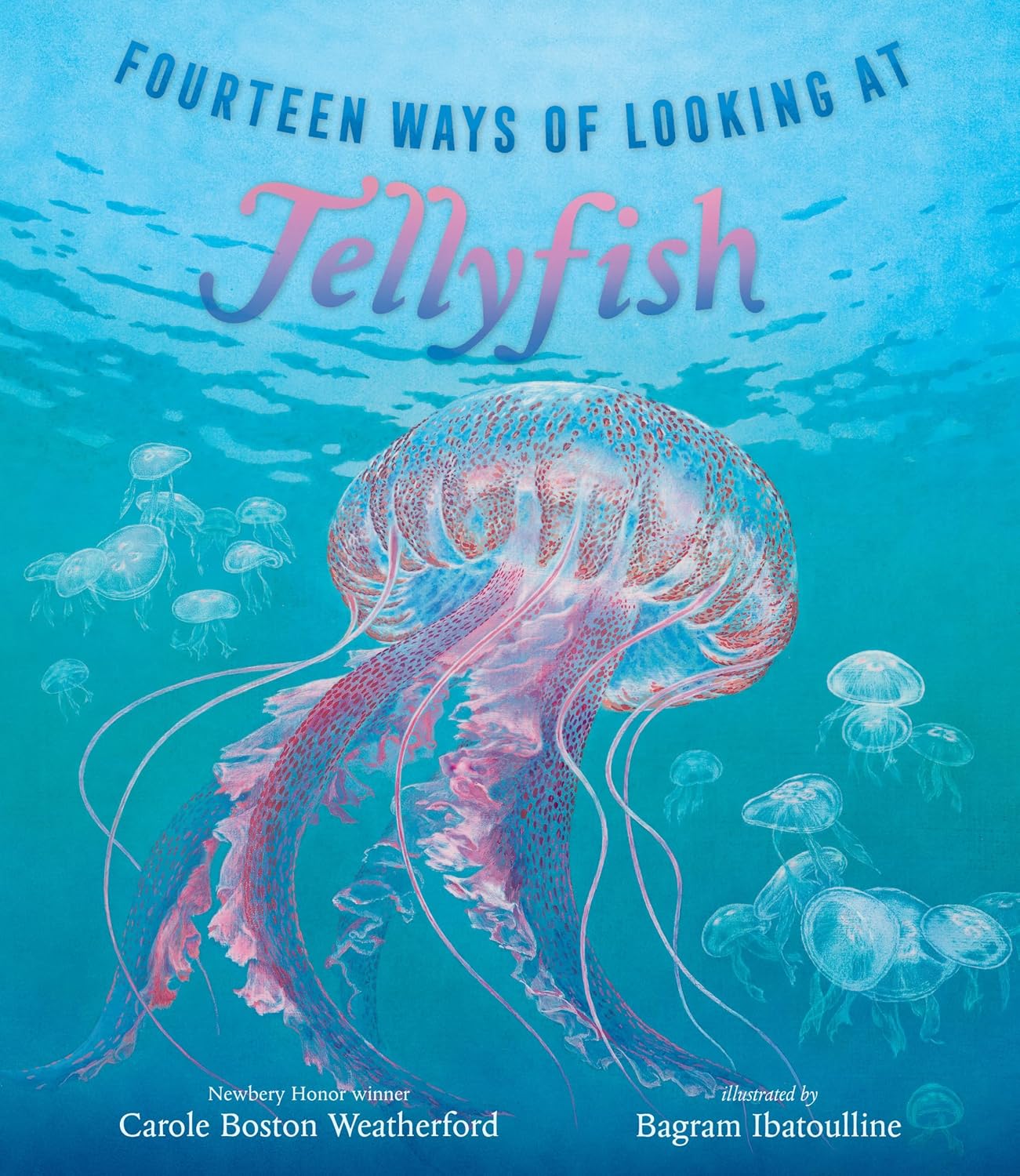
by Carole Boston Weatherford and Bagram Ibatoulline (Illustrator)
Inside glass tanks in crowded aquariums, jellies hold visitors rapt with their slow-motion water ballet. Most of the world’s nearly four thousand species emit an otherworldly light, glowing red, yellow, violet, or blue in the underwater dark. Fourteen wildly divergent poems—by turns dramatic and serene—pulse with life. From spreads of shimmering bioluminescence to graphic panels, stylish artwork blends poetry with science and fact with folklore and myth to form the ideal introduction to the “immortal” and mysterious jellyfish.
by Charlotte Offsay and Abi Cushman (Illustrator)
Deep beneath the waves, a pufferfish putters alone. A playful puffer in a quiet, nothing-much-happening ocean. Until…one small pop! sets off a chain of outrageous events, causing the whole ocean to have a very frazzled day indeed! Can the sea creatures find a way to bring quiet back to their underwater home?
by Jilanne Hoffmann and Khoa Le (Illustrator)
Plunge far below the ocean’s surface where billions of restless animals called zooplankton (including jellyfish) dwell in the Twilight Zone. Some are tiny, some enormous, and most are exquisitely beautiful. The setting sun cues their journey to surface waters for a midnight feast on trillions of tiny plants (and each other). It’s a daunting, perilous journey through predator-infested waters that transforms the dark ocean into a carnival of lights amidst a feeding frenzy in an eat before being eaten world. This nightly animal migration, the largest in the world, is vital to all life on Earth.
by Derick Wilder and Monika Filipina (Illustrator)
It’s a beautiful day to be living in the ocean. The sun is shining, and the water is a glorious blue. But wait . . . something big, something hungry, something menacing is approaching. It’s a great white shark! Luckily, there’s no reason for alarm. From ink-releasing cuttlefish to burrowing flounder to camouflaging leafy dragon, all the local sea creatures seem to have a way to hide from our hungry shark. Well, almost all.
by Michelle Schaub and Khoa Le (Illustrator)
Often called “the lungs of the sea,” seagrass meadows are found on every continent except Antarctica. Within this ecosystem is an abundance of marine life, including many species of fish, mammals, reptiles, and invertebrates. And beyond providing shelter and food for these inhabitants and visitors, seagrass plays an important role in the health of our planet. Seagrass lessens the effects of climate change and even helps filter out plastics and pollutants awash in the ocean. But this important ecosystem is under threat from many human activities. It’s time to pay attention to this vital space on Earth.
Amazing Aquatic Creatures
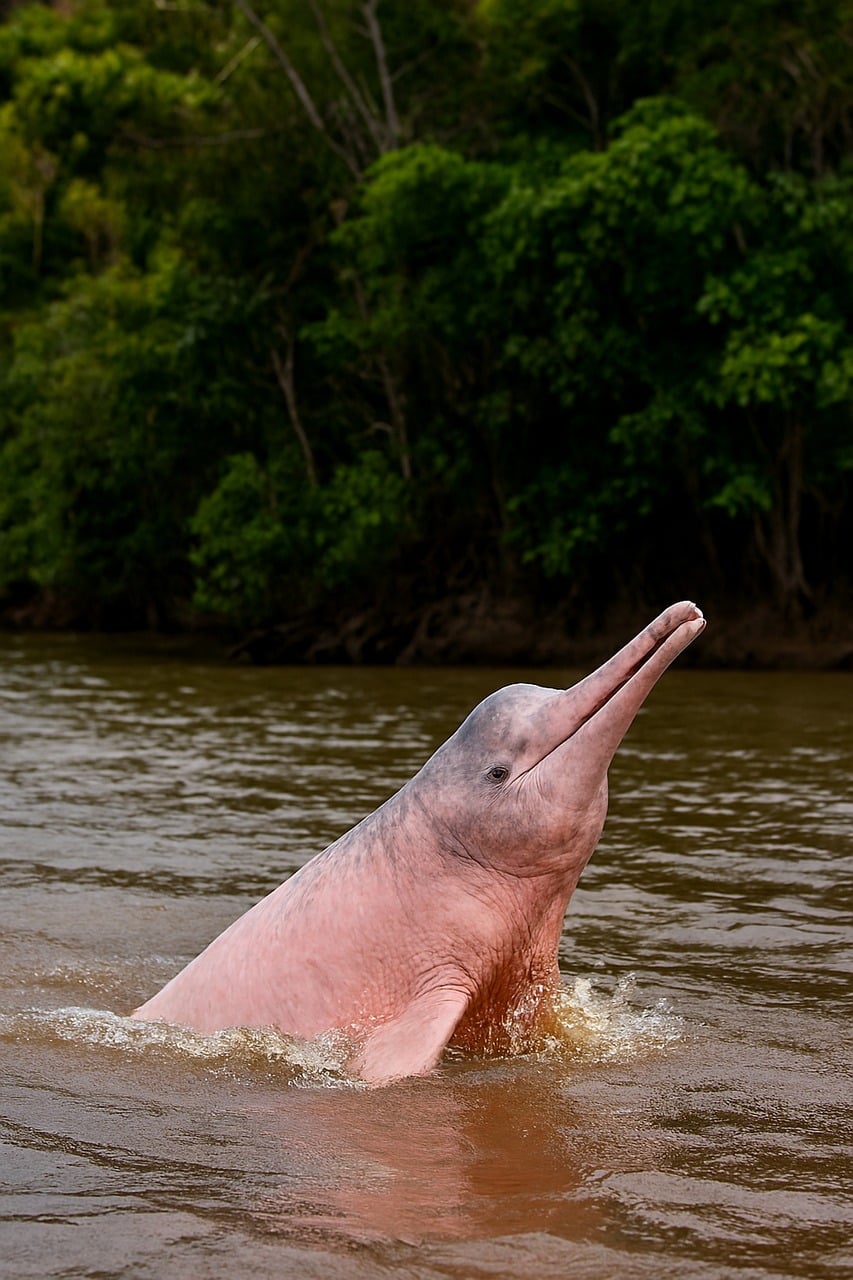
Amazon River Dolphins are born gray and turn pink as they mature with males tending to become pinker than females likely due to sparring with other males causing pink scar tissue to form.
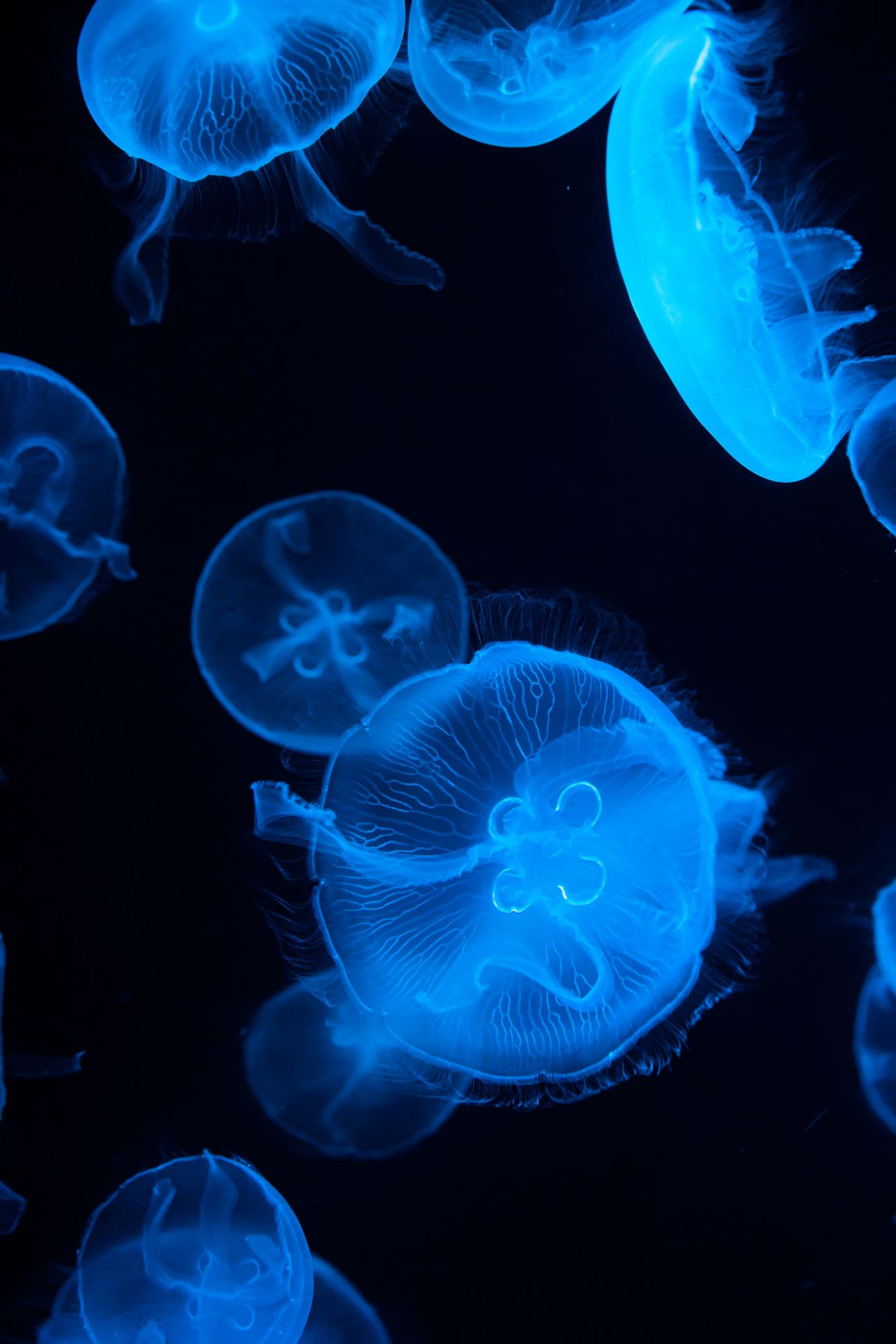
Moon Jellies are a common species of prehistoric jelly fish that have survived on Earth for millions of years. Because they’re not strong swimmers, they go where the ocean currents take them. I guess you could say that they go with the flow.
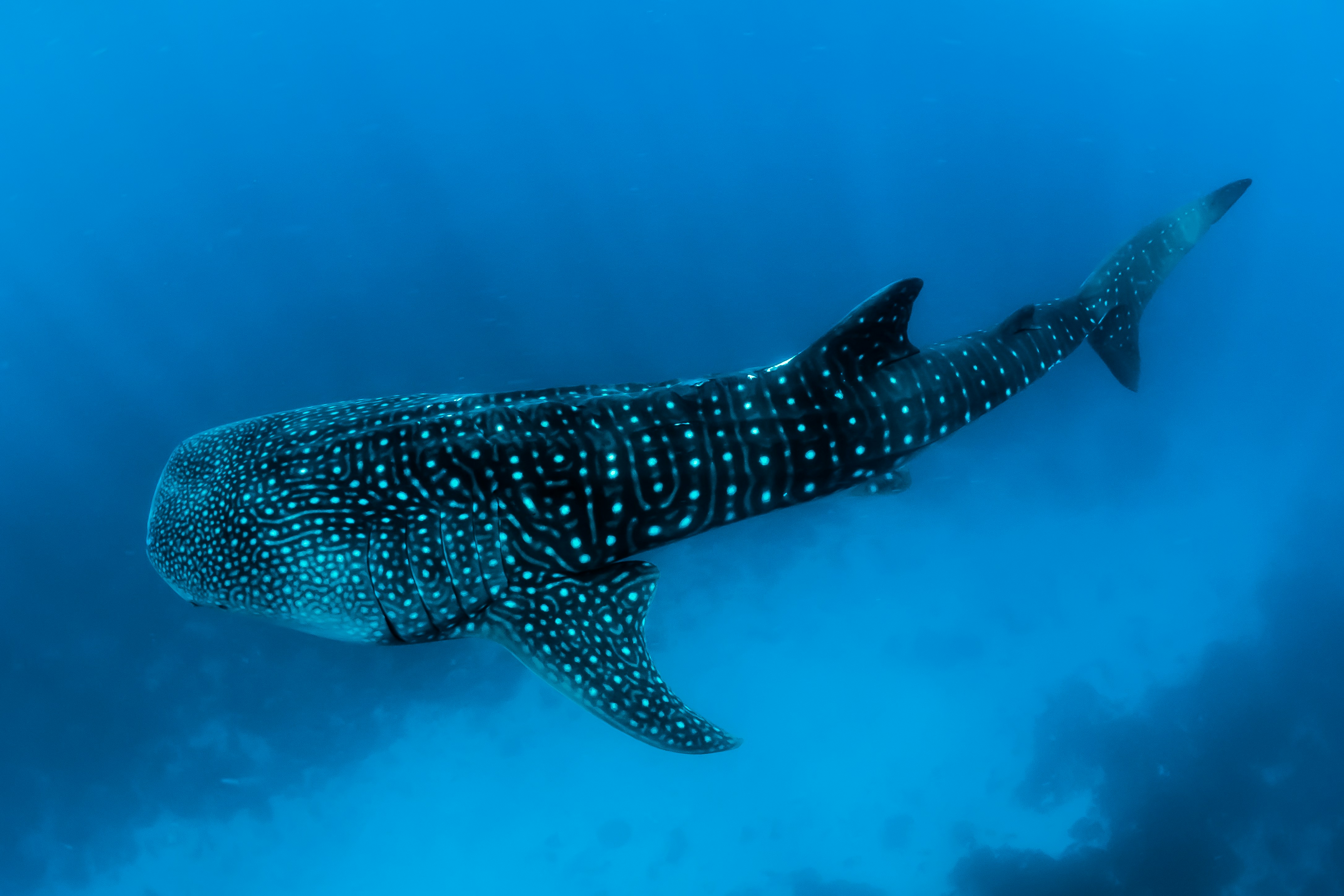
Whale Sharks are considered the largest fish in the sea reaching up to 40 feet or more in length. Each shark has its own unique pattern of white spots and pale stripes.
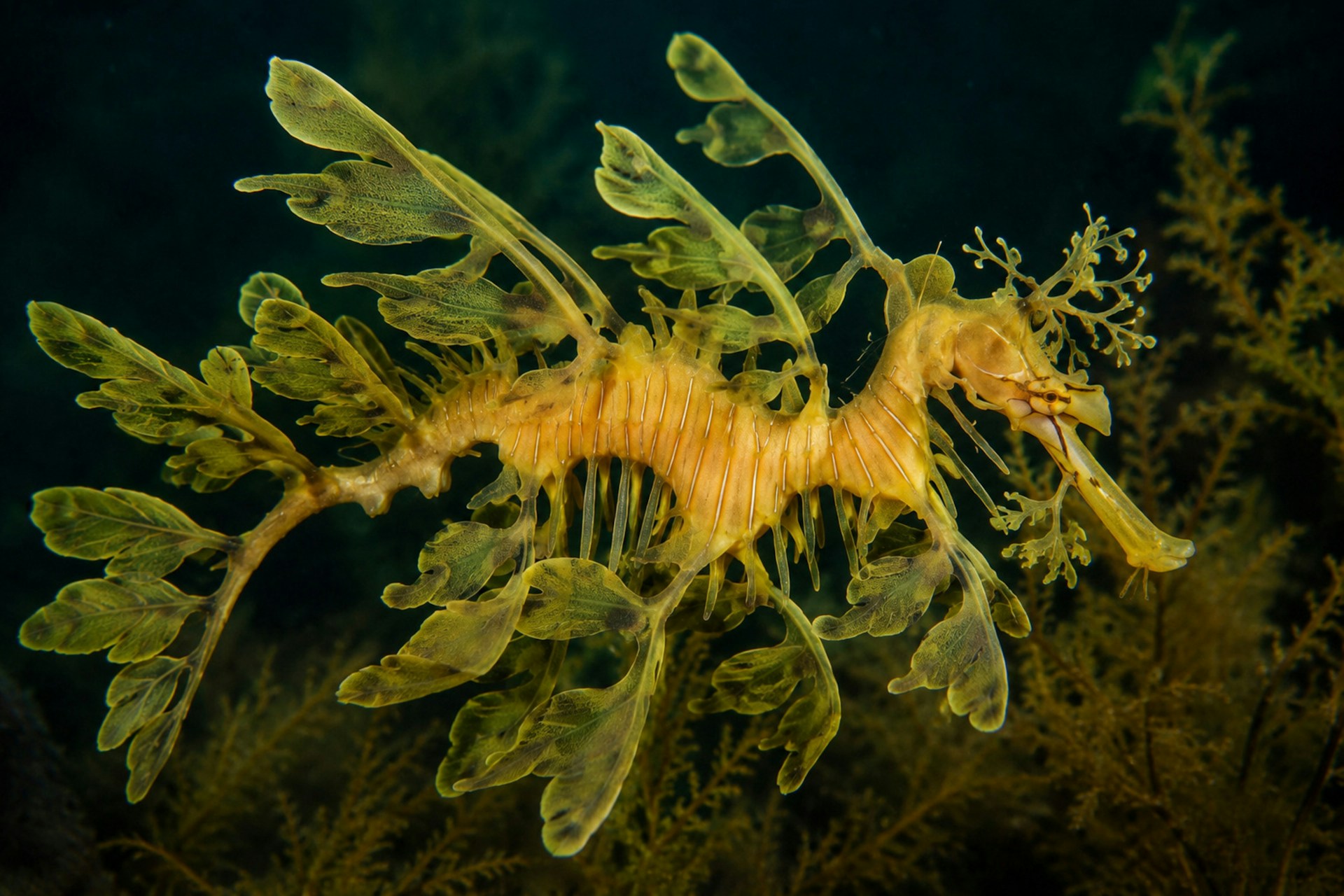
Leafy Seadragons, closely related to seahorses but with longer snouts, are adorned with frilly appendages that resemble seaweed, which camouflages them and keeps them safe from predators.
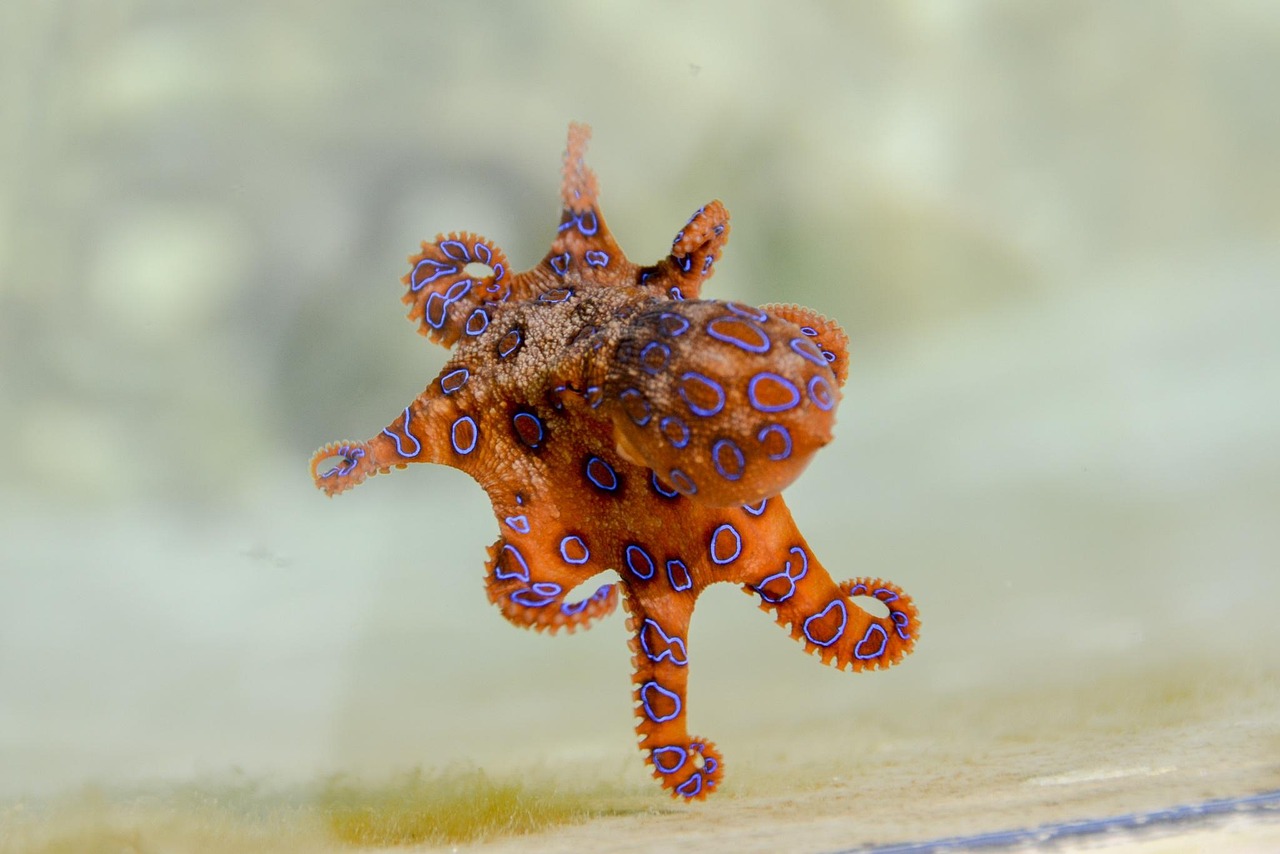
Blue-ringed Octopuses, when threatened, display bright blue rings all over their bodies as a warning to predators. Though tiny in size, these octopuses are dangerous, with venom that’s 1000 times more potent than cyanide.
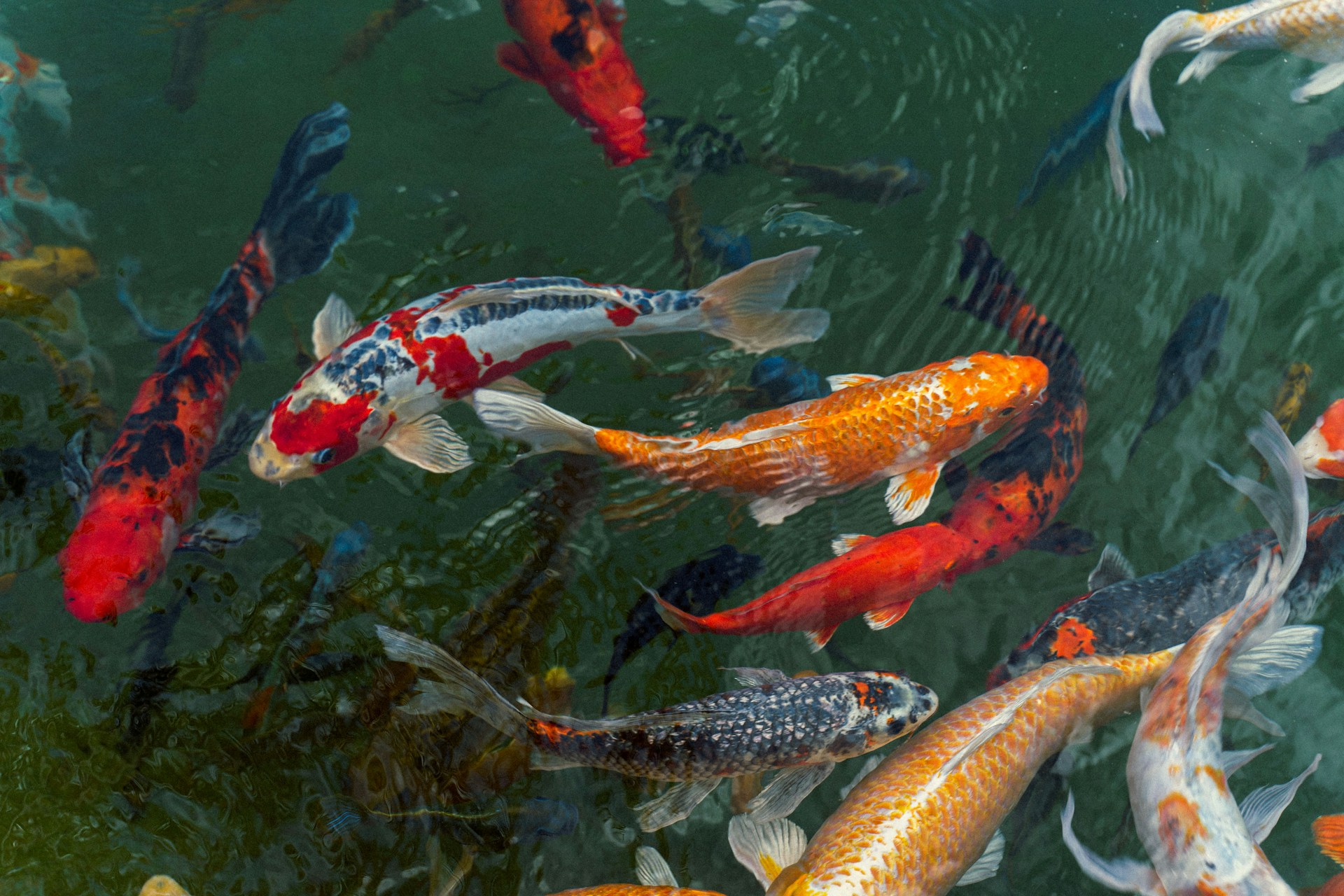
JapaneseKoi are a colorful variety of the common carp. These social fish can grow to be over 3 feet long and more than 25 pounds and live on average up to 40 years. The oldest-known koi ever recorded was named Hanako, meaning “flower child”, who lived to be 226 years old.
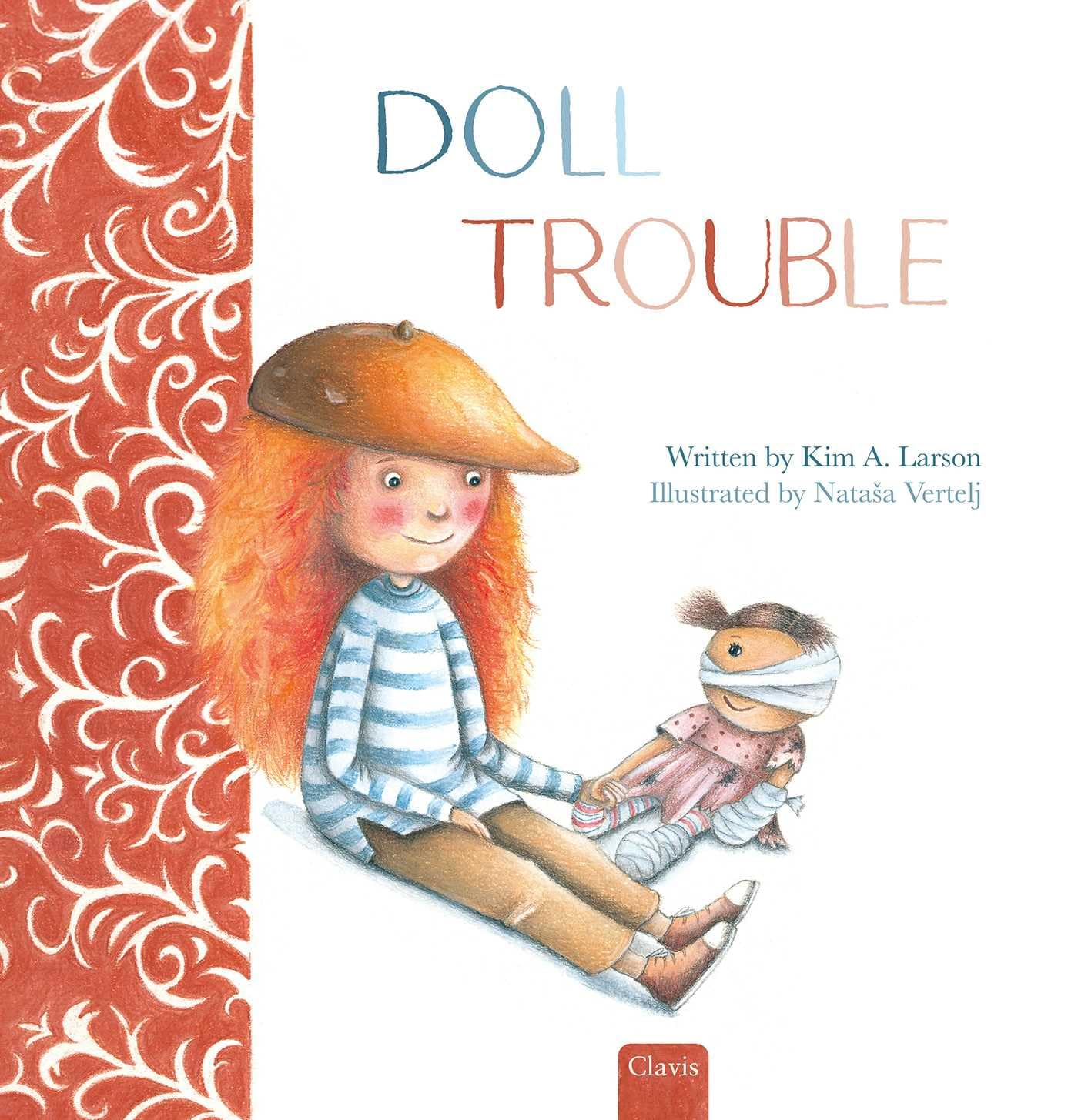
Summary: Emma takes her beloved doll Mia everywhere she goes. They play, laugh, and cry together, but one day something happens that makes Mia look less than perfect. The children in the neighborhood tease Emma about her broken doll, so she hides Mia and plays with her new, beautiful doll instead. But no matter how hard she tries, Emma can’t forget Mia. When she meets Sofia, who doesn’t have a doll, Emma suddenly knows what to do.
Do you have a children’s picture book coming out soon? I’d love to wish it a Happy Book Birthday here on Frog on a Blog! For more information, CLICK HERE.
Summary: Count your way through a world of quirky, silly creatures, from goblins to witches, in this original Little Golden Book filled with rhythmic, read-aloud fun! Get ready to meet little goblins with knobby knees, growling monsters with spiky hair, fire-breathing dragons with shiny scales, and so much more! With rhyming text, adorable illustrations packed with items to find and count, plus a surprising ending, this is truly a book that makes storytime fun for the kids being read to and the adults doing the reading!
Do you have a children’s picture book coming out soon? I’d love to wish it a Happy Book Birthday here on Frog on a Blog! For more information, CLICK HERE.
Happy World Environment Day! This annual global observance urges all nations to do their part to combat climate change and to embrace ways in which humans can live in harmony with nature.The picture book I’m reviewing today is a joyful celebration of nature–animals, plants, ecosystems, and musical marvels made from the clay of the Earth.
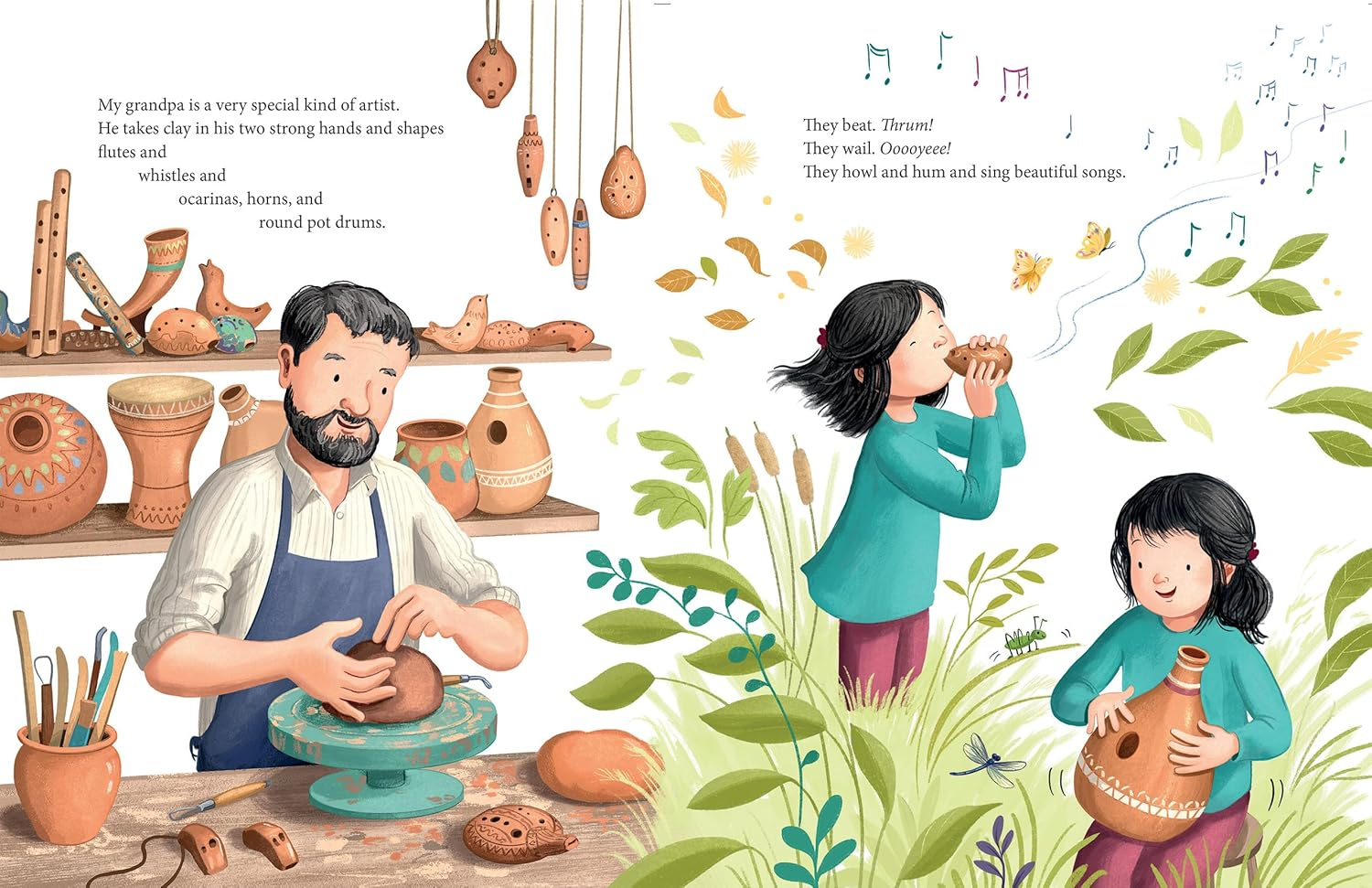
In Sing Up the Earth!, a young girl named Meadow spends time working with her grandpa in an old stone barn making instruments out of clay–flutes, whistles, horns, drums, and ocarinas. One of Grandpa’s most prized possessions is an ocarina shaped like a hawk that he’s had since he was a little boy. An ocarina is a type of flute that has an inner tunnel that shapes the breath and creates the sound. The hawk ocarina makes a very unique sound that Grandpa hasn’t been able to duplicate.After Meadow crafts her very own turtle-shaped ocarina, she and Grandpa take it to the pond and serenade the wild animals just as Grandpa did when he was a boy.
When a storm hits later on and destroys the old stone barn and all the instruments within, neighbors come to help Grandpa and Meadow rebuild. But not one piece of the hawk ocarina is found. Then, one day, Meadow makes a happy discovery that leads to something even more special.
Sing Up the Earth! is a super sweet story narrated by Meadow. Her cherished relationship with her grandpa shines brightly throughout, as does their love for nature and the Earth. Through gentle text and detailed illustrations, readers will meet a variety of animals, from foxes, coyotes, and bobcats to frogs, turtles, and birds, across lavish landscapes of fields and flowers, mountains and trees. Kids will find the various clay instruments appealing as well. Additionally, an author’s note at the end of the book conveys more information about the fascinating ancient art of making instruments out of clay.
This is a truly lovely book with lots of layers to explore.
Turtles belong to one of the oldest reptile groups in the world, which includes tortoises and terrapins, dating back to over 200 million years ago. That means turtles were around when dinosaurs walked the Earth!
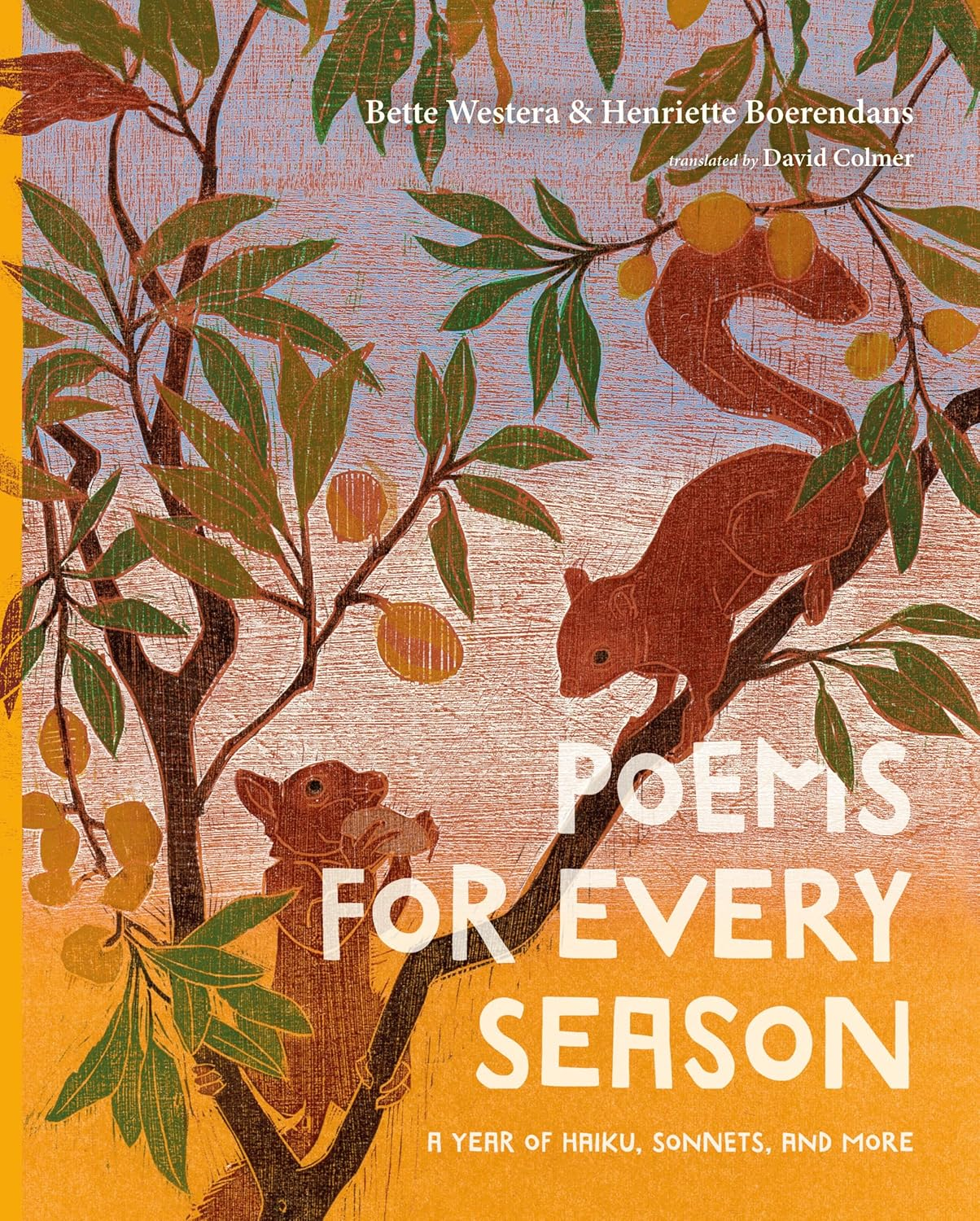
Title: Poems for Every Season: A Year of Haiku, Sonnets, and More
Author: Bette Westera (translated by David Colmer)
Illustrator: Henriette Boerendans (illustrations created with woodcuts)
Publisher/Year: Eerdmans Books for Young Readers/2026 (originally published in the Netherlands in 2024)
Format: Hardcover
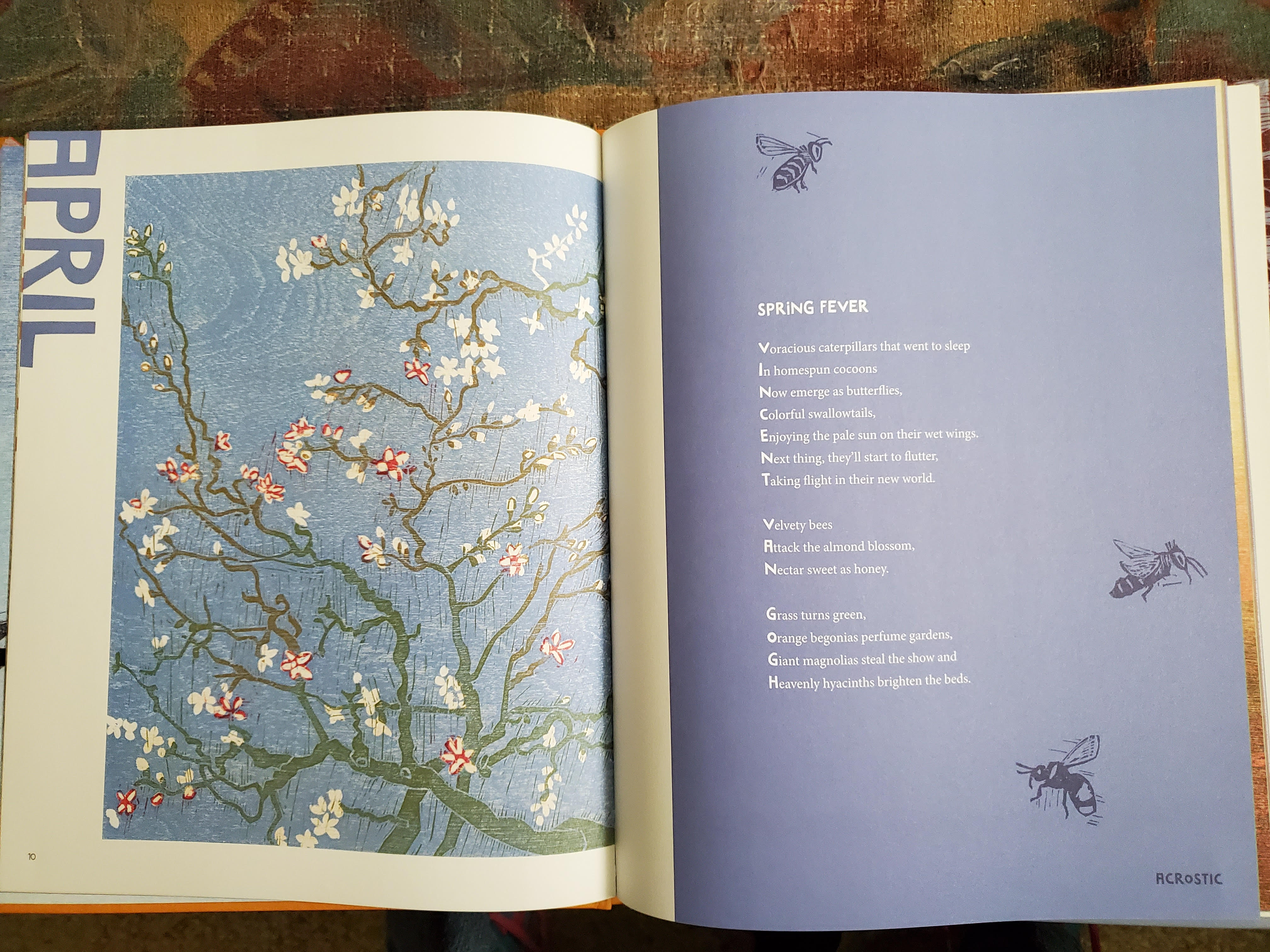
Poems for Every Season is a lovely book featuring thirteen different types of poems and clever woodcut illustrations of a myriad of peaceful plants and adorable animals. The book, which has earned starred reviews from Publishers Weekly, Kirkus Reviews, Booklist, and others, is a joyful celebration of our four changing seasons. Back matter, written clearly and concisely, offers a definition of each poem type.
Teachers especially may find this book helpful while teaching poetry forms to their students. Kids will learn familiar forms like haiku, limericks, and sonnets, as well as fun unusual forms like elevenies, diamantes, and stacking poems. Kids and adults will surely delight in trying their hand at some of the different forms, such as the acrostic poem seen below for April entitled “Spring Fever.” In an acrostic, the first letter of each line spells out a name, word, or phrase. What name do you see in April’s poem?
Kids will love spotting all the furry, fuzzy, or flying animals, such as a fawn, a lamb, a woodpecker, a badger, a hedgehog, and a flock of geese, to name just a few, frolicking, foraging, and fluttering amid the flowers, trees, and gardens or scampering through the snow.
Poems for Every Season is a great introduction to poetry for kids, wrapped up in an appealing picture book that grownups will enjoy too. My grandmother Harriet was a poet and an animal lover, and I’m sure she would have liked this book.
The hedgehog gets its name from where it nests–hedges and shrubs–and the hog or pig-like grunting sounds it makes. Hedgehogs were once known as urchins, and that is how sea urchins got their name, thanks to their similar spiky appearance.
Publisher/Year: Eerdmans Books for Young Readers/2026
Format: Hardcover
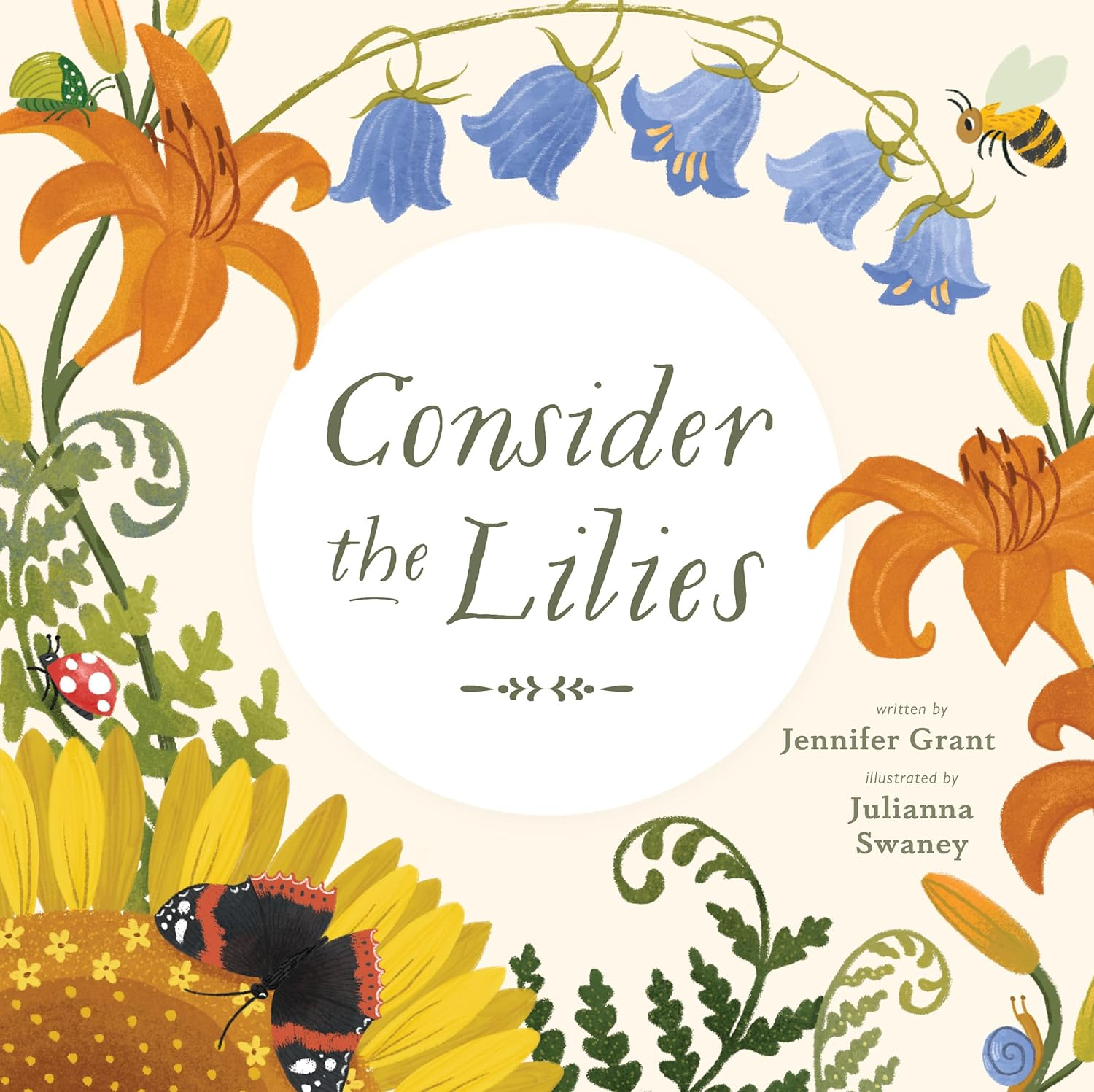
Perfect for spring,Consider the Lilies is a lovely concept book highlighting wildflowers and all the beautiful colors in which they come. The author uses fun, gentle near rhyme to introduce young readers to several flowers, colors, and even birds and insects. Through the illustrator’s charming digital artwork, kids will meet red poppies, yellow sunflowers, and purple coneflowers, along with butterflies, ladybugs, busy little honey bees, and more.
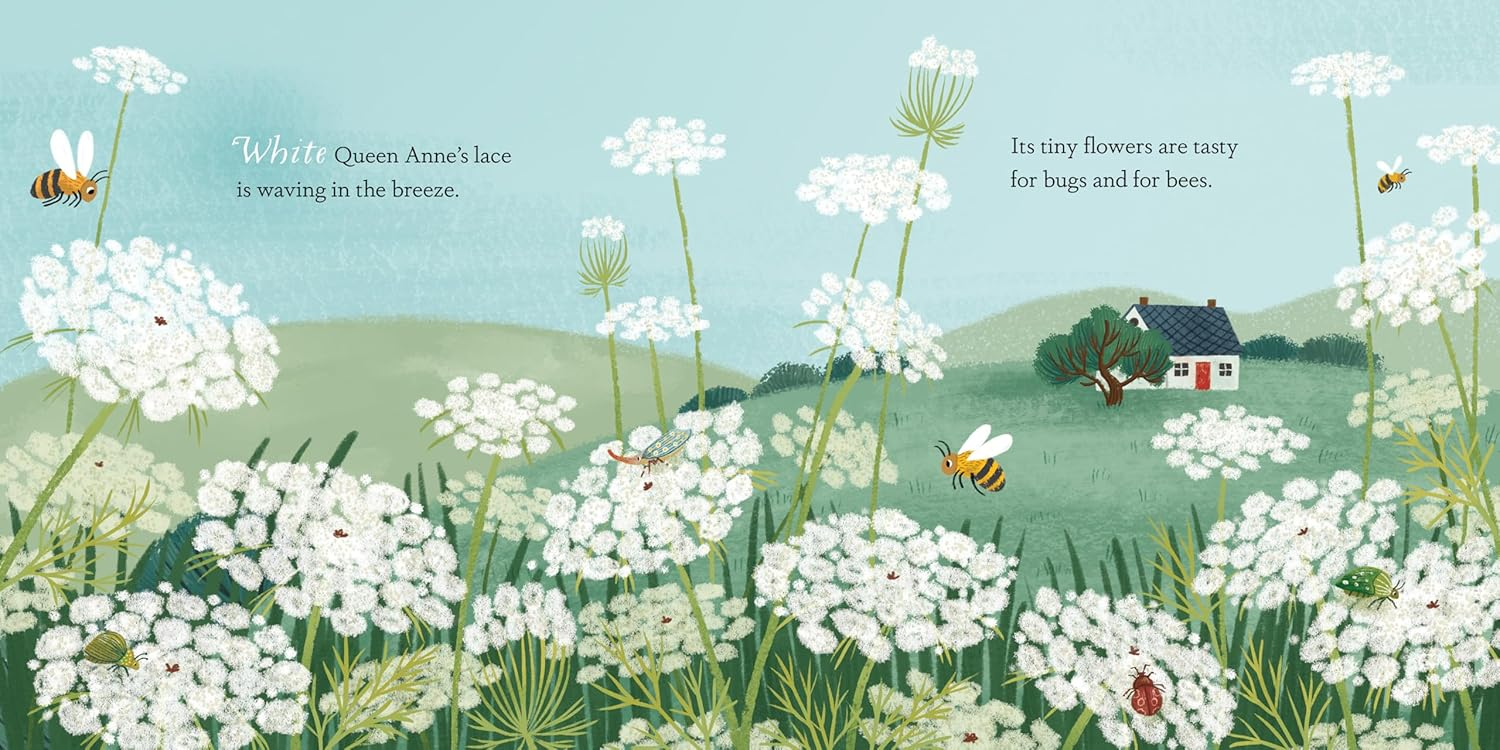
I love this opening spread featuring white Queen Anne’s Lace!
Consider the Lilies is the second book in the Consider series, following Consider the Birds by the same author and illustrator, which was published in 2025 and focuses on counting birds that kids will likely find familiar, such as black-capped chickadees. Both books encourage a closer relationship with the Creator through the beauty and marvel of nature.
Consider the Lilies leaves readers with the sentiment that God made wildflowers special “and they live and grow just where they are supposed to be. It’s the same with you and me.”
Today, Finley shares a fun flower fact: The average sunflower can grow up to 10 or 15 feet tall, depending on species, but the tallest sunflower ever recorded was 30 feet tall!
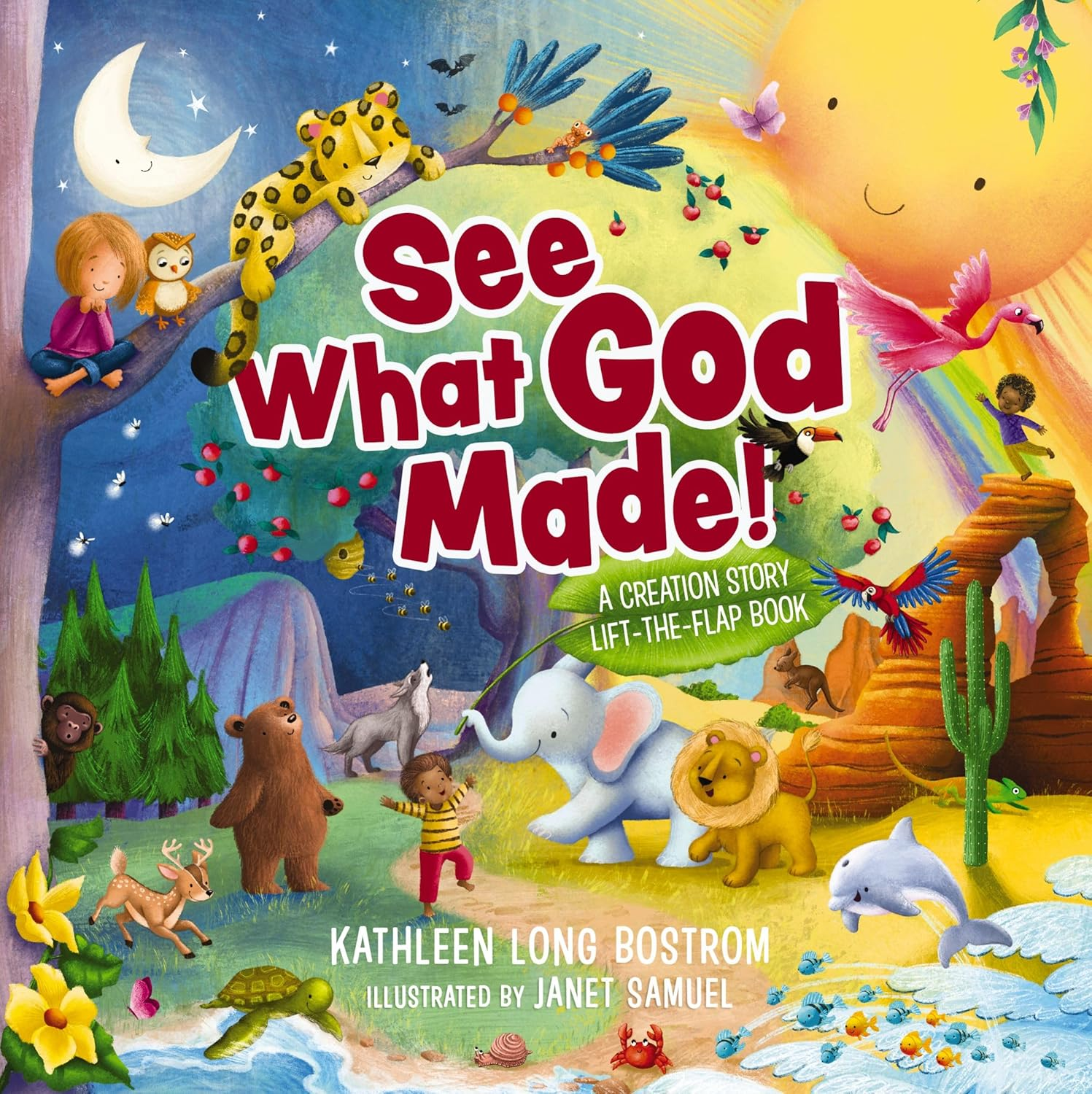
I love this special novelty book by my kidlit friend, Kathy Bostrom! See What God Made! is a sweetly illustrated lift-the-flap board book with fun rhyming text that introduces little ones to the creation story. Readers follow God’s work from the first day, when He created light, to the seventh day, when He rested, just as the biblical Book of Genesis tells us.
Through bright, colorful pictures, charming text, and surprises underneath each flap, kids learn that on Day Three, He made all the plants, flowers, and trees. On Day Five, He made the fish, animals of the sea, and the birds. And on Day Six, He made the animals of the land, and, of course, people.My favorite verse is–
(Day Four)
The universe kept taking shape.
Each day was so much fun!
God spread the sky with sparkling lights:
the stars, the moon, the sun.
Dozens of cute animals–a dolphin, a parrot, and a gorilla, to name just a few–are depicted in the book, running, leaping, flying, and sleeping, accompanied by many diverse, happy kids, playing and exploring the beautiful world God created. With over forty flaps to peep under, there’s no shortage of amazing things to discover.
See What God Made! is the perfect first introduction to the creation of the worldand would make a fantastic baptism gift too!
Amazon river dolphins are pink! But they’re not born pink; they’re born gray and turn pink as they mature. Males tend to become pinker than females.
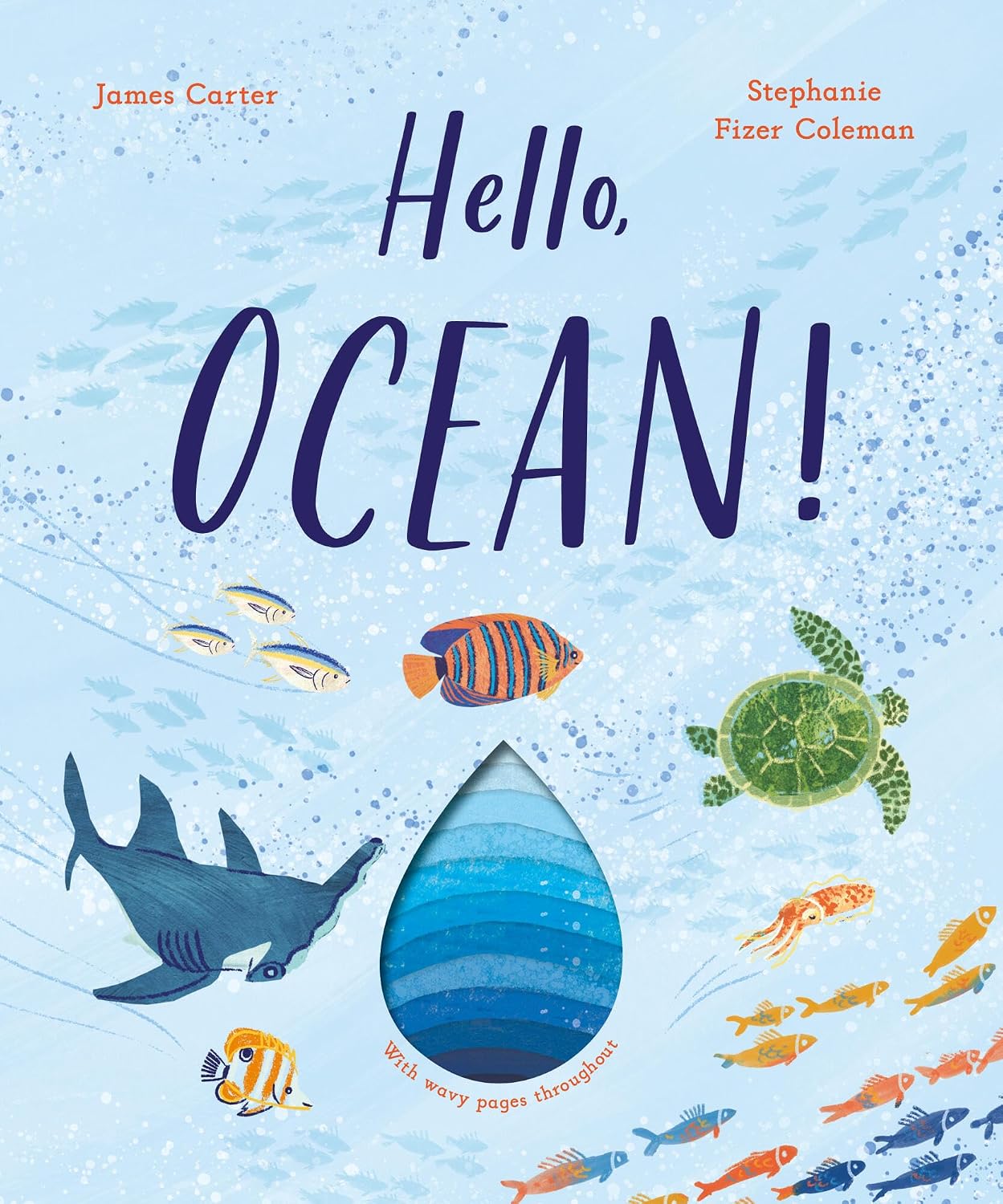
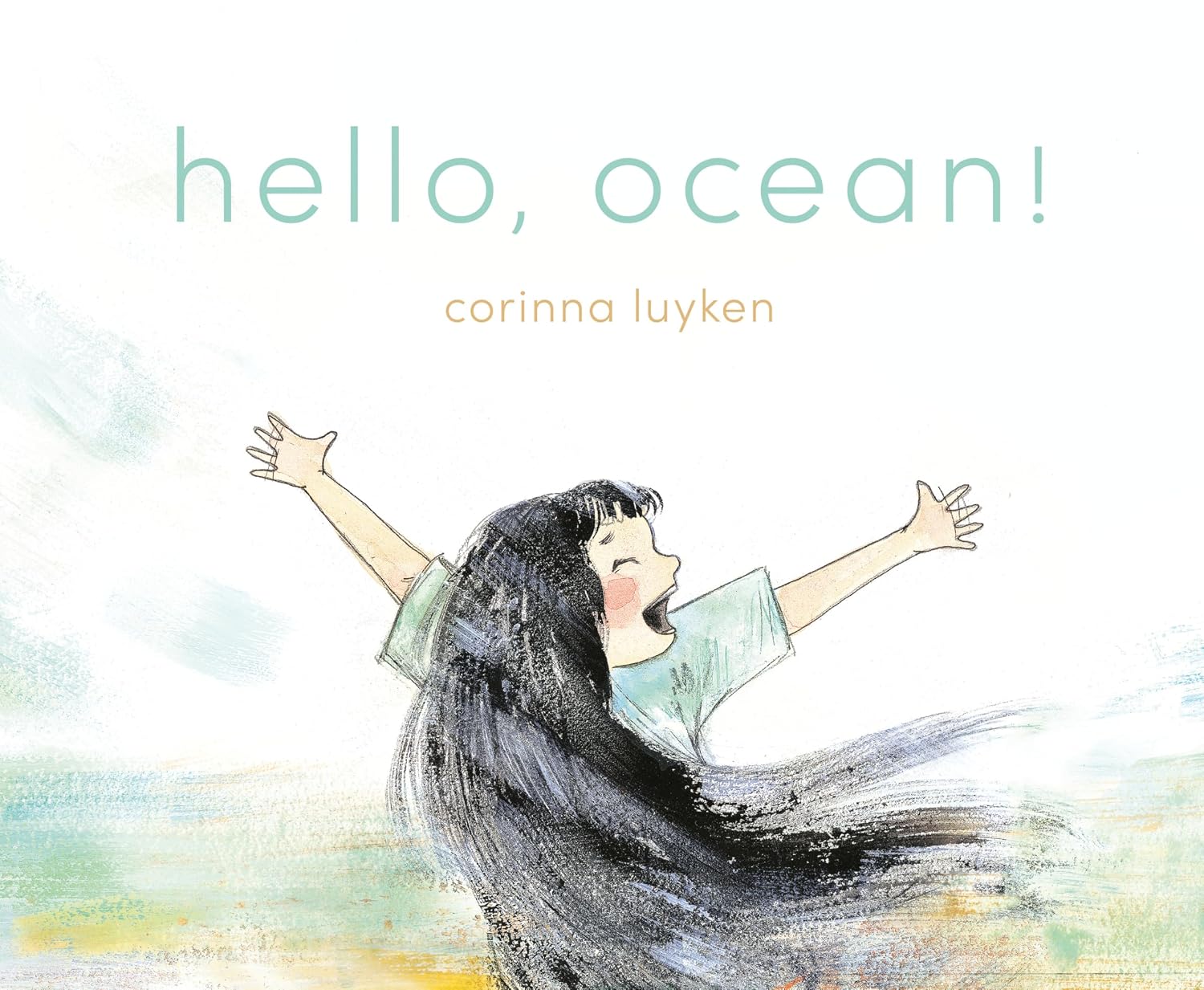
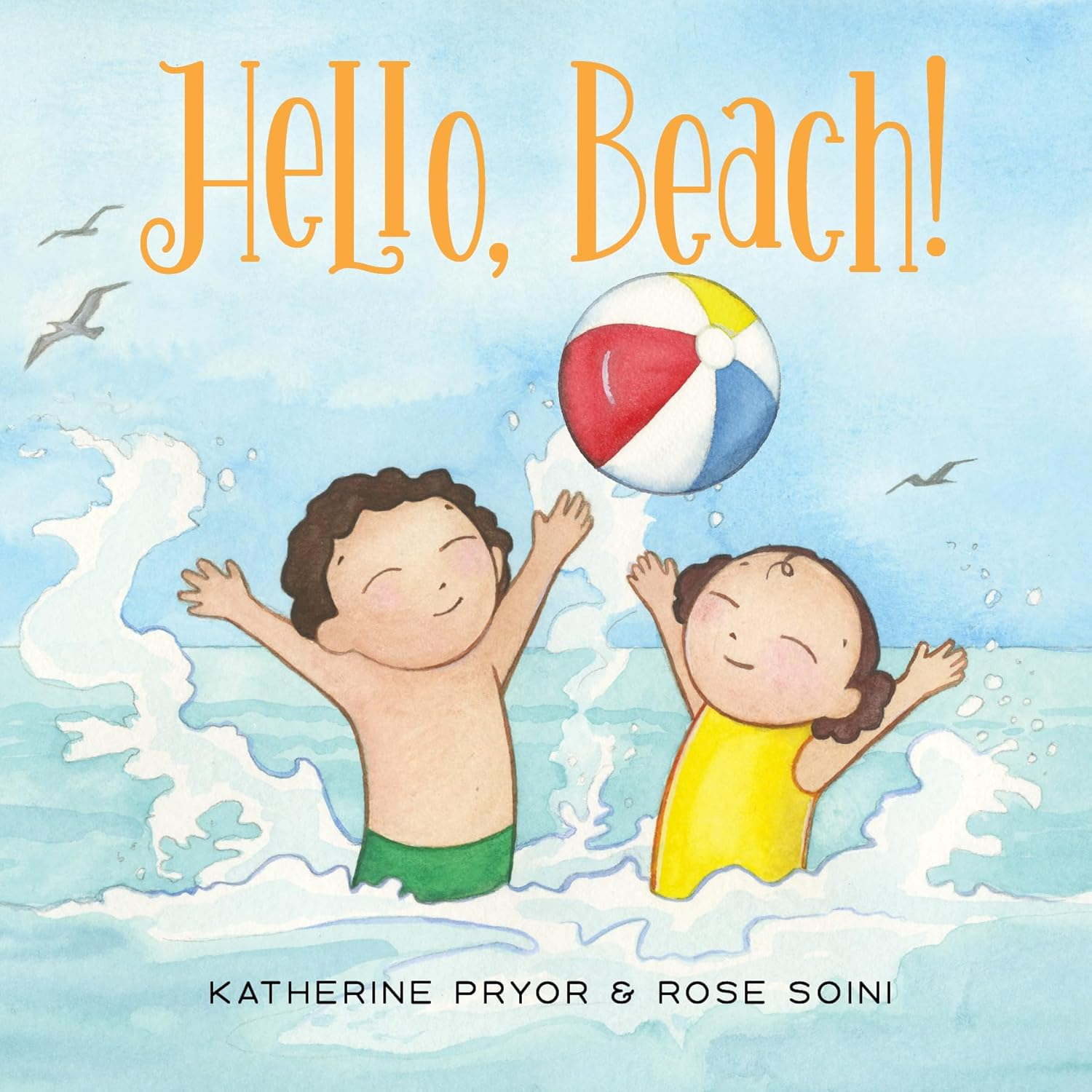
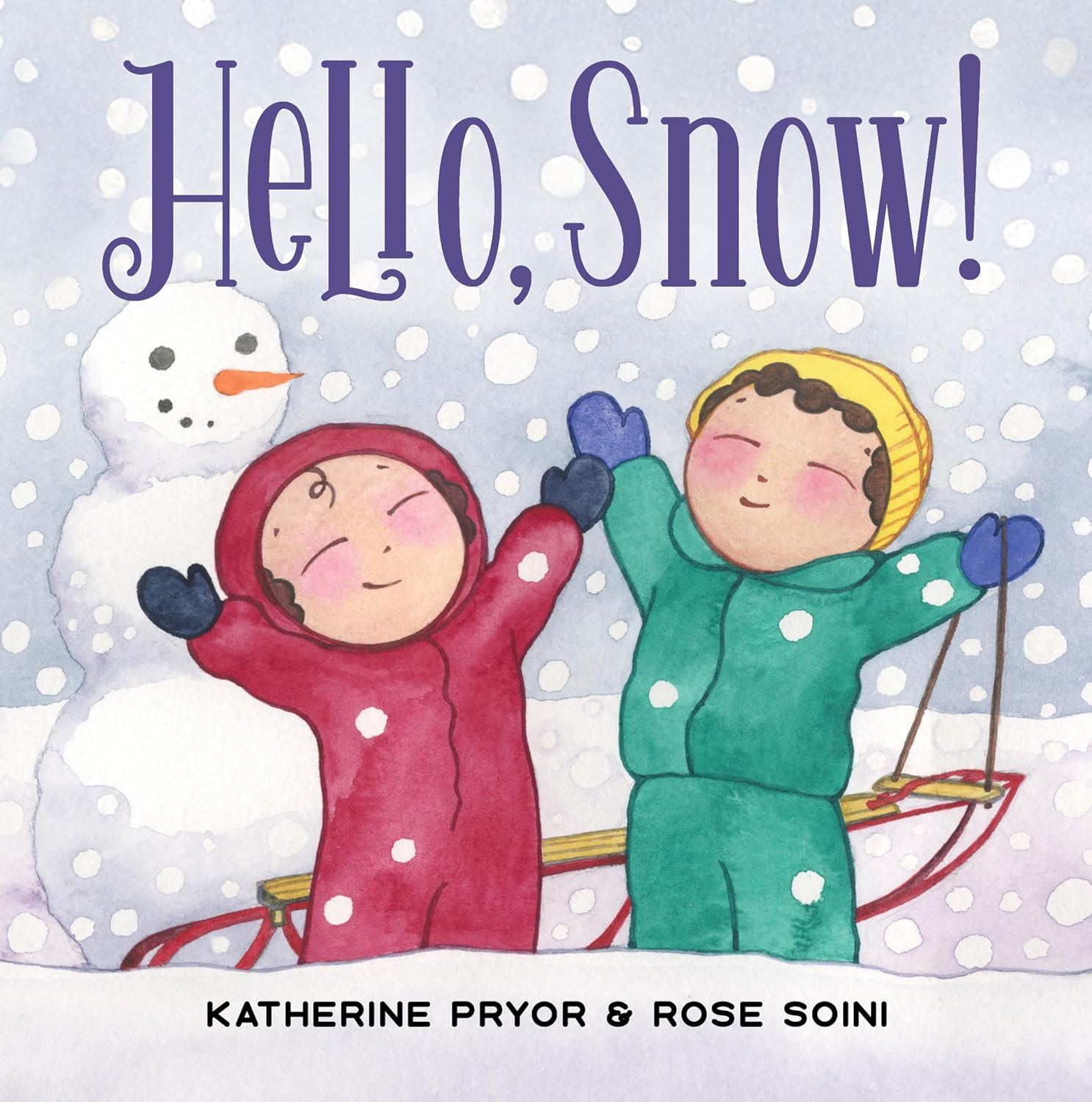
I’m pleased to introduce the third book in the Hello! series of board books by author Katherine Pryor and artist Rose Soino, Hello, Beach! This simply sweet, adorably illustrated book for the littlest book lovers follows Hello, Garden! and Hello, Rain! and precedes the fourth book Hello, Snow!, which is a 2025 Mom’s Choice Award Gold Winner. All four books from Schiffer Kids publishing, which are available now, feature the same fun-loving diverse family enjoying time together through the seasons in the great outdoors.I previously reviewed Hello, Rain! here on Frog on a Blog, and you can read that review HERE.
It’s currently 19 degrees F here in snow-covered upstate NY, the perfect time to showcase a book that is sure to bring the warmth of summer into your home. In Hello, Beach!, readers follow the family from heading to the water, discovering clams, launching a boat, watching the tide retreat, and finally saying a sleepy good night to the beach while the sun sets over the water.
Hello, Beach! offers a gentle rhyme scheme, the same as the other books in the series, along with the illustrator’s cute watercolor pictures, which depict lots of beachy fun, such as splashing toes, circling seagulls, sandcastles, scuttling crabs, and more. There are plenty of animal and nature scenes for parents to point out and for kids to admire.
All four together make a perfect set of “seasons-themed” board books.
Starfish (or sea stars) are not actually fish at all; they’re invertebrates, which means they have no backbone. These fascinating creatures can regenerate (regrow) missing or damaged limbs!
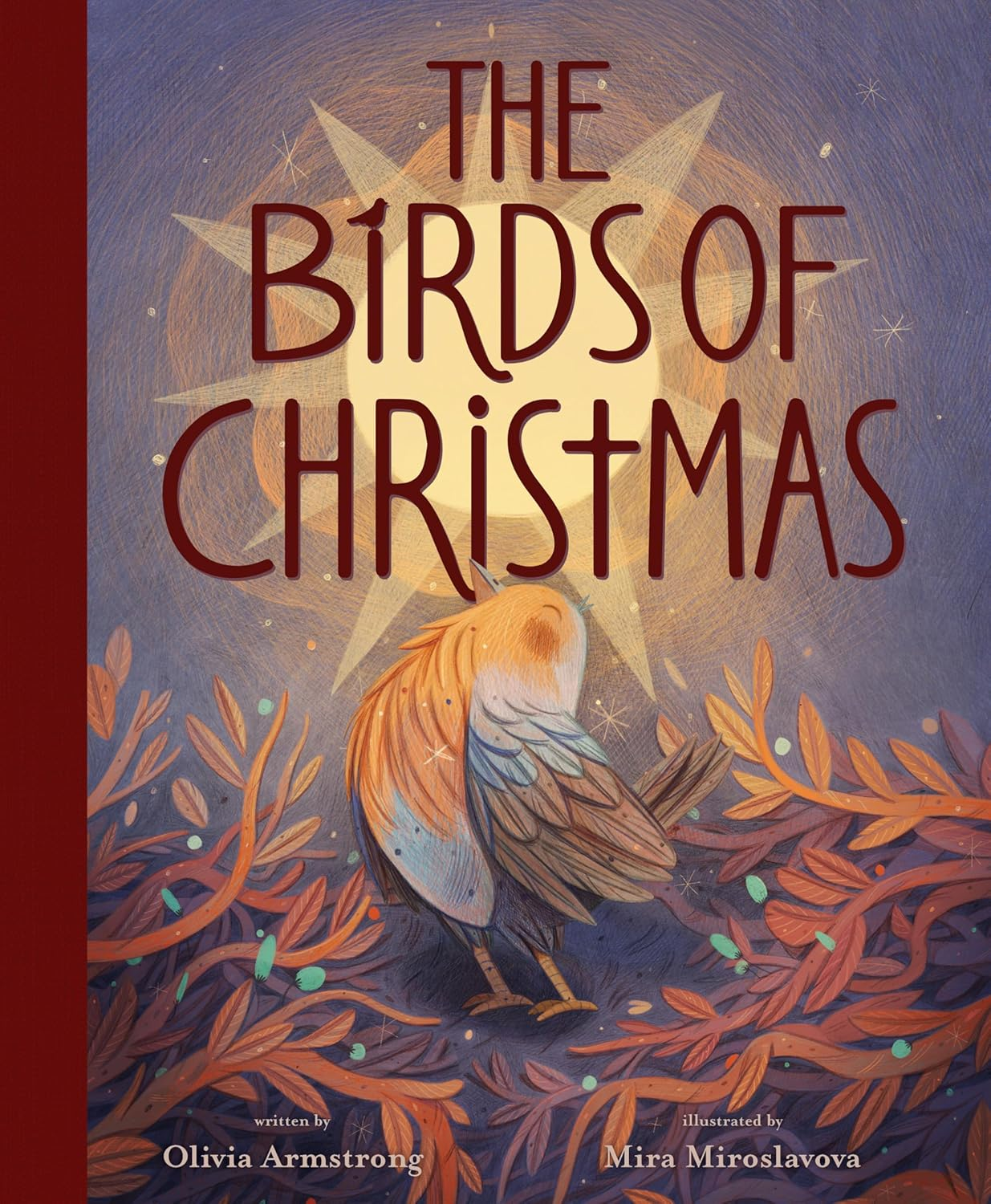
Seasons Greetings! Christmas is almost here, and I have the perfect picture book to celebrate the joyous season. The Birds of Christmas, written by Olivia Armstrong, with charming graphite pencil and digital illustrations by Mira Miroslavova, is a beautiful Nativity story based on a European folktale that tells how the robin came to have a red breast.
As Raven flies home late one night, a bright star suddenly appears in the sky above Bethlehem. A heavenly voice urges Raven to go and tell the other birds that a special child has been born, the Prince of Peace. He darts away to proclaim the good news to Wren, Nightingale, and Rooster. Then Rooster crows with all his might, calling all the other birds, who come swooping from all directions towards the brilliant star, which rests above a modest stable. Every bird brings a gift for the newborn, such as the pillow Stork made from her own feathers. But one little bird, Robin, has nothing to offer, until a gust of wind, a dwindling fire, and a shivering baby provide her with the perfect opportunity to give (and receive) the gift of compassion.
The Birds of Christmas is both energetic and delightful. The action-filled text moves the story along at an enjoyable pace, while the detailed illustrations invite young readers to pause for just a moment before turning the page. Overall, it’s a sweet book, sure to be a holiday favorite.
Merry Christmas, everyone! And may 2026 bring peace and prosperity to you and your families.
Ornithologists estimate there are between 10,000 to 20,000 different species of birds in the world with new species being discovered almost every year.
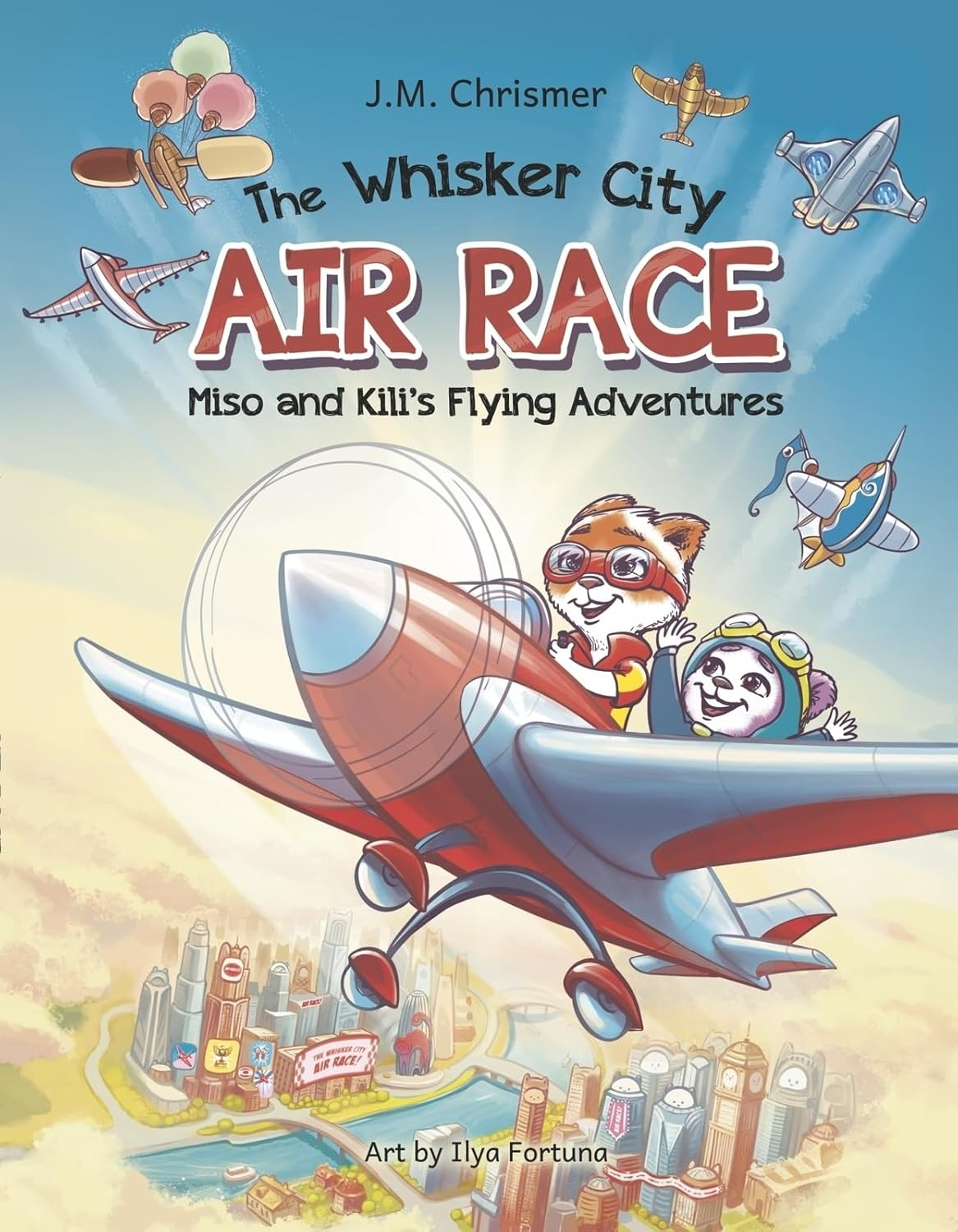
December is National Cat Lovers Month. One way to mark the occasion is by reading picture books about cats! The Whisker City Air Race is the fourth book in the exciting aerial adventure series Miso and Kili’s Flying Adventures. Miso and Kili are adorable little cats who love to fly their shiny Red Rider plane all over the world.
In The Whisker City Air Race, they’re taking part, along with their feline friends, in a high-flying annual race from Whisker City over the Catfish Ocean to the Golden Paw Desert and, continuing from there, past the Panther’s Tail Jungle through the Yarn Ball Rolling Hills and back to Whisker City.Along the way, they’ll contend with some Alley Cat antics, a dangerous thunderstorm, and a detour to the finish line.
Author J.M. Chrismer has created an action-packed story that kids will surely enjoy. Though the book is a tad text heavy, there’re plenty of thrills to keep the story moving and the young reader turning the pages. Kids will especially love artist Ilya Fortuna’s bright, engaging illustrations featuring six different delightful airplanes, lots of cute and cuddly cats, and more. This is a fun read that will leave you wondering where Miso and Kili will fly off to next!
The United States has more domestic cats than any other country, over 70 million. The top three countries with the most pet cats, in descending order, are the United States, China, and Russia.
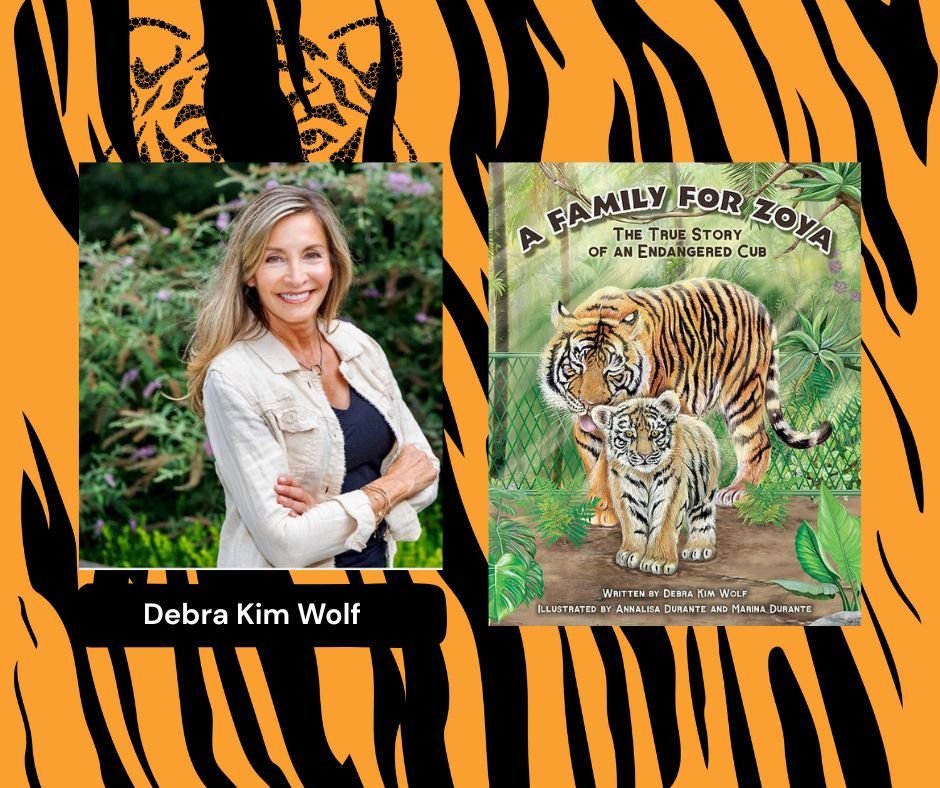
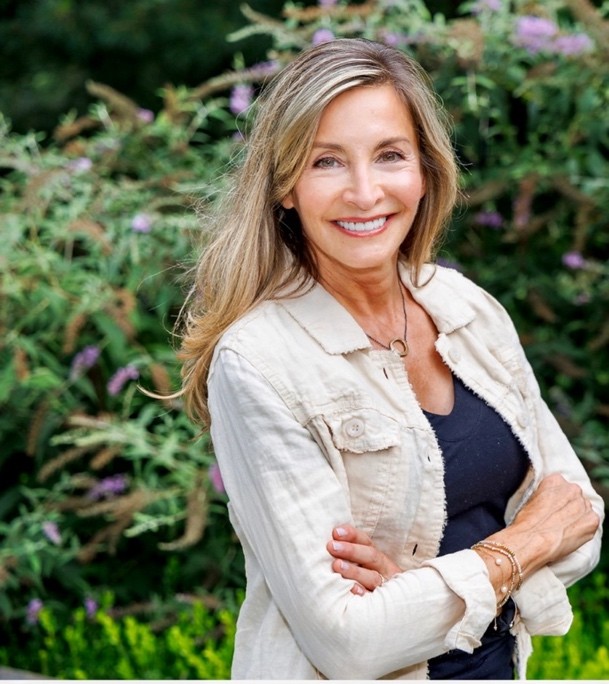
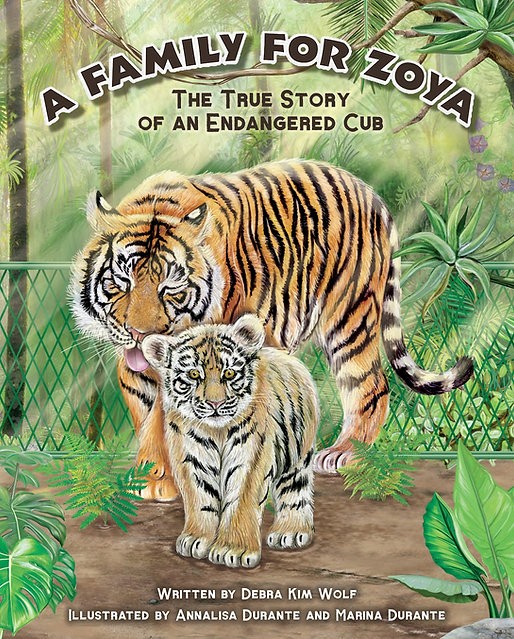
Please welcome children’s book author and land conservation attorney Debra Kim Wolf to Frog on a Blog. Debra’s nonfiction picture book A Family for Zoya: The True Story of an Endangered Cub published this past summer by Platypus Media and features lovely realistic and detailed illustrations by twin sister nature and science artists Annalisa and Marina Durante.
I love that Debra chose to write about an endangered Amur tiger cub at the Philadelphia Zoo. My local zoo has Amur tigers (a favorite of my twin sister!) as well, and a male and a female cub were born there just last year. Let’s hear more from Debra about her special book and her passion for conservation and nature!
(All text and art from the book are the property of the author and illustrators.)
Congratulations on the publication of your beautiful debut nonfiction picture book A Family for Zoya: The True Story of an Endangered Cub! What inspired you to write this heartwarming story?
DW: I appreciate the chance to share my story with your readers, Lauri.
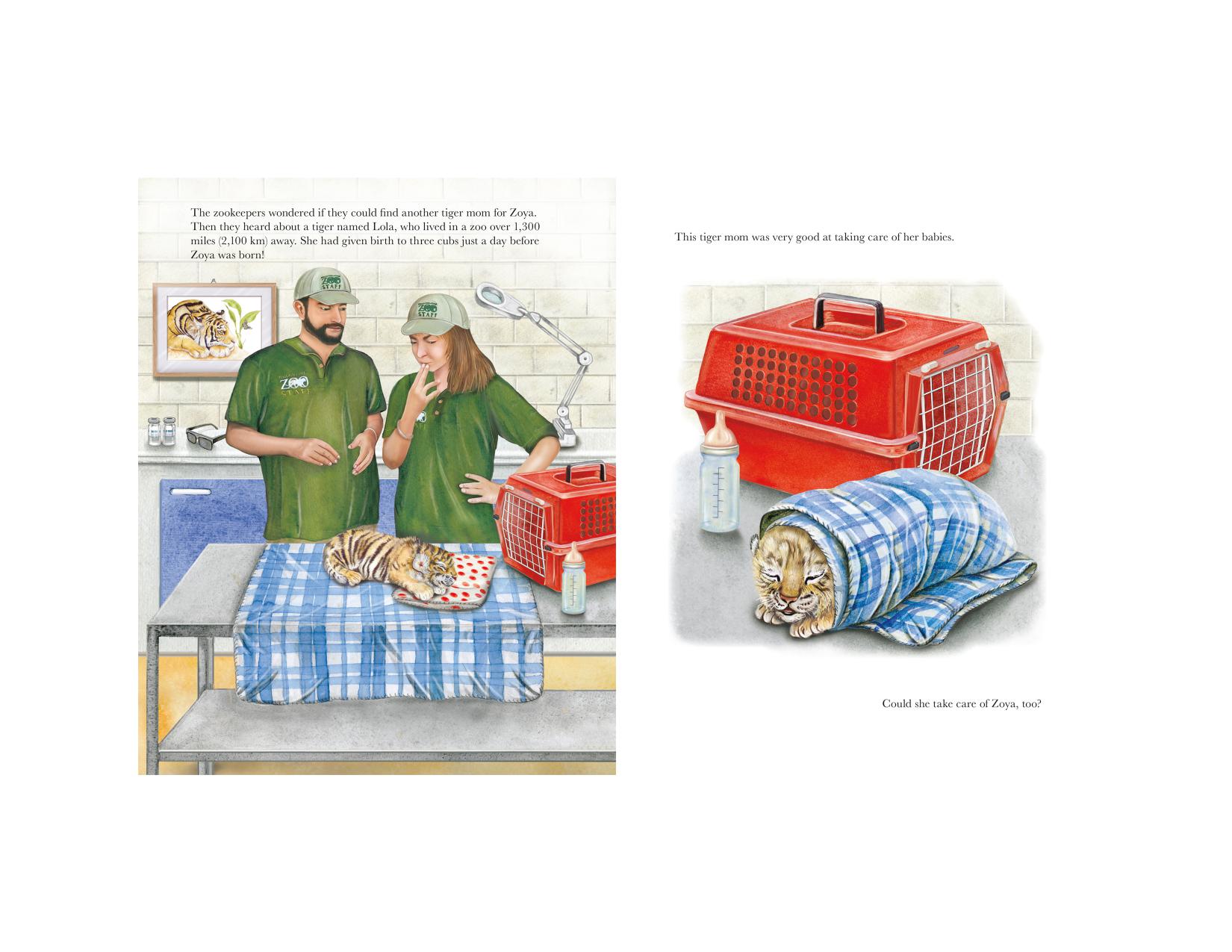
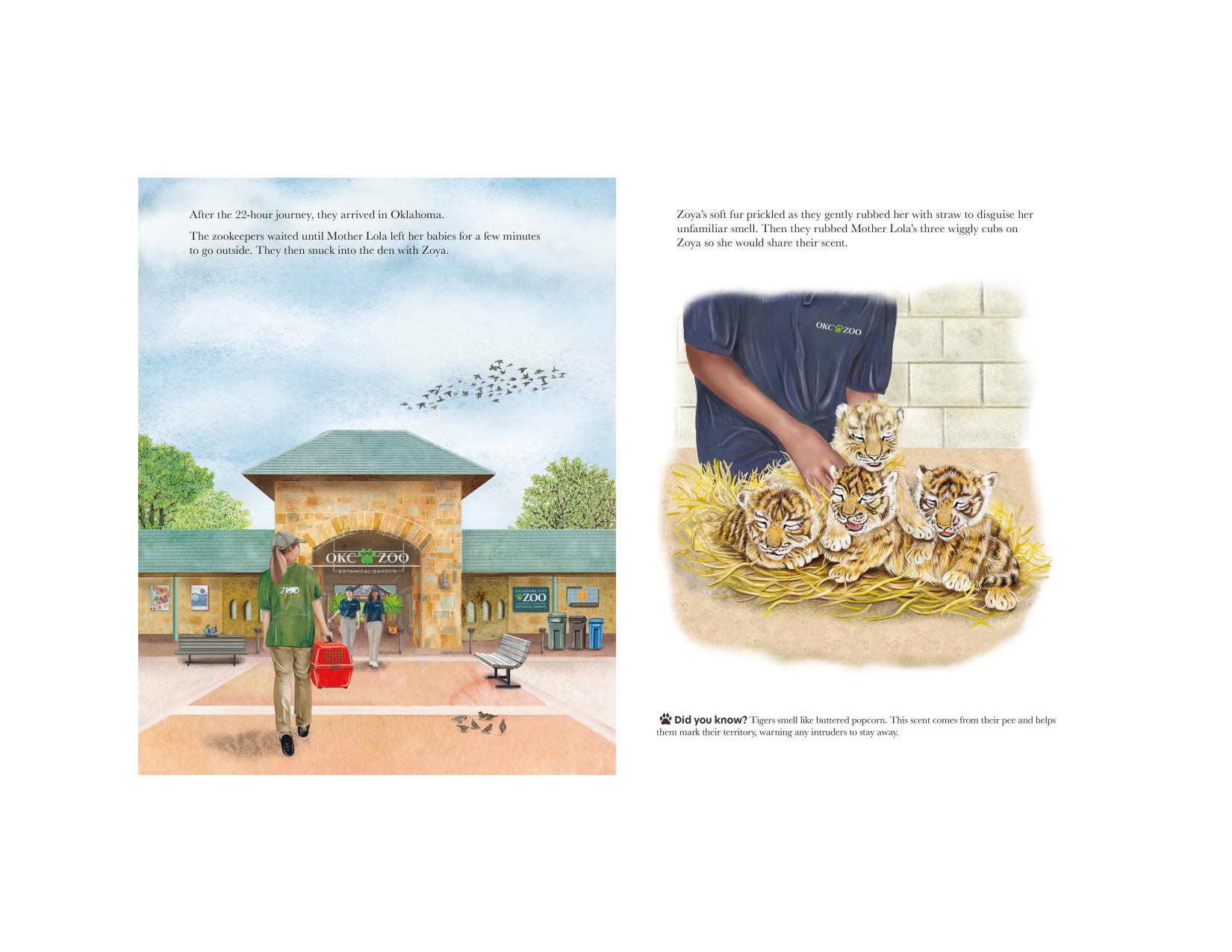
I was at the Philadelphia Zoo several years ago when I first learned about little Zoya, the only survivor from a litter of five critically endangered Amur tiger cubs. Zoya was rejected by her mother, which is apparently not uncommon for first-time tiger mothers. The zookeepers knew it would be much better for Zoya to be raised by a tiger rather than by humans. So they transported her to the Oklahoma City Zoo, hoping that a Sumatran tiger who recently had her own litter there would foster her. And, in fact, Zoya became the first cub ever to be “adopted” by another tiger subspecies! That heartwarming true story—and the cute photos of Zoya and her new tiger family—made me think it would be an inspiring book for children.
Why do you feel it’s important for children to learn about animals, nature, and conservation?
DW: Even as a little kid growing up near the Appalachian Trail, I knew I wanted to be involved in protecting nature. I went on to become a land conservation lawyer, working to protect farms and creating trails and parks. But kids today are exposed to too much information about how we humans have messed up the environment. At a certain point, they may start feeling that nothing they can do will help or make a difference—which is absolutely untrue! I want to write stories that are entertaining but also show children how caring people can make a real difference for our planet. Zoya’s story highlights the incredible dedication of scientists and animal care specialists in three different zoos across the country. By saving this genetically rare tiger cub—who went on to have two healthy litters of her own—these caring folks kept alive fresh genes that one day could help make wild tigers healthier.
The ingenious way the publisher structured the book makes the story multi-layered: the main text focuses on Zoya’s fight for acceptance and love; the sidebars and back matter explain more about Amur tigers, genetic diversity, and efforts to protect wild tigers via the Tiger Conservation Campaign. So the book can appeal to a wide age range. I’ve even had adults tell me they learned a lot about tiger conservation by reading the story.
You’re also a songwriter! Do you write songs for children or for adults? And what inspires your lyrics?
DW: For a long time, my creativity expressed itself via songwriting. I’d be driving or walking and a song hook or partial song lyrics would pop into my head. Sometimes I had to pull my car over to jot ideas down before they floated away! I was thrilled to win quite a few national honors and awards for songwriting. Unfortunately, my singing and guitar playing is mediocre at best, so I’m not a performing artist.
A few years ago, for some reason, ideas for children’s books started “coming through,” too. I’ve amassed dozens of decent ideas I keep in a file folder, but there’s simply not enough time to write or polish even a fraction of them!
Please tell us about One Little Earth, the nonprofit you founded.
DW: I started and ran a successful environmental film festival in Philadelphia for a number of years until Covid shut us down. We pivoted and turned into a nonprofit that supports nature access and nature literacy for underserved kids. We’ve sent underprivileged kids to nature summer camp, donated hundreds of environmentally-themed books to Title 1 schools and after-school programs, subsidized outdoor field trips and camps, and brought in authors and illustrators to talk to kids about the creative process. You can learn more at www.OneLittleEarth.org.
Can you share a bit about your next book?
DW: My next book—a humorous story about the food chain—will be published by Science Naturally in late 2026.
Debra Wolf is a land conservation attorney (under her married name, Debra Wolf Goldstein), author, an award-winning songwriter, and a tree hugger. She served as vice president of Philadelphia’s Fairmount Park Commission for a dozen years, and co-founded the Philadelphia Environmental Film Festival. She directs One Little Earth, a nonprofit supporting outdoor programs, films, and books to inspire young nature lovers. Debra is the proud recipient of PennFuture’s “Woman of Lifetime Achievement in Conservation” award. The mother of two grown children, Debra lives in the Philadelphia area with her husband and spunky cockapoo.
Publisher/Year: Eerdmans BYR/2025 (originally published in Columbia in 2020)
Format: Hardcover, eBook
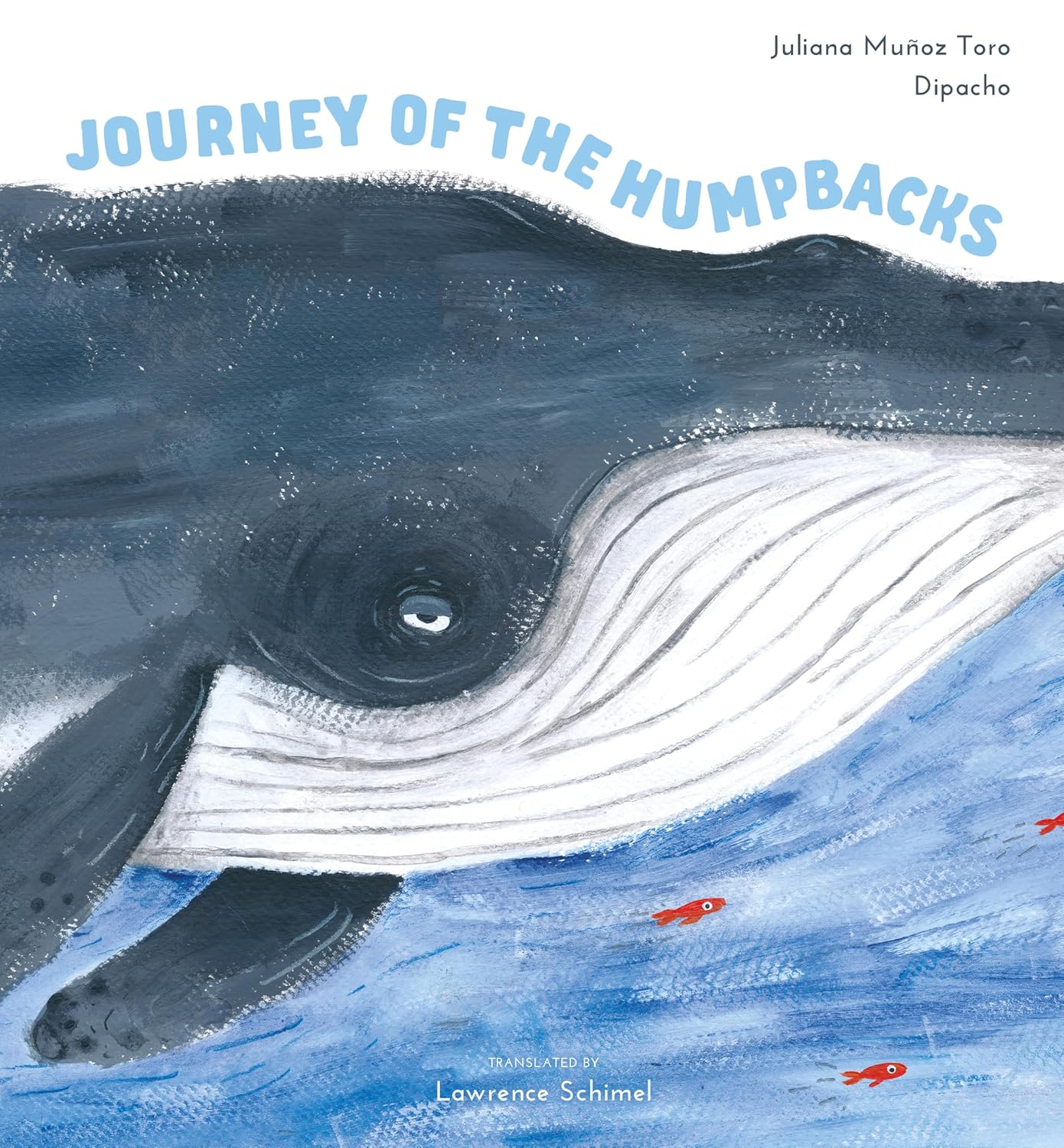
Journey of the Humpbacks is a nonfiction picture book overflowing with fascinating facts about the amazing humpback whale. Intriguing infographics and colorful mixed media illustrations, combined with blocks of accessibly written text, dance across the pages like whales bobbing, leaping, and twirling through the ocean.This inviting book earned a Star from Kirkus Reviews.
Younger children will likely delight in the pictures of whales, penguins, people, boats, and forests, while older kids and adults will appreciate learning all about humpbacks. Readers will discover when and where they migrate, what they look like compared to other whales, what they eat, how they communicate, how much a newborn calf weighs, and so much more.
One of my favorite facts is that humpbacks have the longest pectoral fins (the fins located on each side) of any type of whale. These fins can measure up to almost 20 feet long and are often compared to wings.
Part of Eerdmans Books for Young Readers’ Spectacular STEAM for Curious Readers series, Journey of the Humpbacks is a great choice for anyone who loves whales!
Humpback whales are known for their unique vocalizations, but it’s only the adult males who “sing” to communicate, and they do this by causing air to vibrate inside their bodies. In contrast, females and their calves communicate using low frequency “whispers”.
October 16th is Global Cat Day, a day that acknowledges that all cats, including stray and feral cats, deserve to be treated humanely. To celebrate the occasion, I’m reviewing a picture book about a little stray kitten.
With starred reviews from both Kirkus and Publishers Weekly, Late Today by Jungyoon Huh is already drawing attention. It was originally published in South Korea but has been republished this year here in the US by Eerdmans Books for Young Readers.
In Late Today, a terrified and confused kitten dashes between honking cars and trucks and buses, determined to make it to safety. Though lots of people see the kitten, everyone’s in a rush, and no one stops to help, until…a boy and his mother, fearful for the little cat’s safety, finally does.
Deceptively simple text is accompanied by dynamic art by Myungae Lee, whose colored pencil and oil pastel illustrations depict people of all ages, bumper-to-bumper traffic across a multi-laned bridge, a cityscape background, and a tiny lost kitten on a gray, rainy morning. Shocks of vivid color are scattered between dark skies, black tires, and lines of blue-hued pouring rain.
A heartbreaking story, filled with danger, becomes a heartwarming story by the end, much to the relief, no doubt, of any reader, young or old. It’s a not-so-subtle reminder to slow down, to consider what’s truly important, and to find compassion in our hearts for others, including animals.
Depending on which cat association you check with, there are between 40 and 75 domesticated cat breeds in the world. The Cat Fanciers Association recognizes just over 40 breeds, while the International Cat Association recognizes over 70 breeds.
Summary: In this lyrical picture book illustrated by a two-time Caldecott Medalist, share in a blind child’s joyful experience of the changing seasons.
Where I live, seasons change. I know because my fingers and toes, my ears, my mouth and nose, all tell me so.
Neveah is blind, but that doesn’t mean she can’t enjoy each of the four wondrous seasons of the year.
She knows it’s winter when her boots go scruuunch in the snow and cold flakes land softly on her tongue.
She knows spring has come by the smell of hyacinths, the bzzzz of a bee in her ear.
Summer is a trip to the beach, where she can hear the crash of ocean waves and the keowww of seagulls overhead.
And when Neveah’s rake goes scritch scratch over fallen leaves and the air turns brisk, she knows it’s autumn. Soon the cycle of seasons will begin anew.
Join Neveah as she uses her senses of touch, taste, hearing, and smell to vividly describe the changing seasons and the unique delights they each have to offer.
Do you have a children’s picture book coming out soon? I’d love to wish it a Happy Book Birthday here on Frog on a Blog! For more information, CLICK HERE.
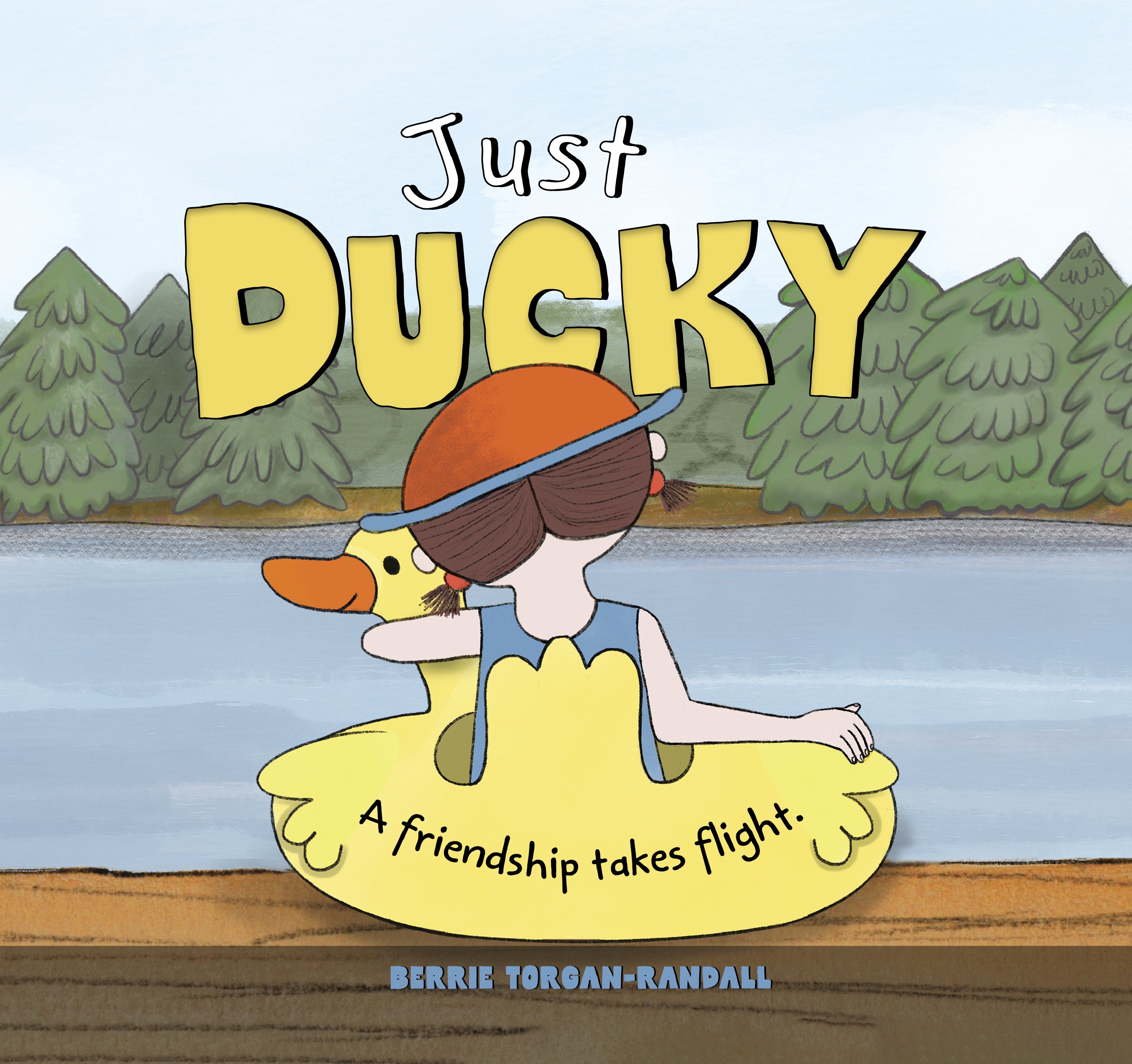
Summary: Margaret “aka Ducky” loves ducks and knows everything there is to know about them. However, she soon realizes that not everyone shares her same passions when she’s at a day camp with some other students and things go “fowl”. Through a struggle to make a friend, Ducky discovers the value of listening, promoting kindness and understanding without sacrificing her own interests!
Do you have a children’s picture book coming out soon? I’d love to wish it a Happy Book Birthday here on Frog on a Blog! For more information, CLICK HERE.
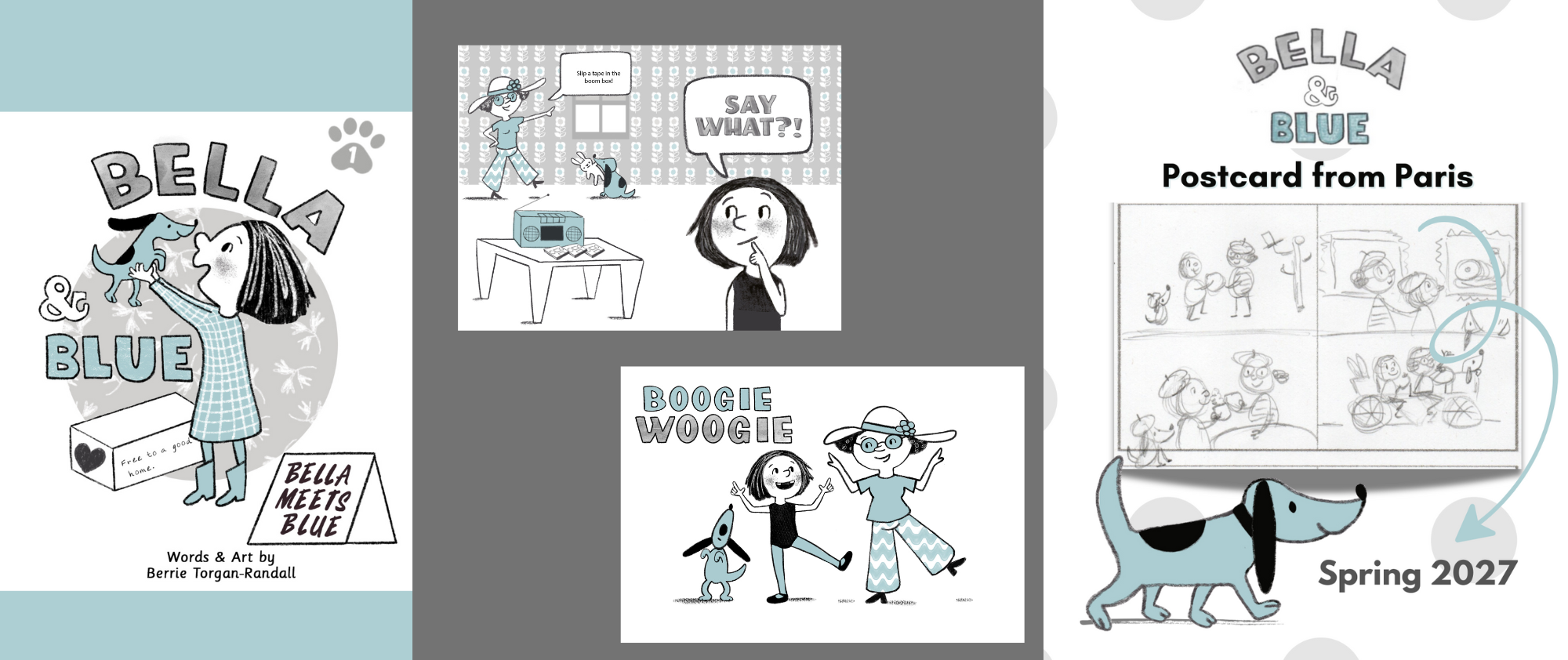
Please welcome children’s book author/illustrator Berrie Torgan-Randall to Frog on a Blog! You may be familiar with the first book in her Bella & Blueearly reader graphic novel series, Bella & Blue: Bella Meets Blue, which came out a few years ago by The Little Press. And, if you’re a fan, you’ll be thrilled to know that the second book in the series is due out in 2027. (Plus, you can win a copy of Bella & Blue: Bella Meets Blue by leaving a comment on this post!)
But today we’re celebrating Berrie’s debut picture book Just Ducky: A Friendship Takes Flight, which officially publishes on October 1, 2025, by Cardinal Rule Press. Berrie stopped by to talk a bit about the ups and downs of her publication journey as an unagented author/illustrator. If you’re a children’s book creative currently in query mode, this post is for you! Let’s hear from Berrie!
Flying Solo as an Unaccompanied Author/Illustrator
by Berrie Torgan-Randall
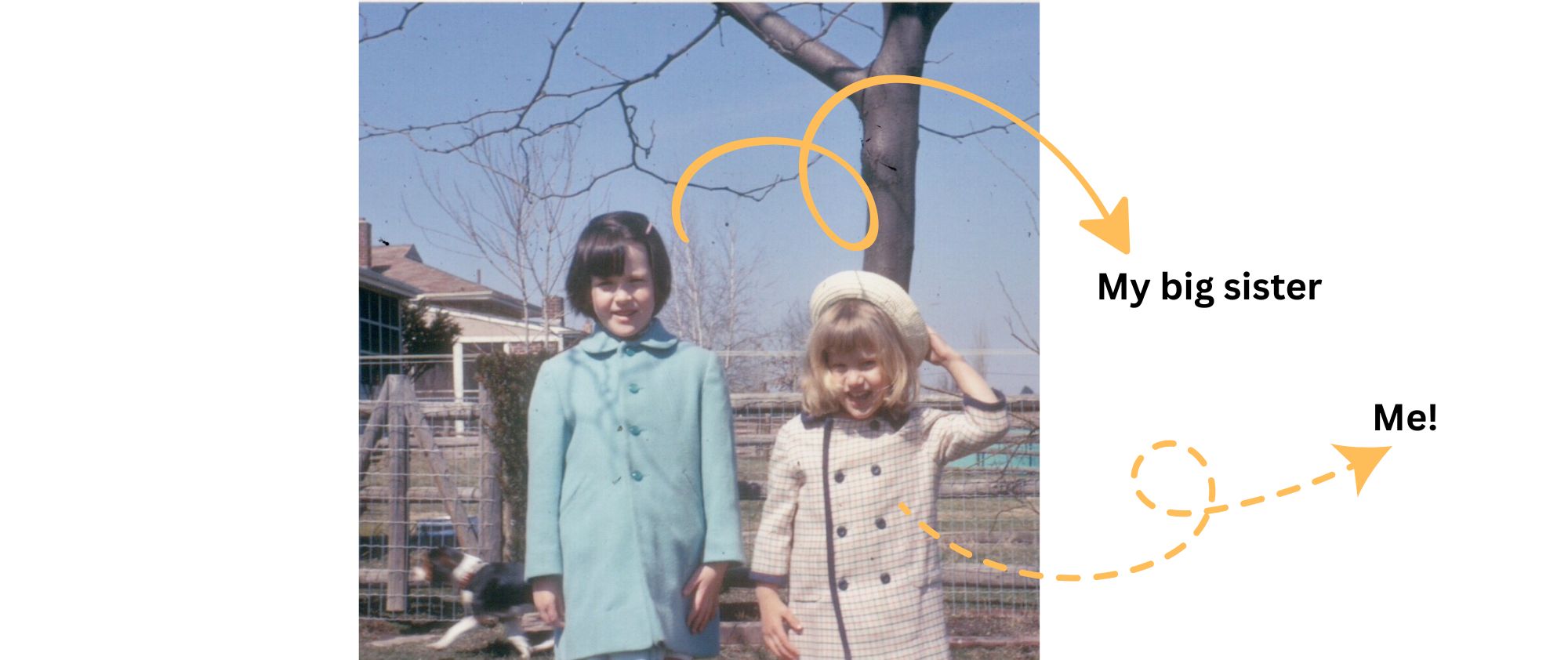
I have a big sister who is two years older than I am, and, since I wasn’t much of a talker, she declared that she would be my spokesperson for a good part of my childhood. To give you another glimpse into my childhood and personality, in elementary school, I preferred to stand in the shadows (a hard thing to do as a tall kid). The school subject where I did shine, however, was in the art room. I loved everything about art class—the burlap and glue collages, the linoleum prints, and the smell of the tempera paint. In pursuit of this passion, I went to art school where I took all sorts of fine arts classes.
After graduating from art school, I ended up working in a couple jobs that weren’t very creatively gratifying. I reconsidered my career options and remembered the joy of my time spent in the library. My mother is a librarian, and my sisters and I spent many hours exploring the children’s section of our local library. My mother moved a lot after my parents divorced. Fortunately, as a librarian, she was able to find a job wherever she moved to. Seeking job stability, I went to grad school to become an elementary school librarian. Being a librarian is my bread and butter, a profession that I love. However, my true passion is illustrating and writing children’s books. After my youngest child went to middle school, I had the opportunity to work on making my passion a reality.
In order to learn about the craft of writing and illustrating books for children, I joined and volunteered for SCBWI and attended numerous conferences, which started my long journey to publication. Along the way, I learned about the “three Ps” (Passion, Perseverance, and Patience).
I already had the passion part down with daily drawing and had heard from others that I would be more marketable if I was also an author. I wrote stories about my childhood, as well as memories based on my children’s trials and tribulations and the silly antics I remembered about students when I worked as a librarian.
Every time I attended a conference, I asked to meet with an agent. For the most part, the agents that I met were helpful, offering constructive criticisms about my portfolio and dummy books. In the years spent pursuing my dream, only one agent expressed interest in seeing more of my work. When I reached out to her after the conference, I heard crickets chirping (in other words silence on her end). Every time one of my author or illustrator friends found an agent, I had to tamp down my inner green-eyed monster and politely say congrats. I had heard that finding the right agent is a combination of timing and luck. I realized my early lack of success didn’t mean that I would never be picked up by an agent or that I should stop picking four leaf clovers; it just meant that I needed to keep trying. I had to remember the other two P’s: perseverance and patience.
I have had success flying solo without an agent with hard work and determination (passion). Every week, I make myself participate in a self-imposed ritual of “Marketing Monday” where I spend at least one morning researching agents, editors, and publishers and send submissions of my dummy books and portfolio samples. While researching publishers a few years ago, I came across a publisher who promotes creatives from New Jersey. The majority of my childhood was spent in a small New Jersey town across the river from Philadelphia. I thought I would give it a shot and write a query letter with a link to my portfolio. A couple months later, an email came, a phone call, and then a contract!
Another success story happened after I submitted the manuscript for my book Just Ducky during Cardinal Rule Press’s yearly open submission window. While meeting with a dear friend who helps me with my writing and editing, I got an email from Adam Blackman at CRP who let me know that my submission had been chosen out of over 1000 entries! As an extra bonus, I am CRP’s first ever author/illustrator. These small but mighty presses opened up doors for me, and I proudly became a published author.
My first-born daughter, who recently moved away from her nest of friends in Brooklyn to Sweden to attend grad school, wrote a weekly blog and included a quotation that says, “Do It Scared. Do It Weird. Do It Alone.” I relate to this quotation because it describes my journey to becoming a published author/illustrator. When I go into an interview with an agent, I go with hope (mixed with fear) in my heart that this agent will be the one who will offer me a contract. When this opportunity doesn’t happen I cry, get angry, and sulkingly remember it takes patience, perseverance, timing, and luck to find the right agent.
I have learned through experience that it’s best to go into a review with the right attitude. I choose to listen carefully, take everything in, absorb the suggestions as well as the criticisms, and then begin the process of making changes–it’s a marathon not a sprint. As the quotation literally suggests, it’s okay to be scared. I choose not to be intimidated by others (even the professionals I meet, the illustrators with stunning portfolios, and the authors who win prizes).
It’s also okay to be weird. Creative people are often considered weird. They don’t fit into a mold, and doing it weird is a sign of originality.
Finally, doing it alone isn’t the same as failing. Just keep speaking up for yourself, listening to what others have to say about your work, absorbing the feedback, and expressing what you want to express. There are no guarantees, but if you are following your passion, you are doing what you are meant to do–writing and/or illustrating books for children.
“Do It Scared. Do It Weird. Do It Alone.” Love this quote! Thanks, Berrie, for sharing your publication journey. I think we’ve all learned that with passion, perseverance, and patience, we can find success as children’s book authors and illustrators!
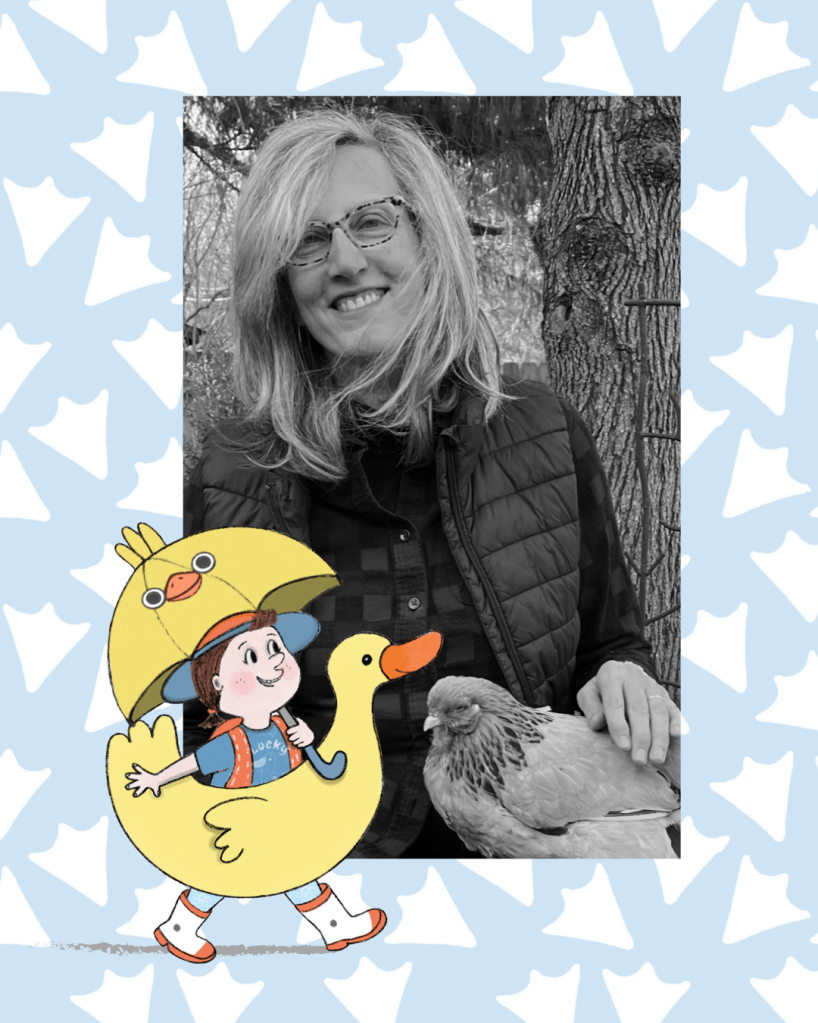
Berrie Torgan-Randall is an author/illustrator working from her home studio in Media, PA. Berrie’s illustrations have appeared in Ladybug Magazine, and her debut early reader graphic novel, Bella & Blue: Bella Meets Blue, was published by The Little Press Publishing in 2022. The second book in the Bella & Blue series is to launch in Spring 2027 titled Bella & Blue: Postcard from Paris. In addition, Berrie’s debut picture book Just Ducky: A Friendship Takes Flight is set to soar in October 2025, published by Cardinal Rule Press. Berrie is Cardinal Rule Press’s first author/illustrator.
Learn more about Berrie and her books by visiting:
Berrie Torgan-Randall is generously offering a copy of her book Bella & Blue: Bella Meets Blue to one lucky winner. Just leave a comment on this post by October 7th. I’ll choose a winner at random and connect them with Berrie. This giveaway is open to US residents only. Good luck!