Lauri Fortinohttp://frogonablog.netPicture Book Lover. Blogger. Library/Literacy Supporter. 2022 Kate Dopirak Craft & Community Award recipient. Author of The Peddler's Bed. FrogOnABlog.net.
I love this special novelty book by my kidlit friend, Kathy Bostrom! See What God Made! is a sweetly illustrated lift-the-flap board book with fun rhyming text that introduces little ones to the creation story. Readers follow God’s work from the first day, when He created light, to the seventh day, when He rested, just as the biblical Book of Genesis tells us.
Through bright, colorful pictures, charming text, and surprises underneath each flap, kids learn that on Day Three, He made all the plants, flowers, and trees. On Day Five, He made the fish, animals of the sea, and the birds. And on Day Six, He made the animals of the land, and, of course, people.My favorite verse is–
(Day Four)
The universe kept taking shape.
Each day was so much fun!
God spread the sky with sparkling lights:
the stars, the moon, the sun.
Dozens of cute animals–a dolphin, a parrot, and a gorilla, to name just a few–are depicted in the book, running, leaping, flying, and sleeping, accompanied by many diverse, happy kids, playing and exploring the beautiful world God created. With over forty flaps to peep under, there’s no shortage of amazing things to discover.
See What God Made! is the perfect first introduction to the creation of the worldand would make a fantastic baptism gift too!
Amazon river dolphins are pink! But they’re not born pink; they’re born gray and turn pink as they mature. Males tend to become pinker than females.
I’m pleased to introduce the third book in the Hello! series of board books by author Katherine Pryor and artist Rose Soino, Hello, Beach! This simply sweet, adorably illustrated book for the littlest book lovers follows Hello, Garden! and Hello, Rain! and precedes the fourth book Hello, Snow!, which is a 2025 Mom’s Choice Award Gold Winner. All four books from Schiffer Kids publishing, which are available now, feature the same fun-loving diverse family enjoying time together through the seasons in the great outdoors.I previously reviewed Hello, Rain! here on Frog on a Blog, and you can read that review HERE.
It’s currently 19 degrees F here in snow-covered upstate NY, the perfect time to showcase a book that is sure to bring the warmth of summer into your home. In Hello, Beach!, readers follow the family from heading to the water, discovering clams, launching a boat, watching the tide retreat, and finally saying a sleepy good night to the beach while the sun sets over the water.
Hello, Beach! offers a gentle rhyme scheme, the same as the other books in the series, along with the illustrator’s cute watercolor pictures, which depict lots of beachy fun, such as splashing toes, circling seagulls, sandcastles, scuttling crabs, and more. There are plenty of animal and nature scenes for parents to point out and for kids to admire.
All four together make a perfect set of “seasons-themed” board books.
Starfish (or sea stars) are not actually fish at all; they’re invertebrates, which means they have no backbone. These fascinating creatures can regenerate (regrow) missing or damaged limbs!
Seasons Greetings! Christmas is almost here, and I have the perfect picture book to celebrate the joyous season. The Birds of Christmas, written by Olivia Armstrong, with charming graphite pencil and digital illustrations by Mira Miroslavova, is a beautiful Nativity story based on a European folktale that tells how the robin came to have a red breast.
As Raven flies home late one night, a bright star suddenly appears in the sky above Bethlehem. A heavenly voice urges Raven to go and tell the other birds that a special child has been born, the Prince of Peace. He darts away to proclaim the good news to Wren, Nightingale, and Rooster. Then Rooster crows with all his might, calling all the other birds, who come swooping from all directions towards the brilliant star, which rests above a modest stable. Every bird brings a gift for the newborn, such as the pillow Stork made from her own feathers. But one little bird, Robin, has nothing to offer, until a gust of wind, a dwindling fire, and a shivering baby provide her with the perfect opportunity to give (and receive) the gift of compassion.
The Birds of Christmas is both energetic and delightful. The action-filled text moves the story along at an enjoyable pace, while the detailed illustrations invite young readers to pause for just a moment before turning the page. Overall, it’s a sweet book, sure to be a holiday favorite.
Merry Christmas, everyone! And may 2026 bring peace and prosperity to you and your families.
Ornithologists estimate there are between 10,000 to 20,000 different species of birds in the world with new species being discovered almost every year.
December is National Cat Lovers Month. One way to mark the occasion is by reading picture books about cats! The Whisker City Air Race is the fourth book in the exciting aerial adventure series Miso and Kili’s Flying Adventures. Miso and Kili are adorable little cats who love to fly their shiny Red Rider plane all over the world.
In The Whisker City Air Race, they’re taking part, along with their feline friends, in a high-flying annual race from Whisker City over the Catfish Ocean to the Golden Paw Desert and, continuing from there, past the Panther’s Tail Jungle through the Yarn Ball Rolling Hills and back to Whisker City.Along the way, they’ll contend with some Alley Cat antics, a dangerous thunderstorm, and a detour to the finish line.
Author J.M. Chrismer has created an action-packed story that kids will surely enjoy. Though the book is a tad text heavy, there’re plenty of thrills to keep the story moving and the young reader turning the pages. Kids will especially love artist Ilya Fortuna’s bright, engaging illustrations featuring six different delightful airplanes, lots of cute and cuddly cats, and more. This is a fun read that will leave you wondering where Miso and Kili will fly off to next!
The United States has more domestic cats than any other country, over 70 million. The top three countries with the most pet cats, in descending order, are the United States, China, and Russia.
Please welcome children’s book author and land conservation attorney Debra Kim Wolf to Frog on a Blog. Debra’s nonfiction picture book A Family for Zoya: The True Story of an Endangered Cub published this past summer by Platypus Media and features lovely realistic and detailed illustrations by twin sister nature and science artists Annalisa and Marina Durante.
I love that Debra chose to write about an endangered Amur tiger cub at the Philadelphia Zoo. My local zoo has Amur tigers (a favorite of my twin sister!) as well, and a male and a female cub were born there just last year. Let’s hear more from Debra about her special book and her passion for conservation and nature!
(All text and art from the book are the property of the author and illustrators.)
Congratulations on the publication of your beautiful debut nonfiction picture book A Family for Zoya: The True Story of an Endangered Cub! What inspired you to write this heartwarming story?
DW: I appreciate the chance to share my story with your readers, Lauri.
I was at the Philadelphia Zoo several years ago when I first learned about little Zoya, the only survivor from a litter of five critically endangered Amur tiger cubs. Zoya was rejected by her mother, which is apparently not uncommon for first-time tiger mothers. The zookeepers knew it would be much better for Zoya to be raised by a tiger rather than by humans. So they transported her to the Oklahoma City Zoo, hoping that a Sumatran tiger who recently had her own litter there would foster her. And, in fact, Zoya became the first cub ever to be “adopted” by another tiger subspecies! That heartwarming true story—and the cute photos of Zoya and her new tiger family—made me think it would be an inspiring book for children.
Why do you feel it’s important for children to learn about animals, nature, and conservation?
DW: Even as a little kid growing up near the Appalachian Trail, I knew I wanted to be involved in protecting nature. I went on to become a land conservation lawyer, working to protect farms and creating trails and parks. But kids today are exposed to too much information about how we humans have messed up the environment. At a certain point, they may start feeling that nothing they can do will help or make a difference—which is absolutely untrue! I want to write stories that are entertaining but also show children how caring people can make a real difference for our planet. Zoya’s story highlights the incredible dedication of scientists and animal care specialists in three different zoos across the country. By saving this genetically rare tiger cub—who went on to have two healthy litters of her own—these caring folks kept alive fresh genes that one day could help make wild tigers healthier.
The ingenious way the publisher structured the book makes the story multi-layered: the main text focuses on Zoya’s fight for acceptance and love; the sidebars and back matter explain more about Amur tigers, genetic diversity, and efforts to protect wild tigers via the Tiger Conservation Campaign. So the book can appeal to a wide age range. I’ve even had adults tell me they learned a lot about tiger conservation by reading the story.
You’re also a songwriter! Do you write songs for children or for adults? And what inspires your lyrics?
DW: For a long time, my creativity expressed itself via songwriting. I’d be driving or walking and a song hook or partial song lyrics would pop into my head. Sometimes I had to pull my car over to jot ideas down before they floated away! I was thrilled to win quite a few national honors and awards for songwriting. Unfortunately, my singing and guitar playing is mediocre at best, so I’m not a performing artist.
A few years ago, for some reason, ideas for children’s books started “coming through,” too. I’ve amassed dozens of decent ideas I keep in a file folder, but there’s simply not enough time to write or polish even a fraction of them!
Please tell us about One Little Earth, the nonprofit you founded.
DW: I started and ran a successful environmental film festival in Philadelphia for a number of years until Covid shut us down. We pivoted and turned into a nonprofit that supports nature access and nature literacy for underserved kids. We’ve sent underprivileged kids to nature summer camp, donated hundreds of environmentally-themed books to Title 1 schools and after-school programs, subsidized outdoor field trips and camps, and brought in authors and illustrators to talk to kids about the creative process. You can learn more at www.OneLittleEarth.org.
Can you share a bit about your next book?
DW: My next book—a humorous story about the food chain—will be published by Science Naturally in late 2026.
Debra Wolf is a land conservation attorney (under her married name, Debra Wolf Goldstein), author, an award-winning songwriter, and a tree hugger. She served as vice president of Philadelphia’s Fairmount Park Commission for a dozen years, and co-founded the Philadelphia Environmental Film Festival. She directs One Little Earth, a nonprofit supporting outdoor programs, films, and books to inspire young nature lovers. Debra is the proud recipient of PennFuture’s “Woman of Lifetime Achievement in Conservation” award. The mother of two grown children, Debra lives in the Philadelphia area with her husband and spunky cockapoo.
Publisher/Year: Eerdmans BYR/2025 (originally published in Columbia in 2020)
Format: Hardcover, eBook
Journey of the Humpbacks is a nonfiction picture book overflowing with fascinating facts about the amazing humpback whale. Intriguing infographics and colorful mixed media illustrations, combined with blocks of accessibly written text, dance across the pages like whales bobbing, leaping, and twirling through the ocean.This inviting book earned a Star from Kirkus Reviews.
Younger children will likely delight in the pictures of whales, penguins, people, boats, and forests, while older kids and adults will appreciate learning all about humpbacks. Readers will discover when and where they migrate, what they look like compared to other whales, what they eat, how they communicate, how much a newborn calf weighs, and so much more.
One of my favorite facts is that humpbacks have the longest pectoral fins (the fins located on each side) of any type of whale. These fins can measure up to almost 20 feet long and are often compared to wings.
Part of Eerdmans Books for Young Readers’ Spectacular STEAM for Curious Readers series, Journey of the Humpbacks is a great choice for anyone who loves whales!
Humpback whales are known for their unique vocalizations, but it’s only the adult males who “sing” to communicate, and they do this by causing air to vibrate inside their bodies. In contrast, females and their calves communicate using low frequency “whispers”.
October 16th is Global Cat Day, a day that acknowledges that all cats, including stray and feral cats, deserve to be treated humanely. To celebrate the occasion, I’m reviewing a picture book about a little stray kitten.
With starred reviews from both Kirkus and Publishers Weekly, Late Today by Jungyoon Huh is already drawing attention. It was originally published in South Korea but has been republished this year here in the US by Eerdmans Books for Young Readers.
In Late Today, a terrified and confused kitten dashes between honking cars and trucks and buses, determined to make it to safety. Though lots of people see the kitten, everyone’s in a rush, and no one stops to help, until…a boy and his mother, fearful for the little cat’s safety, finally does.
Deceptively simple text is accompanied by dynamic art by Myungae Lee, whose colored pencil and oil pastel illustrations depict people of all ages, bumper-to-bumper traffic across a multi-laned bridge, a cityscape background, and a tiny lost kitten on a gray, rainy morning. Shocks of vivid color are scattered between dark skies, black tires, and lines of blue-hued pouring rain.
A heartbreaking story, filled with danger, becomes a heartwarming story by the end, much to the relief, no doubt, of any reader, young or old. It’s a not-so-subtle reminder to slow down, to consider what’s truly important, and to find compassion in our hearts for others, including animals.
Depending on which cat association you check with, there are between 40 and 75 domesticated cat breeds in the world. The Cat Fanciers Association recognizes just over 40 breeds, while the International Cat Association recognizes over 70 breeds.
Summary: In this lyrical picture book illustrated by a two-time Caldecott Medalist, share in a blind child’s joyful experience of the changing seasons.
Where I live, seasons change. I know because my fingers and toes, my ears, my mouth and nose, all tell me so.
Neveah is blind, but that doesn’t mean she can’t enjoy each of the four wondrous seasons of the year.
She knows it’s winter when her boots go scruuunch in the snow and cold flakes land softly on her tongue.
She knows spring has come by the smell of hyacinths, the bzzzz of a bee in her ear.
Summer is a trip to the beach, where she can hear the crash of ocean waves and the keowww of seagulls overhead.
And when Neveah’s rake goes scritch scratch over fallen leaves and the air turns brisk, she knows it’s autumn. Soon the cycle of seasons will begin anew.
Join Neveah as she uses her senses of touch, taste, hearing, and smell to vividly describe the changing seasons and the unique delights they each have to offer.
Do you have a children’s picture book coming out soon? I’d love to wish it a Happy Book Birthday here on Frog on a Blog! For more information, CLICK HERE.
Summary: Margaret “aka Ducky” loves ducks and knows everything there is to know about them. However, she soon realizes that not everyone shares her same passions when she’s at a day camp with some other students and things go “fowl”. Through a struggle to make a friend, Ducky discovers the value of listening, promoting kindness and understanding without sacrificing her own interests!
Do you have a children’s picture book coming out soon? I’d love to wish it a Happy Book Birthday here on Frog on a Blog! For more information, CLICK HERE.
Please welcome children’s book author/illustrator Berrie Torgan-Randall to Frog on a Blog! You may be familiar with the first book in her Bella & Blueearly reader graphic novel series, Bella & Blue: Bella Meets Blue, which came out a few years ago by The Little Press. And, if you’re a fan, you’ll be thrilled to know that the second book in the series is due out in 2027. (Plus, you can win a copy of Bella & Blue: Bella Meets Blue by leaving a comment on this post!)
But today we’re celebrating Berrie’s debut picture book Just Ducky: A Friendship Takes Flight, which officially publishes on October 1, 2025, by Cardinal Rule Press. Berrie stopped by to talk a bit about the ups and downs of her publication journey as an unagented author/illustrator. If you’re a children’s book creative currently in query mode, this post is for you! Let’s hear from Berrie!
Flying Solo as an Unaccompanied Author/Illustrator
by Berrie Torgan-Randall
I have a big sister who is two years older than I am, and, since I wasn’t much of a talker, she declared that she would be my spokesperson for a good part of my childhood. To give you another glimpse into my childhood and personality, in elementary school, I preferred to stand in the shadows (a hard thing to do as a tall kid). The school subject where I did shine, however, was in the art room. I loved everything about art class—the burlap and glue collages, the linoleum prints, and the smell of the tempera paint. In pursuit of this passion, I went to art school where I took all sorts of fine arts classes.
After graduating from art school, I ended up working in a couple jobs that weren’t very creatively gratifying. I reconsidered my career options and remembered the joy of my time spent in the library. My mother is a librarian, and my sisters and I spent many hours exploring the children’s section of our local library. My mother moved a lot after my parents divorced. Fortunately, as a librarian, she was able to find a job wherever she moved to. Seeking job stability, I went to grad school to become an elementary school librarian. Being a librarian is my bread and butter, a profession that I love. However, my true passion is illustrating and writing children’s books. After my youngest child went to middle school, I had the opportunity to work on making my passion a reality.
In order to learn about the craft of writing and illustrating books for children, I joined and volunteered for SCBWI and attended numerous conferences, which started my long journey to publication. Along the way, I learned about the “three Ps” (Passion, Perseverance, and Patience).
I already had the passion part down with daily drawing and had heard from others that I would be more marketable if I was also an author. I wrote stories about my childhood, as well as memories based on my children’s trials and tribulations and the silly antics I remembered about students when I worked as a librarian.
Every time I attended a conference, I asked to meet with an agent. For the most part, the agents that I met were helpful, offering constructive criticisms about my portfolio and dummy books. In the years spent pursuing my dream, only one agent expressed interest in seeing more of my work. When I reached out to her after the conference, I heard crickets chirping (in other words silence on her end). Every time one of my author or illustrator friends found an agent, I had to tamp down my inner green-eyed monster and politely say congrats. I had heard that finding the right agent is a combination of timing and luck. I realized my early lack of success didn’t mean that I would never be picked up by an agent or that I should stop picking four leaf clovers; it just meant that I needed to keep trying. I had to remember the other two P’s: perseverance and patience.
I have had success flying solo without an agent with hard work and determination (passion). Every week, I make myself participate in a self-imposed ritual of “Marketing Monday” where I spend at least one morning researching agents, editors, and publishers and send submissions of my dummy books and portfolio samples. While researching publishers a few years ago, I came across a publisher who promotes creatives from New Jersey. The majority of my childhood was spent in a small New Jersey town across the river from Philadelphia. I thought I would give it a shot and write a query letter with a link to my portfolio. A couple months later, an email came, a phone call, and then a contract!
Another success story happened after I submitted the manuscript for my book Just Ducky during Cardinal Rule Press’s yearly open submission window. While meeting with a dear friend who helps me with my writing and editing, I got an email from Adam Blackman at CRP who let me know that my submission had been chosen out of over 1000 entries! As an extra bonus, I am CRP’s first ever author/illustrator. These small but mighty presses opened up doors for me, and I proudly became a published author.
My first-born daughter, who recently moved away from her nest of friends in Brooklyn to Sweden to attend grad school, wrote a weekly blog and included a quotation that says, “Do It Scared. Do It Weird. Do It Alone.” I relate to this quotation because it describes my journey to becoming a published author/illustrator. When I go into an interview with an agent, I go with hope (mixed with fear) in my heart that this agent will be the one who will offer me a contract. When this opportunity doesn’t happen I cry, get angry, and sulkingly remember it takes patience, perseverance, timing, and luck to find the right agent.
I have learned through experience that it’s best to go into a review with the right attitude. I choose to listen carefully, take everything in, absorb the suggestions as well as the criticisms, and then begin the process of making changes–it’s a marathon not a sprint. As the quotation literally suggests, it’s okay to be scared. I choose not to be intimidated by others (even the professionals I meet, the illustrators with stunning portfolios, and the authors who win prizes).
It’s also okay to be weird. Creative people are often considered weird. They don’t fit into a mold, and doing it weird is a sign of originality.
Finally, doing it alone isn’t the same as failing. Just keep speaking up for yourself, listening to what others have to say about your work, absorbing the feedback, and expressing what you want to express. There are no guarantees, but if you are following your passion, you are doing what you are meant to do–writing and/or illustrating books for children.
“Do It Scared. Do It Weird. Do It Alone.” Love this quote! Thanks, Berrie, for sharing your publication journey. I think we’ve all learned that with passion, perseverance, and patience, we can find success as children’s book authors and illustrators!
Berrie Torgan-Randall is an author/illustrator working from her home studio in Media, PA. Berrie’s illustrations have appeared in Ladybug Magazine, and her debut early reader graphic novel, Bella & Blue: Bella Meets Blue, was published by The Little Press Publishing in 2022. The second book in the Bella & Blue series is to launch in Spring 2027 titled Bella & Blue: Postcard from Paris. In addition, Berrie’s debut picture book Just Ducky: A Friendship Takes Flight is set to soar in October 2025, published by Cardinal Rule Press. Berrie is Cardinal Rule Press’s first author/illustrator.
Learn more about Berrie and her books by visiting:
Berrie Torgan-Randall is generously offering a copy of her book Bella & Blue: Bella Meets Blue to one lucky winner. Just leave a comment on this post by October 7th. I’ll choose a winner at random and connect them with Berrie. This giveaway is open to US residents only. Good luck!
I’m so excited to welcome picture book author, poet, and educator Joyce Uglow to Frog on a Blog! Joyce’s beautiful nonfiction picture book Stuck! The Story of La Brea Tar Pits published in March by Bushel & Peck Books and features gorgeous illustrations by Valerya Milovanova.
Joyce writes lyrical children’s literature about nature, science, and our planet, and her writing motto is “Be curious. Stay unwaveringly committed to seeking answers.” No doubt it’s that curiosity that led her to write about the La Brea Tar Pits, a subject that I, too, find fascinating. Let’s get right to Joyce’s incredible and thoughtful interview!Read to the end to find out how you can win either a signed copy of Stuck! The Story of La Brea Tar Pits or a picture book manuscript critique!(All text and images in this interview are copyrighted by the author or illustrator)
Congratulations on the publication of your fascinating new nonfiction picture book Stuck! The Story of La Brea Tar Pits! Tell us a bit about the book and what inspired it.
JU: Lauri, thank you so much for inviting me to Frog on a Blog to share my debut nonfiction picture book.
Stuck! The Story of La Brea Tar Pits is a lyrical origin story of the most active urban excavation site in the world. To those who’ve never been to LA, it is a surprise to find La Brea Tar Pits located in Hancock Park on Wilshire Boulevard in Los Angeles, CA. This is where asphalt still seeps to the surface from underground. It is more than a simple origin story of the animals getting stuck or pulled out as fossils, however.
Stuck! is really about staying aware, being curious, and finding ways to search for ponds without bubbles. And climate change…mega change in fact!
I was immediately sucked in and taken aback by the incredible stories that got stuck in what is called “the tar” in English (or “la brea” in Spanish). I began my research by standing and staring at the massive exhibits in the museum at La Brea. Smilodon fatalis (A.K.A. Saber-toothed cat) captivated me. I knew I wanted to tell Smilodon’s story. I read research and newspaper articles online and books about the Tar Pits. I traveled back to LA and attended a workshop for educators. Learning a great deal along the way, I introduced myself to La Brea paleoecologist. Dr. Emily Lindsey and paleobotanist, Dr. Regan Dunn. They agreed to chat with me online via Zoom. In those conversations, I shared the text and preliminary artwork to ensure the accuracy.
La Brea Tar Pits holds the best record of Ice Age ecosystems anywhere on earth. Millions of fossils, encompassing everything from mammoth tusks and tree trunks to snake jaws and beetle wings, have been found in the La Brea Tar Pits. Over the past century, these fossils have led to some of the biggest discoveries in paleontology, giving scientists insight into the biology, behavior, and ultimate demise of some of prehistory’s most charismatic players. This includes evidence about the largest extinction event since the dinosaurs disappeared.
Valerya Milovanova’s illustrations are so detailed and dynamic. What were your thoughts when you saw the completed art for the first time?
JU: Valerya Milovanova’ artwork brings soft greens and blues to the black of the asphalt seeps and browns of the unearthed fossils. The story begins by showing Harlan’s Ground Sloth meandering for a drink. The tension is noticed in the first spread as unsuspecting sloth gets stuck.
I was given the opportunity to take a look at Valerya’s art at an early stage and twice more before our book went on to its first printing. I could not stop smiling. We made a couple of changes in the art. The spread below shows the museum’s fossil lab. In early art, the two scientists were men. I asked for a change to depict Dr. Emily Lindsey and Dr. Regan Dunn. I love it!
Why are picture books, particularly nonfiction picture books about animals and nature, important for children? And do you think your background as an educator affects your writing?
JU: Science is often pulled from the news and made into picture books. I find it fun to take intriguing information and pare it down into kid-relatable narration using lyrical language. I especially love writing about bees, trees, families, cave art, parks, rocks—anything that makes me ask questions. Truthfully, I remember my own childhood questions. I must have driven my parents and teachers bonkers. 🙂
Picture books are the perfect way to enrich school curriculum, provide discussion talking points for family vacations, and enjoy the beauty of our world. As an elementary classroom teacher, I used picture books to teach writing, add to our social studies and science lessons, and to enjoy.
Yes. Almost four decades with students definitely gives me a leg up on thinking like a kid and reacting like a teacher who teaches the kids in front of me. I believe in teaching the child rather than teaching the book.
Spoiler alert… In the final spread of Stuck!, a dragonfly soars above the city of LA in search of a spot to lay her eggs. She flies on rather than getting stuck in today’s stickiness in the park. In my author visits, I like to draw attention to curiosity and the importance of asking questions. But I also talk with kids about avoiding “sticky situations”. School counselors can use picture books to get kids talking in much the same way. You know, finding a pond without bubbles.
The hooks in Stuck! include: paleontology, paleoecology, paleobotany, fossils, Ice Age animals, climate change, environment, and, in general, STEM (science, technology, engineering, math). One of the coolest things I found in my research is that fossils contain records that can provide information for the future.
For example, La Brea researchers connected human-caused fires to the largest extinction event (Ice Age) since the dinosaurs disappeared. Humans coexisted alongside Ice Age megafauna for 2,000 years. Charcoal remains were found in Tar Pits fossils in the last 300 of those years. Hmmm… the drying, the warming, the loss of plant life with subsequent loss of herbivores and then carnivores, the fires… Stuck! is a book that connects everyday with Earth Day, National Fossil Day, and the impact of humans on the environment. Whether I am speaking to kids and adults at book stores, library story times, or schools, I connect Stuck! The Story of La Brea Tar Pits to caring for our planet. I hope that someday humans will reduce the use of plastic, plant and plan for the future. We have the knowledge. By acting responsibly, we can stay clear of ponds with sticky bubbles.
You’re also a poet. Do you write poetry for children or for adults? And would you share an excerpt from one of your poems?
JU: I’ll start my answer with some literacy research cuz that’s who I am too. 🙂
Reading one to three picture books to children per day over a year’s time is proven to enhance children’s quantity and quality of emotion vocabulary exposure. Picture books provide the opportunities for emotional literacy development that is needed for children’s capacity to construct and categorize their own and others’ emotional experiences. It also facilitates learning from others, enabling children to affectively align in peer interactions. “Picture books contain vocabulary that is more emotionally intense than models of child-directed speech, and picture books typically feature narratives containing emotional situations and opportunities for emotion talk.” (Source of the information above.) Poetry goes hand in hand with writing picture books.
I write kidlit poetry and love to condense my research findings into spare text for picture books.
From mid-March to mid-April, Cindy Mackey, fellow picture book poet and I hosted a STUCK! Bumblebee Poetry and Illustration Challenge on Instagram, BlueSky, and SubStack. During the 35-day challenge, we sent out one-word prompts on Joyce’s Instagram and BlueSky and on Cindy’s Instagram and Cindy’s BlueSky. We encouraged readers to use the prompts to spark their own poetry and illustration creativity. Each word was pulled directly from the text of our lyrical picture books.
Hide and Seek in the Seeps uses a variation on the hide and seek poetry form. HERE is a link to my website where you can find all of the prompts and poetry form descriptions.
What other fascinating topics are you currently writing about?
JU: I have nonfiction picture books out on submission. I love to focus on our planet’s natural beauty and destinations where families can visit. In addition, I have a nonfiction picture book biography of an author-illustrator whose life was dedicated to art and inspiring kids to create their own art. This person is an important contributor to children’s literature. Her art had stories to tell.
She enjoyed a wonderful 37-year career in schools, beginning as a teacher for students who needed that little something special in order to be successful with literacy. She was fortunate to have worked with students who taught her a great deal about being there for them. She, in fact, taught many, many kids to read through writing. Her experiences in classrooms and resource rooms, led her to the school office where she had the pleasure of serving as principal at Lyons (a K-4 building) and Dyer School (a 4-6 grade building). Both buildings housed public school Montessori programs as well as traditional and resource programs. Along with her career path, she got actively involved on the Board of Directors and conference planning for the Wisconsin State Reading Association (WSRA). Besides serving as WSRA president, one of her favorite volunteer positions had to do with the Young Authors Festivals. When she retired from her day job as principal, she put her mind to work on writing for children. It was a natural next career for her.
To learn more about Joyce and her books, visit her online:
Folks, we have two fantastic giveaways today! Joyce is generously offering a signed copy of her fabulous book Stuck! The Story of La Brea Tar Pits to one lucky winner AND a picture book manuscript critique to another lucky winner. Just comment on this post by September 29th and mention if you’d like to be entered to win the book or the critique or either. I’ll choose two winners at random and connect them with Joyce. Good luck! (Book giveaway open to US residents only)
Welcome multi-published picture book author and kidlit friend Laura Sassi! I’m so excited to help Laura celebrate the publication of her newest book Pumpkin Day for Boo and Belle, which was just released in July by Paraclete Press, and is the sweetest rhyming friendship story with the most adorable illustrations by artist Farah Shah!
Laura has visited Frog on a Blog before, which I love, and you can see her interview and other guest post Here and Here. Today, she’s stopped by to share Six Tips for Hosting a Picture Book Tea Party as well as more about her new book. Be sure to read to the end for a chance to win a copy of Pumpkin Day for Boo and Belle! Let’s hear from Laura!(All text and images are copyrighted by the author and illustrator.)
Six Tips for Hosting a Picture Book Tea Party
Thank you for having me as your guest, Lauri. There’s something magical about tea parties and picture books. Both are opportunities to connect with others through a shared experience and to enjoy special treats—for the belly and mind! With that sentiment, and in celebration of my new picture book Pumpkin Day for Boo and Belle (Paraclete Press, 2025), which revolves around a tea party, here’s a plan for collaborating with your kids to create an experience that celebrates both— a Picture Book Tea Party!
Tip One: Together with your child(ren), select the picture book you would like to feature at your Picture Book Tea Party. Consider choosing a book that touches on a holiday, occasion, or theme that coincides with the month the party will take place or with a special interest your child has (dinosaurs, princesses, etc).
Tip Two: Read your chosen book together, brainstorming as you go, what tea party decor might pair well with the book. This is a great opportunity for an older child to practice list making, or if your children are younger, they can verbally list the ideas while you write them. Ideas might include hanging decor and table decor, including napkins, place cards, and a centerpiece. For the most home-grown feeling tea party, have the kids make as many of these as possible!
Tip Three: Again, inspired by the book, create a tea party menu. A tea party, in my opinion, should include a mix of sweet and savory treats, with fruit included, so that little ones aren’t just consuming sugar and butter. So, with your children, brainstorm what fruit or simple tea sandwich they think the characters in your chosen picture book might enjoy and include that on the menu. For the dessert-y item, consider making sugar cookies decorated to look like a character or object from the book, such as these pumpkin-shaped cookies that I brought to share at my book launch party with Pumpkin Day for Boo and Belle. You might also consider cupcakes or muffins, with home-made or printed toppers, like these from my book Love is Kind.
Tip Four: Make and send invitations to your Picture Book Tea Party. Part of the tea party fun is getting a fancy invitation in the mail. So, after making your list of invitees, create an invitation that includes the book cover and the words “You’re Invited to a Picture Book Tea Party featuring Title of Book” along with other pertinent details including the date, time, and location of your party. For extra fun, encourage guests to come in tea party attire or dressed up in a manner that fits the theme of the book. (Note: Someone once told me a good rule of thumb for the number of guests to match the approximate age of the children attending the party.)
Tip Five: Ahead of time, plan at least four activities to do at the tea party. Little ones love moving around and doing things, so, at your Picture Book Tea Party, I recommend planning two crafts and two games/movement activities. For the games/movement activities, I have found that doing book-themed variations of traditional childhood party games like Simon Says, for example, are always a hit. For the crafts, many picture books these days have free activity kits that the publisher has created to go with them. These often contain great crafts. Here, for example, is the activity kit that goes with Pumpkin Day for Boo and Belle. https://cdn.shopify.com/s/files/1/0107/8889/6826/files/Pumpkin_Day_Activity_Guide_-_REV.pdf?v=1741280044(Note: This activity kit actually includes plans for a Pumpkin Day tea party complete with games, crafts, and treat suggestions!)
Tip Six: Once you have all the above ready, create a party timeline so that when the guests arrive, everything is ready and you and your guests can just have fun! Here’s a sample timeline for a 60-minute party for preschoolers:
Guests arrive.
Do a welcome craft.
Read the story.
Play a book-themed game.
Serve the tea and treats.
Play another book-themed game.
Do a craft.
Read the story again, or have a couple extra that also fit the theme on hand as a calming way to end the party as children are getting picked up.
Say thank you for coming and good bye.
Thanks again, for having me as your guest, Lauri. I hope it results in many fun tea parties!
Laura Sassi is the author of multiple books for young children including the best-selling Goodnight, Ark, which was a 2015 Christian Book Award Finalist; My Tender Heart Devotions, which was a 2024 Christianity Today Book Award finalist, Faithful Feet, Love Is Kind, Happy Birthday Christmas Child and more. She writes daily from her home in Cranford, New Jersey and finds special joy in sharing messages of kindness, comfort and hope at school visits, church gatherings, and other events.
To learn more about Laura and her lovely books, visit:
To win a copy of Pumpkin Day for Boo and Belle, generously provided by Paraclete Press, please leave a comment on this post by September 23rd. I’ll choose a winner at random and connect them with Laura. This giveaway is open to US residents only.Good luck!
Hey, picture book authors, do you hope to one day write a Christmas story? I know I do. That’s why I’m super excited to welcome multi-published children’s book author Robin Currie to Frog on a Blog! Robin’s sweet picture book Just Enough Room for Christmas officially launched yesterday. And Robin stopped by today to share “easy steps to writing a holiday picture book.” Let’s hear from Robin!
How to Christmas
by Robin Currie
Ever since the Grinch stole into our holidays in 1957, authors have been spinning the “How xxx Christmas” tales. Take an unlikely hero and save the day! It’s holiday magic!
How the Villains Ruined Christmas by Serena Valentino (Disney Press)
How the Crayons Saved Christmas by Monica Sweeney (Sky Pony)
Pete the Cat Saves Christmas by Eric Litwin (Scholastic)
So how do we get our “How to xxx Christmas” books on the publishers’ lists?
WHERE?
Snow is not always in the weather forecast for December 25! Our northern hemisphere Christmas visions are based on European traditions, but Christmas comes worldwide and through time.
Thailand
South Africa
Australia
Underwater
The far future
Prehistoric times
How does the change in location impact how Santa dresses, who pulls the sleigh, and what they eat for Christmas dinner?
WHO?
Christmas-saving protagonists are unlikely but possess a unique talent.
Wombats dig deep tunnels.
Prairie dogs communicate and do “The Wave.”
Plumed Basilisks walk on top of the water.
Dung beetles roll up to 10 times their weight.
Hummingbirds fly backward.
Bats use sounds to guide them in the dark.
WHAT?
Our spunky protagonists need an insurmountable obstacle to overcome!
Blizzard
Air pollution
Monsoon
Living in a new place
Monsters
People who don’t believe in Santa!
AND A TWIST…
We need to know enough about the one who saves Christmas to care about the struggle and cheer for victory.
Has the protagonist been an outcast from the group, mocked for his size or lack of ability?
Does our protagonist display courage, compassion, or creativity? Will there be unlikely helpers or encouragers along the way?
What obstacles will cause failure (usually 2 times) and then be overcome by the unique skill?
Then a sprinkle of Santa’s magic and we take flight!
PS: Do let me know if you manage “How Dung Beetle Saved Christmas in South Africa!”
Robin Currie spent her library career in the children’s department, where she could baa, moo, and honk without getting shushed. Her writing engages children not only in noisemaking but jumping, waving, and face making. So do her sermons.
Despite her incessant need to wiggle, Robin earned a Master’s Degree in Library Science and worked in public libraries before answering the call to seminary. She holds a Master’s of Divinity and Doctorate of Preaching, and remains active in area churches.
She and her husband have 4 mature children and a crop of grown-up grandchildren who keep them from becoming Old Foggie’s. Because there is no fun noise for that.
Robin has traditionally published more than 45 picture books. She writes stories to read and read again!
To learn more about Robin and her books, visit her online:
Summary: In a tiny barn in Bethlehem, Old Hannah the cow lives alone until the cold wind drives other animals to seek shelter. One by one, they squeeze in, but when a tiny mouse stirs up trouble, the barn erupts into chaotic mooing, meowing, and barking. Will there be enough room for a little family to have a silent night?
Just Enough Room for Christmas is written to be read aloud, at home, in preschool classes and church children’s messages, or even Christmas Eve services. Families often get distracted by all the noise of the Christmas season. When we clear away all the clutter and distractions, we find, in our homes and hearts, just enough room for the newborn King.
Come back tomorrow for a special guest post by Robin Currie where she shares easy steps to writing a holiday picture book!
Do you have a children’s picture book coming out soon? I’d love to wish it a Happy Book Birthday here on Frog on a Blog! For more information, CLICK HERE.
Summary: The ghost at 632 Savannah Street is real . . . right?
Gilbert often feels invisible, just like the ghost living at 632 Savannah Street. Despite his family’s disbelief, Gilbert leaves gifts for the ghost: a friendship bracelet, a plate of cookies, even a drawing with a note. When each disappears one by one, Gilbert finds that believing and friendship are worth the effort.
For kids who might often feel unseen, Gilbert and the Ghost is a ghostly tale of overcoming obstacles and finding friendship in mysterious places. Gothic, whimsical illustrations make this picture book perfect for spooky season, while its earnest themes make it worth a read all year round.
Do you have a children’s picture book coming out soon? I’d love to wish it a Happy Book Birthday here on Frog on a Blog! For more information, CLICK HERE.
I’m excited to welcome picture book author Elayne Crain to Frog on a Blog! Elayne was my picture book writing mentor for a few months through an Inked Voices mentorship program. Elayne is super sweet and so funny and just a genuinely nice person. She’s here today to talk about her rib-tickling debut picture book There’s Something Odd About the Babysitter, which published in June from Feiwel & Friends and is a July/August 2025 Kids’ Indie Next pick over at the American Booksellers Association. Please enjoy the interview! (Bonus: You won’t want to miss Elayne’s five literary “star qualities” of picture books!)
Huge congratulations on the publication of your hilarious debut picture book There’sSomething Odd About the Babysitter! Please tell us a bit about the story and what inspired it.
EC: Hi, Lauri! It’s so lovely to chat with you again! Like most picture books, the punchiness of the form belies the years of work that went into making it. 😊 But I will say I was a babysitter, first for my brothers and then for others, from about age 8 onward, and since both my parents worked, I certainly had my fair share of sitters throughout my lifetime. So, I knew I was very interested in (and hopefully suited to) telling some sort of babysitting-related tale.
There were lots and lots of things that went into both the plotting, and the writing, over years of revisions, especially some of what I find funny (including, but not limited to, the name Freddie—a nod to a Steve Martin character I loved as a child—plus some viewing of Shaun the Sheep with my kids). Everything got blended into the ol’ Elayne Crain Brain™…et voilà: this strange mix!
How excited were you when you saw the illustrations for the first time?
EC: I was very, very excited—like, “Drop everything—I just saw an email!” excited! I will say, I was also very lucky—I got to see the first sketches, as well as the rounds in-between. So, it wasn’t all just one big “Christmas morning” final illustration smorgasbord, but rather a series of lovely surprise courses over time. I know that doesn’t typically happen, especially for first-time authors, but it was such a great learning experience for me to get just a peek behind the visual storytelling curtain in that way! I’m still so honored to have been trusted to witness some of John’s process for this story—he really is fabulous.
When did you begin writing with an eye toward being published? And do you write other things besides picture books?
EC: If I’m being honest, I always cared about being published someday (in at least a daydream sort of way), so I guess from day one—actually before, because the dream came many decades before the actual hard work. 😂 While I’ve always been a writer and puzzler at heart, the big difference came from finally admitting to myself that if my dream of being published was going to happen, I would need to, you know, start doing real work to get there. That didn’t happen until my 40s, and I haven’t hit my 50s yet, so it’s fair to say it was a steep learning curve to specifically write picture books, despite having written (in lots and lots of forms) my whole life.
Besides picture books, I enjoy writing poetry, middle-grade fiction, and writing about my writing (aka, blogging). I also have some adult writing (not “racy” adult, but, say, a guide to yard sale shopping, a few half-formed mysteries, stuff like that). Maybe someday that will go somewhere, but I think I’m meant to write for children, really, and picture books are certainly my favorite literary forms. It’s so nice to finally really understand that about myself.
Growing up, for my first four years, my favorite picture books were the handful we had in our house, which I bet I can recall even now: The Monster at the End of This Book, The Very Hungry Caterpillar, Farmer Small, Cowboy Small, Where the Wild Things Are, The Giant Jam Sandwich, Scuffy the Tugboat, A Tiny Family, Curious George, Madeline, Lovable Lyle, and Are You My Mother? (which I think of as a picture book—the pictures add essential story information, such as with the Snort). Although once I was finally a schoolkid, with regular access to a school library, that was a game-changer. I would check out nearly anything, and repeatedly hogged anything funny, by James Marshall or Shel Silverstein, or folk-tale-related. I often went before school, sitting in the hallway until it opened each day, since my mom’s work schedule meant she dropped me off well before school started.
Why do you think picture books are important for children?
EC: This is a great question, because it really gets to the heart of what makes picture books so incredibly powerful (not only for children, but *especially* for children). And it’s something I have thought about a lot, though I will undoubtedly continue to do so.
I think, for me, picture books have five literary “star qualities”:
Immersiveness. Because the visual storytelling is so deep and so gorgeous, the child reader who does not yet read words can read the visual story alongside their grownup, and comprehend even more than the adult, since they are taking in the full information (while the adults are often very caught up with the words while reading).
Theater (or, “ The Theatre!”, if you must). Outside of many lullabies (which, honestly, I’ve been shocked to hear many parents aren’t even really doing anymore—instead, relying on professional music, which is so very sad to me!), picture books are going to be most children’s first taste of theater, with their parents and caregivers as the performers. In my subgenre, humor, the fact that (if I write the story ‘right’) the parent could suddenly seem like a comedic genius to their child is not lost on me, and I highly value that “bonding over” aspect, the strange sort of catharsis that both the performer, and the audience, go through, once a story is brought to life in this way.
Interactivity. One notable asterisk to the theater of a picture book is that, of course, it’s not ONLY the read-alouders who are involved in the performance of a picture book. So often, you can work with the format to bring the audience IN, even more than theatre—say, by joining in a chorus (which we call a refrain), or by including meta elements (which, for my money, The Monster at the end of the Book is the absolute gold standard). In fact, what I know from reading to lots (and lots) of children over my life is that children often appoint themselves as the official “page turners” of a picture book. So, if they are bored halfway through the text on a page, guess what? The page turn becomes a SKIP button! (Parents themselves do this, too, of course: “skipping” tedious sections.) Writers should prepare themselves for that, and keep their prose punchy and purposeful, even when (maybe especially when) it’s lyrical.
Virtually limitless subject matter. Because illustrations have no age boundaries (well, within certain accepted parameters, ha ha), there is no absolute limit to the kind of story you can tell—using too big or niche words is not really a concern, when the words themselves are only part of the story being conveyed. Because it’s about the young readers’ visual vocabulary, rather than their spoken or read one, the storytelling can be really intense and/or poetic, and the reader can absorb it all the same.
Snacky. Because of their succinct format, picture books are, in some ways, very snacksome. You can sit down and enjoy one, if you are in a hurry, or you can sit and make a virtual meal of them. Because of that, because the child can so often choose the ones they want to be read, it’s one of the few ways a child can healthily emotionally self-medicate. I think about this a lot as I choose the sorts of stories I want to work hard on, vs. ones I leave as drafts. “Is this a story a child would choose to read, themself? Will it make them feel what they want to feel, in some way?” And it is also an essential reminder to myself that writing humor is, in fact, supremely important, especially during stressful times.
EC: Oh, I fancy myself a lifelong student and crafter, so there’s not much I haven’t (or wouldn’t!) try my hand at. I do love visual art (especially sketching, painting, and papercraft) and needle felting. At some point, I’d love to have a picture book where I told the visual story, too.
Funny side story: my first coloring book was the Gray’s Anatomy medical coloring book (my dad was in med school—so it was my go-to for coloring since he bought it but didn’t use it much). I’m still more ‘drawn’ to making line art than to fully fleshed-out imagery when I pick up a pen, but I’m working on finding my way toward real illustration, including (gulp!) backgrounds. 😊
Elayne Crain is the author of There’s Something Odd About the Babysitter (illustrated by John Ledda), a Summer 2025 Kids Indie Next List pick. When she isn’t writing, she enjoys LOLing at memes, drinking sugary coffee, and scouting thrift stores.
Summary: Henry and his sister, Meredith, can hardly wait for Grandma to arrive for a visit. But what should they expect? Among the children’s diverse friends and their grandmothers who bake, create art, and speak Spanish, will Grandma be able to share something unique and fun with the kids?
Henry’s fears are alleviated when, not long after arrival, they flutter like butterflies, slither like snakes, and enjoy other challenges of stretching their muscles and calming their minds. This is no run-of-the-mill grandma, and, when it’s time for goodbye, the kids know this was the BEST grandma visit ever.
Do you have a children’s picture book coming out soon? I’d love to wish it a Happy Book Birthday here on Frog on a Blog! For more information, CLICK HERE.
Please welcome multi-published children’s book author Sherry Roberts to Frog on a Blog. Today is All American Pet Photo Day, so it seems like a great day to feature Sherry and her brand new picture book Amica Helps Zoe, which is about a loveable rescue dog and the little girl who loves her.
I love dogs, and I love picture books about dogs. My little rescue dog recently passed away, so this story really tugged at my heartstrings. Let’s hear more from Sherry about this special picture book and some of her other books, which include nonfiction picture books, a middle grade series, and a new chapter book series.
Congratulations on the publication of your new picture book Amica Helps Zoe! Please share a little about the story and what inspired it.
SR: Attention, all dog lovers! Prepare to embark on a heartwarming journey with Amica and her rescue dog, Zoe. Set in a cozy neighborhood filled with leafy trees and friendly neighbors, Amica’s biggest challenge is convincing Zoe to enjoy walks. Despite Amica’s love for Zoe, she can’t help but feel frustrated and worried that Zoe will never overcome her fear of being abandoned. But with determination and love, Amica shows Zoe that a walk is just a fun adventure and not a scary separation.
This story was inspired by one of my nieces. When she was 5 years old, her family got their first dog. My niece wanted to walk her dog in the neighborhood, but her dog would not walk. Halfway through the walk, the dog would sit down and not move. My niece would have to carry the dog home. As the dog got bigger, it got harder for her to do. For Christmas, she asked Santa for a red wagon so she could ride the dog around the neighborhood. This solved her problem, and she was so happy.
As I was developing the story, I decided to make the dog a rescue dog. The dog I had at the time, Gizzie, would not take a walk, or a ride in the car. This was because he had been driven away from his home and thrown out in a field, abandoned. I thought about how rescue dogs often have problems with abandonment. This led to the story focusing on working with a rescue dog who had a fear of a walk leading to abandonment. I had tried to help Gizzie with walks and learned that so long as he could see the house, he was ok.
Image from Amica Helps Zoe
What path did you take to publish your book—traditional, self-publishing, or hybrid—and why?
SR: I have traditionally published a couple of books with very small publishers but found that to not be the path I wanted to take. I am now indie published through Solander Press. I find this to be an easier and more enjoyable path to publishing for me. I like the freedom to choose projects, illustrators, editors I work with, and basically a say in all the steps to publishing this allows me.
Image from Amica Helps Zoe
What do you hope young readers will take away from reading your book?
SR: With Amica Helps Zoe, I hope young readers learn that it is best to understand others before making a judgement and then to look for ways to help. For Amica, she became frustrated with Zoe because she wouldn’t walk. As Amica learned Zoe’s story, she better understands the reason Zoe doesn’t like to walk. Then Amica looked for a way to help Zoe learn to trust again.
It’s also important that young readers take away an understanding that old does not always mean it cannot become something useful again. As Amica says, “Reduce, Reuse, Recycle.” Amica figures out a way to reuse something her neighbor, Mr. Brown, is throwing out. She works to fix it up to use with Zoe to help with walking in the neighborhood. Young readers will learn about the importance of patience, understanding, and a theme that occurs in many books, friendship.
You also write chapter books and middle grade novels. Tell us about your The Galaxy According to CeCe series.
SR: Like many of my books, this is based on a time in my life. I’m the one who moved from North Carolina to Missouri right before the school year. I’m the one who moved into a house connected to an observatory. The feelings are very similar to ones I had but, from there, the story changes from my life to the story of Cece.This middle grade series is about change (book 1), friendships (book 2), and closure (book 3).
Book blurb for Book 1, The Galaxy According to Cece:
CeCe is having a ‘badventure’. What if her new school doesn’t have band tryouts? Or a soccer team? What if CeCe can’t make new friends? Moving across the country was hard enough, but the new house is an unusual house, and there definitely is something haunted about it.
Excited about her first year of middle school, CeCe and her friends anticipated all the fun they would have transitioning from elementary school to middle school. That was until the BIG announcement. Her family was moving across the country for her father’s job as an astronomer.
Starting the new school doesn’t go well, the class popular girl sets her sights on CeCe as she attends tryouts for the school soccer team and band. Making friends is difficult when the rumors swirl that the observatory is haunted. There are only so many “what ifs” for one eleven-year-old girl to think about. As CeCe balances her anxiety and comes to terms with her new situation, she starts to make forward strides in her new life embracing what the galaxy has given her.
Book 2, The Galaxy According to Cece: The Mysterious Dr. Pruitt:
Cece thought she had finally begun to settle into her new home, school, and town. Until the unexpected happened. The ghost of Dr. Pruitt, the scientist who built the observatory, appears and turns her life upside down. Is he a friendly ghost or a vengeful one? And why can only she see him?
Book 3, The Galaxy According to Cece: The Stars Align:
Cece never expected her friendship with Dr. Pruitt to take a sudden turn, but when she and her friends discover a secret room in his domain, tensions rise. With their curiosity piqued and Dr. Pruitt’s disapproval looming, the friends must decide whether to push forward or back away. Will he allow them to use what they know, or will he continue to hide from them and create even more problems?
You’ve also written nonfiction picture books, which you photo-illustrated yourself. How do you decide which topics to write about?
SR: My two non-fiction were fun to do. The first, Sonnet, Sonnet, What’s in Your Bonnet?, features a variety of flowers that I photographed from my own garden and public gardens around town. The story tells fun facts about each flower that readers, young and old, may not have known. For example, do you know what flower is the international flower of love? If you say the rose, that would not be correct. It is actually a red tulip. Why is the blanket flower called the blanket flower? Ever seen a leopard lily? Answers to all the questions and so many more may be found in this book.
The second book, A Visit Through the Wetlands, takes the reader through a local wetlands to see the foliage, water fowl, amphibians, animals, and so much more that may be found when wandering through wetlands. This book was written to encourage families to not only visit this local wetlands but to find designated wetland areas when on vacation and take a tour to see all that may be found of nature in these beautiful reserves.
Where can people learn more about you and your books or connect with you online?
SR: My website features all my books, and talks more about me, and a blog that features many of my author friends, and educational resources for many of my books (more to be added). The address is www.sjrobertscreative.net.
People may also connect with me on the following social media channels:
My email address is sjroberts@sjrobertscreative.net.
I look forward to hearing from you and others to talk about my books or just visiting. Look for a new chapter book series coming August 1, 2025, for readers ages 6-8.
Sherry Roberts is an award-winning children’s book author. She holds a Ph.D. in Curriculum and Instruction from the University of Louisville. She has written multiple award-winning picture books such as Hello, Can I Bug You?, Gabriel and the Special Memorial Day, What’s Wrong with Barnaby, and The Best Reading Buddy. Her newest, Amica Helps Zoe, was featured in Kirkus’ e-newsletter, June 2025, and received a Get It: Recommend review.
As a former middle school teacher, Dr. Roberts decided to write her first middle-grade novel. Her debut novel, The Galaxy According to CeCe, is the first book in a three-book series. It was officially released on February 24, 2024. Book two, The Galaxy According to Cece: The Mysterious Dr. Pruitt, was released August 2024. Book three, The Galaxy According to Cece: The Stars Align, released February 2025.
Title: Jesus Loves the Little Children, All the Children of the World
Author: Tara Hackney
Illustrator: (Photo illustrations)
Publisher: IVP Kids
Release Date: June 24, 2025
Format: Board book, eBook
Summary: The classic song “Jesus Loves the Little Children of the World” has been heard in homes and churches for over a century. This fresh adaptation includes three new stanzas that reflect God’s inclusive love. The vibrant photographs showcase children from around the globe, creating a captivating reading (or singing!) experience for preschoolers and their accompanying grown-ups. With the beautiful reminder that all children of the world are “made and loved so perfectly,” these updated lyrics celebrating God’s love will quickly become a favorite in every home.
Do you have a children’s picture book coming out soon? I’d love to wish it a Happy Book Birthday here on Frog on a Blog! For more information, CLICK HERE.
Title: Free Bird: Flaco the Owl’s Dreams Take Flight
Author: Christine Mott
Illustrator: Ofra Layla Isler
Publisher/Year: Lantern Publishing & Media/2025
Format: Hardcover, eBook
Happy HELP ANIMALS DAY! I have a great book to share for the occasion.
Free Bird: Flaco the Owl’s Dreams Take Flight,written by Christine Mott and illustrated by Ofra Layla Isler, will officially be available May 6th from Lantern Publishing & Media, an American non-profit book publisher with a mission I can really get behind. It’s “to inform and inspire new generations of global citizens to create a healthy, compassionate, and resilient world for animals and humans alike.”
Free Bird is a fictional children’s picture book based on the true story of an owl named Flaco, a Eurasian Eagle Owl, which is one of the largest species of owl in the world, who escaped from his enclosure at the Central Park Zoo in New York City. Fifty percent of the author’s royalties will be donated to the Wild Bird Fund.
Flaco the owl dreams of flying free. So when an opening appears in the metal wire surrounding his zoo habitat, he carefully climbs out, opens his enormous wings, and jumps into the night sky. His flying skills are a little rusty, but with a bit of practice, he’s soon soaring over the zoo and into the bustling city where the lights and noise and cars and people are overwhelming. So he settles in the park where there are plenty of trees and food to eat. Before long, he’s exploring the whole city and making new animal friends. And, best of all, he’s enjoying his life of freedom.
Through lovely poetic text and Flaco’s own words, Free Bird offers an optimistic message to young readers about being brave, believing in yourself, and following your dreams. My favorite lines are the last two: Any dream needs a plan; there’s the “how” and the “when.” But the most important part of it is the “WHOOO”–and that “who” is you.
The illustrations are realistic and sweet, depicting many New York City sites as well as some of the animals who call the city home. Flaco is, of course, prominently featured soaring across the pages. A bonus “Fun Facts About Owls!” section can be found at the end of the book.Did you know there are over 200 owl species in the world?! And Flaco belonged to one of the biggest, the Eurasian Eagle Owl, with a 6-foot+ wingspan!
Free Bird: Flaco the Owl’s Dreams Take Flight is perfect for owl, animal, or NYC fans of all agesor simply for people you know who may need a bit of encouragement to follow their dreams.
The Central Park Zoo in Manhattan, NY, is home to hundreds of animals, including several bird species, like four distinct species of penguins: chinstrap, gentoo, macaroni, and king penguins.
“The Central Park Zoo is part of an effort to save wildlife that began 120 years ago with the creation of the New York Zoological Society, an organization founded on science and hope which has since grown to become the Wildlife Conservation Society.”
Please welcome talented author and illustrator Lauren Briére, along with her whimsical robot pals, to Frog on a Blog! Lauren’s new picture book, Alphabot Adventures, which is part of her Robots In Rowboats series, is bursting with adorable, friendly, inquisitive, amusing, kind, and even pensive robots that kids will LOVE!
This fun and colorful concept book, published by Blue Star Press, features the alphabet, and it “will have your little one laughing and learning from A to Z!” Each of the 26 robots shares something very special about itself, its hobby or something it simply enjoys, with many of the things being animal or nature related, for example, D Bot delights in the company of dogs, and E Bot enjoys exploring everywhere among the evergreens.(I had a very difficult time choosing favorites to include in this interview. I had so many!)
This book is sure to be a hit with robot-loving children (and adults) everywhere! Let’s learn more from Lauren about Alphabot Adventures!
Congratulations on the publication of your new picture book Alphabot Adventures! What inspired you to create a concept book about robots? And where does your love for robots come from?
LB: Thanks so much! Well, I’ve been riding this wave of oil paintings of robots for about 11 years now, and I figured I’d keep it going in book format! After all, I got my art degree in children’s book illustration. Since there’s such a massive amount of choices of ABC books out there, I thought- Why not throw my own into the mix?! The idea of the robots initially started by randomly painting a robot in a rowboat because I simply liked the alliteration of it all. The wording ‘rolled off the tongue’ and onto a canvas, and a rabbit hole of quirky & sweet ideas opened up.
Why did you decide to pair robots with nature and outdoor activities (which I love, btw!)?
LB: It just came so naturally! Admittedly, I wish I could claim there was more forethought, but, I guess, instinctually, I like unifying objects in juxtaposition and bonding them through empathy.
Your illustrations are so whimsical and detailed! Please tell us a little about your art process when you were working on your book and what media you used.
LB: I started with phrasing, sweet and silly to begin with, and the imagery just followed. My process is much like filling in a coloring book page. Once I’ve got a sketch I like, the oil painting just appears before me on gessoed wood-panel.
How are you able to give each robot its own personality?
LB: ? It’s all in the eyes and child-like poses & gestures, which we all can relate to: to some capacity, in heart, there’s a child within us all. I generally just paint stuff that I like… and I just love relatable, gentle, and sweet things that emanate humor and curiosity.
Why do you feel picture books are important for kids?
LB: I believe that imagery imprints itself in young minds. For example, I can’t recite the exact wording of my favorite book from when I was little, but I’ve got pictures and the mood that I perceived from it forever in the back of my mind, stirring a flavorful nostalgia soup. I’d like to think I’m able to do what I can now as an adult because I can frequently sample from it!
What do you hope children will take away from reading your book?
LB: I hope they absorb the overall curiosity of the Bots’ amusement in their letters. The alliteration I used when writing the book was utilized as a tool to pique their interest in language and the written word, while the imagery sets the tone and hopefully sparks memory.
Will there be more picture books starring your loveable robots in the future?
LB: ABSOLUTELY! I’m currently working on a concept where robots learn about a variety of sports. Through illustrations, viewers will see how these sweet robots experience competition, strategy, strength, and FUN. Eventually, there’ll be a similarly themed book about music & instruments.
Lauren Briére, a true product of the 80’s: watches too many movies and eats popcorn as a meal more often than not. She grew up in Wrentham, MA, and got her BFA in illustration from MassArt in Boston. She works in Austin, TX, now and works on the painting series, Robots In Rowboats. Her professional artist’s resume consists of work ranging from children’۪s book illustration, designer rain umbrellas “Over Our Heads”, animated music videos (two of which for the awesomely sweet band, The Weepies), and quirky paintings to amuse her young daughter.
To learn more about Lauren, her books, and her art, visit her website Robots In Rowboats or follow her on Instagram.Prints of some of her gorgeous robot art is available for purchase via her website. And her book Alphabot Adventures is available on Amazonas well as through several other vendors.
Publisher/Year: Eerdmans Books for Young Readers/2024
Format: Hardcover
Counting Winter, written by Nancy White Carlstrom and illustrated by Claudia McGehee, was published by Eerdmans Books for Young Readers in 2024. In this fun seasonal tale, readers count woodland animals (and some exuberant children) from 1 to 12, beginning with 1 red fox silently walking through the forest.
I don’t usually review concept books, but I love, love, love picture books set in winter! Just the dreamy way the snow is often illustrated with whites and blues and other hues warms my heart. And this book is no exception. The illustrator used scratchboard and watercolor to create the dynamic art featuring all of the creatures that the author introduces and the reader follows deeper and deeper into the snow-covered, tree-dotted woods. Along with the stealthy fox, we meet talkative ravens, silent snowshoe hares, soaring golden eagles, strong musk oxen, bright-eyed owls, and more.
I like the simplicity of the text, conveying what each type of animal might do in nature, and the author includes a bit of internal rhyme (tracking, cracking) with each page turn and ends each line with winter.
“One red fox walks across the white snow quietly stalking winter.”
“Two ravens croak and gurgle cutting the sounds out of forty below raucously talking winter.”
Perfect for this time of year, Counting Winter is a lovely picture book showcasing a winter wonderland, dozens of busy animals, and lots of swirling, twirling snowflakes. Back matter features an author’s and an illustrator’s note imparting their inspiration and creative process, respectively, as well as more information about each species of animal.
Common Ravens are considered highly intelligent birds and have been known to mimic the calls of other birds and even human words. They’re also skilled flyers and can also, surprisingly, fly upside down!
Summary: In the Beginning, God Smiled is a poetic journey that blends faith and science, beautifully depicting God’s creation of the universe through the Big Bang. This enchanting tale invites children to marvel at the cosmos, celebrate God’s work of creation, and join Him in His happiness.
Spark wonder in your child through this poetic retelling of the creation account. Filled with joyful rhymes and colorful illustrations, In the Beginning, God Smiled is a tale of God’s joy and the Big Bang that followed.
Do you have a children’s picture book coming out soon? I’d love to wish it a Happy Book Birthday here on Frog on a Blog! For more information, CLICK HERE.
Publisher/Year: Eerdmans Books for Young Readers/2024
Format: Hardcover
Kingdoms of Life, by British children’s book author and illustrator Carly Allen-Fletcher, was published by Eerdmans Books for Young Readers in 2024.This lushly illustrated nonfiction picture book with a gorgeous, eye-catching cover is overflowing with images and information about the six kingdoms of life-form classification: animals, plants, fungi, protists, bacteria, and archaea.
There are millions of species of life on Earth, each sorted into one of the six kingdoms.I love that the author made sure to include some really fascinating and unusual creatures in her book for each kingdom. For example, there’s a species of wasp called a fairy wasp that’s smaller than a grain or rice. Baobab trees store thousands of gallons of water in their trunks to cope with their dry environment in Africa. Oyster mushrooms are a fungi that feed on plastic. Although seaweed looks like a plant, it’s actually algae, which is classified as a protist. There’s a type of bacteria that makes a tiny squid species glow, helping it to blend into the light shining down on the ocean, hiding it from predators. Archaea can live in conditions too extreme for most life, like the salty waters of the Dead Sea or far under the ice of the South Pole. Kids will read about these amazing creatures and so much more.
The digital illustrations are bold, bright, and brimming with dozens of examples of life in each of the six kingdoms. Each creature is numbered so that curious readers can turn to the back of the book to learn what they are. A common name and the scientific name are both given. Also near the end of the book is a simple explanation of how life forms for each kingdom are further sorted into smaller and smaller groups, such as cats into “big cats (lions, tigers, etc.)” and “small cats (house cats, Pallas’s cats, etc.)” and so on.
Lots of details are presented, but it’s not overwhelming. Facts are nicely spaced and each kingdom has its own color code. The jacket flap lists the age range as 6-10, but younger kids will enjoy viewing the animals and plants as well as all the shapes and colors spread throughout the book.
Kingdoms of Life would make a lovely gift for budding young biologists, zoologists, or taxonomists(scientists who study organisms and classify them into groups) or anyone who loves learning about animals, plants, and other forms of life. The art alone will have kids (and adults) turning the pages to see what they will discover next.It’s like a whole zoo in a book! And, although this is not a Halloween book, animal costumes are some of my favorites. Maybe a few of the creatures found in this book will inspire your kids’ Halloween costumes. Happy Halloween, everyone!
Of the eight species of bears in the world, only Sloth Bears carry their cubs on their backs. They often have two cubs at a time and will carry them both until they are about nine months old. They are even known to fight off tigers while their cubs cling to their fur!
Please welcome award winning author Stenetta Anthony to Frog on a Blog! Stenetta has published three lovely picture books and is working on publishing a fourth. She was an elementary school teacher for many years before becoming an author, and this is what she said about her new life’s path: “This change in career has taken me to places that I never envisioned as a teacher.”
I love how Stenetta’s books often include animals, and it’s through the animals’ stories that kids learn self-love as well as kindness and empathy for others. Her books clearly carry messages of hope and inspiration. We all need a little bit more hope and inspiration in our lives, don’t you think? Now, let’s hear from Stenetta about her books and her journey as a children’s book author!
Please share a little about each of your picture books and what inspired them.
SA: My first book, The Love Story, was inspired by a question asked by a young child who wanted to know who God is. Although I was familiar with children’s Bibles and other materials to educate children about God, I found it difficult finding a book which introduced a child or adult who was unfamiliar to God and why he was so important to our world.
A Home for Sally came from a place of concern for special needs animals and children. Using Sally’s story to promote empathy and understanding is an essential representation of a child with a disability, where they don’t feel alone and learn that being “perfectly imperfect” is okay, reinforcing the idea that everyone is beautiful.
Ella Learns to Dance was written to demonstrate the misconceptions and stereotypes that sometimes surround a person who does not look like a ballerina, empowering a child to follow their dream regardless of what others may say.
Each of these books was written to foster inclusivity, validation, and empathy on the importance of kindness, love, understanding and acceptance.
Why do you believe picture books are important for children?
SA: As a former educator, children are introduced to words at an early age either through watching television, social media or [other] avenues. Picture books introduce children to the world. Connecting the words with the pictures increases a child’s language skill, emotional literacy and visual thinking. Children can look at a picture and sometimes create their own story, developing creativity in the mind of a child.
What route did you take to publish your books—traditional, self-published, or hybrid—and why?
SA: The route I have taken to publish most of my books is hybrid; however, I have had the opportunity to self-publish one of my books, which was valuable to my learning more about the steps necessary to publishing.
Tell us a bit about your journey from being a teacher to becoming a children’s author.
SA: Many people dream about becoming an author; however, this is not my story. I was an educator for 22 years teaching pre-kindergarten – 3rd graders. During the years spent in the classroom as a teacher, I often looked for books that reflected my students, especially those with a disability; however, this was often difficult. This desire had me creating stories of my own. One day, while reading one of my creative stories to a friend, they asked, “Where did you get that book? I love it.” Telling them I had written it myself, they quickly asked, “Have you ever thought about publishing your own books?”
After this conversation, thought and time, along with encouragement from my husband and children, I wrote and published my first children’s book entitled The Love Story, with three more books to follow and presently working on publishing my fourth children’s book, taking this teacher on a journey that took me from the classroom to becoming a published, multi award-winning children’s book author.
How would you encourage others who dream about being a published author?
SA: Following your dream can sometimes be intimidating. Since writing my first book, I have been told on multiple occasions, “I want to write a book.” The simple answer always given is to just start writing. Carry a pen, paper, digital recorder or other material and begin the writing process. Remember to never give up regardless of how long the process may take. Never give up on your dream to become a published author.
Multi award-winning author, Stenetta Anthony, was an elementary school educator for 22 years before becoming a published author, after reading hundreds, possibly thousands of books to her students and writing her own books. Stenetta has a passion for creating books that engage, enhance, elevate, motivate and evoke a love for reading in children. She is a graduate of Grand Canyon University. When Stenetta is not writing, she enjoys time speaking and reading with children in educational settings and other venues. Stenetta’s goal is to inspire people through her books.


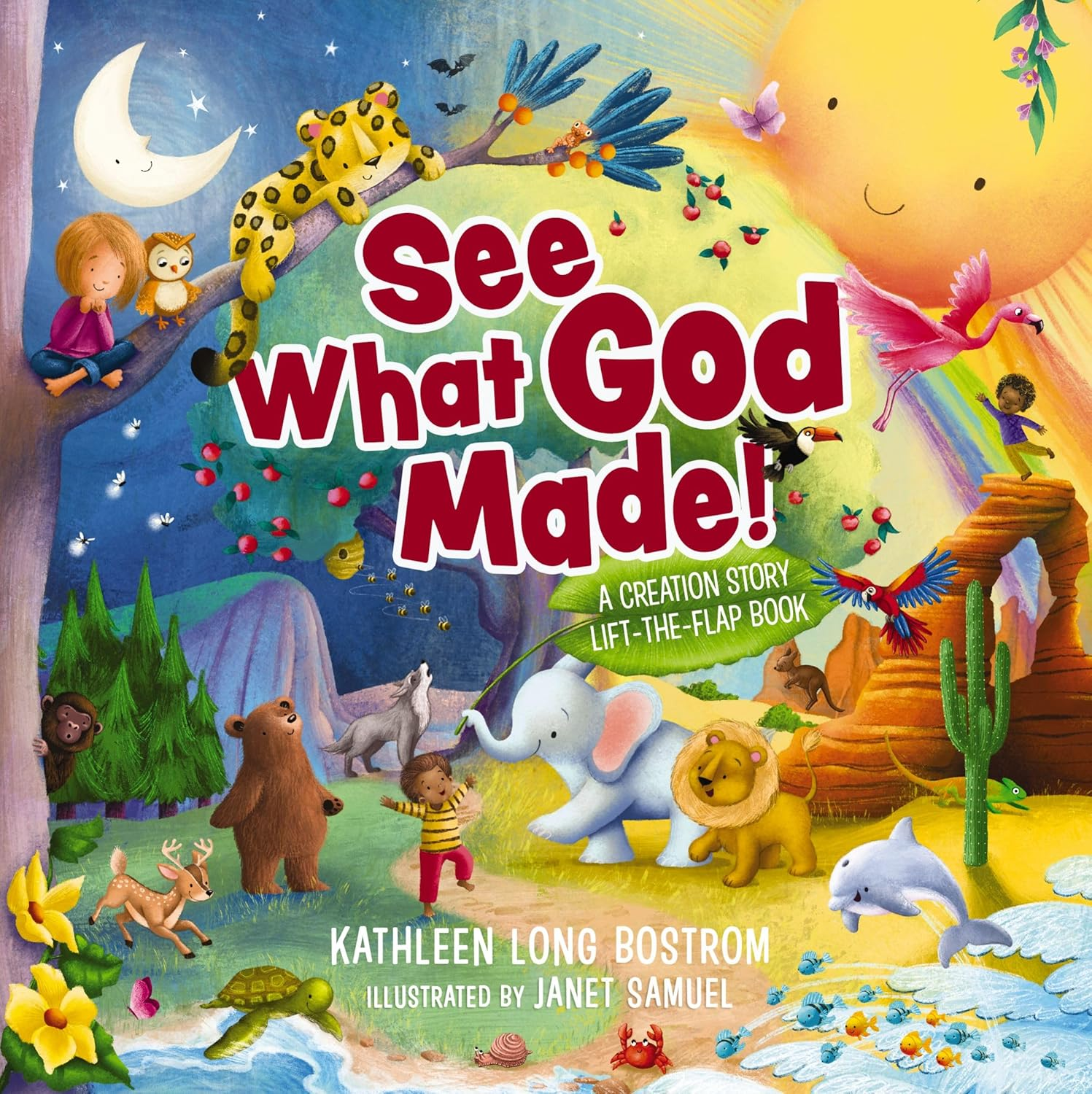
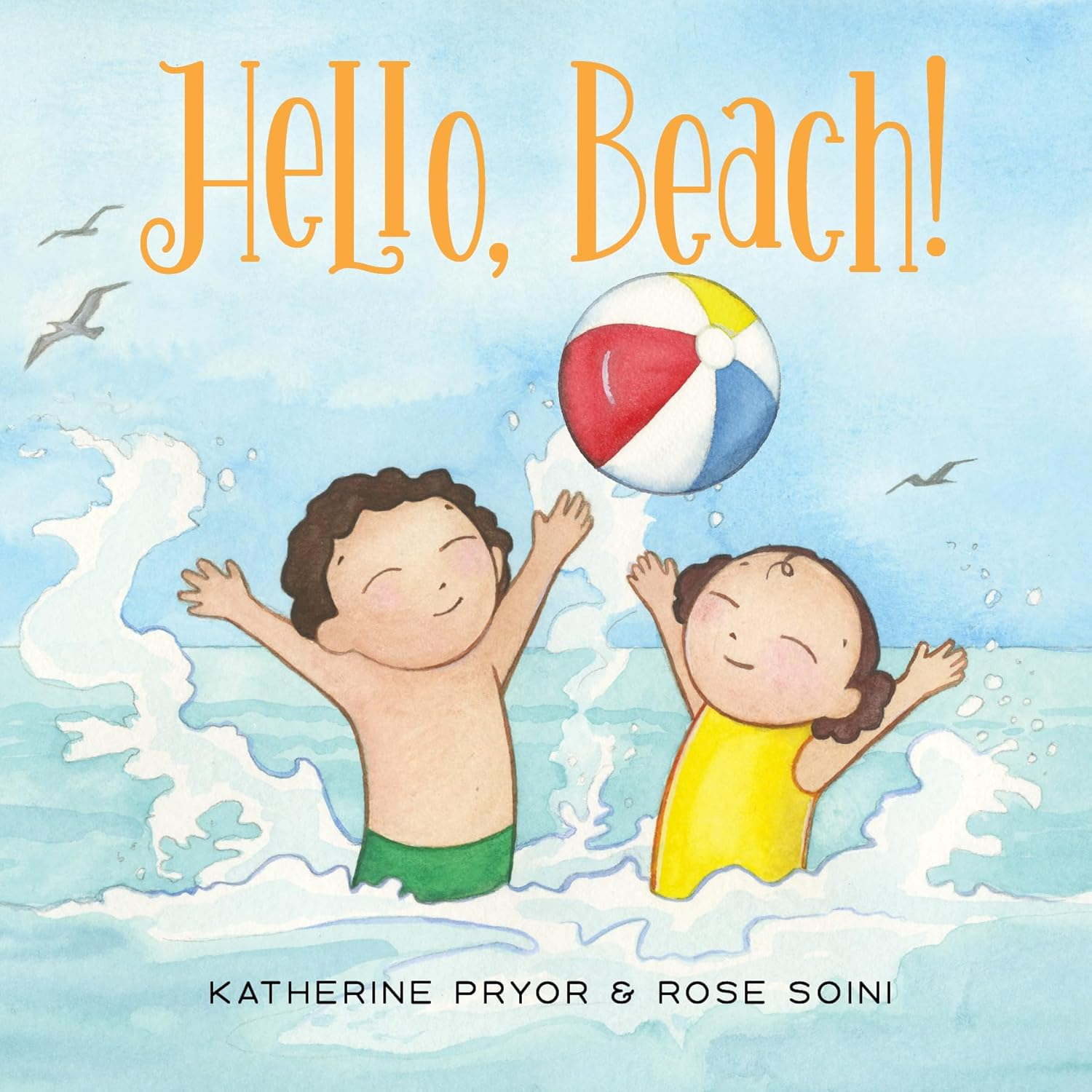
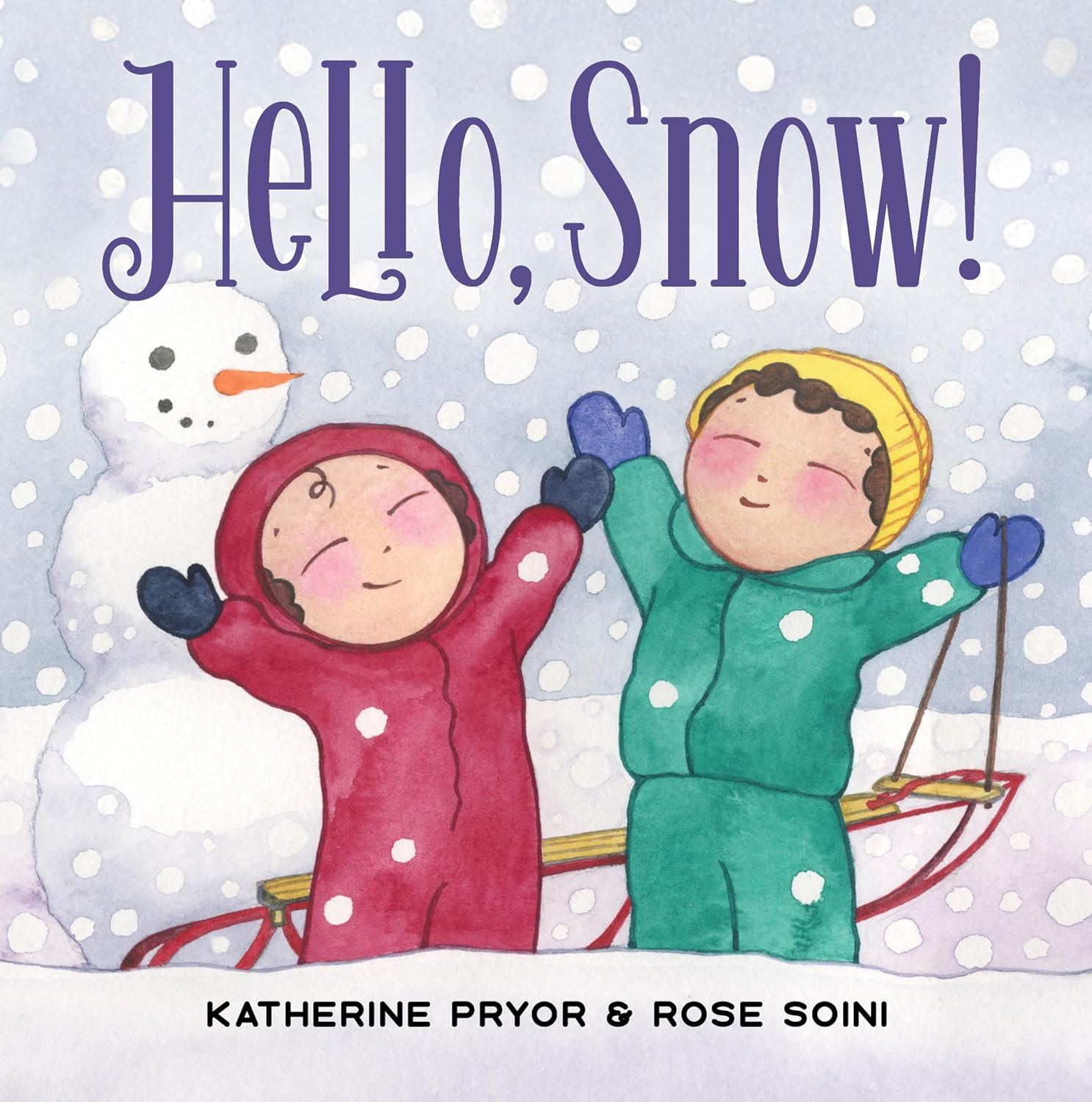
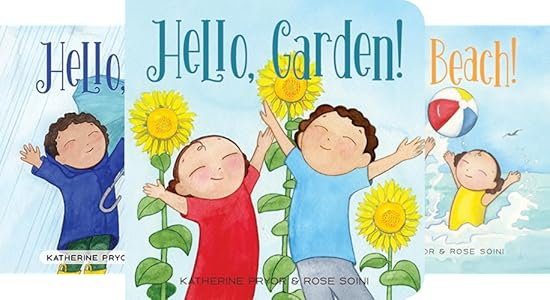
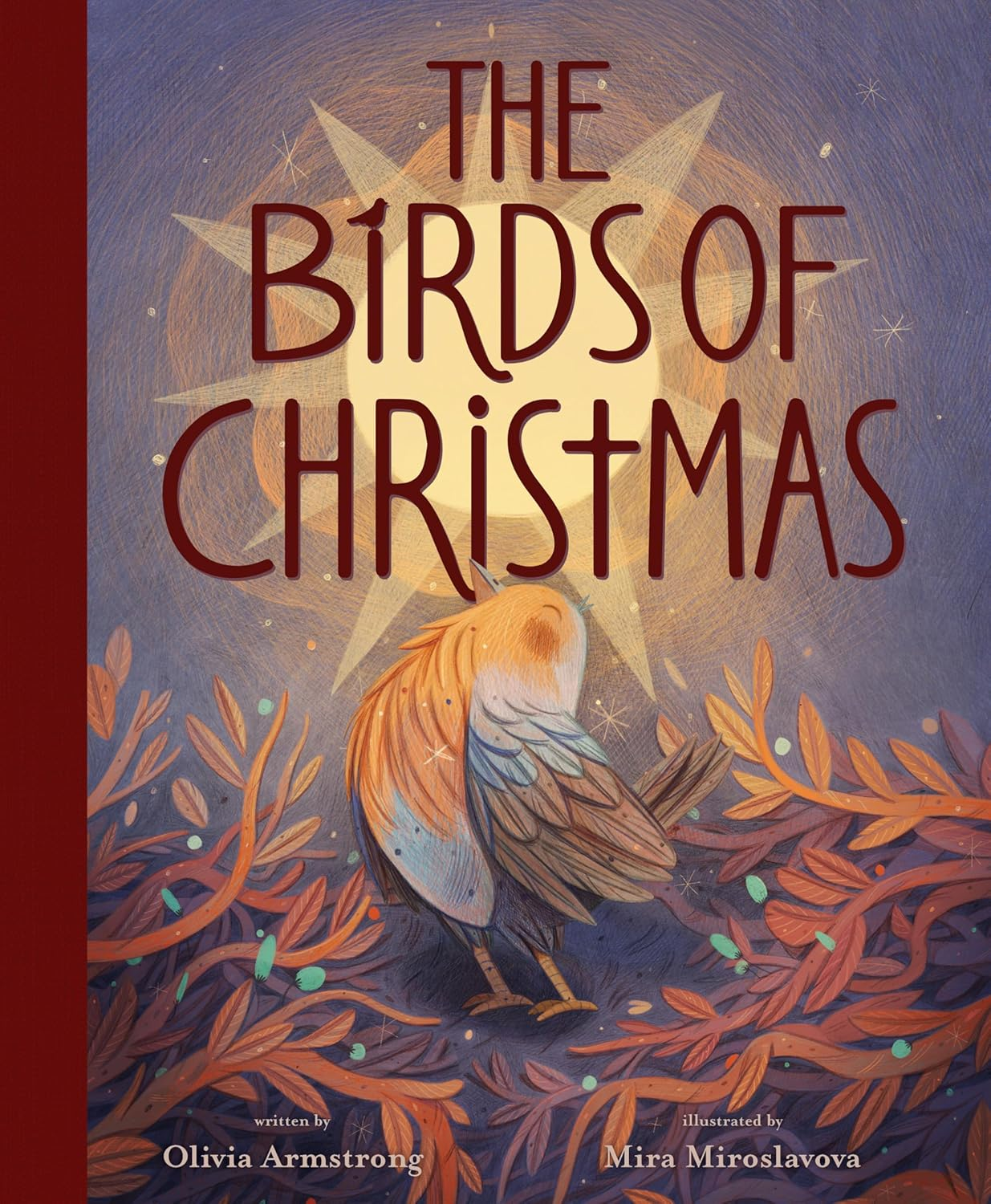
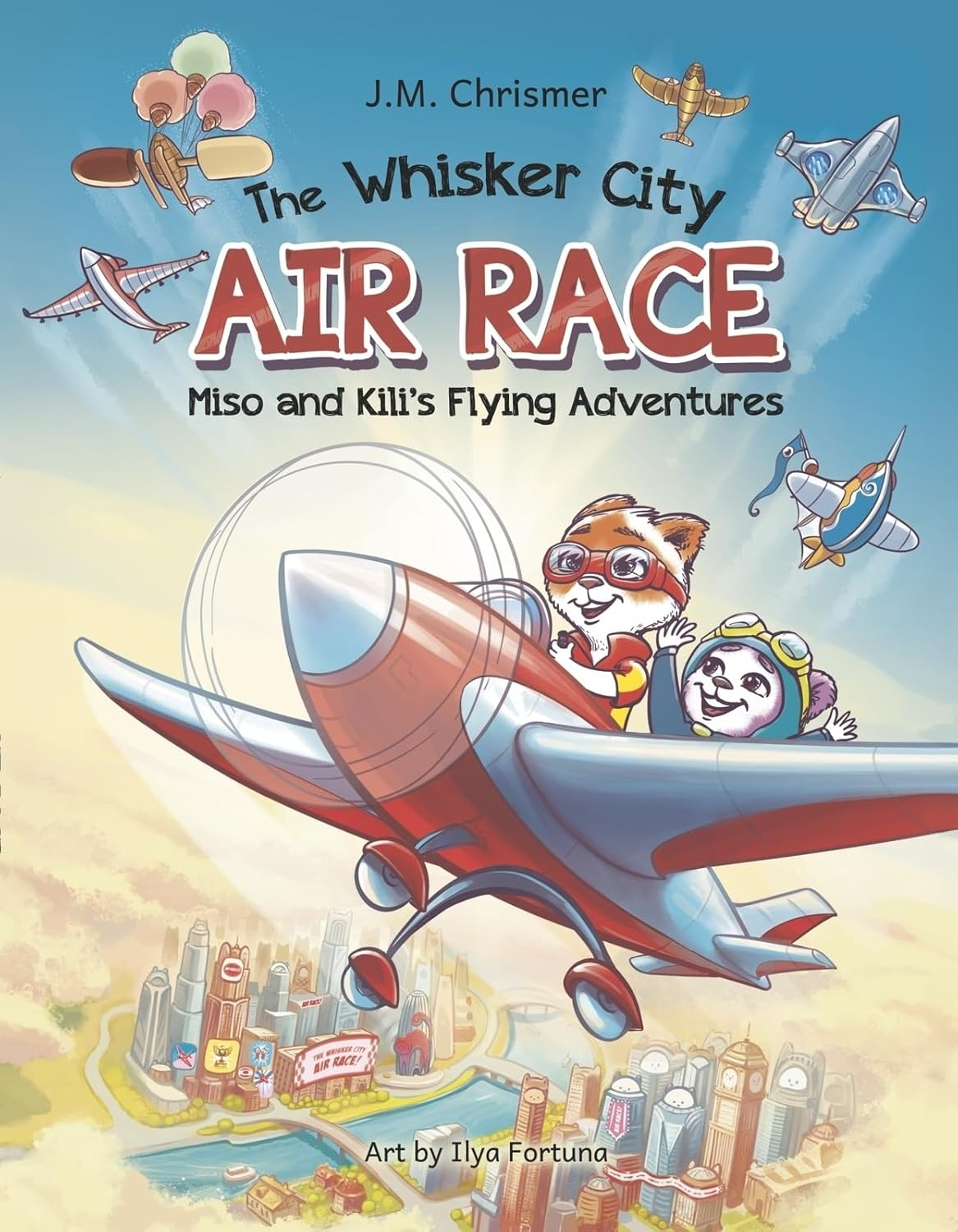
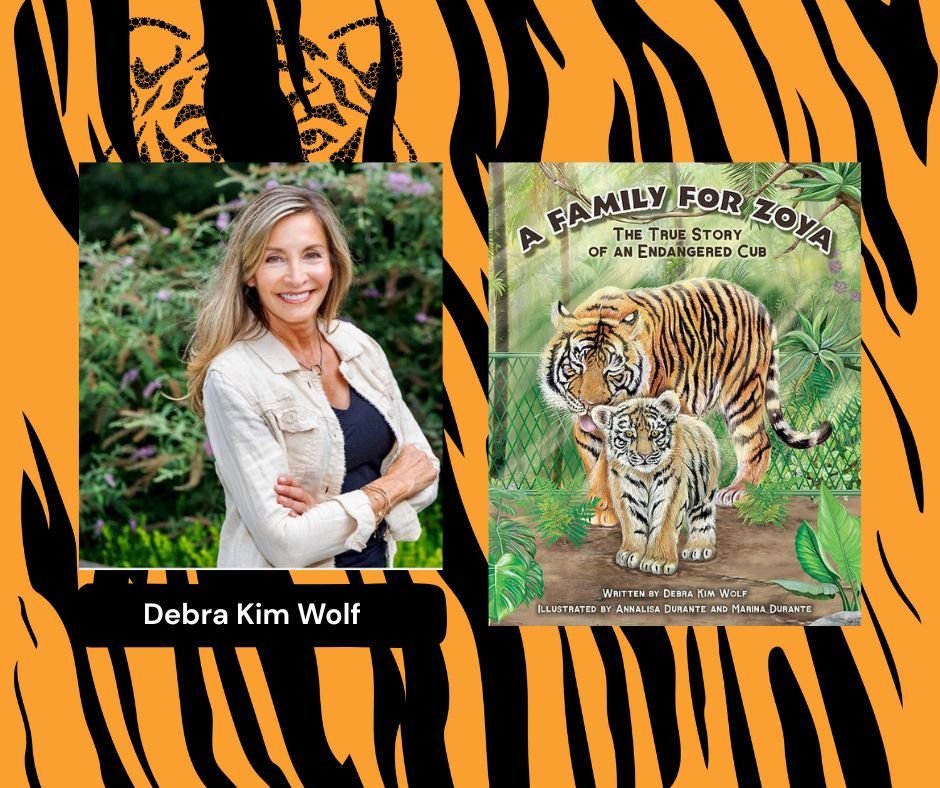
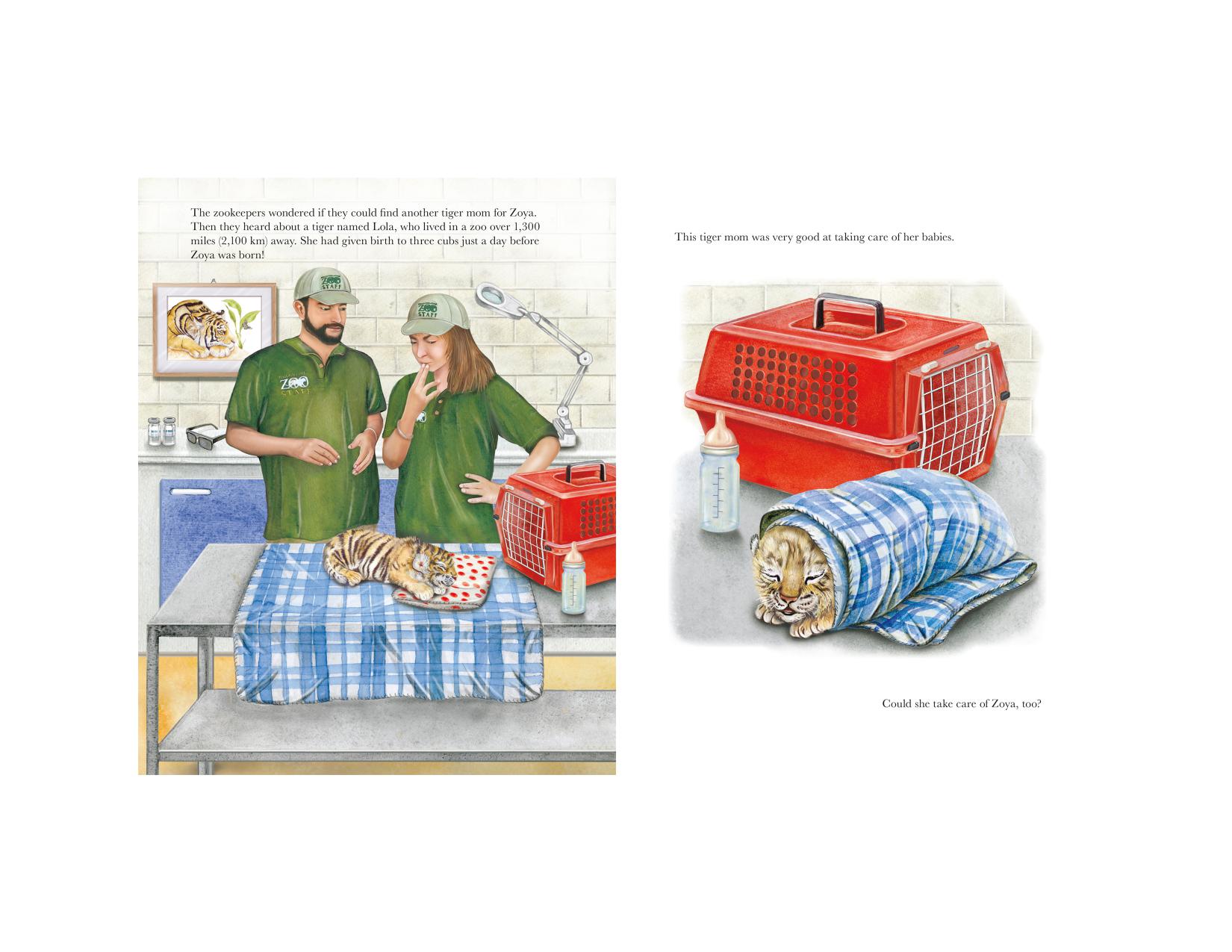
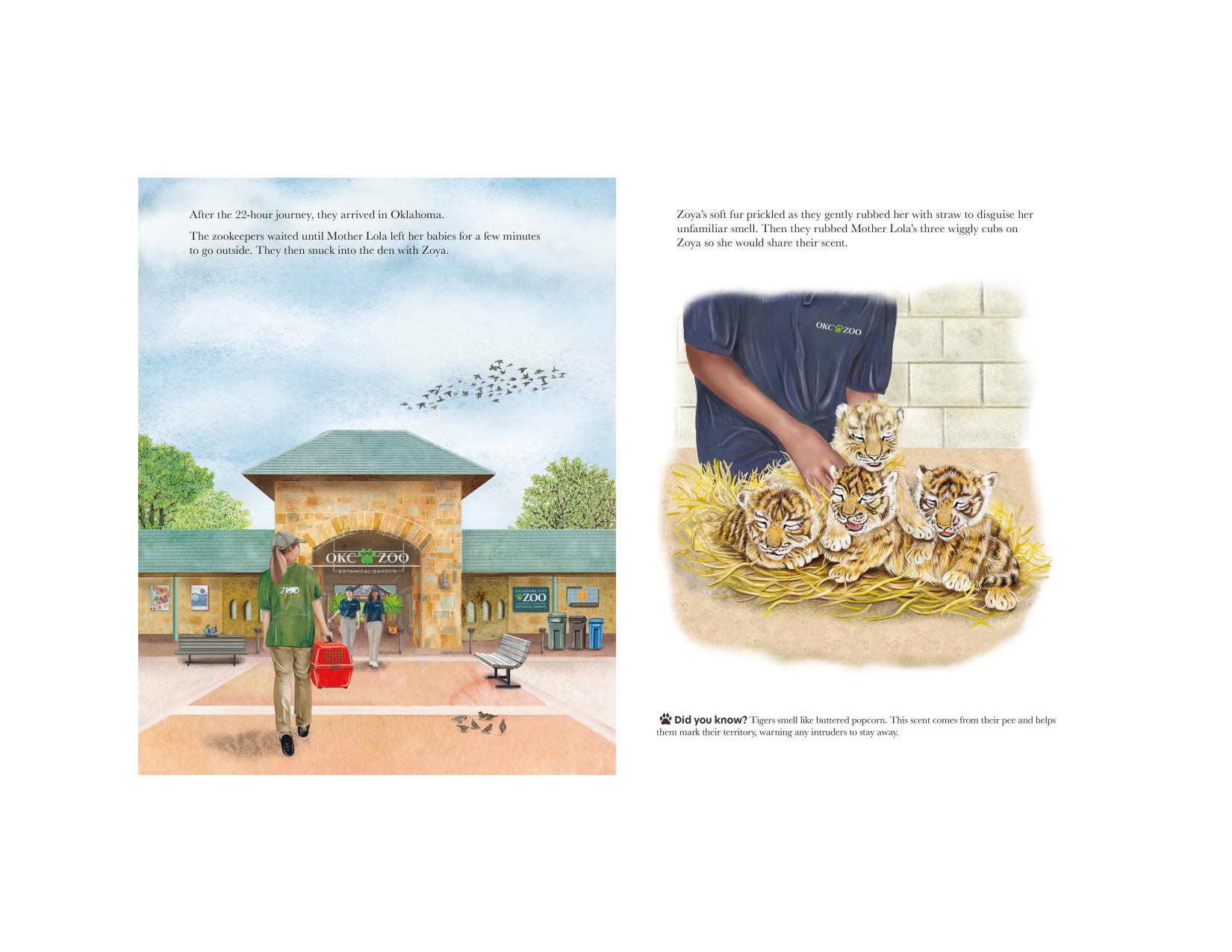
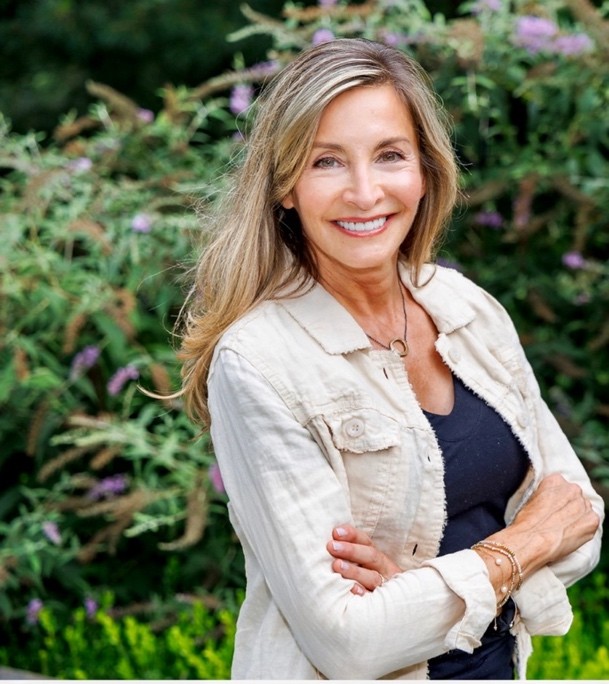
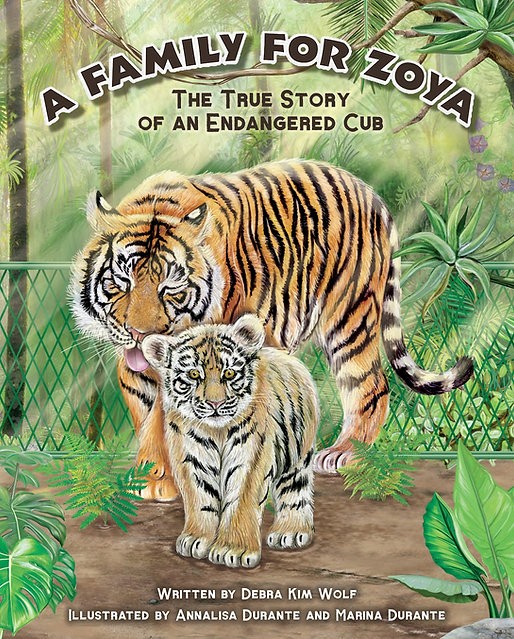
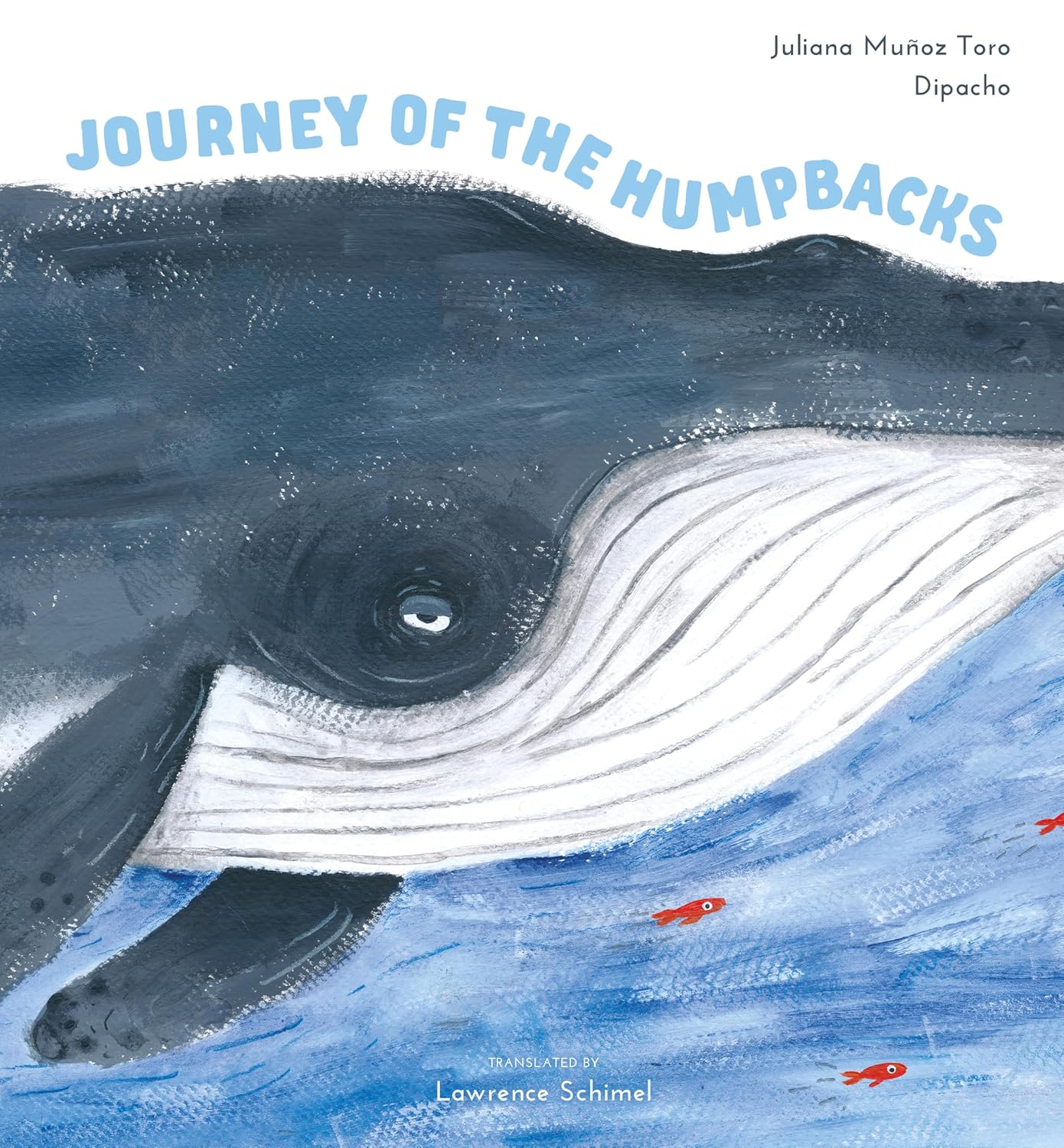


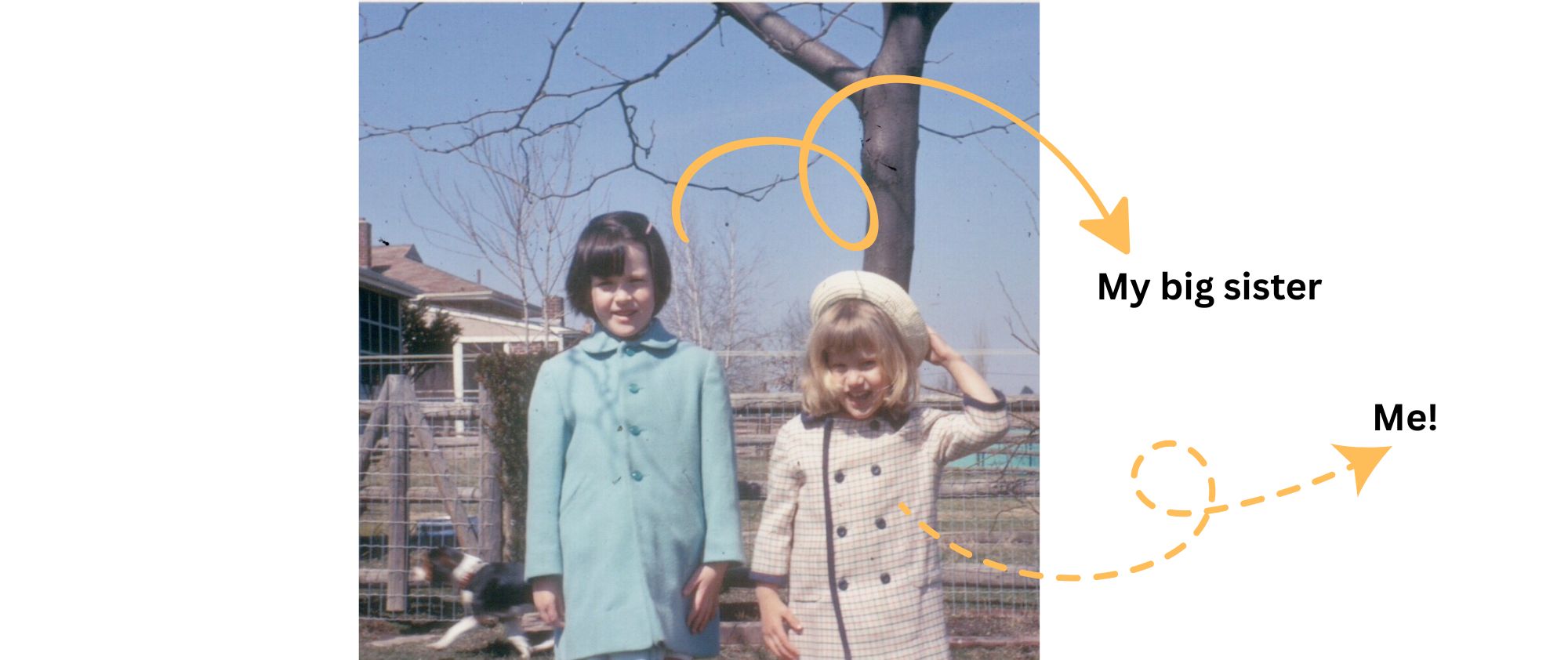
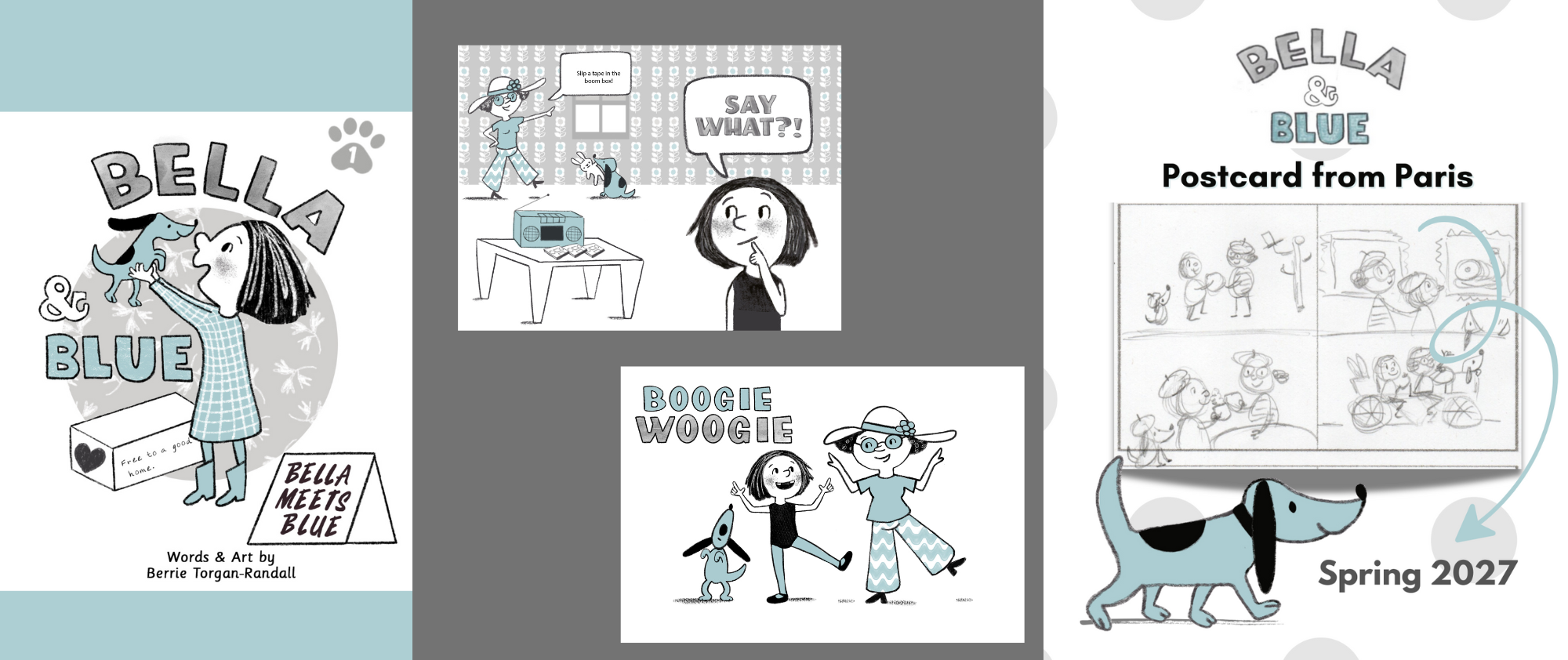
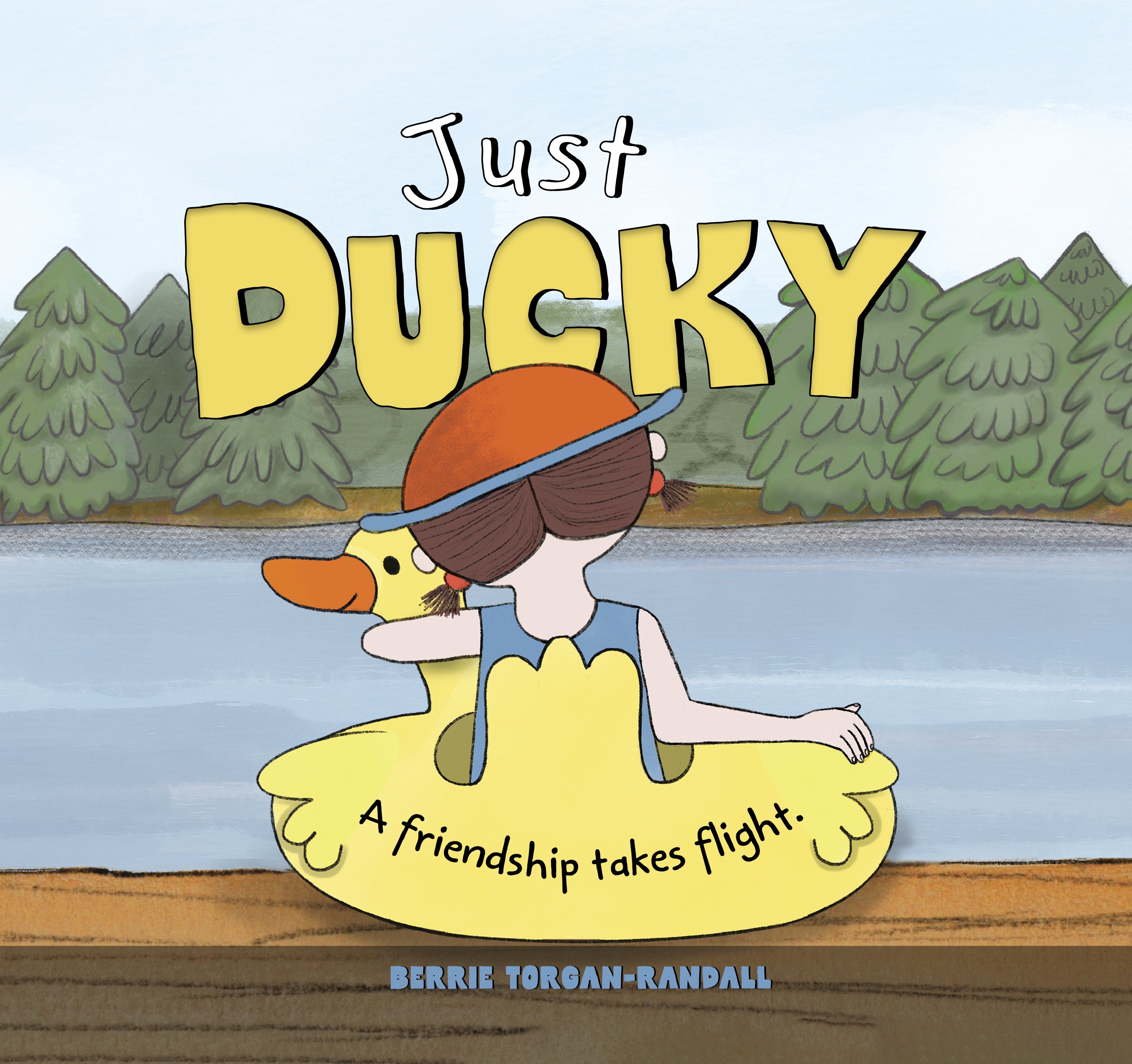

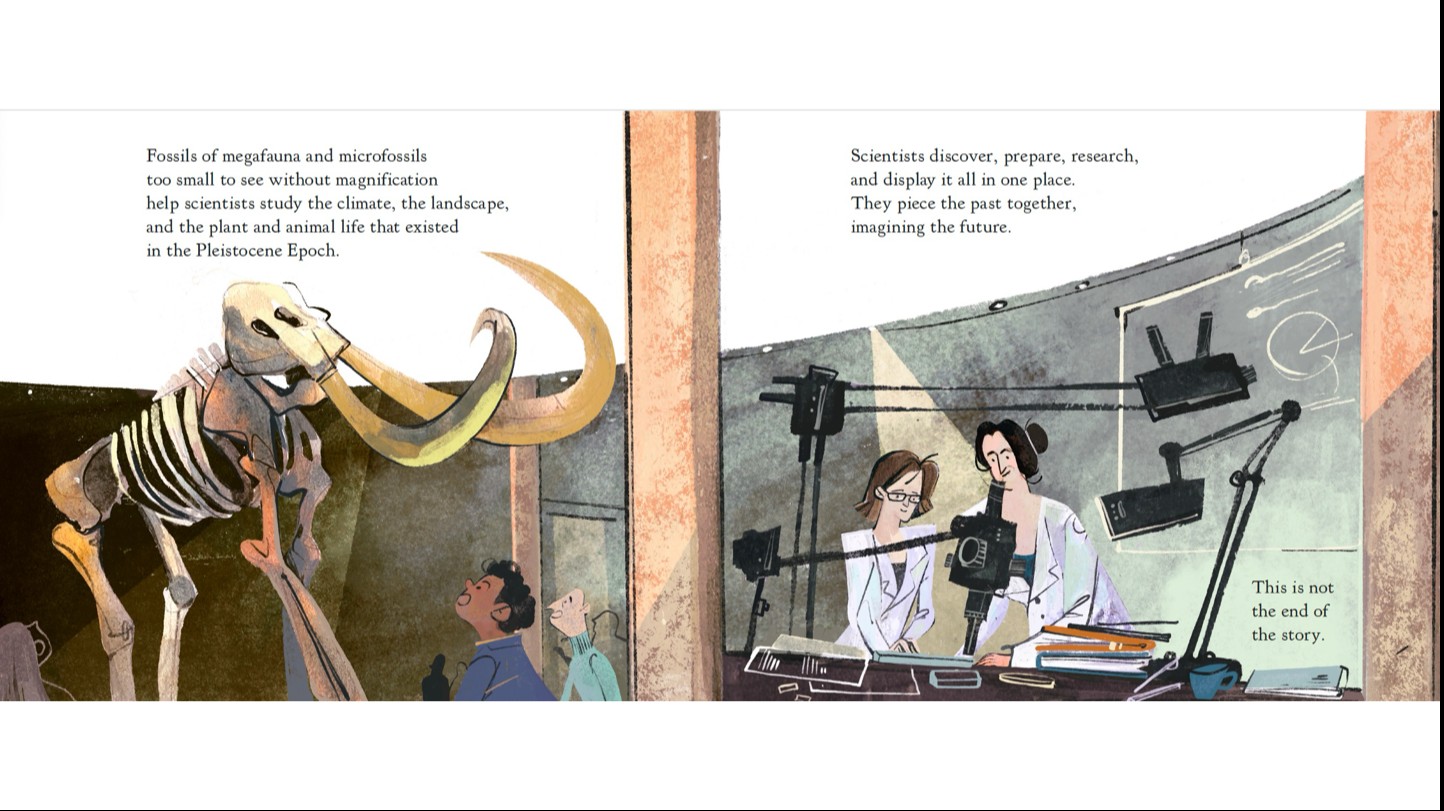
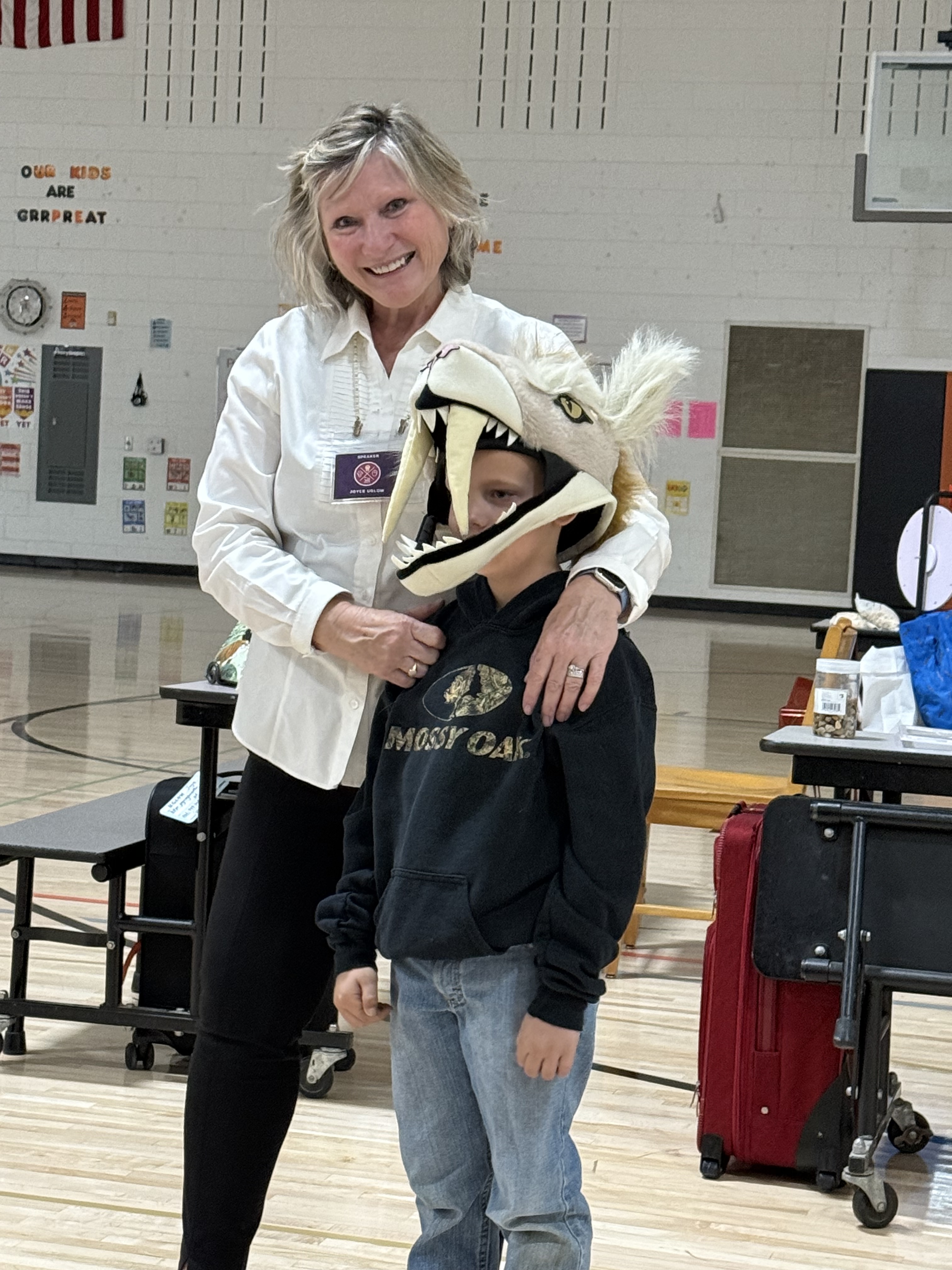
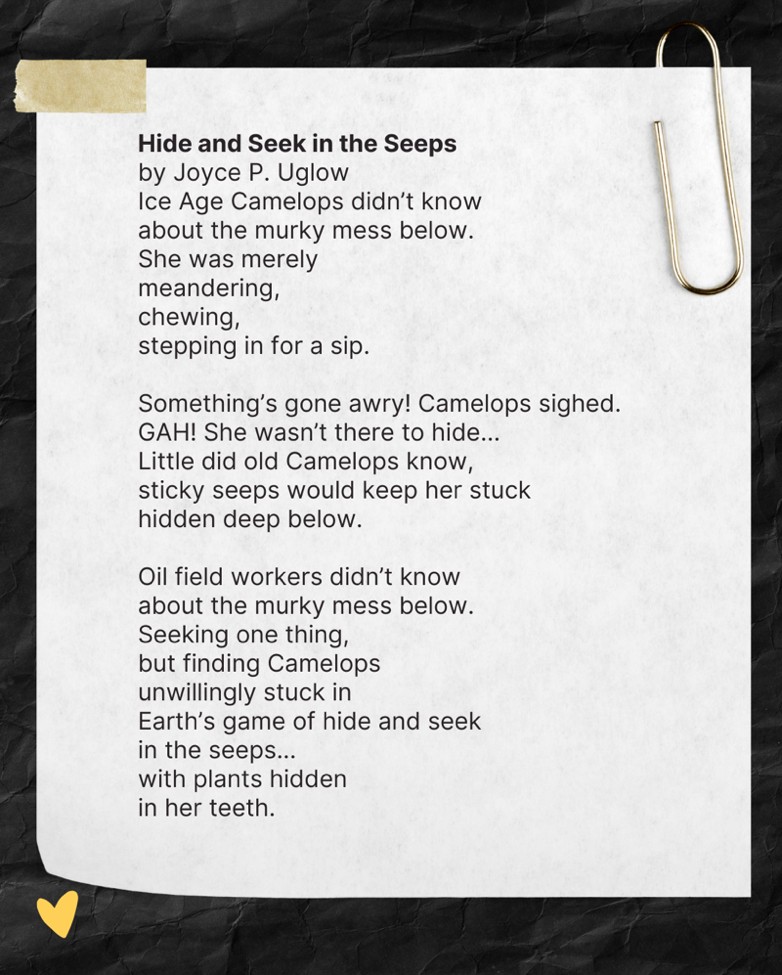
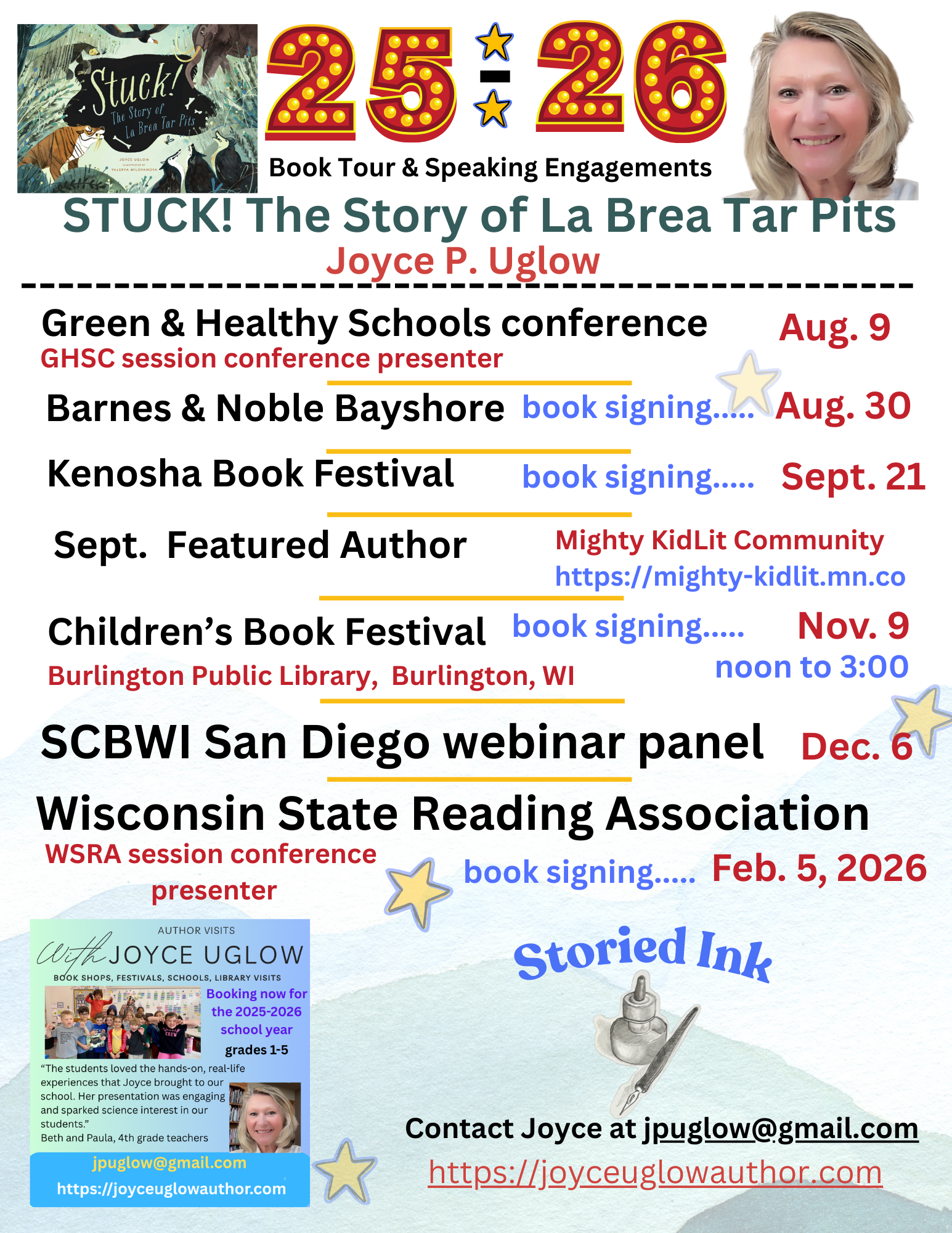
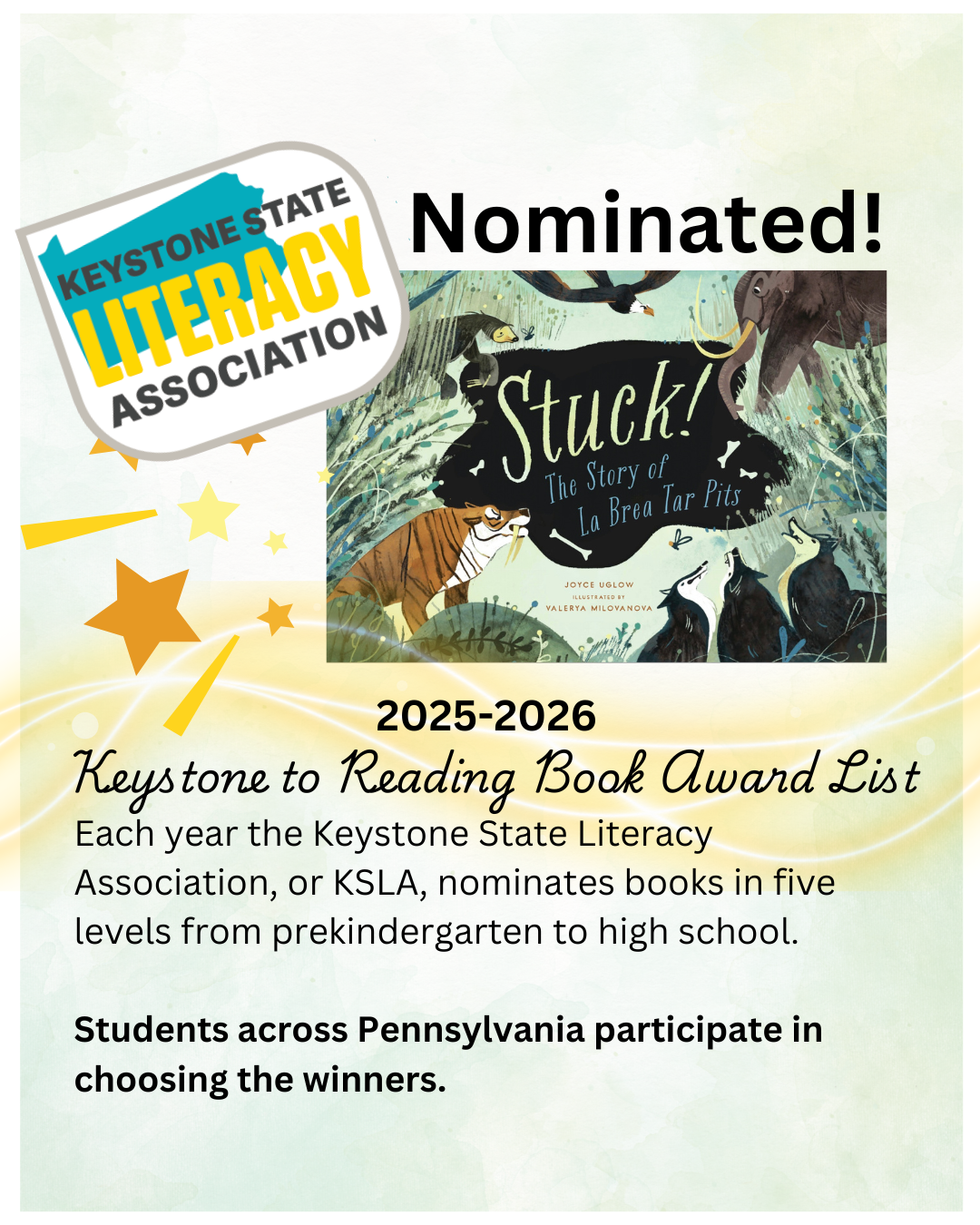

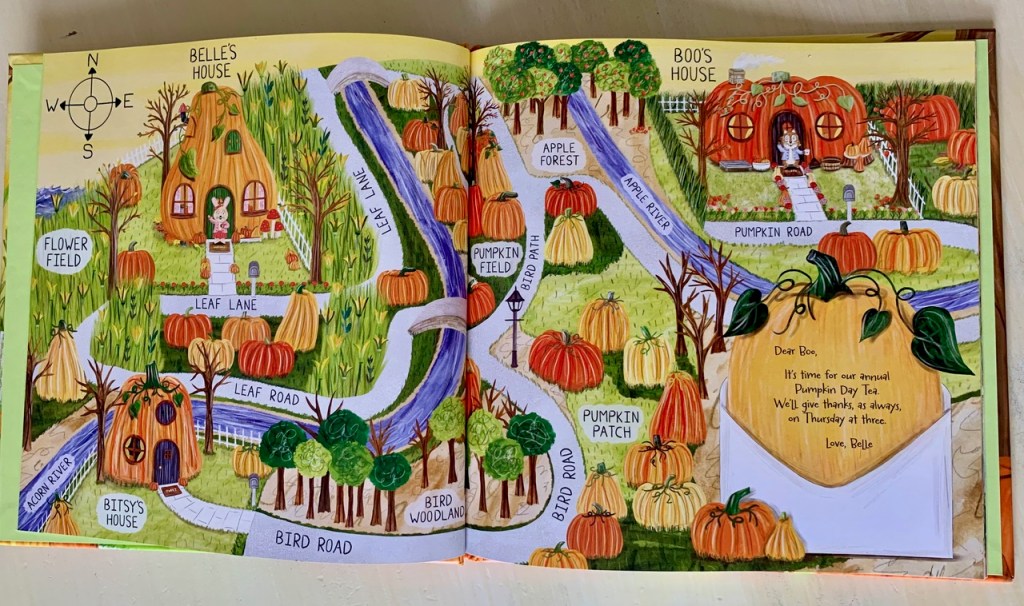
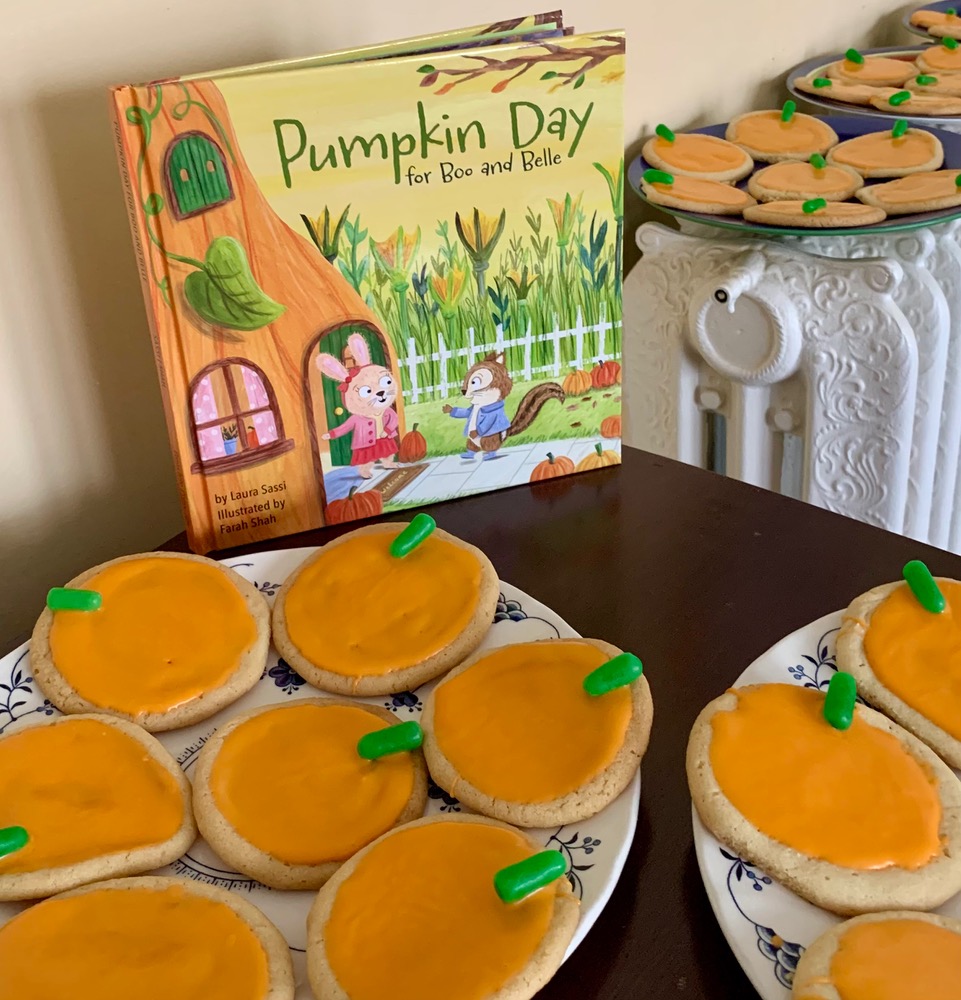
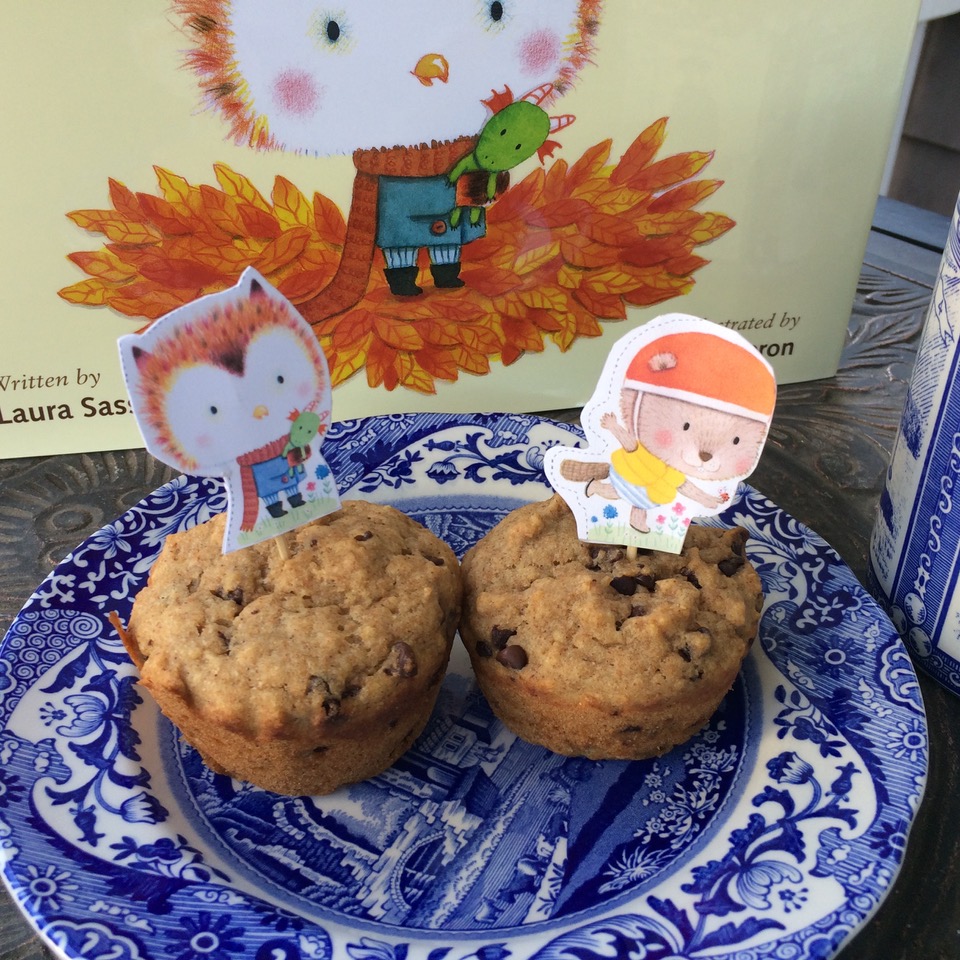
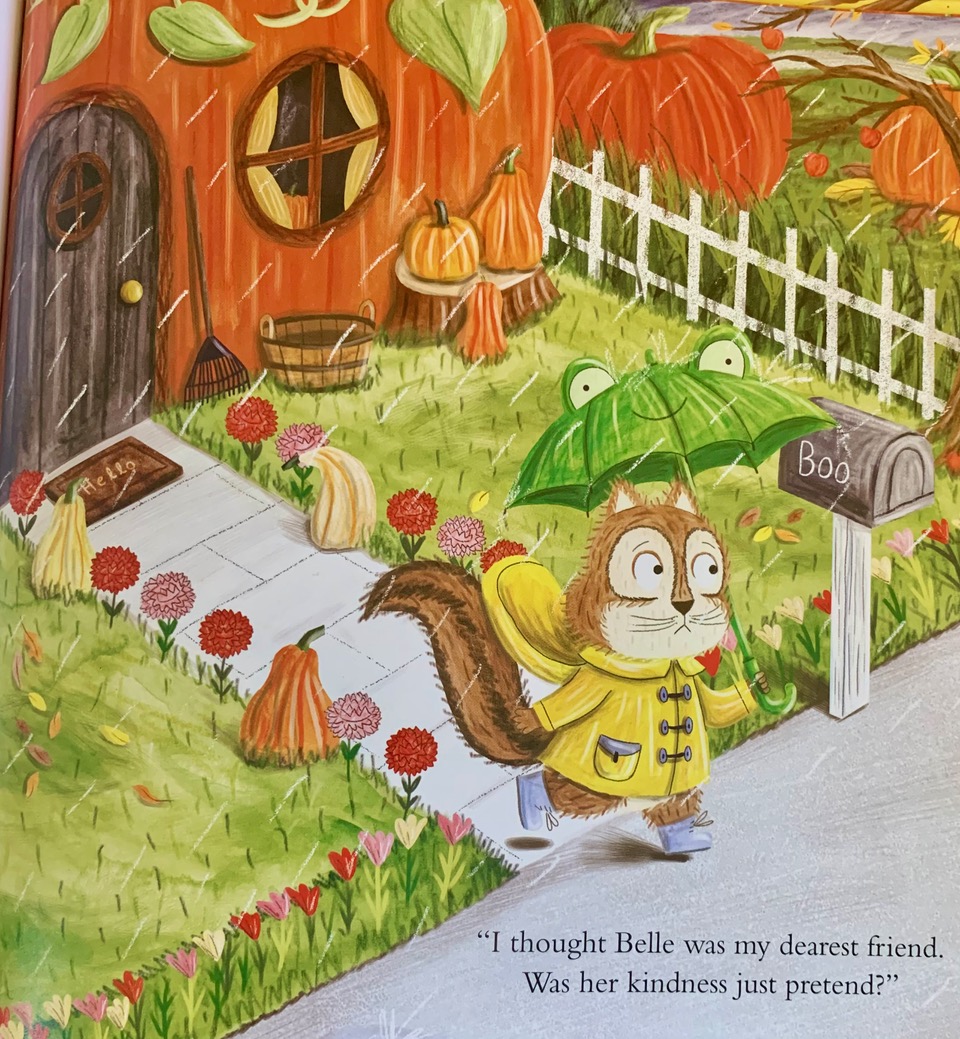
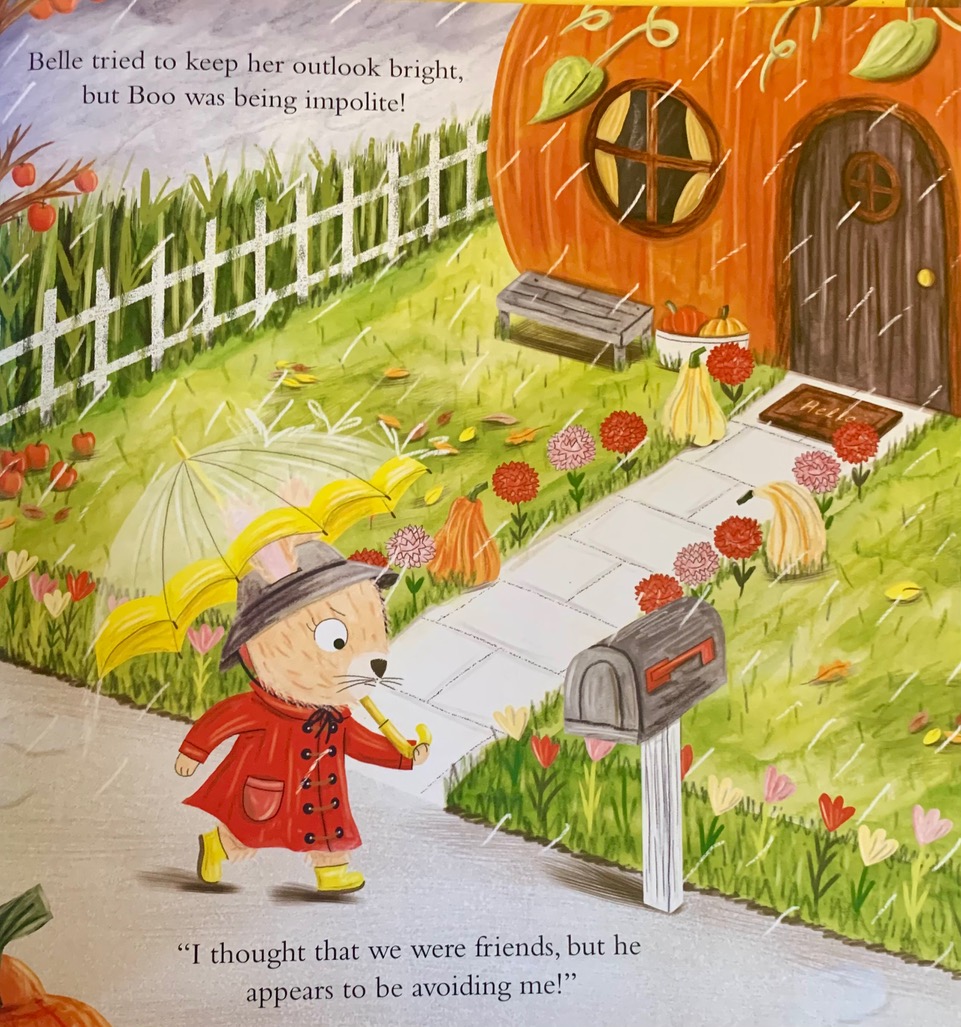



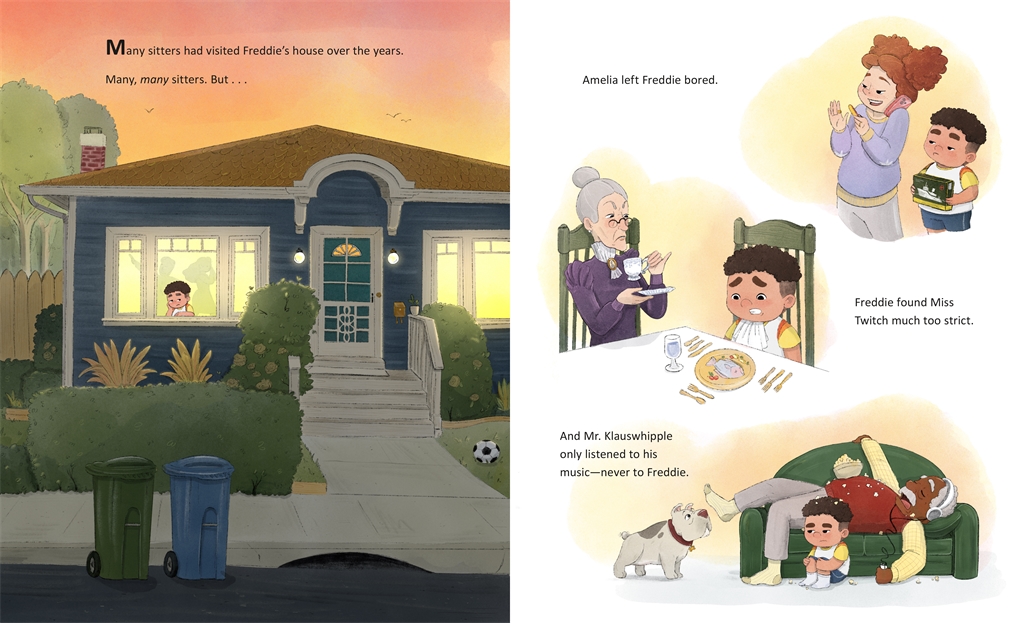
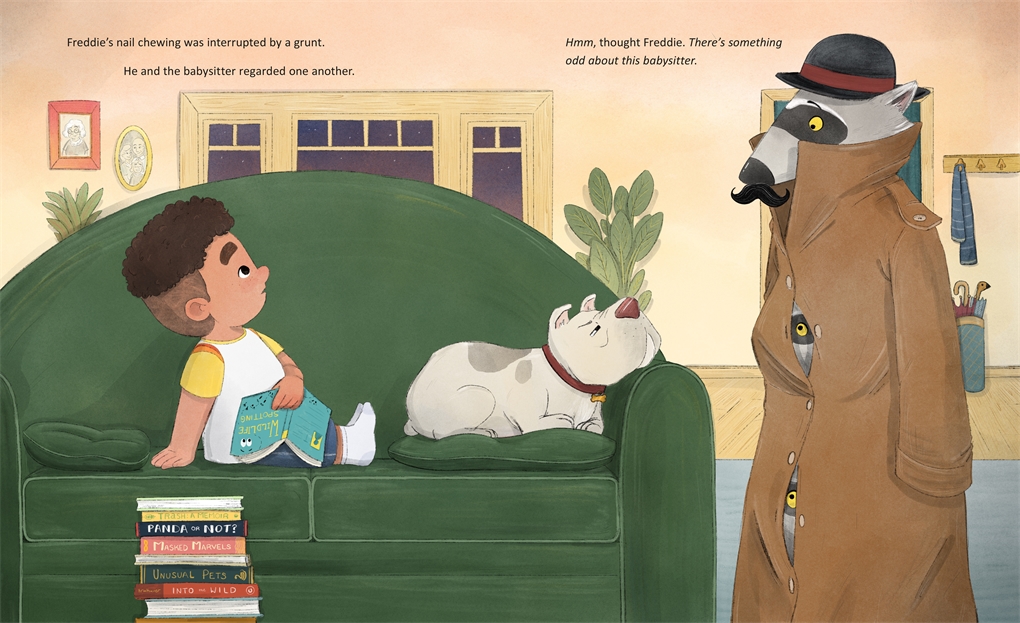
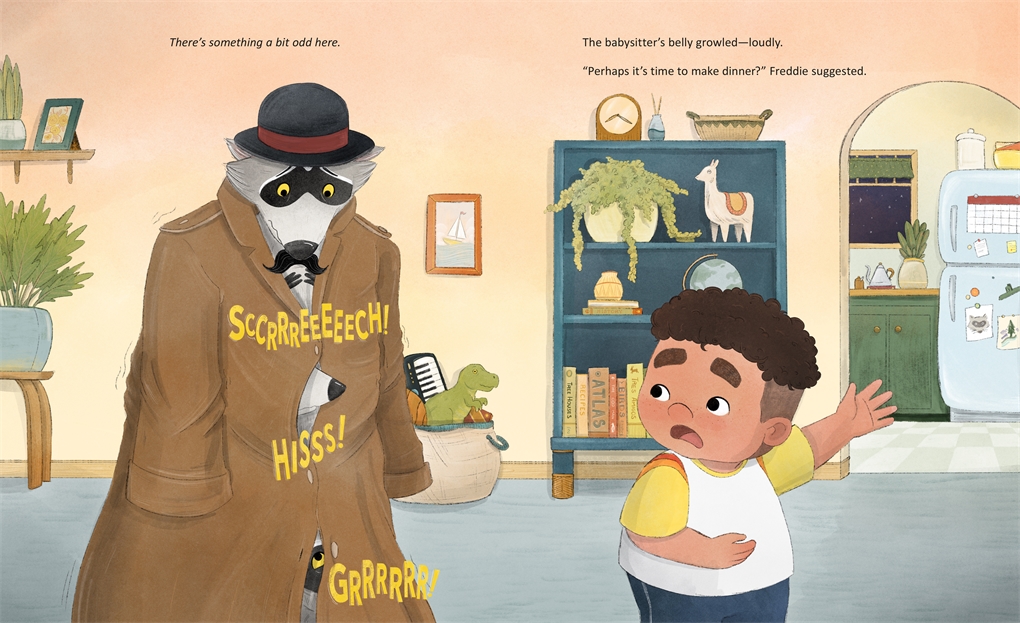
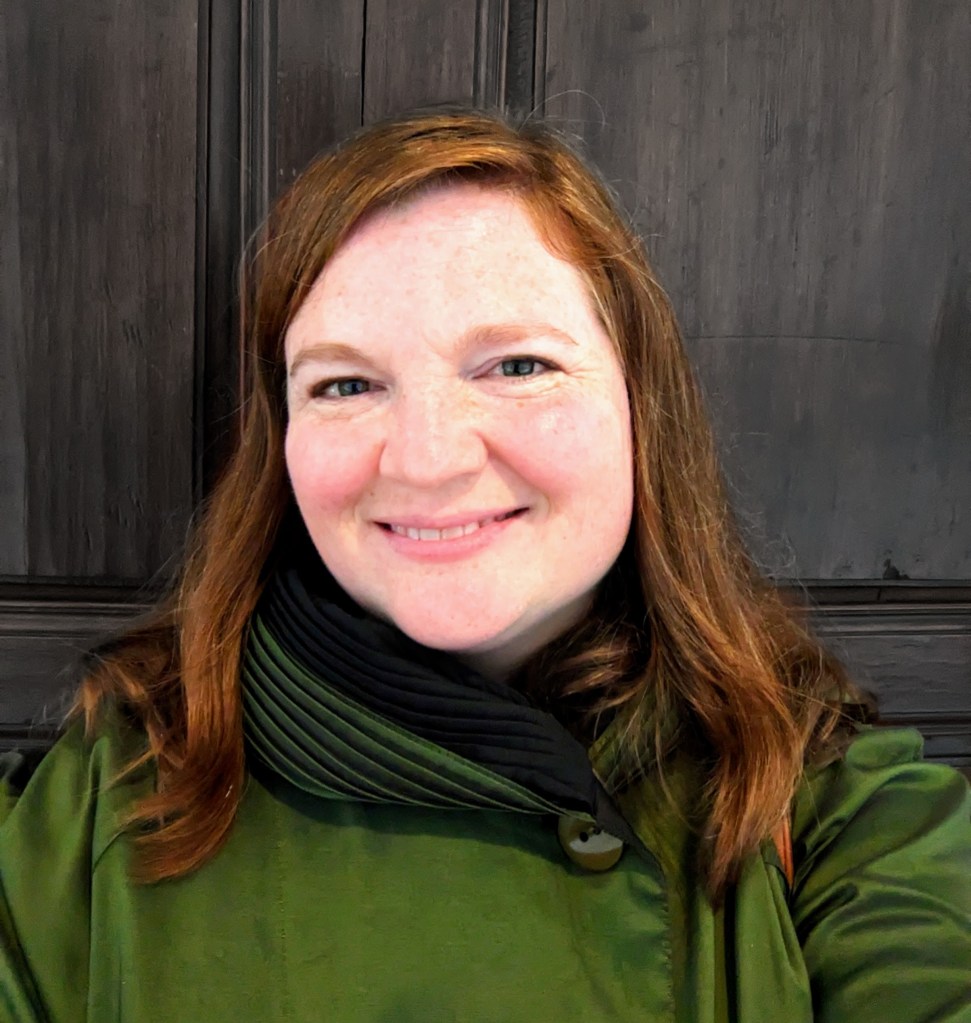


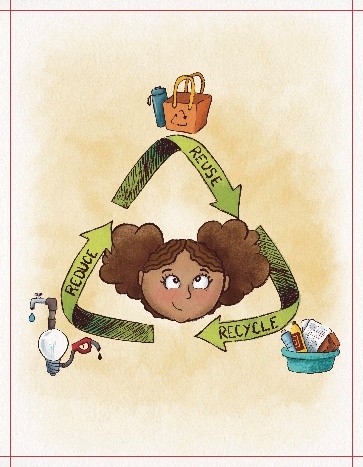
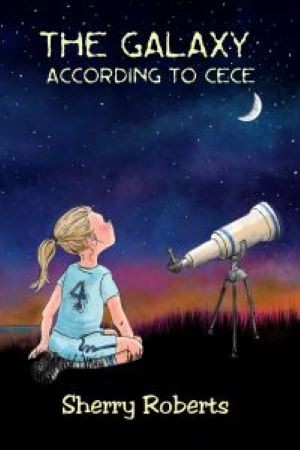
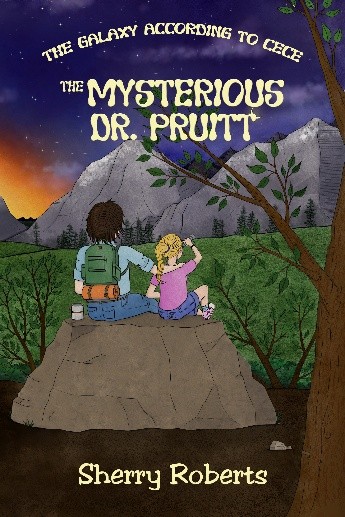
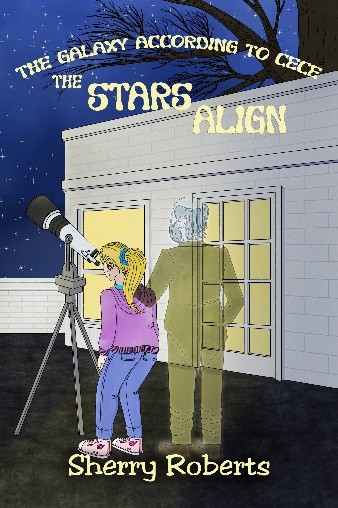
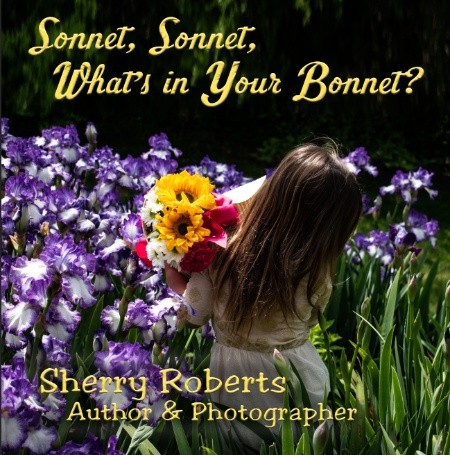
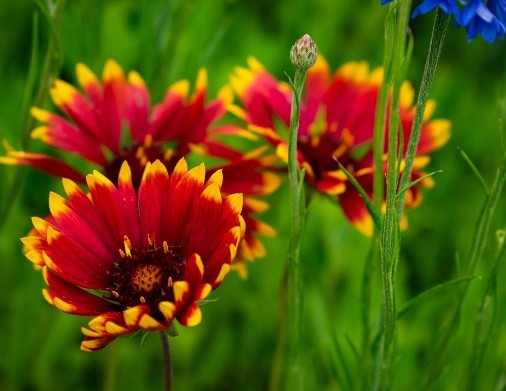
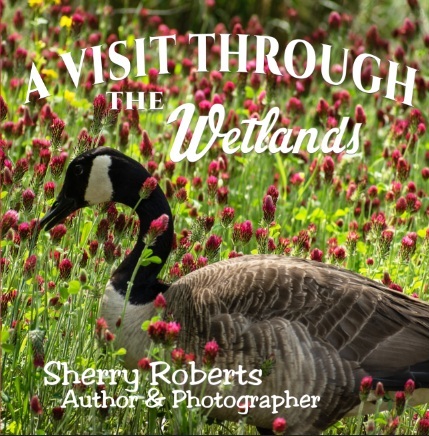
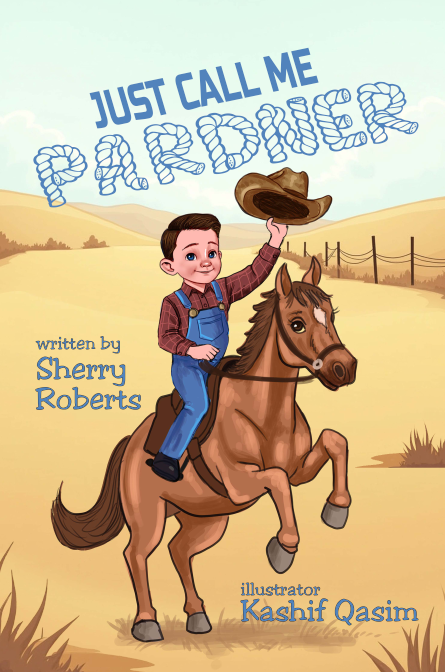


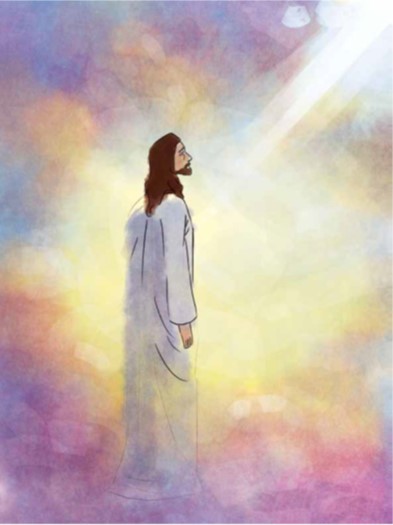
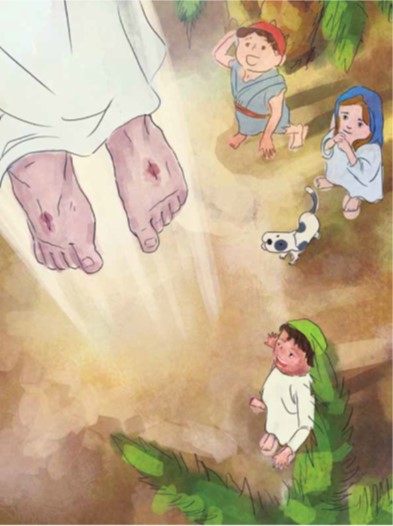
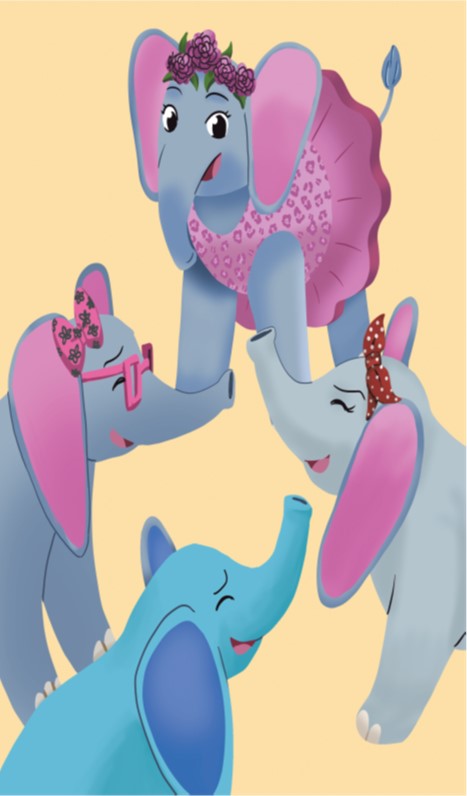
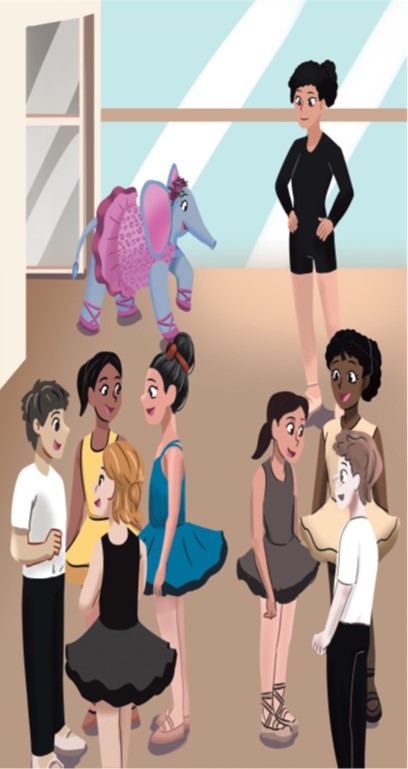
 Lauri Fortino's Frog On A (B)Log