Summary: The ghost at 632 Savannah Street is real . . . right?
Gilbert often feels invisible, just like the ghost living at 632 Savannah Street. Despite his family’s disbelief, Gilbert leaves gifts for the ghost: a friendship bracelet, a plate of cookies, even a drawing with a note. When each disappears one by one, Gilbert finds that believing and friendship are worth the effort.
For kids who might often feel unseen, Gilbert and the Ghost is a ghostly tale of overcoming obstacles and finding friendship in mysterious places. Gothic, whimsical illustrations make this picture book perfect for spooky season, while its earnest themes make it worth a read all year round.
Do you have a children’s picture book coming out soon? I’d love to wish it a Happy Book Birthday here on Frog on a Blog! For more information, CLICK HERE.
I’m excited to welcome picture book author Elayne Crain to Frog on a Blog! Elayne was my picture book writing mentor for a few months through an Inked Voices mentorship program. Elayne is super sweet and so funny and just a genuinely nice person. She’s here today to talk about her rib-tickling debut picture book There’s Something Odd About the Babysitter, which published in June from Feiwel & Friends and is a July/August 2025 Kids’ Indie Next pick over at the American Booksellers Association. Please enjoy the interview! (Bonus: You won’t want to miss Elayne’s five literary “star qualities” of picture books!)
Huge congratulations on the publication of your hilarious debut picture book There’sSomething Odd About the Babysitter! Please tell us a bit about the story and what inspired it.
EC: Hi, Lauri! It’s so lovely to chat with you again! Like most picture books, the punchiness of the form belies the years of work that went into making it. 😊 But I will say I was a babysitter, first for my brothers and then for others, from about age 8 onward, and since both my parents worked, I certainly had my fair share of sitters throughout my lifetime. So, I knew I was very interested in (and hopefully suited to) telling some sort of babysitting-related tale.
There were lots and lots of things that went into both the plotting, and the writing, over years of revisions, especially some of what I find funny (including, but not limited to, the name Freddie—a nod to a Steve Martin character I loved as a child—plus some viewing of Shaun the Sheep with my kids). Everything got blended into the ol’ Elayne Crain Brain™…et voilà: this strange mix!
How excited were you when you saw the illustrations for the first time?
EC: I was very, very excited—like, “Drop everything—I just saw an email!” excited! I will say, I was also very lucky—I got to see the first sketches, as well as the rounds in-between. So, it wasn’t all just one big “Christmas morning” final illustration smorgasbord, but rather a series of lovely surprise courses over time. I know that doesn’t typically happen, especially for first-time authors, but it was such a great learning experience for me to get just a peek behind the visual storytelling curtain in that way! I’m still so honored to have been trusted to witness some of John’s process for this story—he really is fabulous.
When did you begin writing with an eye toward being published? And do you write other things besides picture books?
EC: If I’m being honest, I always cared about being published someday (in at least a daydream sort of way), so I guess from day one—actually before, because the dream came many decades before the actual hard work. 😂 While I’ve always been a writer and puzzler at heart, the big difference came from finally admitting to myself that if my dream of being published was going to happen, I would need to, you know, start doing real work to get there. That didn’t happen until my 40s, and I haven’t hit my 50s yet, so it’s fair to say it was a steep learning curve to specifically write picture books, despite having written (in lots and lots of forms) my whole life.
Besides picture books, I enjoy writing poetry, middle-grade fiction, and writing about my writing (aka, blogging). I also have some adult writing (not “racy” adult, but, say, a guide to yard sale shopping, a few half-formed mysteries, stuff like that). Maybe someday that will go somewhere, but I think I’m meant to write for children, really, and picture books are certainly my favorite literary forms. It’s so nice to finally really understand that about myself.
Growing up, for my first four years, my favorite picture books were the handful we had in our house, which I bet I can recall even now: The Monster at the End of This Book, The Very Hungry Caterpillar, Farmer Small, Cowboy Small, Where the Wild Things Are, The Giant Jam Sandwich, Scuffy the Tugboat, A Tiny Family, Curious George, Madeline, Lovable Lyle, and Are You My Mother? (which I think of as a picture book—the pictures add essential story information, such as with the Snort). Although once I was finally a schoolkid, with regular access to a school library, that was a game-changer. I would check out nearly anything, and repeatedly hogged anything funny, by James Marshall or Shel Silverstein, or folk-tale-related. I often went before school, sitting in the hallway until it opened each day, since my mom’s work schedule meant she dropped me off well before school started.
Why do you think picture books are important for children?
EC: This is a great question, because it really gets to the heart of what makes picture books so incredibly powerful (not only for children, but *especially* for children). And it’s something I have thought about a lot, though I will undoubtedly continue to do so.
I think, for me, picture books have five literary “star qualities”:
Immersiveness. Because the visual storytelling is so deep and so gorgeous, the child reader who does not yet read words can read the visual story alongside their grownup, and comprehend even more than the adult, since they are taking in the full information (while the adults are often very caught up with the words while reading).
Theater (or, “ The Theatre!”, if you must). Outside of many lullabies (which, honestly, I’ve been shocked to hear many parents aren’t even really doing anymore—instead, relying on professional music, which is so very sad to me!), picture books are going to be most children’s first taste of theater, with their parents and caregivers as the performers. In my subgenre, humor, the fact that (if I write the story ‘right’) the parent could suddenly seem like a comedic genius to their child is not lost on me, and I highly value that “bonding over” aspect, the strange sort of catharsis that both the performer, and the audience, go through, once a story is brought to life in this way.
Interactivity. One notable asterisk to the theater of a picture book is that, of course, it’s not ONLY the read-alouders who are involved in the performance of a picture book. So often, you can work with the format to bring the audience IN, even more than theatre—say, by joining in a chorus (which we call a refrain), or by including meta elements (which, for my money, The Monster at the end of the Book is the absolute gold standard). In fact, what I know from reading to lots (and lots) of children over my life is that children often appoint themselves as the official “page turners” of a picture book. So, if they are bored halfway through the text on a page, guess what? The page turn becomes a SKIP button! (Parents themselves do this, too, of course: “skipping” tedious sections.) Writers should prepare themselves for that, and keep their prose punchy and purposeful, even when (maybe especially when) it’s lyrical.
Virtually limitless subject matter. Because illustrations have no age boundaries (well, within certain accepted parameters, ha ha), there is no absolute limit to the kind of story you can tell—using too big or niche words is not really a concern, when the words themselves are only part of the story being conveyed. Because it’s about the young readers’ visual vocabulary, rather than their spoken or read one, the storytelling can be really intense and/or poetic, and the reader can absorb it all the same.
Snacky. Because of their succinct format, picture books are, in some ways, very snacksome. You can sit down and enjoy one, if you are in a hurry, or you can sit and make a virtual meal of them. Because of that, because the child can so often choose the ones they want to be read, it’s one of the few ways a child can healthily emotionally self-medicate. I think about this a lot as I choose the sorts of stories I want to work hard on, vs. ones I leave as drafts. “Is this a story a child would choose to read, themself? Will it make them feel what they want to feel, in some way?” And it is also an essential reminder to myself that writing humor is, in fact, supremely important, especially during stressful times.
EC: Oh, I fancy myself a lifelong student and crafter, so there’s not much I haven’t (or wouldn’t!) try my hand at. I do love visual art (especially sketching, painting, and papercraft) and needle felting. At some point, I’d love to have a picture book where I told the visual story, too.
Funny side story: my first coloring book was the Gray’s Anatomy medical coloring book (my dad was in med school—so it was my go-to for coloring since he bought it but didn’t use it much). I’m still more ‘drawn’ to making line art than to fully fleshed-out imagery when I pick up a pen, but I’m working on finding my way toward real illustration, including (gulp!) backgrounds. 😊
Elayne Crain is the author of There’s Something Odd About the Babysitter (illustrated by John Ledda), a Summer 2025 Kids Indie Next List pick. When she isn’t writing, she enjoys LOLing at memes, drinking sugary coffee, and scouting thrift stores.
Please welcome talented author and illustrator Lauren Briére, along with her whimsical robot pals, to Frog on a Blog! Lauren’s new picture book, Alphabot Adventures, which is part of her Robots In Rowboats series, is bursting with adorable, friendly, inquisitive, amusing, kind, and even pensive robots that kids will LOVE!
This fun and colorful concept book, published by Blue Star Press, features the alphabet, and it “will have your little one laughing and learning from A to Z!” Each of the 26 robots shares something very special about itself, its hobby or something it simply enjoys, with many of the things being animal or nature related, for example, D Bot delights in the company of dogs, and E Bot enjoys exploring everywhere among the evergreens.(I had a very difficult time choosing favorites to include in this interview. I had so many!)
This book is sure to be a hit with robot-loving children (and adults) everywhere! Let’s learn more from Lauren about Alphabot Adventures!
Congratulations on the publication of your new picture book Alphabot Adventures! What inspired you to create a concept book about robots? And where does your love for robots come from?
LB: Thanks so much! Well, I’ve been riding this wave of oil paintings of robots for about 11 years now, and I figured I’d keep it going in book format! After all, I got my art degree in children’s book illustration. Since there’s such a massive amount of choices of ABC books out there, I thought- Why not throw my own into the mix?! The idea of the robots initially started by randomly painting a robot in a rowboat because I simply liked the alliteration of it all. The wording ‘rolled off the tongue’ and onto a canvas, and a rabbit hole of quirky & sweet ideas opened up.
Why did you decide to pair robots with nature and outdoor activities (which I love, btw!)?
LB: It just came so naturally! Admittedly, I wish I could claim there was more forethought, but, I guess, instinctually, I like unifying objects in juxtaposition and bonding them through empathy.
Your illustrations are so whimsical and detailed! Please tell us a little about your art process when you were working on your book and what media you used.
LB: I started with phrasing, sweet and silly to begin with, and the imagery just followed. My process is much like filling in a coloring book page. Once I’ve got a sketch I like, the oil painting just appears before me on gessoed wood-panel.
How are you able to give each robot its own personality?
LB: ? It’s all in the eyes and child-like poses & gestures, which we all can relate to: to some capacity, in heart, there’s a child within us all. I generally just paint stuff that I like… and I just love relatable, gentle, and sweet things that emanate humor and curiosity.
Why do you feel picture books are important for kids?
LB: I believe that imagery imprints itself in young minds. For example, I can’t recite the exact wording of my favorite book from when I was little, but I’ve got pictures and the mood that I perceived from it forever in the back of my mind, stirring a flavorful nostalgia soup. I’d like to think I’m able to do what I can now as an adult because I can frequently sample from it!
What do you hope children will take away from reading your book?
LB: I hope they absorb the overall curiosity of the Bots’ amusement in their letters. The alliteration I used when writing the book was utilized as a tool to pique their interest in language and the written word, while the imagery sets the tone and hopefully sparks memory.
Will there be more picture books starring your loveable robots in the future?
LB: ABSOLUTELY! I’m currently working on a concept where robots learn about a variety of sports. Through illustrations, viewers will see how these sweet robots experience competition, strategy, strength, and FUN. Eventually, there’ll be a similarly themed book about music & instruments.
Lauren Briére, a true product of the 80’s: watches too many movies and eats popcorn as a meal more often than not. She grew up in Wrentham, MA, and got her BFA in illustration from MassArt in Boston. She works in Austin, TX, now and works on the painting series, Robots In Rowboats. Her professional artist’s resume consists of work ranging from children’۪s book illustration, designer rain umbrellas “Over Our Heads”, animated music videos (two of which for the awesomely sweet band, The Weepies), and quirky paintings to amuse her young daughter.
To learn more about Lauren, her books, and her art, visit her website Robots In Rowboats or follow her on Instagram.Prints of some of her gorgeous robot art is available for purchase via her website. And her book Alphabot Adventures is available on Amazonas well as through several other vendors.
Summary: In the Beginning, God Smiled is a poetic journey that blends faith and science, beautifully depicting God’s creation of the universe through the Big Bang. This enchanting tale invites children to marvel at the cosmos, celebrate God’s work of creation, and join Him in His happiness.
Spark wonder in your child through this poetic retelling of the creation account. Filled with joyful rhymes and colorful illustrations, In the Beginning, God Smiled is a tale of God’s joy and the Big Bang that followed.
Do you have a children’s picture book coming out soon? I’d love to wish it a Happy Book Birthday here on Frog on a Blog! For more information, CLICK HERE.
Publisher/Year: Eerdmans Books for Young Readers/2024
Format: Hardcover
Kingdoms of Life, by British children’s book author and illustrator Carly Allen-Fletcher, was published by Eerdmans Books for Young Readers in 2024.This lushly illustrated nonfiction picture book with a gorgeous, eye-catching cover is overflowing with images and information about the six kingdoms of life-form classification: animals, plants, fungi, protists, bacteria, and archaea.
There are millions of species of life on Earth, each sorted into one of the six kingdoms.I love that the author made sure to include some really fascinating and unusual creatures in her book for each kingdom. For example, there’s a species of wasp called a fairy wasp that’s smaller than a grain or rice. Baobab trees store thousands of gallons of water in their trunks to cope with their dry environment in Africa. Oyster mushrooms are a fungi that feed on plastic. Although seaweed looks like a plant, it’s actually algae, which is classified as a protist. There’s a type of bacteria that makes a tiny squid species glow, helping it to blend into the light shining down on the ocean, hiding it from predators. Archaea can live in conditions too extreme for most life, like the salty waters of the Dead Sea or far under the ice of the South Pole. Kids will read about these amazing creatures and so much more.
The digital illustrations are bold, bright, and brimming with dozens of examples of life in each of the six kingdoms. Each creature is numbered so that curious readers can turn to the back of the book to learn what they are. A common name and the scientific name are both given. Also near the end of the book is a simple explanation of how life forms for each kingdom are further sorted into smaller and smaller groups, such as cats into “big cats (lions, tigers, etc.)” and “small cats (house cats, Pallas’s cats, etc.)” and so on.
Lots of details are presented, but it’s not overwhelming. Facts are nicely spaced and each kingdom has its own color code. The jacket flap lists the age range as 6-10, but younger kids will enjoy viewing the animals and plants as well as all the shapes and colors spread throughout the book.
Kingdoms of Life would make a lovely gift for budding young biologists, zoologists, or taxonomists(scientists who study organisms and classify them into groups) or anyone who loves learning about animals, plants, and other forms of life. The art alone will have kids (and adults) turning the pages to see what they will discover next.It’s like a whole zoo in a book! And, although this is not a Halloween book, animal costumes are some of my favorites. Maybe a few of the creatures found in this book will inspire your kids’ Halloween costumes. Happy Halloween, everyone!
Of the eight species of bears in the world, only Sloth Bears carry their cubs on their backs. They often have two cubs at a time and will carry them both until they are about nine months old. They are even known to fight off tigers while their cubs cling to their fur!
Please welcome award winning author Stenetta Anthony to Frog on a Blog! Stenetta has published three lovely picture books and is working on publishing a fourth. She was an elementary school teacher for many years before becoming an author, and this is what she said about her new life’s path: “This change in career has taken me to places that I never envisioned as a teacher.”
I love how Stenetta’s books often include animals, and it’s through the animals’ stories that kids learn self-love as well as kindness and empathy for others. Her books clearly carry messages of hope and inspiration. We all need a little bit more hope and inspiration in our lives, don’t you think? Now, let’s hear from Stenetta about her books and her journey as a children’s book author!
Please share a little about each of your picture books and what inspired them.
SA: My first book, The Love Story, was inspired by a question asked by a young child who wanted to know who God is. Although I was familiar with children’s Bibles and other materials to educate children about God, I found it difficult finding a book which introduced a child or adult who was unfamiliar to God and why he was so important to our world.
A Home for Sally came from a place of concern for special needs animals and children. Using Sally’s story to promote empathy and understanding is an essential representation of a child with a disability, where they don’t feel alone and learn that being “perfectly imperfect” is okay, reinforcing the idea that everyone is beautiful.
Ella Learns to Dance was written to demonstrate the misconceptions and stereotypes that sometimes surround a person who does not look like a ballerina, empowering a child to follow their dream regardless of what others may say.
Each of these books was written to foster inclusivity, validation, and empathy on the importance of kindness, love, understanding and acceptance.
Why do you believe picture books are important for children?
SA: As a former educator, children are introduced to words at an early age either through watching television, social media or [other] avenues. Picture books introduce children to the world. Connecting the words with the pictures increases a child’s language skill, emotional literacy and visual thinking. Children can look at a picture and sometimes create their own story, developing creativity in the mind of a child.
What route did you take to publish your books—traditional, self-published, or hybrid—and why?
SA: The route I have taken to publish most of my books is hybrid; however, I have had the opportunity to self-publish one of my books, which was valuable to my learning more about the steps necessary to publishing.
Tell us a bit about your journey from being a teacher to becoming a children’s author.
SA: Many people dream about becoming an author; however, this is not my story. I was an educator for 22 years teaching pre-kindergarten – 3rd graders. During the years spent in the classroom as a teacher, I often looked for books that reflected my students, especially those with a disability; however, this was often difficult. This desire had me creating stories of my own. One day, while reading one of my creative stories to a friend, they asked, “Where did you get that book? I love it.” Telling them I had written it myself, they quickly asked, “Have you ever thought about publishing your own books?”
After this conversation, thought and time, along with encouragement from my husband and children, I wrote and published my first children’s book entitled The Love Story, with three more books to follow and presently working on publishing my fourth children’s book, taking this teacher on a journey that took me from the classroom to becoming a published, multi award-winning children’s book author.
How would you encourage others who dream about being a published author?
SA: Following your dream can sometimes be intimidating. Since writing my first book, I have been told on multiple occasions, “I want to write a book.” The simple answer always given is to just start writing. Carry a pen, paper, digital recorder or other material and begin the writing process. Remember to never give up regardless of how long the process may take. Never give up on your dream to become a published author.
Multi award-winning author, Stenetta Anthony, was an elementary school educator for 22 years before becoming a published author, after reading hundreds, possibly thousands of books to her students and writing her own books. Stenetta has a passion for creating books that engage, enhance, elevate, motivate and evoke a love for reading in children. She is a graduate of Grand Canyon University. When Stenetta is not writing, she enjoys time speaking and reading with children in educational settings and other venues. Stenetta’s goal is to inspire people through her books.
You Stole My NameToo, written and illustrated by Dennis McGregor, was published by Blue Star Press in 2024. This beautiful over-sized picture book, called a “children’s coffee-table-art book”, follows You Stole My Name, which was chosen as a Kirkus Best Indie Picture Books in 2023. The “You Stole My Name” series continues with a third book titled You Stole My Name Tools, which is due out in 2025.
Whereas the first book compares shared animal-to-animal names (e.g. bull and bullfrog) and the third book compares animal-to-tool names (e.g. monkey and monkey wrench), You Stole My Name Too introduces shared animal-to-plant names, such as the tiger and tiger lily depicted in the striking cover image above.
This book is overflowing with gorgeous hand-painted artwork, done in gouache, by Dennis McGregor, who is also a talented designer, songwriter, and musician. Children will delight in the colorful, realistic plants and animals depicted on each two-page spread. They’ll meet a friendly ostrich with an ostrich fern, an aromatic skunk with skunk cabbage, a bright-eyed wolf with wolf lichen, and several more charming animal/plant pairs.
Along with each animal/plant pair, young readers will find Dennis McGregor’s four-line, rhyming poems entertaining and fun, and the text may even induce a bit of laughter from kids and adults alikeas each animal questions why their corresponding plant was named after them.Additionally, many of the poems include a touch of educational detail, and, of course, those unfamiliar with some of the plants, especially what they look like, will learn something new too.
Here’s my favorite verse, titled “KiwiFruit” (I’m sure you can guess the animal/plant pair):
I guess you think you look like me?
Sorry, but I disagree.
Yes we’re brown, round, and cute,
but I’m a bird and you’re a fruit!
(The covers of the first and third books in the “You Stole My Name” series)
Just like a picture book about plants and animals is perfect to feature here on Frog on a Blog, all three of these lovely books would make perfect gifts for animal, plant, and art lovers (and tool lovers? 🙂 ) of all ages!
Native to Asia, the Tiger Lily flower gets its name from its bright orange coloring and dark spots that some say resemble a tiger. In Chinese culture, the Tiger Lily is a symbol of good fortune.
Summary: Scary noises are coming from the creepy attic door in Eduardo’s bedroom. His imagination goes wild! When Eduardo finally gathers the courage to investigate, what does he find? This book is designed to build a child’s literacy skills and empower them to succeed. Inside the book, you will find developmentally appropriate activities to use with your young reader.
Do you have a children’s picture book coming out soon? I’d love to wish it a Happy Book Birthday here on Frog on a Blog! For more information, CLICK HERE.
It’s been a while since I’ve reviewed a board book here on Frog on a Blog. But board books are essentially picture books, just in a different format. They’re for the littlest book aficionados, infants to about three years old. Thanks to their extra-sturdy covers, board books hold up well in the hands and mouths of these future readers.
Today, I’m pleased to share, on a rainy Wednesday here at home, Hello, Rain! by Katherine Pryor, with illustrations by Rose Soini. Hello, Rain! was published by Schiffer Kids in 2024. It’s the second in the “Hello,” series, following Hello, Garden!, by the same author and illustrator, which received the IBPA (Independent Book Publishers Association) Benjamin Franklin Gold Awardin 2022 for its age category.
Both books feature the same diverse family. And, as you can see from the covers, the kids are the stars. In Hello, Rain!, readers follow the family as they set off to play in the rain. The children enjoy splashing in puddles and drawing in mud until a thunderstorm drives them all back to the safety and comfort of homewhere a family story time, followed by a bubble-filled bath, proves to be the perfect way to end the day.
The rhyming, rhythmic text adeptly uses short sentences and simple noun/verb pairs to create mood and movement throughout the story. The colorful illustrations, which I believe are watercolor, depict sweet kids and lots of outdoor scenes, including birds, squirrels, trees, and plants. Parents will have fun pointing out a sleeping mouse, baby robins, and curious worms. What I like most about this book is just the pure joy the kids express while playing outside in nature.
Hello, Rain! is a great choice for the little book and nature lovers in your life!
On average, American Robins lay 3-4 eggs in a clutch but only 1 egg per day. They also typically lay more than 1 clutch of eggs throughout the nesting season.
You’ll meet lots of friendly animals and help them “solve” a mystery in both of these superb picture books. Mysteries are all about questions. The Box evokes the questions “Who’s in the box? How did they get here? And why won’t they come out?” While The Thingamajig will have readers asking “What is it? Where is it? And who took it?”
The Box, written by Isabella Paglia and illustrated by Paolo Proietti, was originally published in Italy in 2020, but has since been published in the US, in 2022, by Eerdmans Books for Young Readers. When a box appears in the forest, the animal residents are baffled and full of questions, especially when they realize that someone is hiding inside. Who could this mysterious stranger be? They try diligently to welcome the little creature and to coax them out of the box, but nothing works, not even an entertaining show or a party. Only after the concerned animals rescue the box and its frightened occupant from the pouring rain of a thunderstorm, does the mystery creature finally feel comfortable enough to emerge.
At its heart, this story is about friendship, kindness, and patience. All of the adorable animals–Bear, Fox, Rabbit, Squirrel, and Owl–are sweet and thoughtful and work together to make sure that their guest feels safe and comfortable. They don’t abandon the box, but they don’t push either, which allows the creature to come out at their own pace. The pastel, chalk, and watercolor illustrations are rendered in pale earth-tones, which adds to the soft, gentle feel of the over all story. You’ll have to read the book to discover who the animals’ mysterious new friend is.
The Thingamajig, written and illustrated by Rilla Alexander, was published by Simon & Schuster Books for Young Readers in 2024. When Little Elephant’s parent loses something, Little Elephant springs to action and goes on a hunt to find the missing thing-a-ma-jig. Along the way, they meet other animals who have lost things as well. Bird lost a hoo-zee-wots-it. Butterfly lost a doop-ee-dit. And Rabbit lost a yoke-a-me-bob. Snail, Bee, Squirrel, and the group of ladybugs have all lost something too. So Little Elephant and the others search together for all of the missing, oddly named things. But Frog thinks there may be a thief in the neighborhood and asks each of them to describe their missing item. What could their mysterious items (or item) be? Will Little Elephant ever find the thing-a-ma-jig? And can Little Elephant help his animal friends find suitable replacements for their lost doohickeys?Read the book to find out!
This story, that cleverly begins on the first endpaper, is fun, lively, and bursting with bold, bright colors and cute, whimsical animals. The illustrations, which really pop off the page, were created with collaged photographs and hand-cut rubber stamps. Sharp-eyed readers will notice a few “hidden” items spread throughout the book that might just be the perfect alternatives to the animals’ lost things. Interesting back matter introduces the unique words that other countries use to describe something they don’t know the name for, such as Japan’s “na-nee na-nee” and Australia’s “doo-va-la-kee.” I’m partial to “thing-a-ma-bob” myself. 🙂 Lastly, young readers will love discovering a different cover underneath the book jacket.
Put on your Sherlock Holmes hats, grab your magnifying glasses, and enjoy reading (and solving) these two great mystery picture books, one quiet and one energetic, with your kids!
The smallest owl species in the world is the Elf Owl. Adults are less than 6 inches tall, about the size of a sparrow!
Girls reign in these two lovely picture books, each uniquely illustrated and overflowing with color and character (and animals!).
Harriet’s Reflections, written and illustrated by Marion Kadi, was originally published in France in 2021, but has since been published in the US, in 2024, by Eerdmans Books for Young Readers. This unusual book earned starred reviews from Kirkus, Booklist, and BookPage. The story starts on a sad note, the death of a lion, but soon turns light-hearted when we see that the lion’s reflection has a life all its own. The reflection, feeling bored, sets off in search of someone new in order to be their reflection and comes upon the spunky Harriet. Harriet accepts him, forgetting all about her own reflection, and, with a lion as her new reflection, Harriet heads off to school feeling more confident than ever. She has the best day, but, by the second day, things take a turn when her wild side takes over, getting her into trouble, and she begins to miss her old reflection. Now Harriet has to learn to balance two reflections, which we come to understand represent two sides of her personality.
There’s a subtle message here about self-reflectance, recognizing and accepting the different parts of ourselves. One day, we might feel confident, ready to take on the world, and the next, we might feel like being alone, and there’s nothing wrong with either. All people, kids included, experience changing moods and lots of big, or small, feelings, and no one has just one side. As quiet as the concept of self-reflectance may seem, the brightly colored acrylic illustrations in this book really jump off the page and are full of life and movement. Harriet’s classmates are a diverse group of children, and different animals can be seen throughout the book. You’ll want to spend some time “reflecting” on each page, as the pictures are imaginative and cleverly done. Marion Kadi did a fantastic job showing the “fluid” lion reflection in various puddles and mirrors.And the art on the endpapers is gorgeous!
Sourgrass, written by Hope Lim and illustrated by Shahrzad Maydani, was published by Beach Lane Books in 2024. This sweet story introduces readers to best friends Sofia and May who meet everyday at the gate that separates their two yards. Sometimes they play in Sofia’s yard and sometimes in May’s yard. Eventually, they discover the beautiful fields beyond their yards, which are spilling over with wild sourgrass flowers. They have even more fun playing in and racing through the fields and rolling down the yellow, flower-covered hills, until, one day, May moves away, leaving Sofia to play by herself, which, of course, just isn’t the same. But they keep in touch by letter, and that reassures Sofia that May will never forget her, that they will never forget each other and the days they spent playing together in the fields of sourgrass.
This is a story about friendship, about childhood, about a time when life was simple and days were spent playing, without worries or cares, until a life-changing event happens–your very best friend in the world moves away. Something like that can deeply affect a child. I mean, their whole world can be turned upside down. That’s why I like that Hope Lim chose to include the letter writing so the girls could keep in touch and have a long-distance friendship, which brings comfort to Sofia. And a little hint of happier days ahead is depicted on the last page. This book also has a lot going on in the art. Shahrzad Maydani’s chalk pastel and watercolor illustrations are so dreamy, colorful, yet blended and, at times, muted, perfectly expressing playful memories that melt together under the summer sun. The pictures are a feast for the eyes, inviting the reader to linger on each page. Kids will have a joyful time discovering the various animals “hidden” throughout and noticing that even Sofia and May’s stuffed animals seem to come alive.
Though different, these charming books have some similarities and would make a great pairing.Both are worthy of repeat readings, too, and I love how you can discover new animals with each new viewing!
A male African Lion’s roar can be heard up to five miles away.
I just LOVE learning interesting facts about wild animals! I like discovering where they live, what they eat, and what their daily habits are, especially if they’re animals I’ve never heard of before. I bet you know some kids (or kids at heart) who love learning about animals too. And the more kids get to know them, the more they develop a fondness and, hopefully, compassion for the animals with whom we share the world.
I’ll admit that nonfiction picture books don’t get as much attention here on Frog on a Blog as fiction picture books do. So, when I do feature them, it’s a special occasion indeed. Today, I have four incredible books to share. Each one is overflowing with amazing animal facts. And each one has a unique angle that makes learning fun. You and the little animal lovers in your life will definitely want to take a look at these!
Home, written and illustrated by Isabelle Simler, was originally published in France in 2022 and published here in the US by Eerdmans Books for Young Readers in March of 2024. This gorgeous book, which is a part of Eerdmans’ Spectacular STEAM for Curious Readers line, earned starred reviews from School Library Journal, Booklist, and Shelf Awareness.
Visit the homes of 27 different animals, from the common octopus’s “Stony Villa” (rocky crevice) to the hummingbird’s “Mossy Miniature Home” (tiny nest) to the Sumatran orangutan’s “Bunk Bed In The Branches” (leafy bed high in the trees). Richly detailed illustrations accompany lyrical text on every two-page spread as each animal tells the reader all about its home. Back matter includes more information about the animals as well as a short glossary of unfamiliar terms.
Favorite Featured Creature: the satin bowerbird–This industrious Australian bird builds a little pavilion out of twigs and decorates it with all manner of blue items he finds, including feathers, flowers, butterfly wings, pen caps, marbles, and string, all to attract a mate.
…
The Wild Life of Animals (The Secret Lives of Astounding Animals), written by Mike Barfield and illustrated by Paula Bossio, was published in the US, by Kane Miller, and in Great Britain in 2023. Told with subtle humor in both the text and illustrations, this book introduces (actually, the animals introduce themselves) young readers to over 50 different animals, depicted in a cute cartoon style, in 8 habitats from across the globe. Kids (and you) will learn about the pygmy hippopotamus who lives in a forest environment in West Africa, the thorny dragon lizard who lives in the desert region of Western Australia, and the vampire squid who lives deep in a tropical sea, to name just a few.
Plenty of information is presented about each animal without being overwhelming, and the Table of Contents allows readers to flip right to the animals they want to learn more about. A glossary of unfamiliar terms can be found at the end of the book too. But what’s really clever about this book is the kid-friendly layout. Comic style is used throughout for the main spreads, and then additional fun facts about even more animals in each region can be found on pages that resemble the screens of a tablet. There are pages devoted specifically to baby animals as well. There’s a lot going on in this book for sure!
Favorite Featured Creature: the okapi–This curious creature hails from the dense forests of Central Africa, and though its black-and-white striped hind end and legs resemble a zebra and its head resembles a deer, it’s actually the only living relative of the giraffe, and it even has a long prehensile tongue like a giraffe does.
…
Menus for Meerkats and Other Hungry Animals, written by Ben Hoare and illustrated by Hui Skipp, was published in the US by Kane Miller in 2024. It’s a companion book to Maps for Penguins and Other Traveling Animals. Here readers learn about the favorite foods and fascinating (sometimes gross) eating habits of 10 different animals, along with other interesting bits of information about each of them. For example, did you know the scarlet macaw, which is a brightly-colored parrot, can live to be 50 years old in the wild? Did you know Indian cobras, which are venomous snakes, drink water by dipping their heads into puddles and opening their mouths to allow the water to soak into the skin of their lower jaws? And did you know blue whales, which are the largest animals on Earth, produce up to 50 gallons of poop at a time, enough to fill a bathtub?
My favorite thing about this book is the fun way the information is presented. Each of the animals, which are all drawn in a sweet cartoon style, has four pages (or two spreads) devoted to it. The first two pages are essentially a menu listing main course foods, sides, and drinks. The grizzly bear’s main course selections include nuts, berries, and roots. Its sides are grubs, worms, insects, and larger animals like gophers, fish, and elk. And its drink choice is water from rivers or lakes. Then the second spread tells us more about the animal, such as its eating habits, where it lives, and how big it is. (See the previous paragraph for examples.) This book also has a Table of Contents, allowing the reader to quickly find a specific animal, and a glossary and an index can be found at the end of the book as well.
Favorite Featured Creature: the koala–Everyone knows koala bears (which, by the way, aren’t bears at all) are from Australia, and you probably know that their diet consists mostly of eucalyptus leaves, but did you know eucalyptus leaves are poisonous? Luckily, koalas can eat them without getting sick thanks to a specially-adapted portion of their large intestine that aids in the digestion of their toxic meal.
…
Lifesize Deadly Animals, written and illustrated by Sophy Henn, was published in 2023 by Kane Miller and is part of their Lifesize line of books. Kids, in particular, will get a kick out of this oversized book as they marvel at the many animal species, small and large, from around the world, realistically depicted on the pages. The text, presented in manageable chunks and in big print, imparts fascinating facts about each animal. Readers will view lifesize harpy eagle talons, which are bigger than a grizzly bear’s claws, lifesize black caiman (largest member of the alligator family) jaws, which can easily crack a turtle’s shell, an African lion’s lifesize tongue, which is covered with tiny spines, a lifesize Chinese bird spider, which is a venomous tarantula, and several more. Kids will especially love the surprise fold-out pages that open up to reveal a great white shark’s mouth with its over two-inch long, razor-sharp teeth.An added section at the back of the book compares the animals’ sizes to each other and to the size of the book.
Favorite Featured Creature: the (lifesize) Bengal slow loris–How can this adorable nocturnal primate from China and southeast Asia be deadly? Well, apparently, these little guys produce flesh-rotting venom from a mixture of their sweat and saliva and can deliver a toxic bite to their enemies, but they only use it as a last resort.
I hope you’ll check out these four fabulous books, which are perfect for Wild About Wildlife Month!
I’m excited to welcome author Kerry Aradhya to Frog on a Blog! Her debut picture book, Ernő Rubik and His Magic Cube, which is a biography of Hungarian architect and inventor Erno Rubik, the creator of the iconic Rubik’s Cube, just published this month by Peachtree. As you may know, the focus of my blog changed this year to feature animal and nature-themed picture books almost exclusively, so when Kerry reached out to say that nature played a pivotal role in Rubik’s creative process, I was intrigued. I asked Kerry to write a guest post about the role nature played in Rubik’s creative process and how nature might also help the creative process of picture book authors. Lucky us, she gladly agreed! Please read Kerry’s fantastic guest article below. If you’re a picture book writer or any type of creative, you just might be inspired!
Nature as a Nurturer by Kerry Aradhya
What do you do when you’re stuck on a revision or can’t quite figure out the ending (or maybe the middle, if you’re like me) of your latest picture book manuscript? Has nature ever factored into your solution?
In Ernő Rubik and His Magic Cube (my debut picture book with illustrator Kara Kramer), Ernő Rubik encounters his own unique problems as he sets out to design a cube made up of smaller cubes that twist and turn around each other. One of those problems is that he needs a way to hold all the smaller cubes together so his three-dimensional model doesn’t fall apart. Although his passion for puzzles and his background in art and architecture came in handy, it was nature that arguably played the biggest role in helping him find a solution.
During my research for this book, I learned that young Ernő Rubik spent many summer vacations by the lake with his family, and those memories stayed with him throughout his life. In his memoir Cubed: The Puzzle of Us All, Rubik poetically describes several of his experiences by the lake, including how the water and surrounding hills transformed during a storm. “There is darkening in the water, then a white line races towards you, followed closely by a pitch-black mass, which only a second ago was an innocent, gentle green,” he writes. He clearly understood the power, surprise, and inspiration that nature can bestow.
Years later, it was during a walk by another body of water—the Danube River—that Ernő Rubik came up with the idea to use a round internal mechanism to hold all the pieces of his cube together. Watching the river water swirling and twirling around some round pebbles along the shore was the impetus. When he set out for his walk that day, Rubik probably had no idea how it would affect his creative process. But, given his lifelong connection to nature, he likely had an inkling that it could affect it in some way.
As I reflect back on all the manuscripts I’ve written over the years, I see that nature has played a role in my creative process as well. In fact, I recently (meaning just a few minutes ago, as I was writing this post) reviewed all the poems I have published in children’s magazines and discovered that two-thirds of them have nature themes! Now that I’m thinking about it, I do remember walking in our neighborhood many times, paying attention to the sights and sounds around me, letting my mind roam freely, catching any interesting ideas that fluttered by, so I could play with them when I got home.
Although it’s difficult to find the time and resources for overnight writing retreats, I’ve been fortunate to have gone on a few over the past decade. The longest was a week spent at the Wellstone Center in the Redwoods, near the Santa Cruz Mountains in Northern California. Nestled among the redwoods, with a garden outside my door and trails through the forest only steps away, I had one of the most productive weeks I’ve ever had in terms of my creative writing.
In each of these scenarios, being away from my normal environment, responsibilities, and stressors allowed me to relax and open my mind, because that’s what nature does—whether you’re in it for days, hours, or merely minutes. So next time you’re stuck on a revision or can’t quite figure out the ending (or maybe the middle, if you’re like me) of your latest picture book manuscript, consider spending some time in nature. It could affect your creative process in ways you might not expect, or even realize. Nature is powerful, surprising, inspiring. Nature is a nurturer.
Kerry Aradhya has loved puzzling over words and immersing herself in the creative process ever since she was a little girl growing up in Erie, Pennsylvania. She is the author of the picture book biography Ernő Rubik and His Magic Cube (Peachtree, 2024) and more than a dozen poems in award-winning children’s magazines such as Babybug, Ladybug, and Highlights High Five. She also supports young writers in her role as a mentor and collaborating artist with the nonprofit Society of Young Inklings.
When not writing for children, Kerry works as a freelance science writer and editor, performs with a quirky modern dance ensemble, and occasionally muses about children’s literature and dance at her blog, Picture Books & Pirouettes. She lives in the San Francisco Bay Area with her husband, their two daughters, and one cute but naughty pooch named Sofie.
Title: Bless Our Pets: Poems of Gratitude for Our Animal Friends
Author: Fourteen authors, including Lee Bennett Hopkins
Illustrator: Lita Judge
Publisher/Year: Eerdmans Books for Young Readers/2024
Topic/Theme: Pets, human/animal companionship, poetry anthology, expression of gratitude
Favorite Line: If I could pick a pet to pet, the pet I’d pick is you. (from “A Letter to My Guinea Pig” by Darren Sardelli)
Title: The Writer
Author: Davide Cali
Illustrator: Monica Barengo
Publisher/Year: Eerdmans Books for Young Readers/2022
Topic/Theme: Dogs, human/animal companionship, writer’s life
Of Note: New York Public Library Best Illustrated Children’s Books Award (2022)
Title: No Cats in the Library
Author: Lauren Emmons
Illustrator: Lauren Emmons
Publisher/Year: Simon & Schuster/Paula Wiseman Books/2024
Topic/Theme: Cats, human/animal companionship, libraries and librarians, books, reading
Of Note: School Library Journal starred review
Happy National Foster A Pet Month! Kids love pets of all kinds! Growing up with a pet or two helps kids learn compassion and how to care for others. Taking care of pets helps kids learn to be responsible too. And the great joy and love both the kids and the pets feel is so special. If you have room in your home and your heart to foster (or better yet, adopt) a pet from a shelter or rescue organization, please consider it. Here’s the ASPCA’s list of Top 5 Reasons to Foster an Animal in Needand the Best Friends Animal Society’s list of Top 10 Reasons to Foster a Pet. Take a look when you get a moment. In the meantime, enjoy three great picture books all about–you guessed it–pets!
Bless Our Pets is a lovely celebration of pets, all kinds, from the majestic horse to the tiny mouse. Fourteen authors have contributed a poem to this collection. Some rhyme. Some do not. But all convey a child’s love (or at least their wonder, as in the case of the snake) for an animal who has touched their lives, including a parakeet, a hamster, a kitten, and more. Charming and expressive watercolor and colored pencil illustrations by Lita Judge accompany each poem. Kids will enjoy the text and pictures together and will likely experience a range of emotions as some of the poems are joyful, such as “Goldfish” by Linda Trott Dickman, and others perhaps a bit sad, such as “My Old Dog” by Lee Bennett Hopkins. The other 12 contributors are Ann Whitford Paul, Rebecca Kai Dotlich, Eric Ode, Ralph Fletcher, Sarah Grace Tuttle, Kristine O’Connell George, Darren Sardelli, B.J. Lee, Charles Ghigna, Lois Lowry, Prince Redcloud, and Joan Bransfield Graham.
From the jacket flap: One of the last books edited by beloved poet Lee Bennett Hopkins, this endearing anthology expresses children’s gratitude for creatures big and small. [It’s] the perfect tribute to the animal friends who bring so much joy into our everyday lives.
Originally published in Italy, The Writer, by Davide Cali, is the kind of picture book that would appeal to both kids and adults. It stars an adorable French bulldog who watches his human companion type, type, type all day long on his laptop. The clever dog feels it’s his responsibility to make sure his human takes breaks to eat and go for walks. But he needs help. So he plays matchmaker. But things don’t go as planned. The engaging and unusual illustrations by artist Monica Barengo, which were rendered using graphite pencil and digital media, nicely capture the varied expressions of the dog, from who’s point of view the story is told. The story flows at a pleasing pace. Text is sparse, leaving plenty of room for the art. Adults, especially dog-owning writers, will likely relate strongly to the writer’s somewhat solitary life depicted in the book. And kids will love the dog’s many amusing poses and antics. And they may just learn a little something about what it’s like to be a writer.
From the back cover: A dog has an important job to do, especially if his human is a writer. But even the world’s best French bulldog can’t do everything. Maybe this perfect pair needs someone new in their lives.
Written and illustrated by Lauren Emmons, No Cats in the Libraryis a heartwarming story about a sweetstray cat named Clarisse who loves books, especially the kind with pictures. When she discovers the library and tries to get inside, she’s thwarted by the ever-vigilant librarian. She finally sneaks in through the book drop and makes her way to the children’s section where a little girl reads to her, and they both benefit from the experience. Clarisse got to hear a story, and the girl gained confidence in her reading abilities. Hopefully, now, the librarian will let Clarisse stay. The colorful and adorable digitally created illustrations depict a diverse group of kids and adults. This book is overflowing with library and literacy love, and as a former library assistant, I highly recommend it. Studies show that reading to animals helps kids improve their reading skills and build confidence. Wouldn’t it be fun if this was the book a child picked to read to a cat or dog?
From the jacket flap: Meet Clarisse! She’s a clever cat who loves books. She may not understand the dark, squiggly lines, but she can’t get enough of the pictures. One day she stumbles upon a magical building where people walk in empty-handed and come out with an armload of books. She has to find a way inside!
Adult male parakeets have a blue cere (the area above the beak containing the nostrils), while an adult female parakeet’s cere is brown.
Title: Moon Choo-Choo: A Tale of Imagination and Sibling Adventure
Author: Mona Voelkel
Illustrator: Nancy Kincade
Publisher: Arigna Press
Release Date: May 30, 2024 (National Creativity Day)
Format: Paperback, Hardcover, and eBook
Summary: Everybody, time to play. What should we pretend today?
Destination: The Moon
Engine, Engine, Number 3
Shooting through the galaxy.
If our train gets lost in space,
Stars will help us find our place.
Where will imagination take you?
Take a rollicking ride with Moon Choo-Choo and three siblings as they blast off on a journey of imagination. What will they play today? Will they be engineers? Astronauts? Their imagination powers up Moon Choo-Choo. They journey into space, have a lunar lunch, and, despite being low on fuel and threatened by asteroids, make it back home safely.
Moon Choo-Choo, a 200-word rhyming picture book for ages 3-6, is a joyful celebration of sibling bonds and imaginative play.
*Join Mona and Nancy for their 30 minute “First Read and Review Zoom Party” on May 30, 2024, at 7PM EST: https://forms.gle/ygMC9MntfzNVCnd69
Do you have a children’s picture book coming out soon? I’d love to wish it a Happy Book Birthday here on Frog on a Blog! For more information, CLICK HERE.
Please welcome debut picture book author Jackie Morera to Frog on a Blog! You may know that today is Memorial Day, the perfect day to talk to Jackie about Abuelo’s Flower Shop because her lovely book, which officially comes out on June 4, 2024, from Beaming Books, highlights grief and sadness and how people remember loved ones they have lost. Abuelo’s Flower Shop is also multigenerational, starring a young girl and her grandfather, and bilingual, featuring a mix of English and Spanish text.
Abuelo’s Flower Shop is especially touching to me because I worked as a floral designer in my father-in-law’s flower shop for 10 years, and I know firsthand how special flowers are and how comforting they can be. Let’s hear more from Jackieabout her writing life and her book!
Congratulations on the publication of your debut picture book Abuelo’s Flower Shop! Tell us a little about the story and what inspired it.
JM: Thank you! Abuelo’s Flower Shop is a story about a young girl who, while working alongside her abuelo in his flower shop, discovers the heartbreaking truth about the garden across the way and learns how their flowers help send a very special message to those in need.
The book is loosely inspired by my own experience. Like Elena’s abuelo, my grandparents sold flowers from the street in front of their Miami home, which sat catty-cornered from a cemetery. However, the heart of Abuelo’s Flower Shop—discovering the truth about the garden across the street—is entirely Elena’s story. That came from asking myself “what if?” What if I had paid closer attention when I was younger? What if my grandfather and I had that conversation? How might that have played out? And so, a story was born.
Jackie Morera’s grandfatherwith some of his flowers
What message do you hope kids will take away from the story?
JM: I hope they’ll walk away from the story with the confidence to ask questions, even (and maybe especially) when it may be uncomfortable to do so. Elena’s story is largely one about understanding loss and empathizing with those who are grieving, but, at its core, it’s about a little girl who asks “why?”
How long have you wanted to be a writer, and what influenced your love for books and writing?
JM: For as long as I can remember, I have always loved storytelling. I was fortunate to grow up in a home filled with books and with parents who encouraged reading, writing, and creativity. Some of my earliest memories are of my dad folding sheets of paper down into little booklets for me to write my own stories in, which he would pair with his illustrations. Later on, when we bought our first video camera, I would spend entire weekends writing and recording plays in my room. I carried that passion with me through the rest of my schooling and even into college where I briefly studied English Literature and Creative Writing. Of course, life takes you a roundabout way to accomplishing your goals sometimes, and ambitions change, but I’m happy I found my way back to my first true love.
You also write young adult novels. How do you switch your writer’s brain between writing for teens and writing picture books?
JM: It’s funny you ask because writing picture books happened sort of by accident for me. Young adult novels were my first love, as far as writing is concerned, so those are what I wrote almost exclusively for many years. Until, one day, I found myself sleep-deprived, nursing my (at the time) infant son, and suffering from the worst case of writer’s block I’d ever experienced. I was desperate to get back to writing and, in taking stock of what sparked inspiration, dove into studying the newest additions to our bookshelves—picture books! My first attempt at writing a picture book manuscript of my own was meant to be a creative exercise and nothing more, so switching my writer’s brain from writing for teens to writing picture books was a welcome change. Now, it does take a little more effort to toggle between the two, but I find I still turn to my picture book manuscripts as an escape. I would say the easy answer is that I’m able to switch my writer’s brain between writing for an older audience and writing for kids by letting my inner child run free on the page.
What were your first impressions of artist Deise Lino’s illustrations for Abuelo’s Flower Shop?
JM: Complete adoration! My immediate thought (well, once the crying subsided) was that she did a wonderful job of capturing the story exactly as I pictured it in my mind. Deise was quite far along in her illustration process when our publishing team shared her work with me, so it was almost like reading the entire story with the art at once. It was very special!
What are you working on now? More picture books?
JM: I’m currently in the editorial phase of a third (still unannounced) picture book that’s set to release in the Fall of 2026. I’m also tinkering with a few other picture book manuscripts, slowly drafting a second young adult novel, and outlining my first middle grade novel.
Thank you so much for having me on Frog on a Blog. It’s been a joy!
Jackie Morera is a Cuban-American author of books for young readers of all ages. Born and raised in Miami, Jackie lives in Central Florida with her husband, son, and goofy pup. She enjoys telling stories, savoring pastelitos, and cozying up for a good nap.
Her debut picture book, Abuelo’s Flower Shop, illustrated by Deise Lino and published by Beaming Books, hits shelves on June 4, 2024. Jackie’s sophomore picture book, Together We Remember, illustrated by Violeta Encarnacíon, is scheduled for a Summer 2025 release by publisher Make Me a World.
Happy World Turtle Day! It’s the perfect day to welcome Jana Locke, a picture book author and self-proclaimed passionate public servant, to Frog on a Blog to share her book Vote for Turtle. It might be a presidential election year, but Jana’s adorable book features something a whole lot more fun, especially for kids: voting for state symbols (and, of course, turtles). Vote for Turtle is a great first introduction to civic participation, democracy, and politics, as well as to how kids can make a difference by raising awareness of things that are important to them. Let’s hear more from Jana!
Congratulations on the publication of your timely picture book Vote for Turtle! Tell us about the story and what inspired it.
JL: Thank you, Lauri! I am really honored to be here. I loved reading your past reviews and interviews, and I created a long to-read list based on your featured authors and books.
Vote for Turtle is a story about a shy student named Ella who loves turtles more than anything. While her class is learning about the different symbols of their state, Ella notices that her state doesn’t have a state reptile. Normally content to stay quiet in class, Ella is drawn out of her shell (ha ha) as she advocates for her beloved turtle, first, among her classmates, and then, ultimately, at the state capitol. Vote for Turtle is a picture book about civic engagement and kids making a difference. I hope that the story shows that young people have the power and ability to influence elected officials and participate in democracy, even if they can’t vote yet.
This book is inspired by and based on true stories of kids creating state symbols in many states. All states have symbols, from flags to flowers and mottos to minerals, that represent their natural, cultural, and social heritage. Students across the country have been responsible for proposing and passing laws to create new state symbols in multiple states, and my story is a fictional account of their efforts. When I was doing research for this story, I found many compelling examples of groups of kids seeing the need for a new symbol, speaking up, and successfully initiating and passing a bill through the legislature. I thought the creation of a new symbol was a really tangible, accessible, and powerful way of teaching kids about the lawmaking process through a picture book. It took me many years and many drafts to figure out how to tell the story in a succinct but meaningful way, and I hope I accomplished that! My goal is to write books that befriend kids for life and inspire them to impact the world around them.
Why do you feel it’s important for kids to learn about democracy and the process of creating laws?
JL: Civics is really about co-creating the world we live in; it’s about a shared investment in protecting the social fabric that binds us together. Theodore Roosevelt said, “The government is us; we are the government, you and I.” Like anything, being a civically engaged citizen takes exposure and practice. Paying attention to current events, knowing who your local representatives are, and voting are all habits to develop. If kids (and adults for that matter) understand that they can make a difference, they are more likely to participate in democratic processes. I think it is sometimes easy for everyone, kids and adults, to feel like we are powerless to affect anything around us, that our vote or our voice doesn’t matter, and to sort of opt out as a result. I hope this book shows that we can all make a difference if we take the time to participate in the process.
Where can readers go to learn more about their own state’s symbols?
JL: There are a lot of great resources for this, but the most comprehensive one I’ve found is a website I’ve included in the back matter of my book called statesymbolsusa.org. Each state’s government also usually has a site that lists the symbols. There are some standard symbols that every state has, like a flag and a flower, but what I find really interesting is what unique symbols states choose. For example, Alaska’s state fossil is a wooly mammoth, California’s state fabric is denim, Maryland’s state sport is jousting, and Mississippi’s state toy is a teddy bear! As far as I know, each of these items was created by law, and school children or specific groups of citizens are often behind the efforts to pass these types of laws. Some have very interesting stories about how they came to be. I’m from Colorado, so the illustrator showcased some Colorado symbols to show what Ella’s class was studying in the book.
How was Summer Morrison chosen to illustrate Vote for Turtle, and were the two of you able to collaborate at all on the art for your book?
JL: I love Summer’s art; it is so inviting and engaging. Summer was one of a few illustrators that my publisher offered, and we met a couple of times via Zoom during the process. I tried to leave a lot of room for the illustrator in the manuscript and to not be overly prescriptive of the pictures. It was amazing to me how Summer caught on to certain parts of the text and was able to enhance the words with her drawings. She added layers to the story through the illustrations, like showing Ella, the main character, wearing a hoodie as a way for her to hide, kind of like wearing a shell. As Ella gathers courage, her hood drops. I thought this was a beautiful way to show a character trait without adding to the story’s word count.
Can you share an interesting fact about turtles?
JL: I really love turtles! This is part of my collection of little turtles that my dad started many years ago and that I inherited and have continued to add to over the years.
They are fascinating creatures, in my view. My favorite fact about turtles is that they are found on every continent except Antarctica. They are nearly universal creatures, which is rare.
Turtles are known for being pretty stoic, and are not what you think of as cuddly. But, I had a recent experience that has me researching whether turtles show affection. My family and I were at Sea World last month and we were watching the giant tortoises. Two were parked right in front of us, and one was off to the side a bit. The one on the side slowly lifted its head and set out very purposefully but very slowly toward its friends. This was a tortoise on a mission! It took a minute or two, but this tortoise crossed the 15 feet to the others. My daughter and I were wondering what it was going to do – was it going to collide with the others? Was it being aggressive? It stopped directly perpendicular to another tortoise, and very slowly put its head right against the other. It was very sweet and made me wonder if even the hardest shelled creatures have soft feelings.
Vote for Turtle received a Firebird Book Award. Congratulations! Please tell us a little about that achievement!
JL: Thank you! I was very honored to receive this award. As an independently published author, I am thankful for awards like this that highlight the work of small presses that might not otherwise be recognized. I love that the entry fees for this award go to supporting people, including children, who are experiencing homelessness, and the children’s books, once reviewed and scored, are distributed at shelters. So I was delighted to win, and also delighted to help support a great cause.
Alaska-born and Colorado-raised, Jana Locke is a passionate public servant who has worked in state and federal government for over 20 years, including time as a Presidential Management Fellow. Bitten by the political bug early in life, Jana is excited to share the power of civic participation with kids. Her parents showed her how persistent and persuasive individuals can make an impact in the world, and she hopes this story passes that lesson on. Jana lives with her husband, two children, two cats, and a dog in Denver. Oh, and she loves turtles!
Visit Jana’s website, https://www.janalocke.com, for more information about her and her book Vote for Turtle, which was published in 2023 by Orange Hat Publishing.
Summary: As children play together, a sandbox becomes a desert, sidewalk chalk drawings become an art gallery, and everything that can be dreamed up is within reach. From forests to hike and mountains to climb, oceans to sail and castles to build, creative little ones don’t have to look any farther than their own backyard for wonderful things to be discovered!
“Sprightly, colorful digital illustrations and spare but stirring text brim with childlike creativity and wonder. There’s lots of fun to be had in your own backyard—and in this lively book.” – Kirkus Reviews, 4/15/24
Do you have a children’s picture book coming out soon? I’d love to wish it a Happy Book Birthday here on Frog on a Blog! For more information, CLICK HERE.
Summary: Join the adventure of a stepdaughter and stepmother as they discover the true magic of family in The Truth About Stepmoms.
The story follows a young girl’s humorous yet heartfelt investigation as she attempts to uncover the truth about her new stepmom, Via. But to her surprise, she discovers that Via does not change into the wicked figure she heard about from friends, books, and movies but remains the same caring, fun-loving, and kind-hearted individual who brings love and joy to her life in unexpected ways.
The Truth About Stepmoms celebrates the precious bond that can grow between children and their stepmothers, debunking common stereotypes and fostering a positive understanding of blended families.
Do you have a children’s picture book coming out soon? I’d love to wish it a Happy Book Birthday here on Frog on a Blog! CLICK for more information.
Summary: It’s early morning, and the forest seems silent, but life is all around. As the sun shines through the pines, one by one, the animals wake. Owl, Squirrel, Raccoon, Bear, Sparrow, Rabbit, Woodpecker, and Deer gather to celebrate summer and offer loving wishes as they send their young into the world.
Do you have a children’s picture book coming out soon? I’d love to wish it a Happy Book Birthday here on Frog on a Blog! CLICK for more information.
Please welcome artist and picture book author Bridgitte Rodguez to Frog on a Blog! Bridgitte’s beautiful book A Walk Through the Redwoods, which published last fall from Reycraft Books, is overflowing with lovely imagery in both text and illustrations (by Natalia Bruno). It features an abundance of plant and animal life, as well as tons of factual information. On her website, Bridgitte says, “I write stories intended to create an experience for the reader. I want my readers, be they young or old, to go on a journey.” And that’s exactly what you’ll do as you accompany a girl and her aunt on a walk through the redwood forest.
Today is National Arbor day, the perfect day for Bridgitte to stop by and speak a bit about her journey writing A Walk Through the Redwoods, especially the research she did to add an extra layer to her fictional story. Let’s hear from Bridgitte!
The definitions we learned in school for fiction and non-fiction are pretty straightforward. Fiction is not real and non-fiction is real. However, there are many caveats to that. Especially these days, when children’s books can take on many forms: informational fiction, realistic fiction, narrative non-fiction, creative non-fiction, etc. I mostly write in the informational/realistic fiction space. Which by my definition means that the story itself is fictional, though could be based on real people, real places, and the characters do things and experience things that a real person could do.
My debut picture book, A Walk Through the Redwoods, illustrated by Natalia Bruno, published from Reycraft Books in September 2023. It is an example of informational fiction. The story of a kid going on a walk through the redwoods is fictional. But it could happen. Anyone can take a walk in the redwoods, which is what makes it realistic fiction. It is considered informational fiction, because the book provides facts about the real redwoods and the plants and animals that call it home, through the use of sidebars. In effect, you learn something real.
The fictional story of walking through the redwoods, comes through my many experiences of walking through the redwoods as a student at the University of California, Santa Cruz, which is nestled amongst a redwood forest. The events in the story did not take place as written, but come from many different experiences I had in the redwoods.
As I was writing the story, I knew I wanted to write a fictional story— create an experience for the reader. But because the redwoods are a real place, and so few books are written about them, I wanted to impart facts to the reader. I wanted the reader to learn a little bit about what makes the redwoods so unique and special.
In my original manuscript, the aunt character was imparting these facts to the kid, sort of in a question and answer format. It was my editor at Reycraft, Winsome Bingham—a true champion of the manuscript, who suggested that the facts be pulled out of the story text and instead be formatted as sidebars. I agreed, and it made for a much more compelling story! And two different ways to read and interact with the book.
Once the decision was made to include factual sidebars—I realized that the facts needed to be wholly accurate and not just based on my experiences. I also realized that I needed to include a few more so that they seemed purposeful and not random. Thus, I began to do some research.
Because this was not a true non-fiction story, I didn’t do a deep research dive. But I did look at non-fiction books about the redwoods, both for kids and adults to see what kinds of facts they provided. I also reviewed websites such as the National Park Service and the California State Parks where the redwoods are located for information on the other animals that live in the redwoods. Additionally, I read a few scholarly articles that I found through online searches, just to further flesh out the redwood ecosystem.
My research was purely casual. Meaning, the book’s intention is not to provide a science lesson, but rather to spark curiosity for the reader about a real place. To entice the reader to want to experience and learn more. Because they now know, they are reading about a real place and real animals and real plants.
Research doesn’t require huge amounts of effort or time. It all depends on what your goals for your story are. What do you want your reader to come away with? For informational and realistic fiction, a little bit of research can add another layer to your story. It can take your reader from the pretend to real possibilities of activities and experiences that they, too, can have.
Bridgitte Rodguez was born in Puerto Rico and grew up in sunny San Diego. She attended the University of California, Santa Cruz, where she fell in love with redwood trees and nature, as well as earned a BA in Anthropology. At George Washington University, in Washington, DC, Bridgitte earned an MA in Anthropology and spent hours at the many museums in the city and spent many years working at one! She now lives in New York City spending her days writing, making art, and wandering the streets.
Of Note: Rhyming text, interactive illustrated overlays, and color photographs
I love trees of all shapes and sizes, so it’s my pleasure to share today, just in time for Earth Day and Arbor Day, which are both this week, two children’s picture books that take our relationship with trees to the next level. Before I tell you more about these books, let me back up just a bit. I mentioned that I love trees, but so do kids! There’s an interesting fascination that kids have with trees. Maybe it’s because trees are so big and kids are small. Or maybe it’s because trees come in many shapes and sizes and even colors. Trees are fun to climb and play in or play under. And trees often hold surprises, like birds and nests, squirrels and nuts, and pinecones and flowers. Let’s not forget the trees that change color in fall, like maples and oaks, and provide piles of crunchy leaves to jump in.
Yes, kids love trees, and that’s a good thing because trees are so very important in many ways. They remove carbon dioxide from the air we breathe, filter water, slow flooding, provide shade, support wildlife, and supply food and even medicines. My hope is that kids will take their love for and fascination with trees into adulthood and always appreciate them and find ways to protect them and our environment. In the meantime, picture books, like the ones I’m sharing today, will help kids love trees even more.
Hello, Treesis a lyrical story that follows a little girl through the seasons from spring to winter and back around to spring again. The kind, unnamed girl clearly cares about trees and has many questions that show her concern for their wellbeing. She wonders if they have souls. She compares their trunks and roots and branches to bodies, legs, and arms. And she asks if they feel pain or cold. The text is simple yet thought provoking, and it also evokes emotions, such as happiness and sadness. The illustrations are charming and full of life. As the seasons change, we see leaves just beginning to sprout in spring, branches overflowing with green leaves in summer, fall-colored leaves in autumn (as in the picture below), and bare trees surrounded by snow in winter. Along the way, we meet an abundance of insects, birds, and squirrels. On a couple of spreads, the girl shares names of trees she knows, like pine and willow, and some with strange sounding names, like wisteria and rainbow eucalyptus. Overall, this is a lovely book to share with the tree lovers in your family.
Back cover blurb: This is a book about trees. Do trees have souls? Why do they have such wrinkly skin? Do they smile? And how do they feel about birds’ nests in their branches? Let’s find out.
Tree Spiritsis a fun, interactive picture book that also asks questions and introduces emotions and features cute animals, but in a very different way from the first book. Simple, rhyming text and color photos of various trees on each spread encourage kids to use their imaginations as they ask themselves what they see when they look at each tree. Here’s how it works: A tree is pictured on one page, then you turn the page and see the same tree with an illustrated overlay depicting an animal. About 10 different animals are included, such as an alligator, a rabbit (see the cover image above), an octopus, and a horse. Here’s the text that goes with the first tree image below: “Oh my, what have we here? I see five columns standing quite near.” Then, after the child turns the page, they see the next image (second image below), which has an illustrated overlay, and we read: “Could it be a young elephant deep in a funk, crying big tears as they run down his trunk? Little elephant is feeling quite sad.” This book is for tree enthusiasts of all ages, especially those who love to stretch their imaginations, and it’s also a good first introduction for kids to different feelings, including more complicated ones, like eagerness, shyness, and alertness.
It’s worth noting that the reader may not always see the same image in the shape of the tree that the author or illustrator saw (I know I didn’t), and that’s part of the fun!For example, where they saw an alligator, I saw a dinosaur!
Out of the 25 known species of chipmunks (small, striped members of the squirrel family), 24 species are found only in North America.
Summary: Bedtime is looming, and Sophie wants to hear a story. So she asks her dad—the best storyteller she knows—to tell her one. He’s just started telling a story about a queen and a unicorn when—HOLD ON—this is not the story Sophie had envisioned! She interrupts to request a teeny, tiny change. And then she interrupts again, and again, and again, resulting in an entertaining game of storytelling ping pong as Sophie and Daddy work together to create an unforgettable tale. This beautifully illustrated book is a sweet tribute to daughters, their daddies, and the time they share together.
Do you have a children’s picture book coming out soon? I’d love to wish it a Happy Book Birthday here on Frog on a Blog! CLICK for more information.
Calling all dog lovers! Happy Dog Therapy Appreciation Day! Please welcome Wendy Goldstein to Frog on a Blog! It’s a real treat to have Wendy here today to talk about her picture book Oscar’s Blue Bandana, which she both wrote and illustrated. The book stars her very own adorable dog Oscar, a Havanese, who is a real-life therapy dog. Wendy and Oscar visit kids at a cancer treatment center in New York City and a home for children and their families who receive care at New York City hospitals. Oscar’s story melts my heart, and I know it will warm yours as well. Let’s hear more from Wendy!
Congratulations on the publication of your adorable picture book Oscar’s Blue Bandana! Tell us a bit about the story and what inspired it.
WG:Oscar is a playful and talented Havanese dog. He loves to make people smile by showing off his many tricks. When Oscar and I were given the chance to become a therapy dog team, we were so excited. After all, Oscar proved he would be a great therapy dog during his visits to my father when he was in the hospital. But on therapy dog test day, Oscar froze! You will need to read Oscar’s Blue Bandana to find out what happened next.
Oscar’s Blue Bandana was inspired by Oscar’s journey to become a therapy dog. Although the book is fiction, it is based on fact. I became inspired to write the book after realizing that once you tell a story over and over, it should be written down and shared widely.
Meet the real Oscar! And view more pictures of this cute and talented dog on Wendy’s website, Oscar Tales (click the photo).
Why do you believe Havanese dogs make great therapy dogs?
WG: Any breed can be a therapy dog, but the dog must be well-trained, calm, friendly, and comfortable with new places and people. The Havanese traits tend to match these requirements. The breed is often described as happy, loving, playful, and social. They are also known to be highly intelligent, easy to train, and eager to please. Oscar fits this description. I also believe that Havanese likely have a genetic disposition to being therapy dogs as, historically, they were used as circus dogs who entertained Cuban royalty.
What route did you take to publish your book—traditional, self-published, hybrid—and why?
WG: I chose to self-publish Oscar’s Blue Bandana for two main reasons. First, it was very important to me that I was able to write and illustrate the story. Second, I wanted to control the timeline. My goal was to publish the story now while Oscar is fully engaged as a therapy dog.
How did you decide to illustrate the book yourself?
WG: As I was writing and editing the manuscript, it became clear that I would need to illustrate the book to ensure that the pictures depicted the actual events. I did not want the illustrations to fictionalize Oscar’s true journey. Oscar’s Blue Bandana is narrated in the first person by Oscar. The colorful, whimsical art reflects Oscar’s playful, childlike voice and is designed to bring joy to the reader.
What do you hope kids will take away from reading Oscar’s Blue Bandana?
WG: My hope is that this book will encourage kids to follow their dreams, act from the heart, and never give up.
Are you working on any more books? Will we see Oscar again in future picture books?
WG: My intent is that Oscar’s Blue Bandana is the first book in a series known as The Oscar Tales.
Where can people go to connect with you online or learn more about your books, about Oscar, and about therapy dogs?
WG: People can connect with me through my author website at www.Oscartales.com. The website includes fun information about Oscar, his habits, and personal favorites. The website also has activities for readers, such as coloring pages, word scrambles, word searches, and bookmarks. It also includes great videos of Oscar performing some of his tricks. Information about therapy dogs and how to register with a local therapy dog organization also is provided on Oscartales.com.
You can also follow Oscar’s adventures and his work as a therapy dog on Instagram at Oscar_myhavanese.
Wendy Goldstein never owned a dog before Oscar. Oscar quickly showed her that dogs are better than people. Wendy got the idea to write and illustrate books about Oscar when a crowd gathered and began cheering for him as he started dancing on his hind legs in the streets of New York City.
When Wendy is not volunteering at healthcare facilities with Oscar, or writing and illustrating books about him, she is an attorney in New York City representing clients in healthcare and life sciences. Wendy always tells Oscar that he is the best birthday gift she ever got from his dad, her wonderful husband.
Summary: A girl and her grandmother spend the day making mochi together in this gentle and joyous “storytelling treat” (Kirkus Reviews, starred review) celebrating family, tradition, and the memories that matter most.
Do you have a children’s picture book coming out soon? I’d love to wish it a Happy Book Birthday here on Frog on a Blog! CLICK for more information.


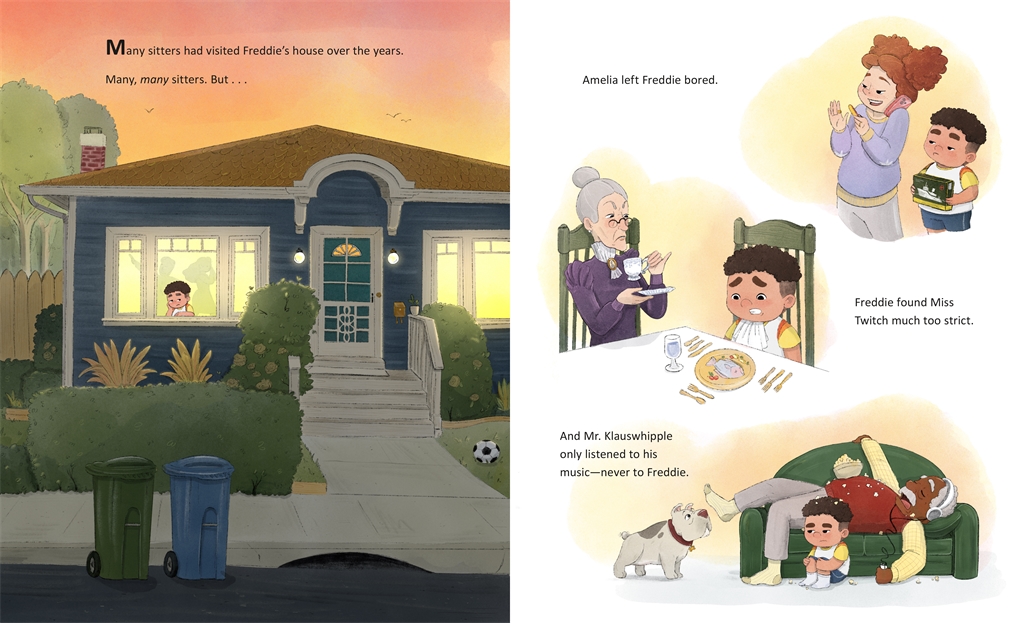
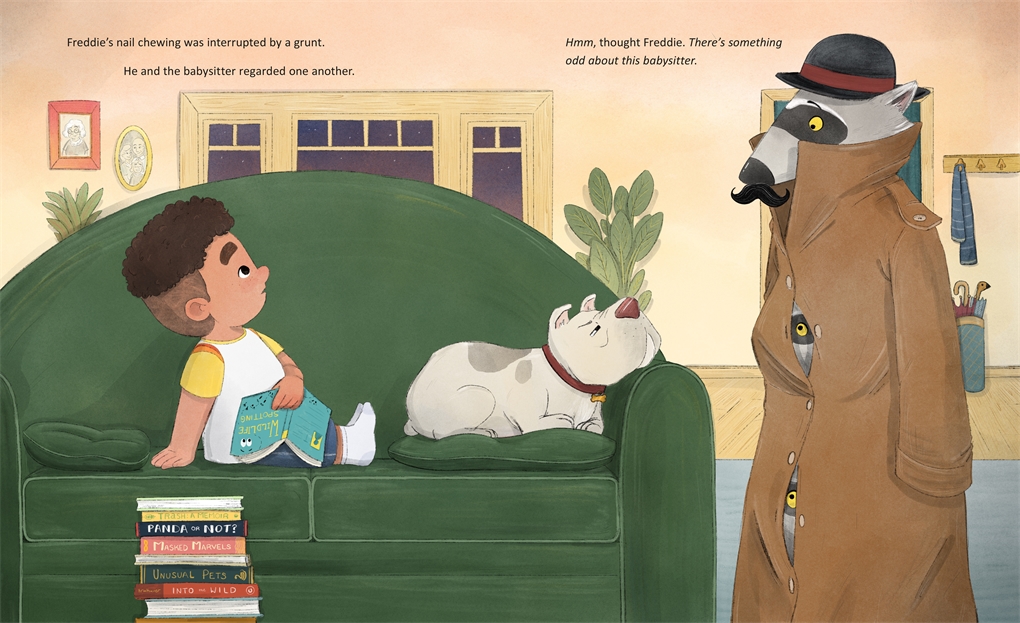
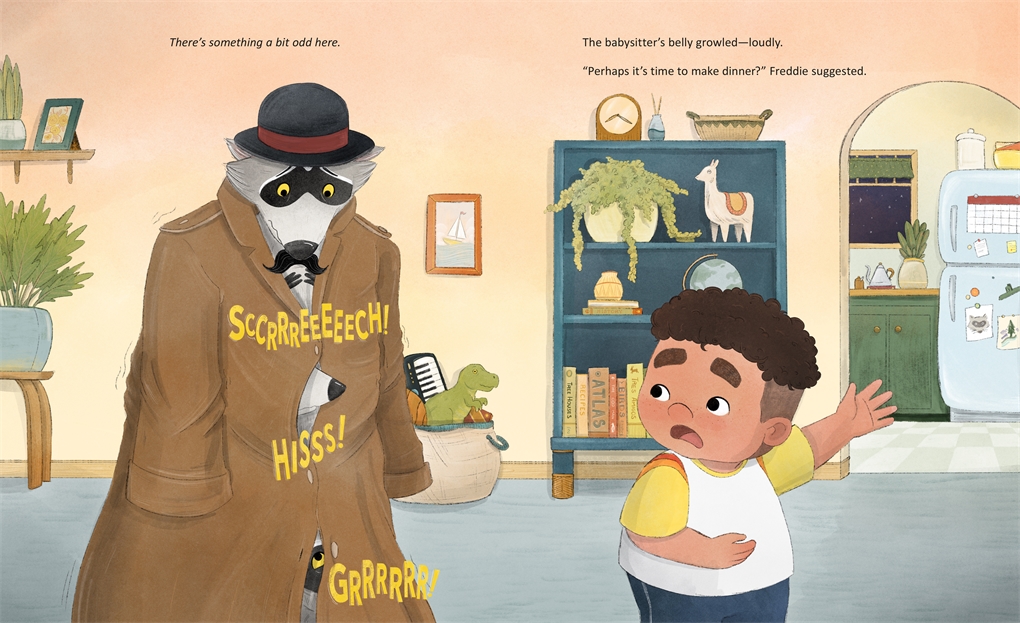
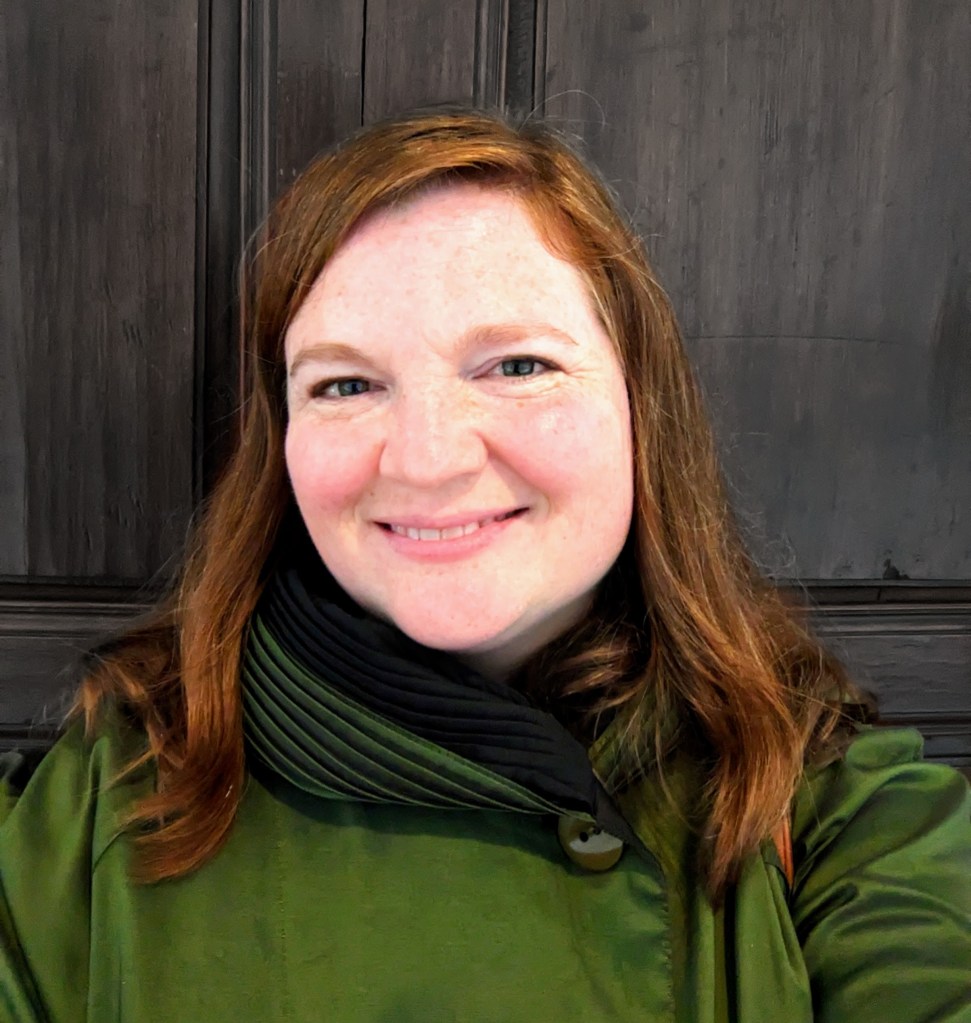



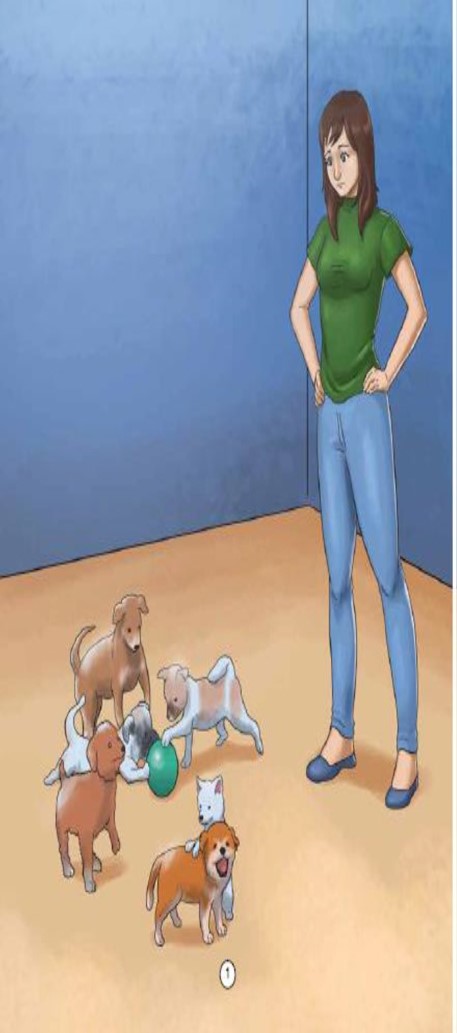
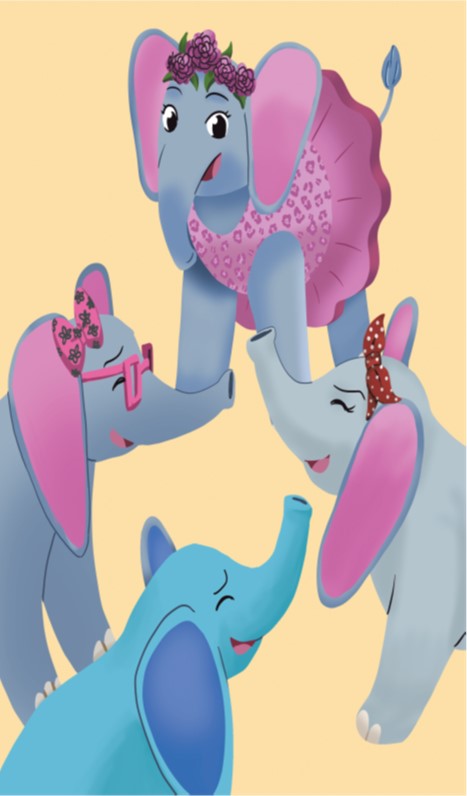
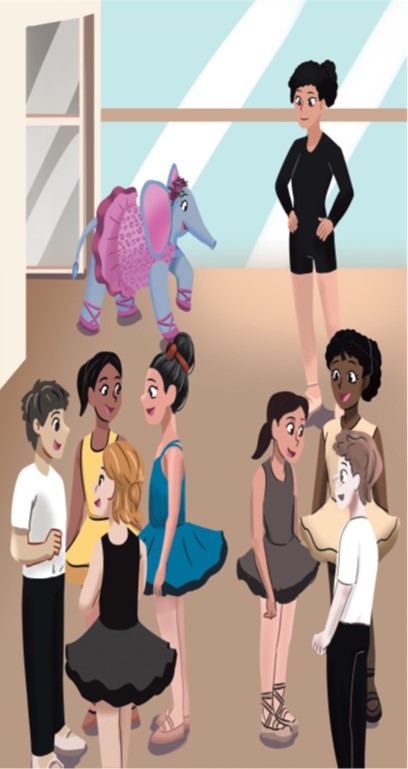
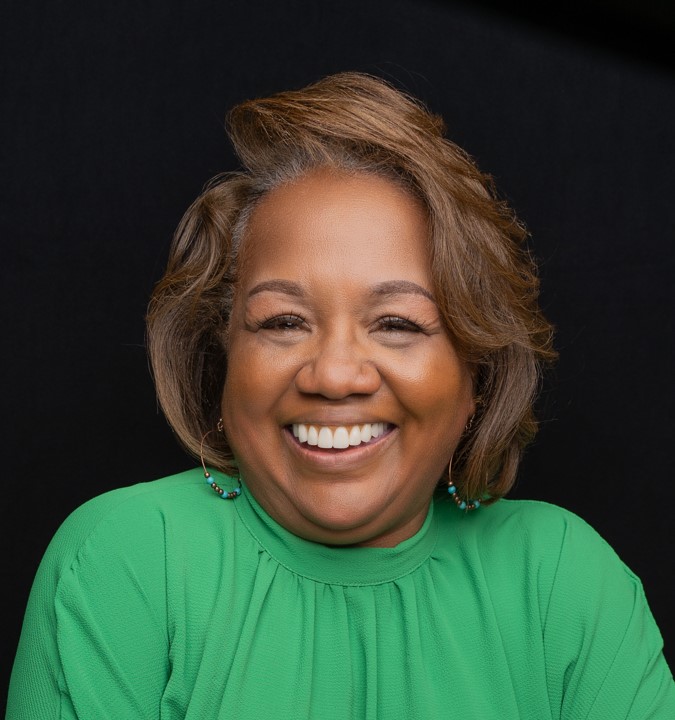

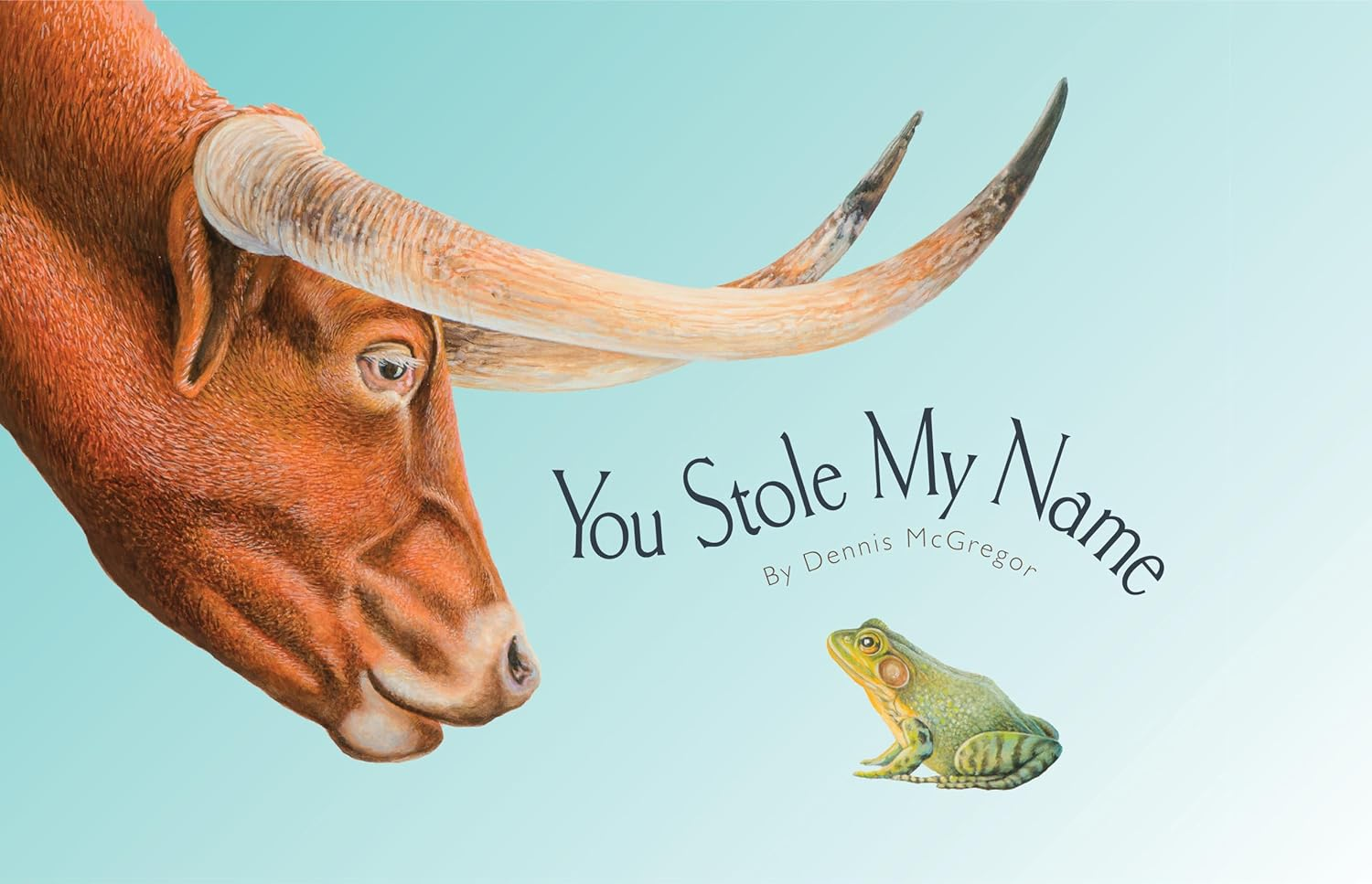
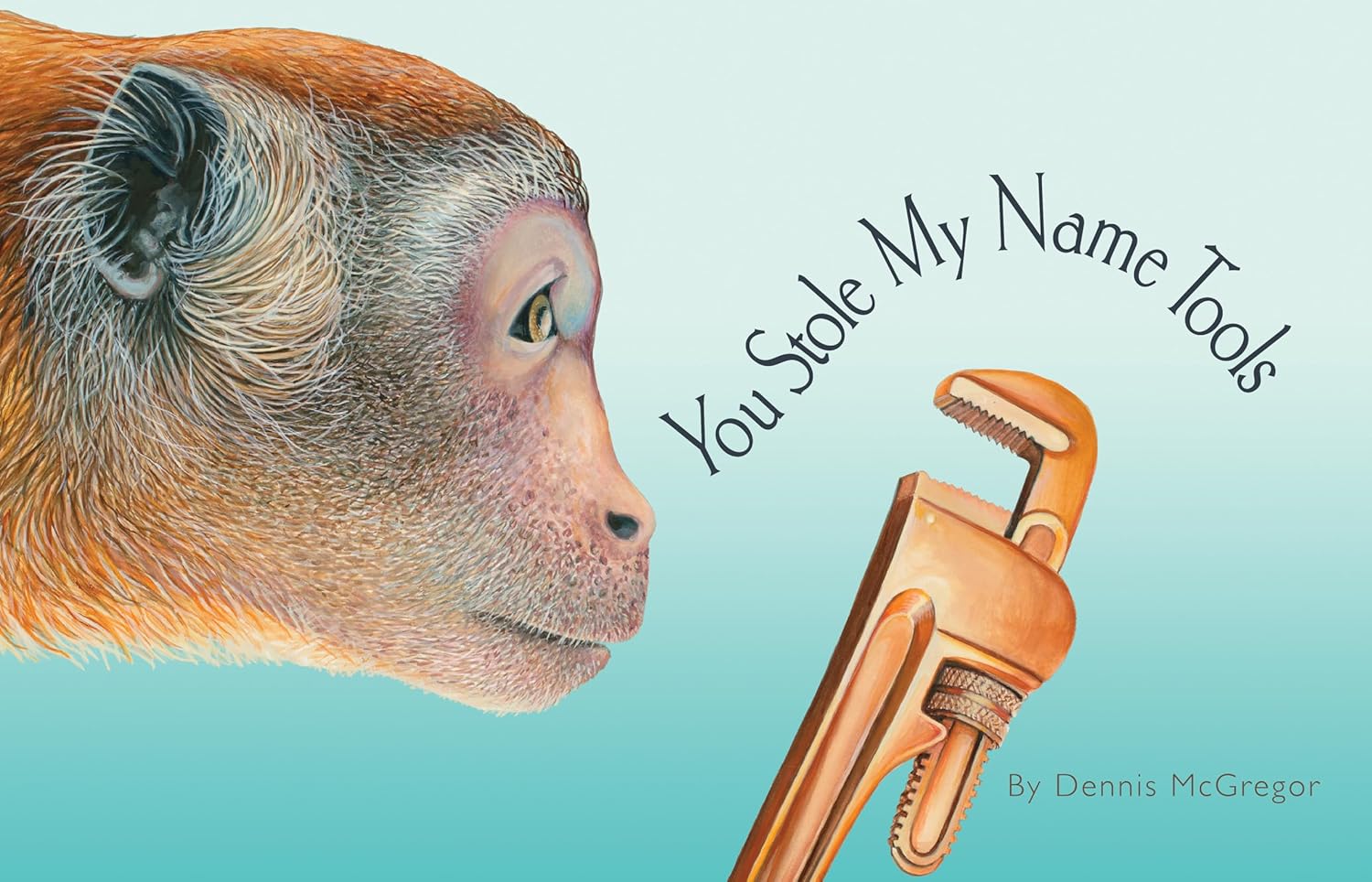


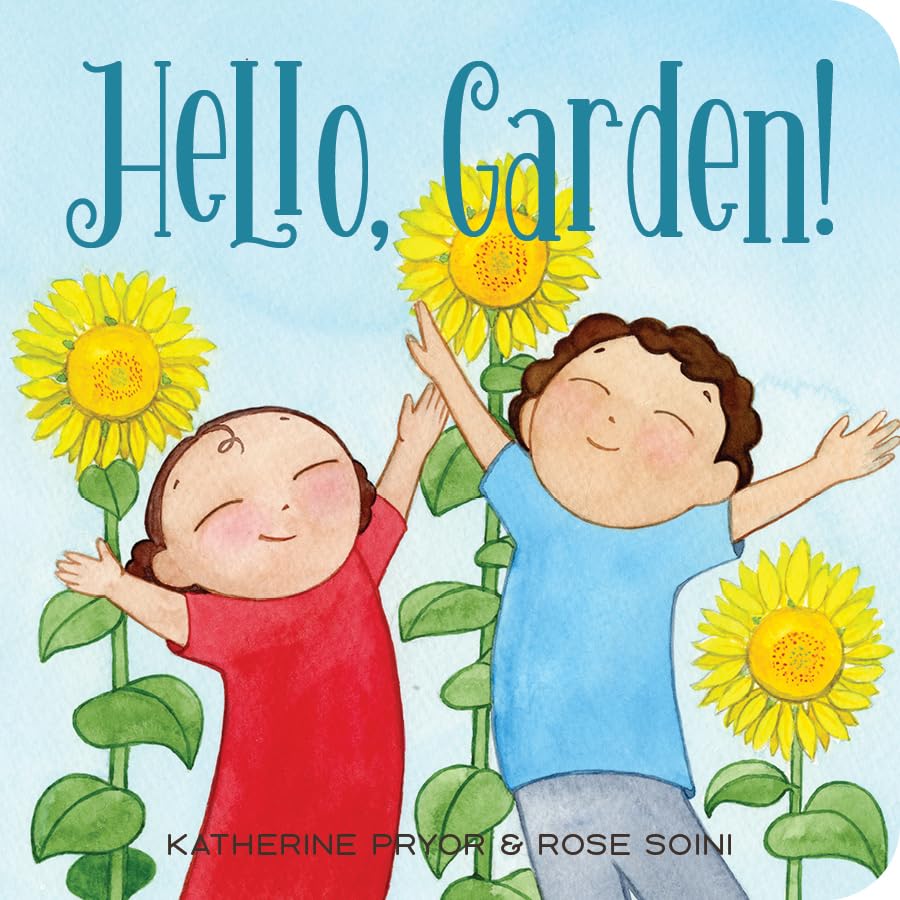
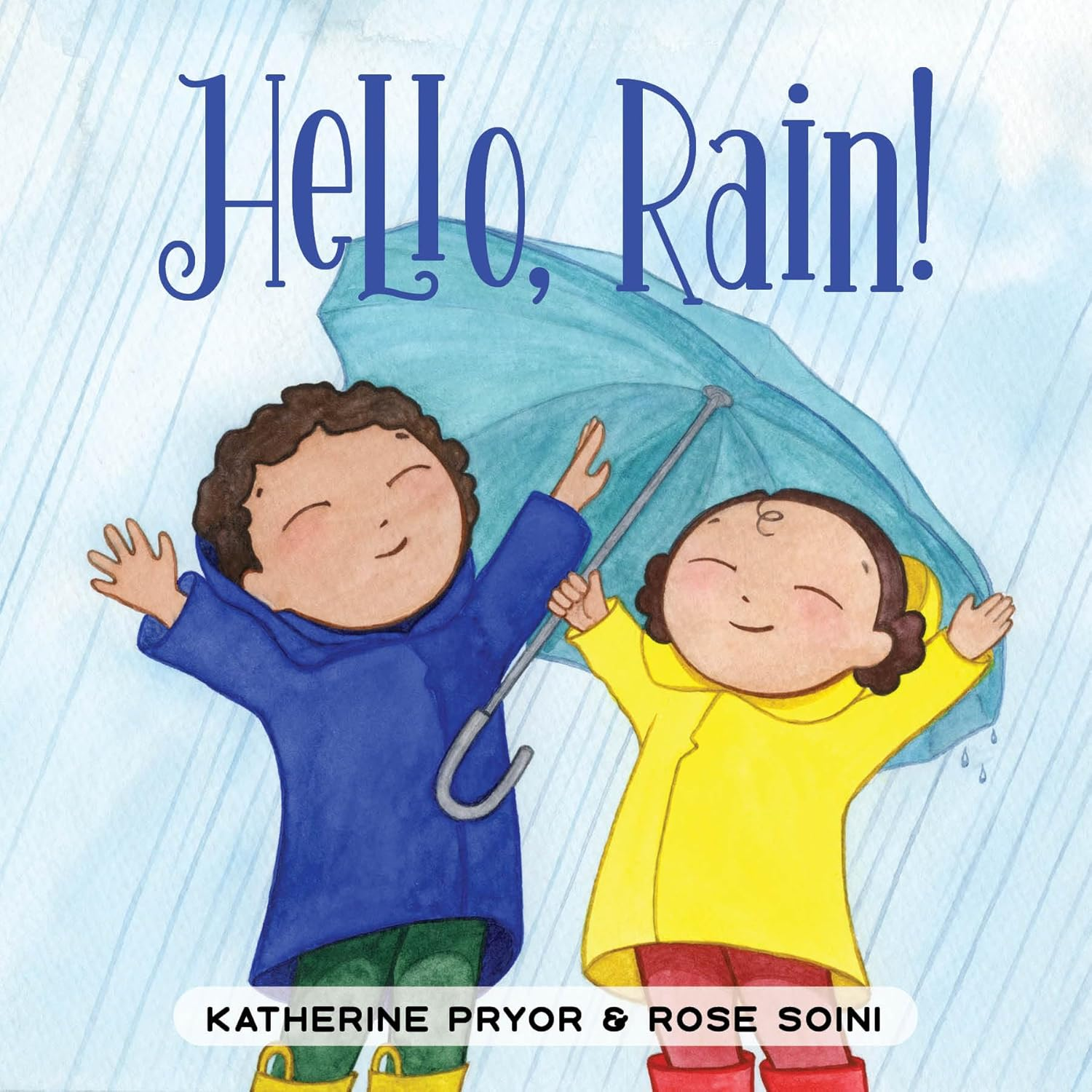
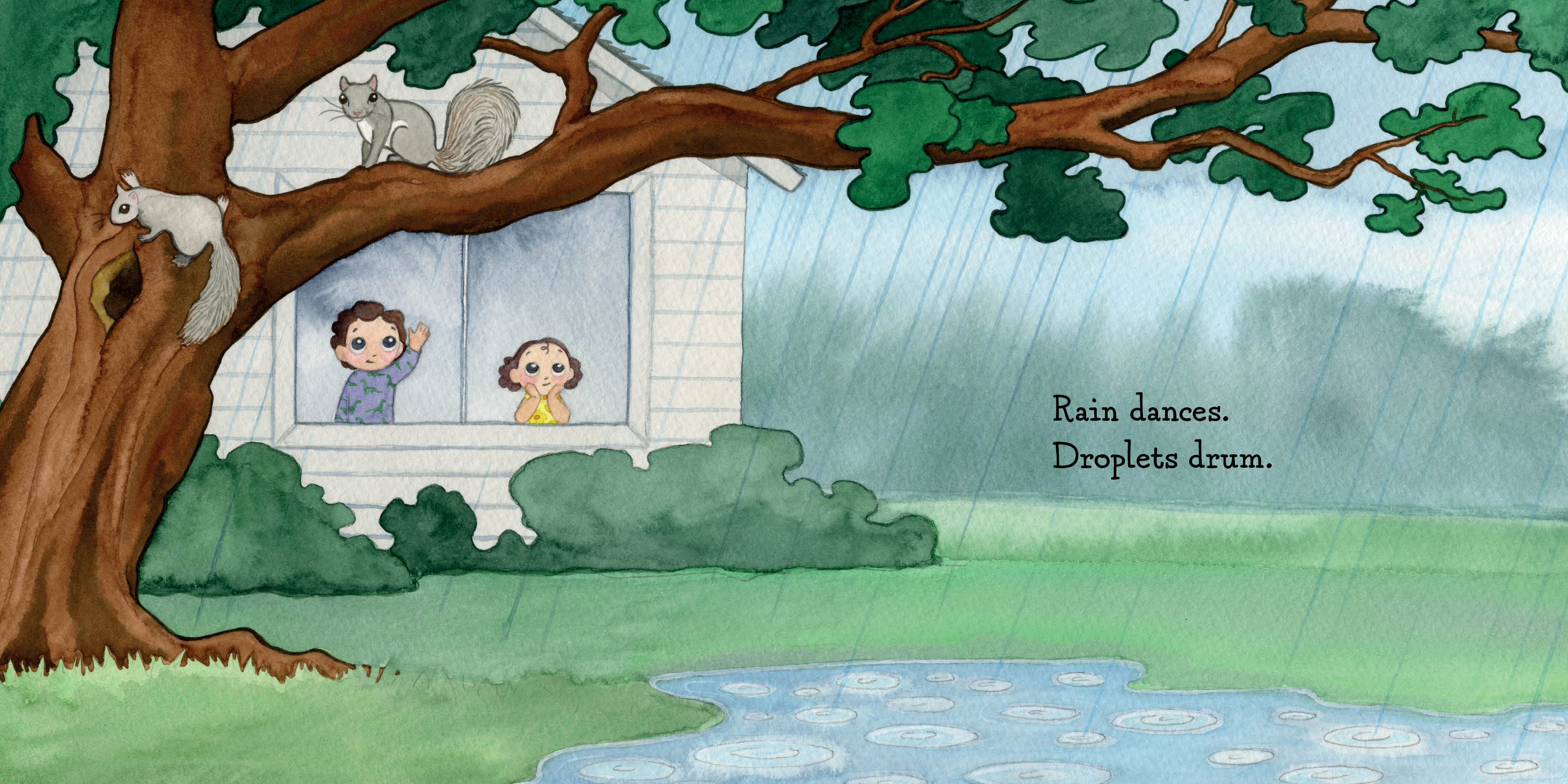
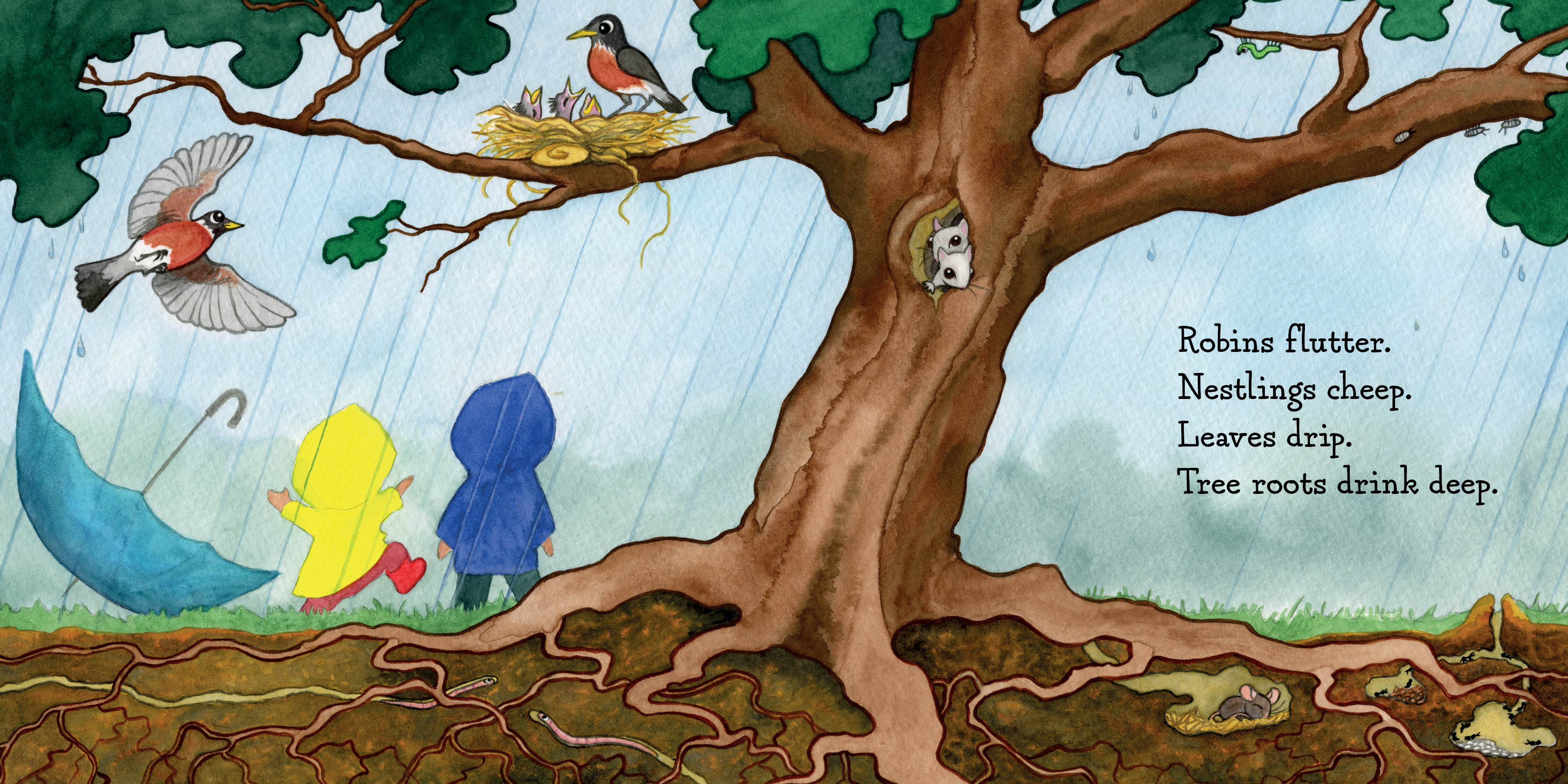
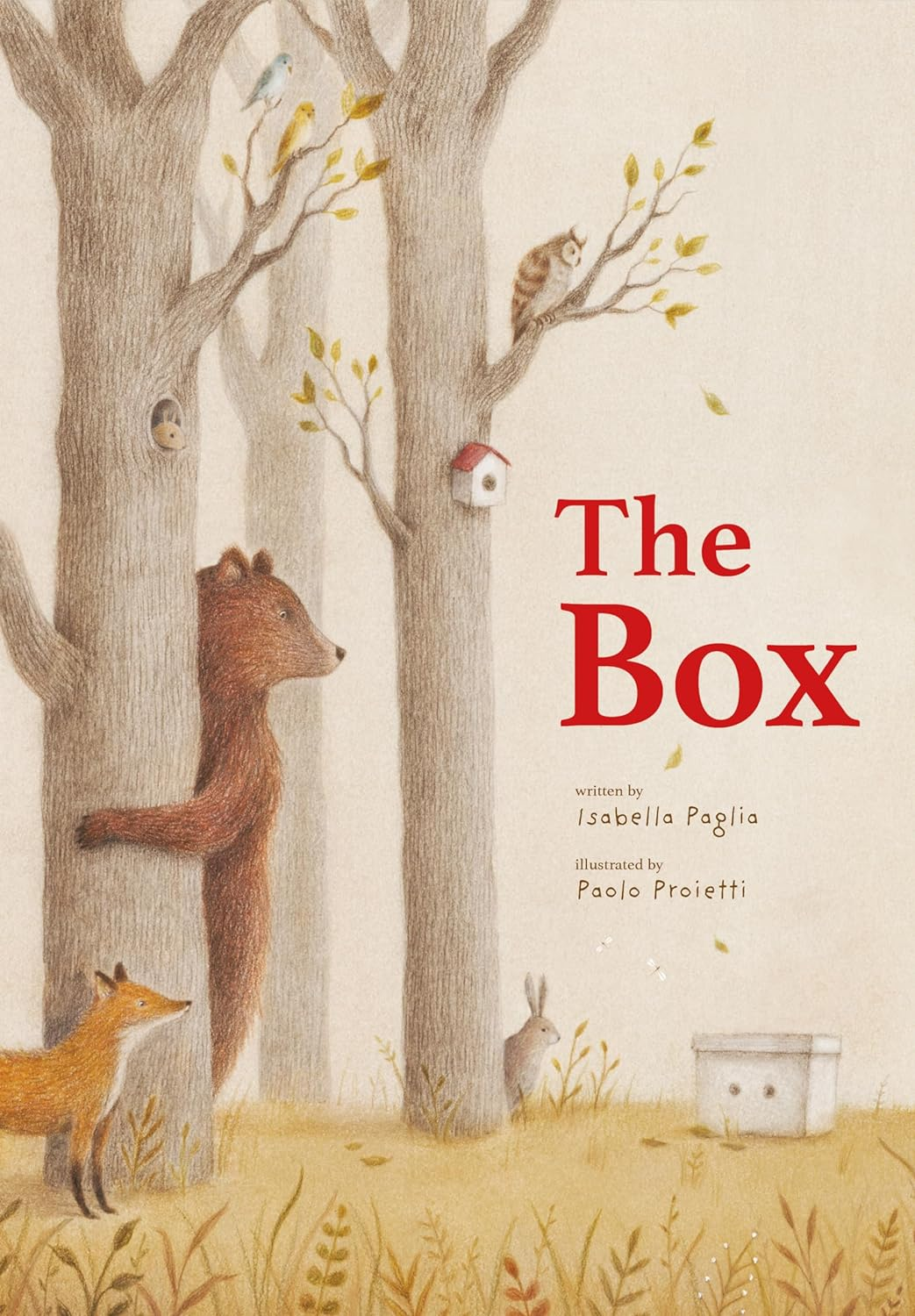
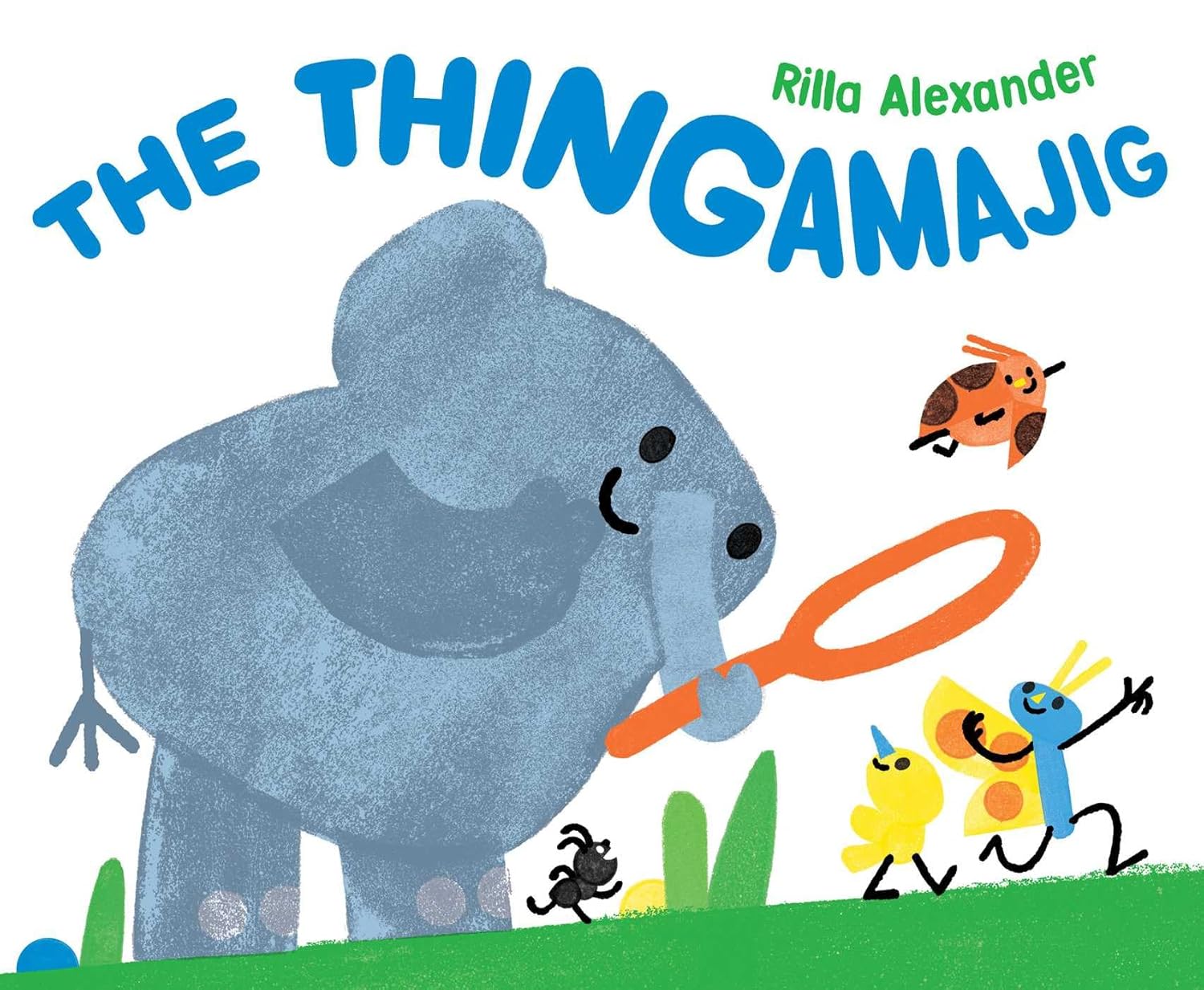
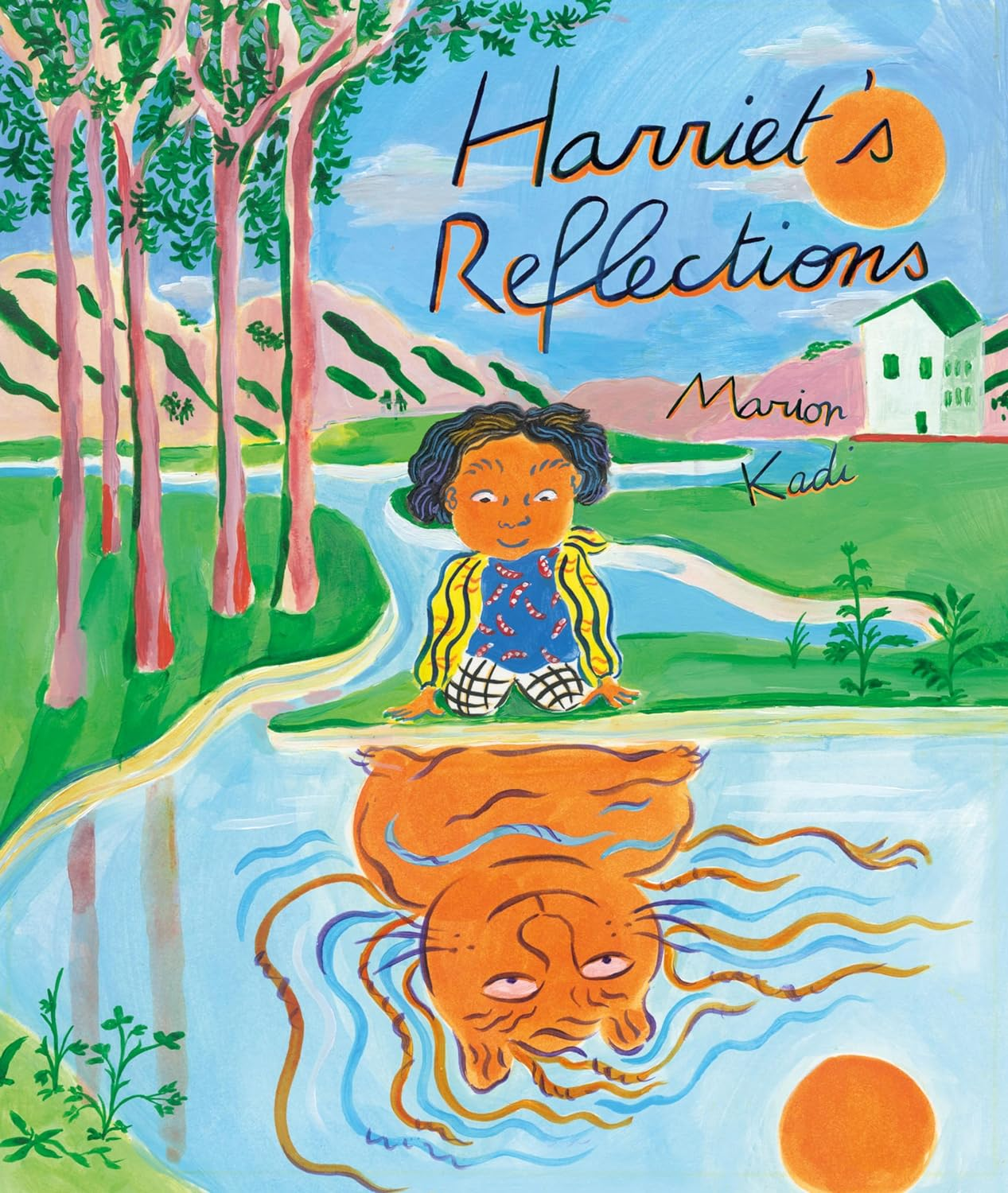
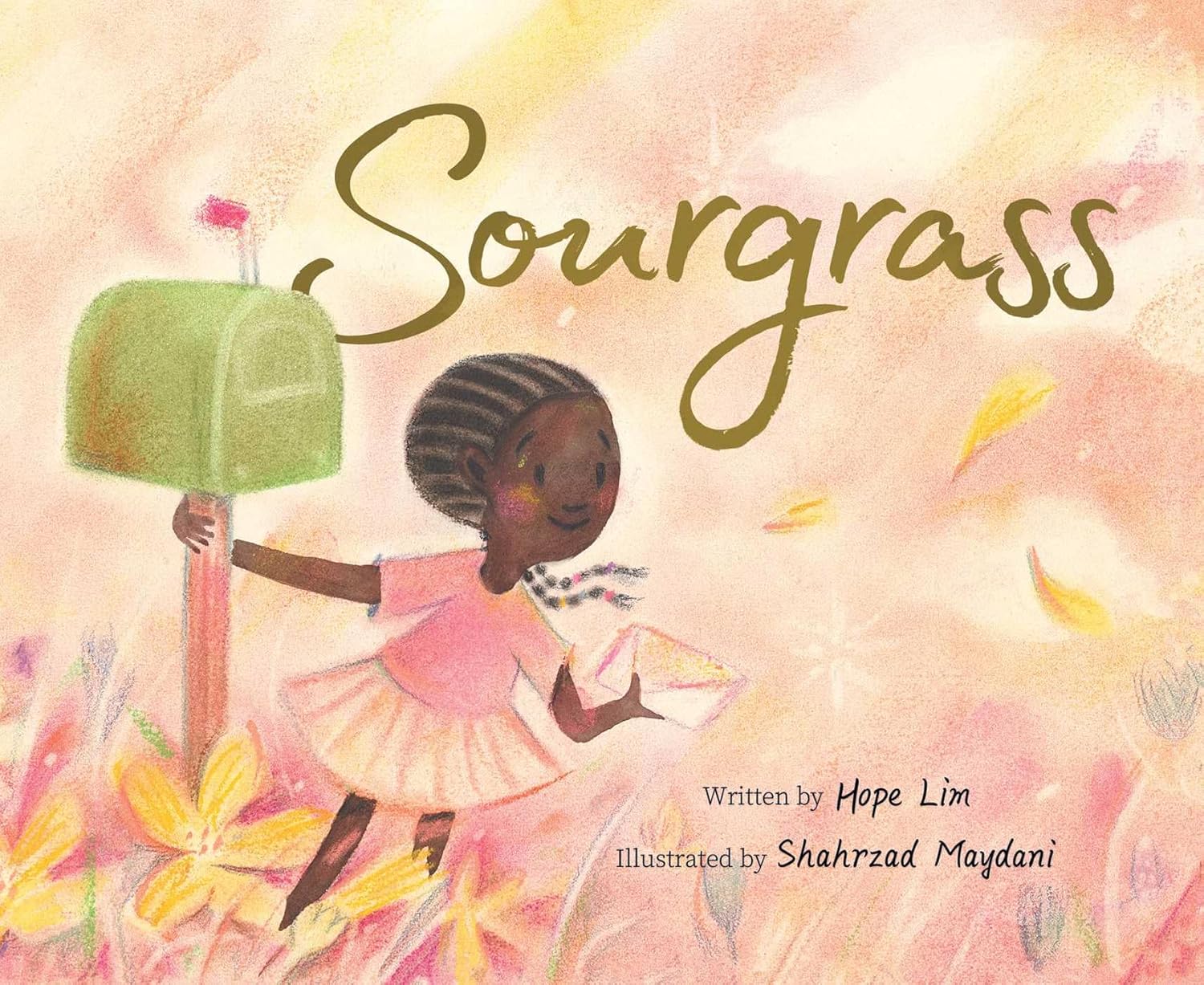
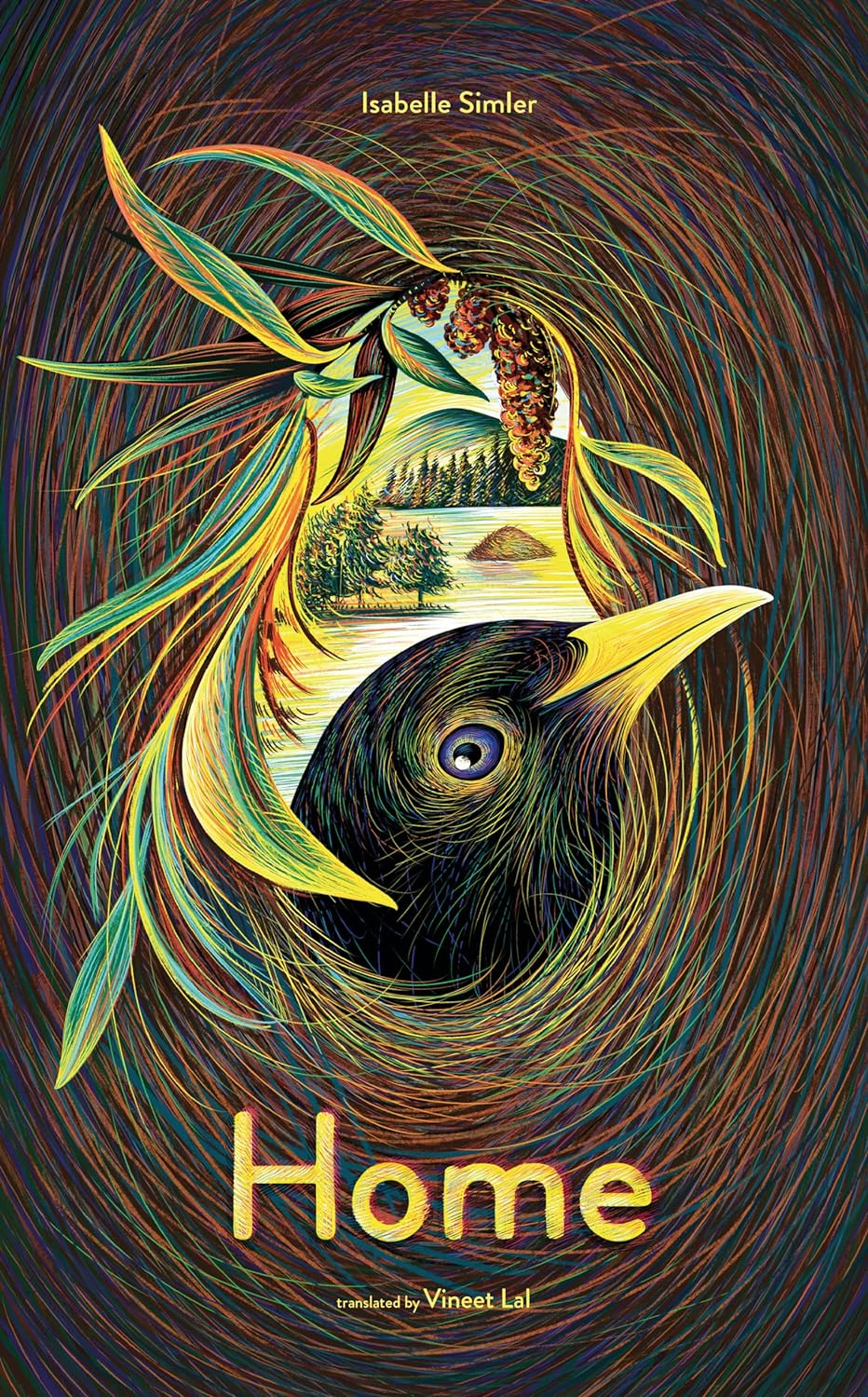
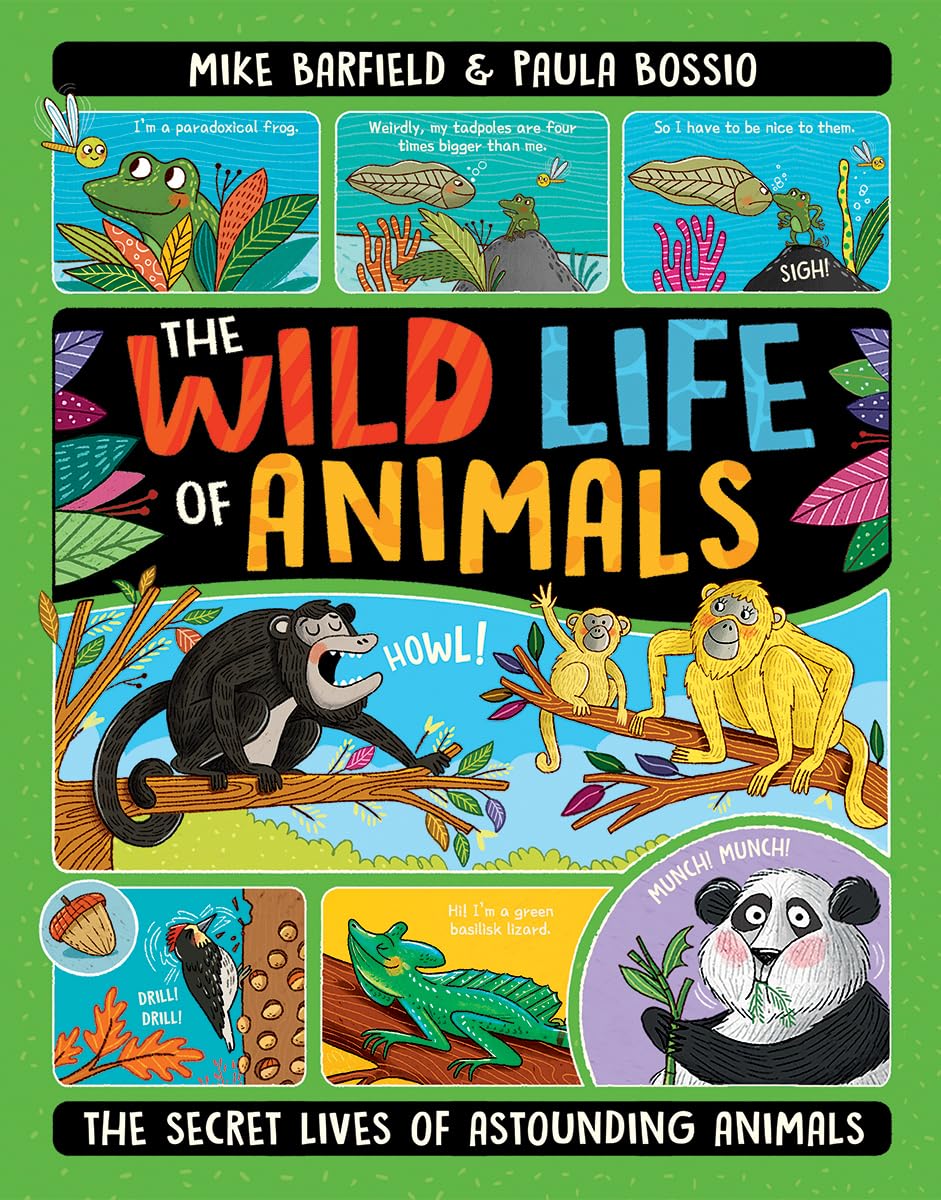
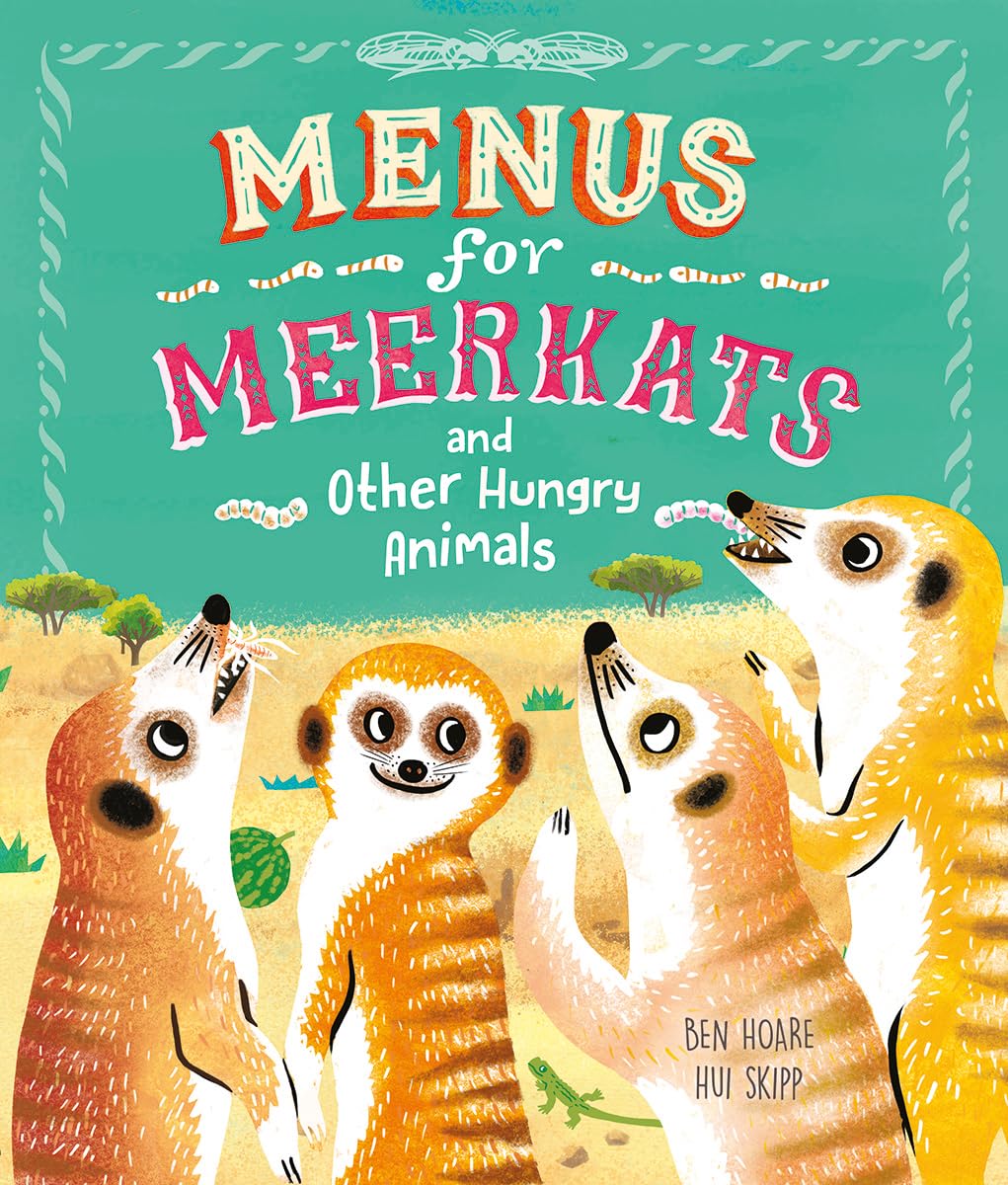
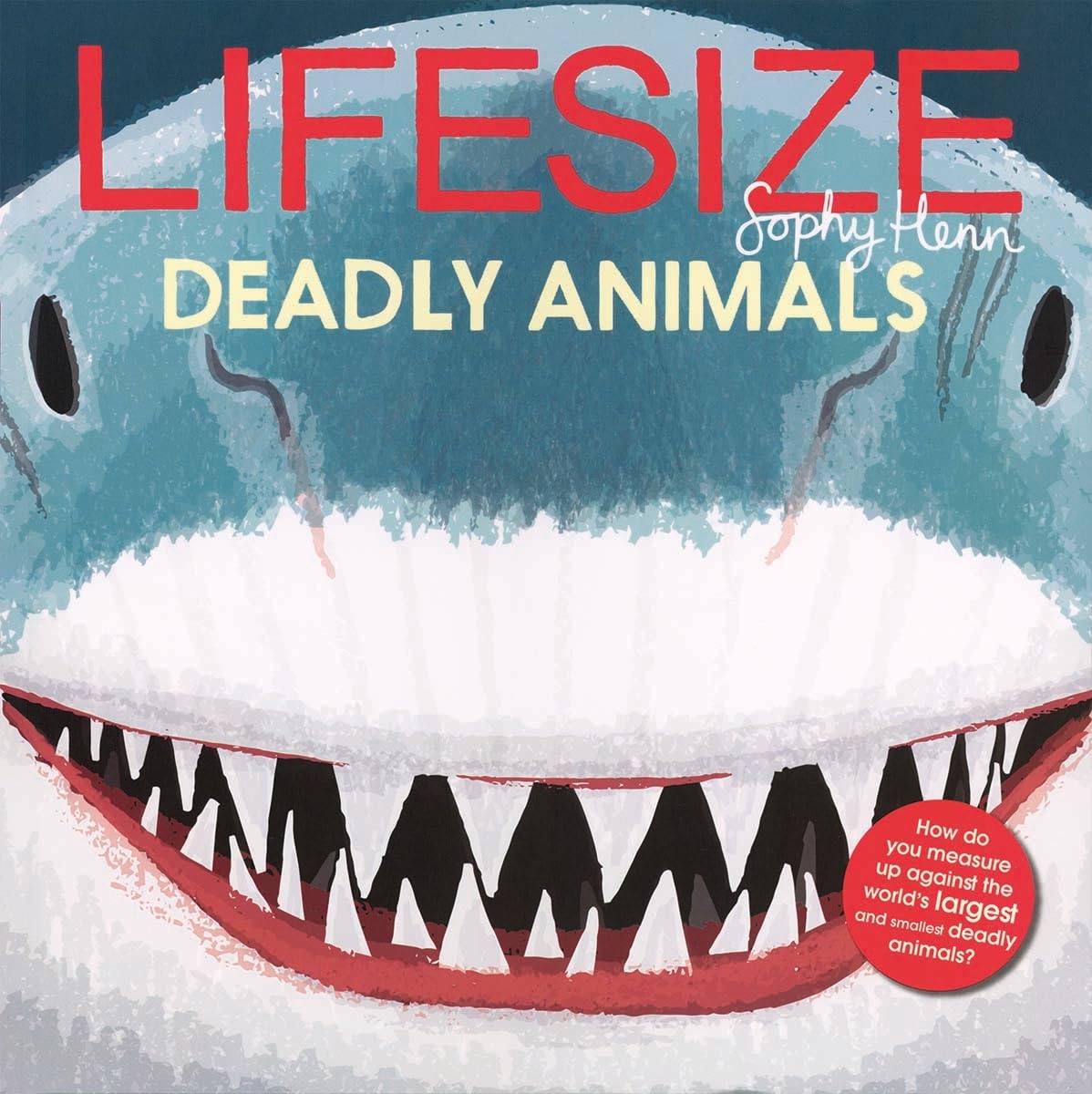
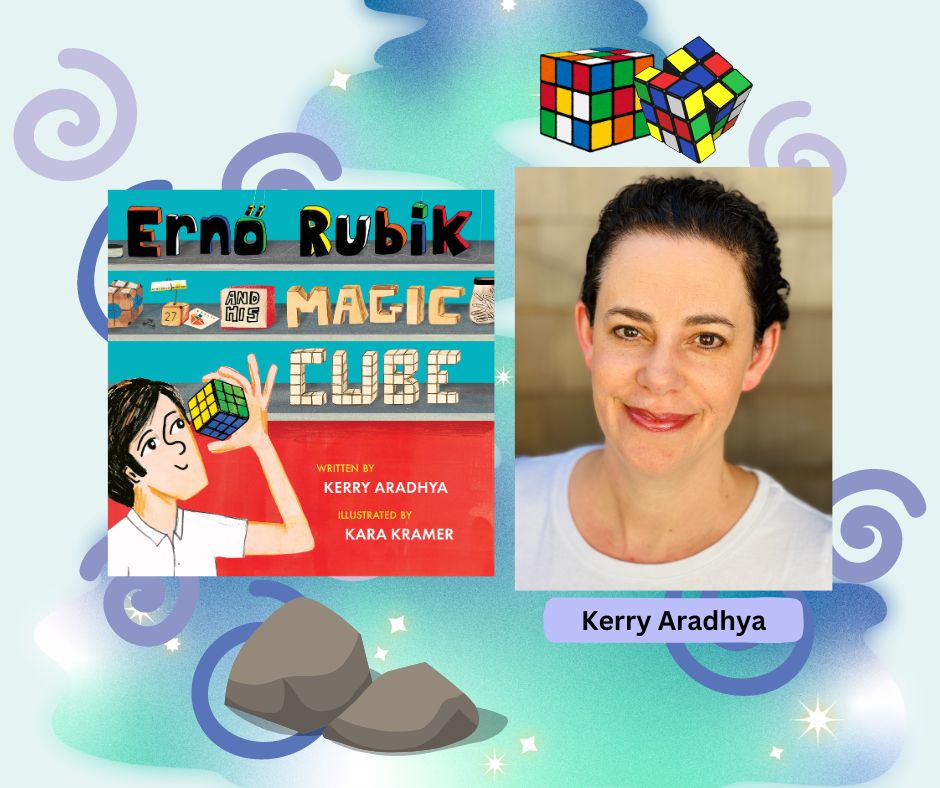
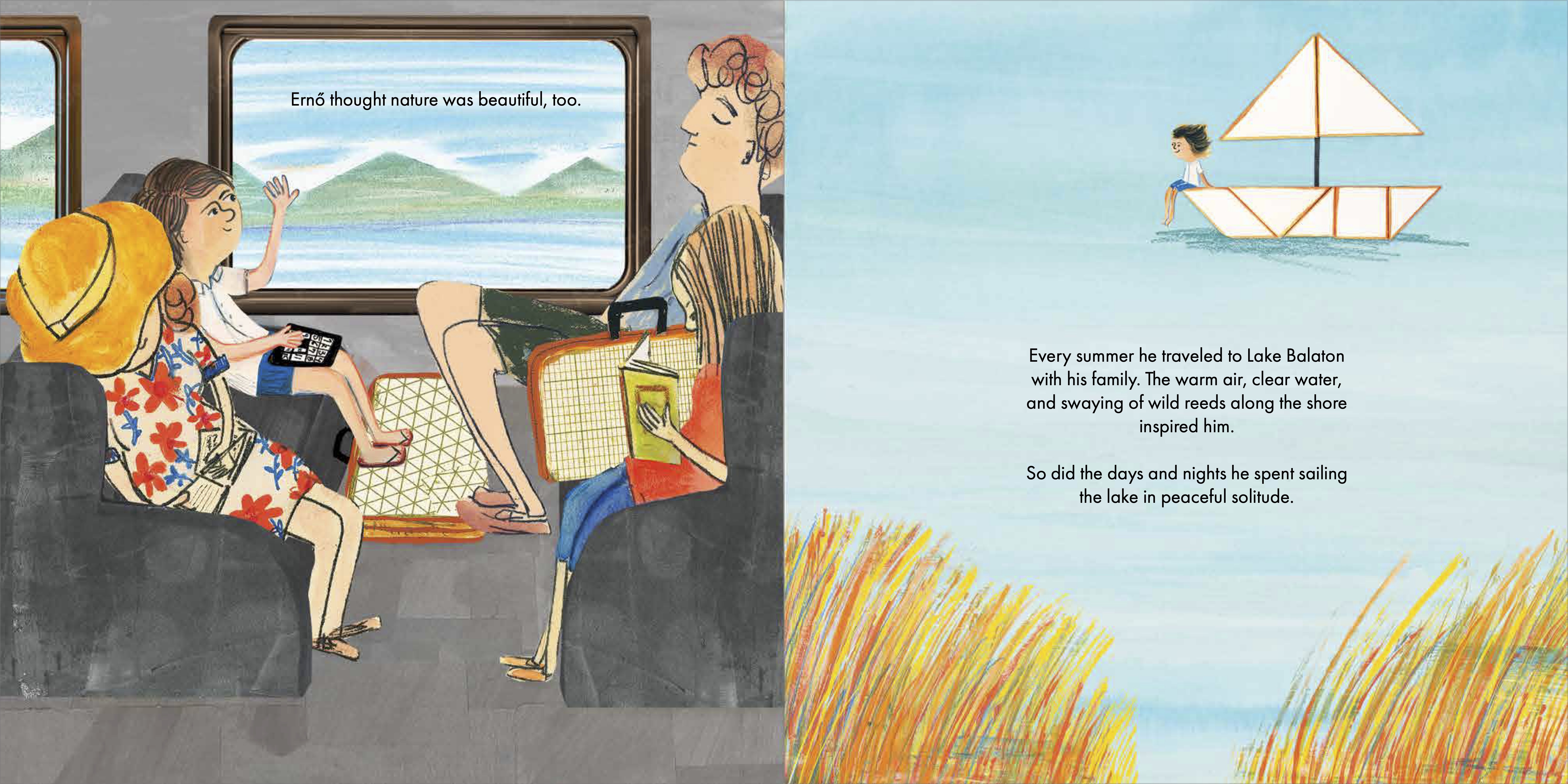
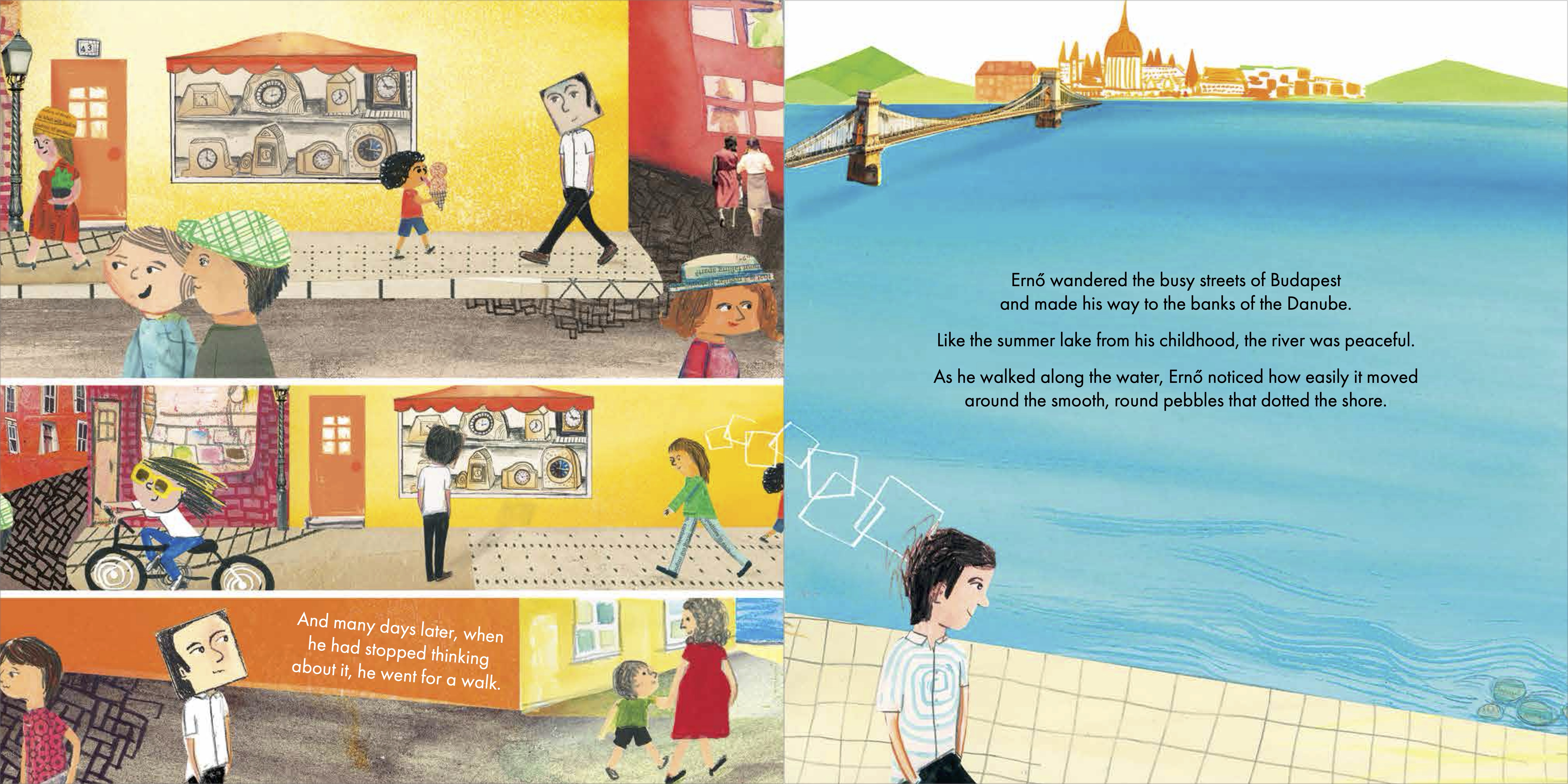
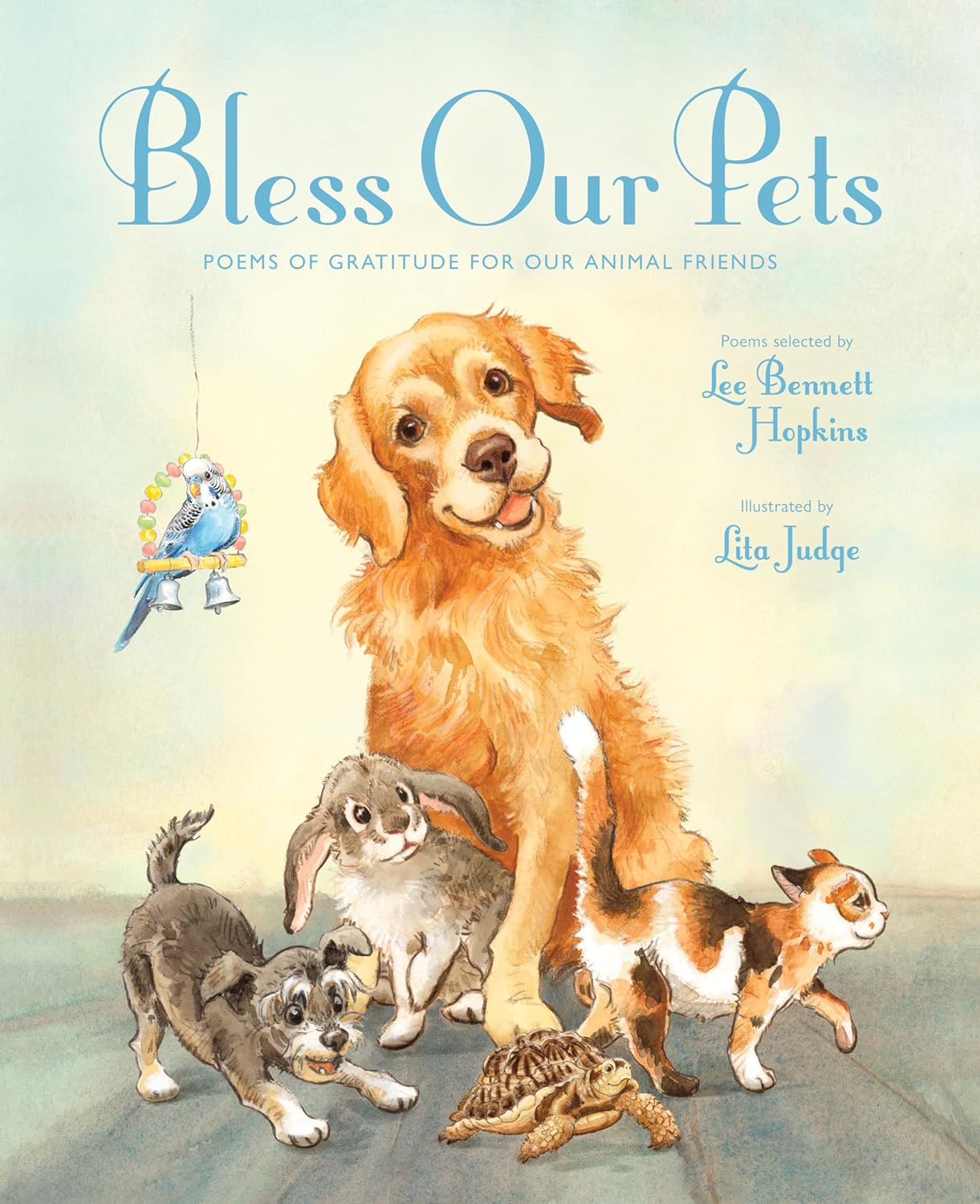
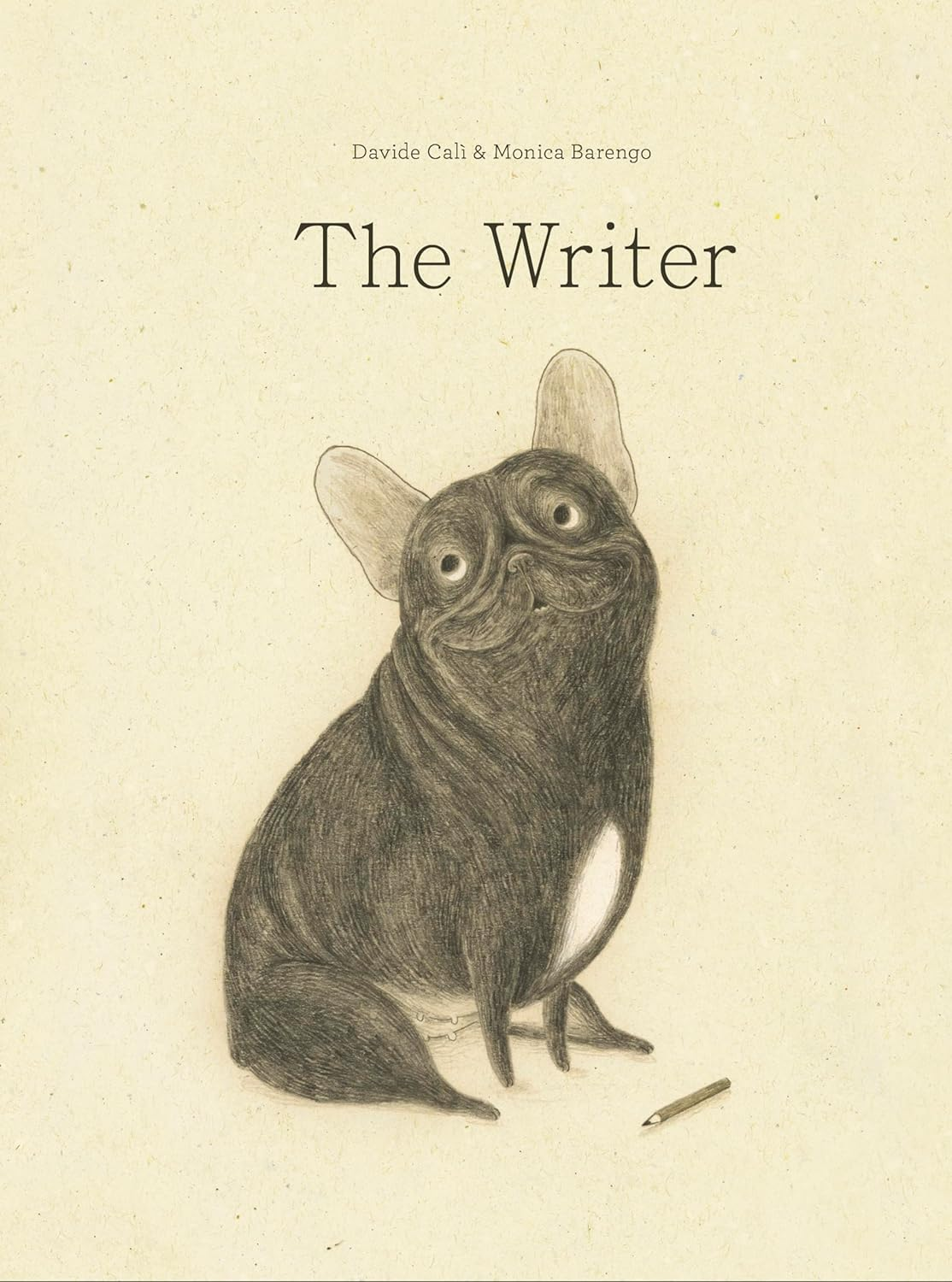
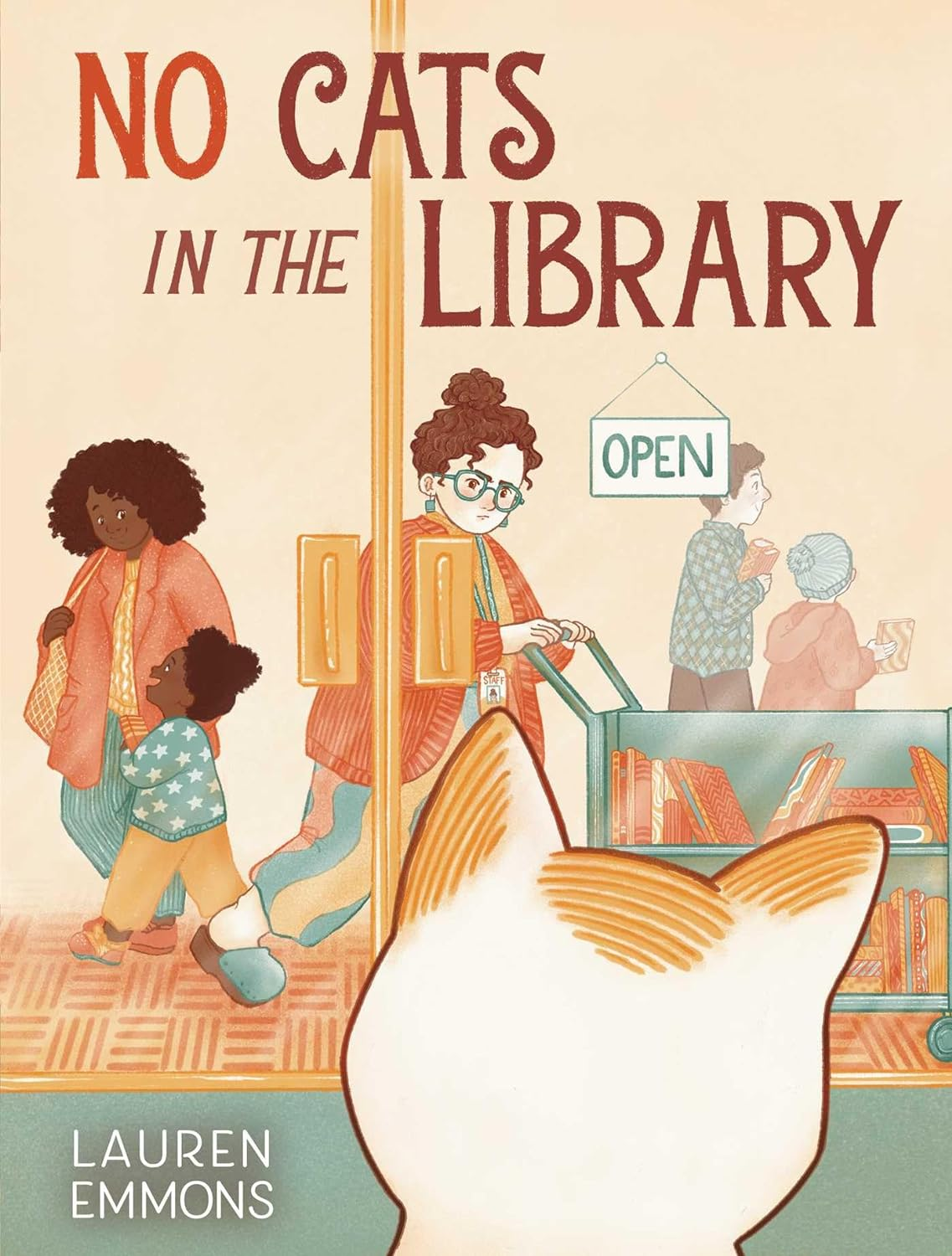
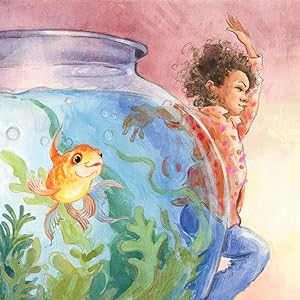
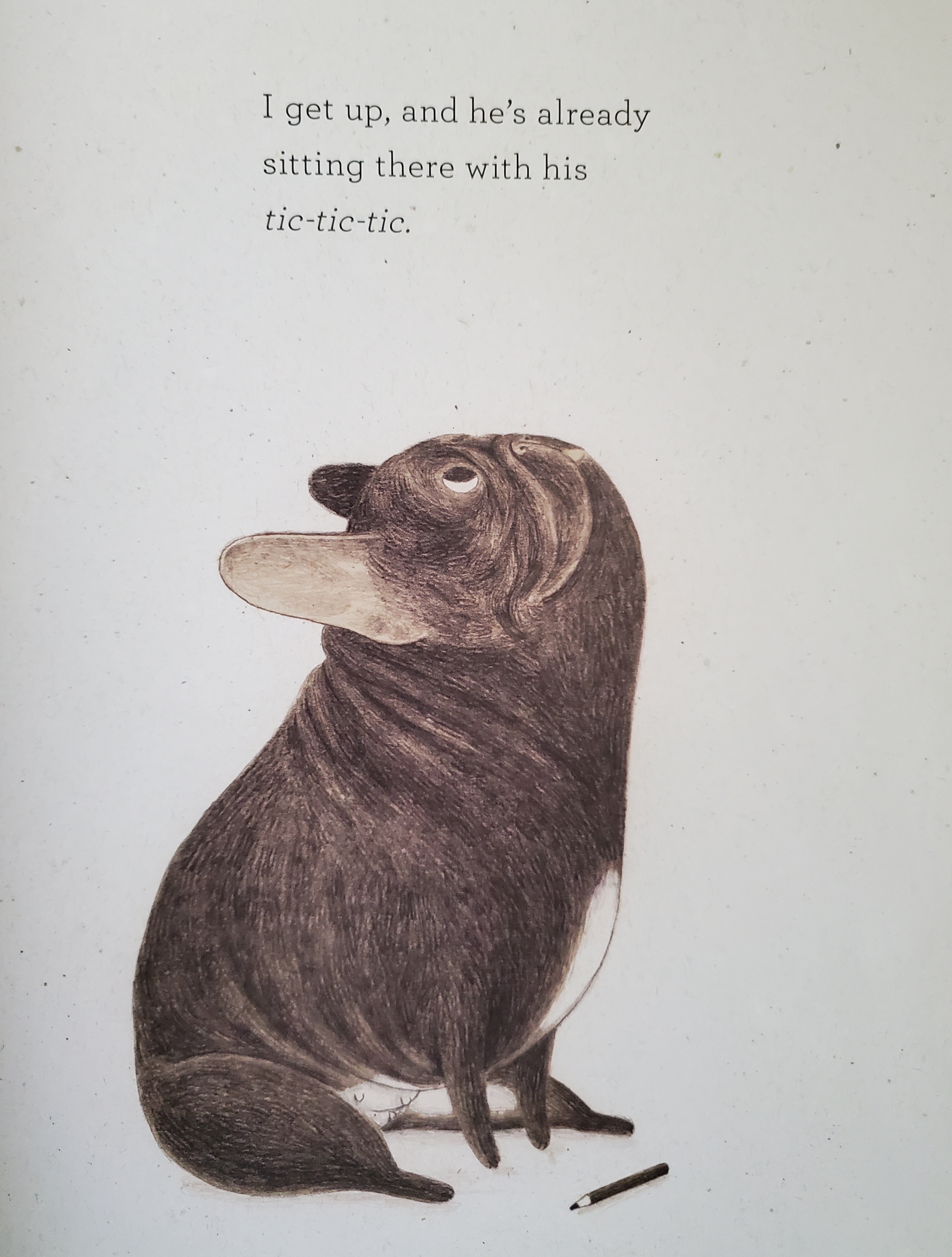
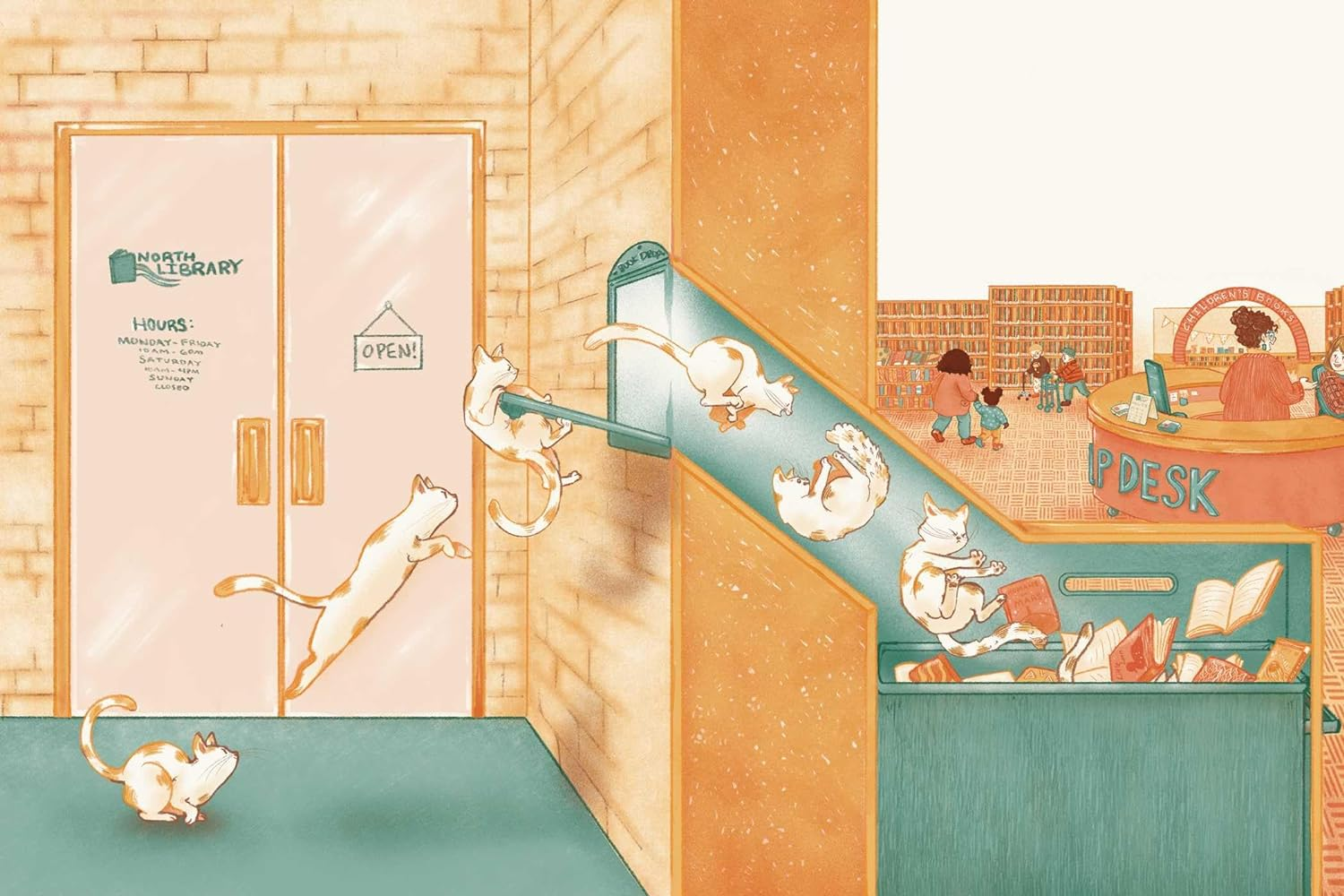
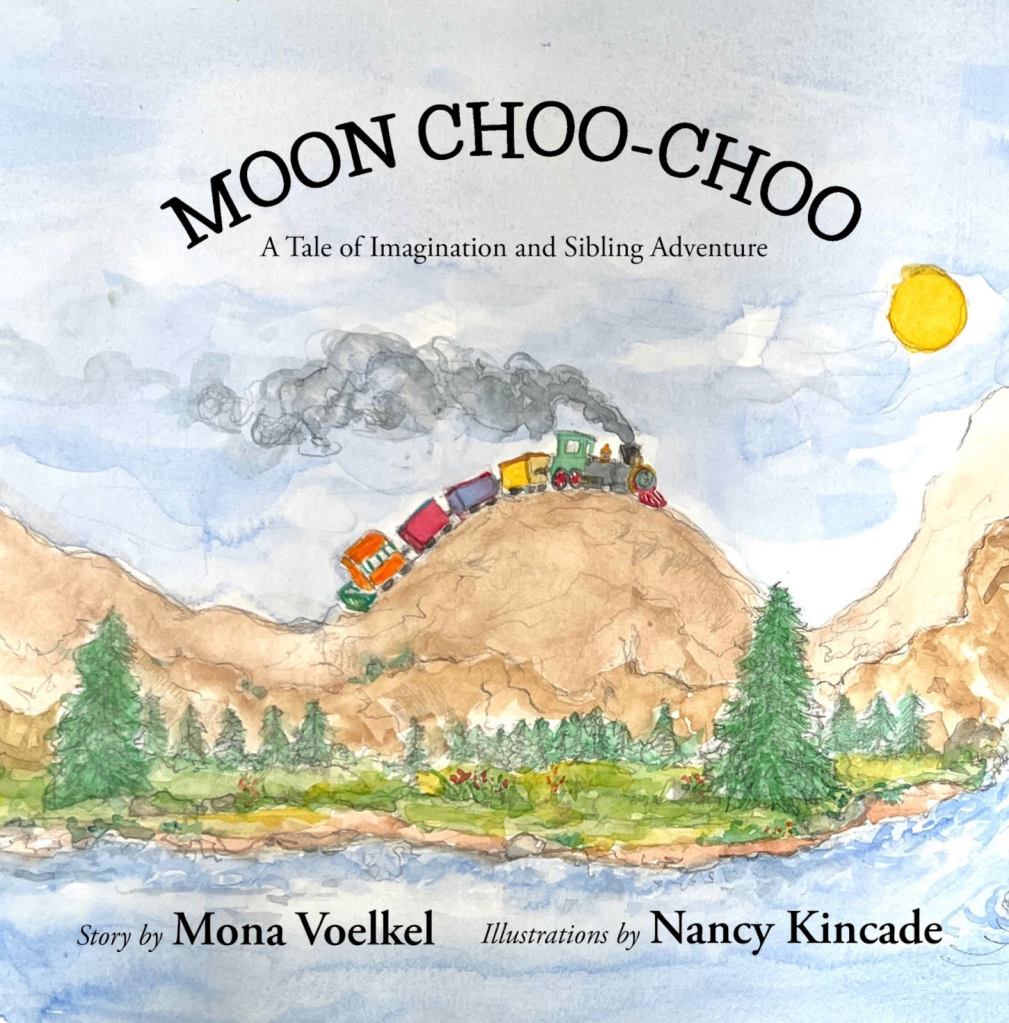


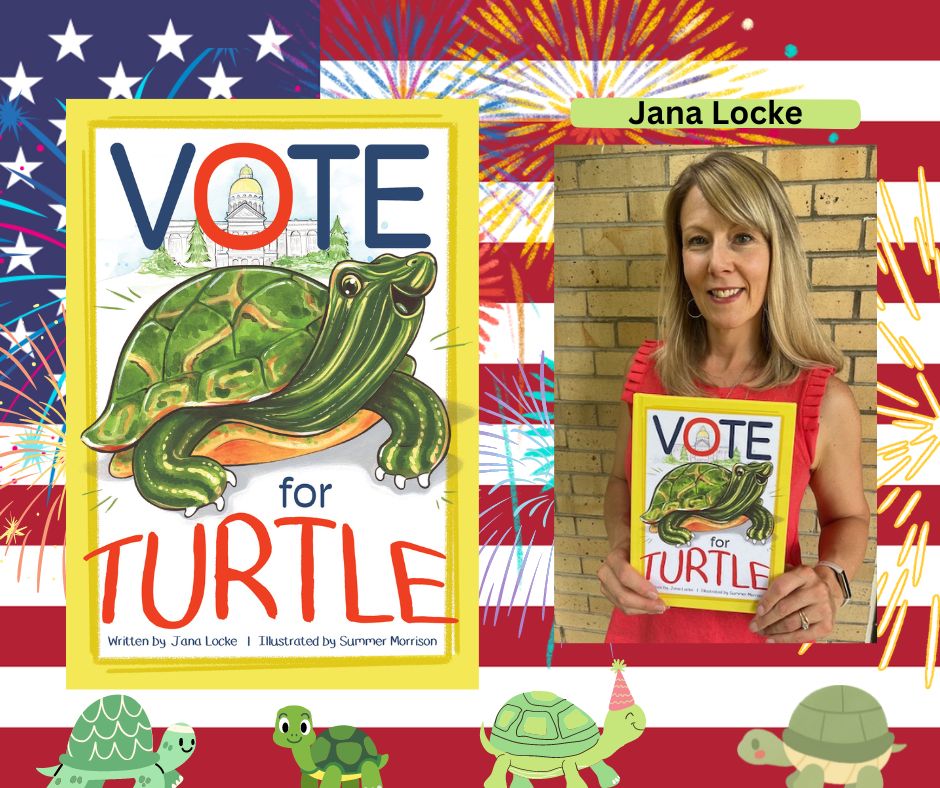

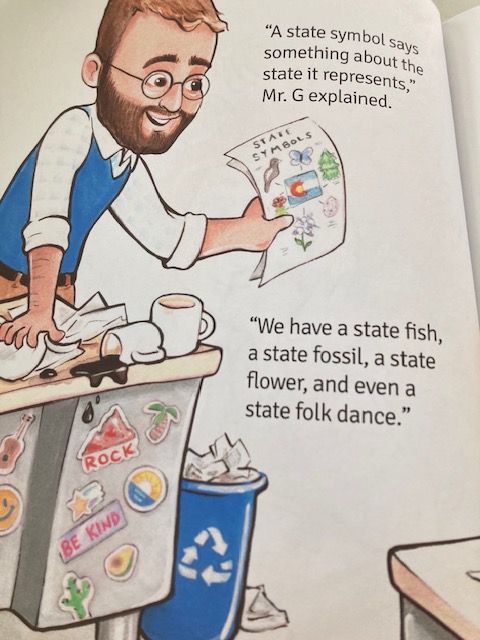
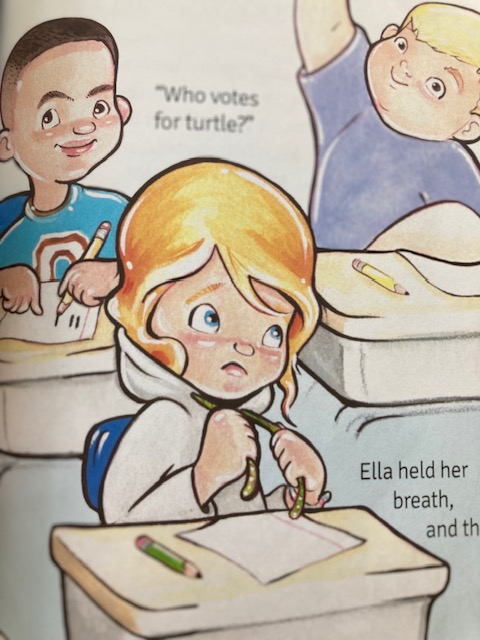
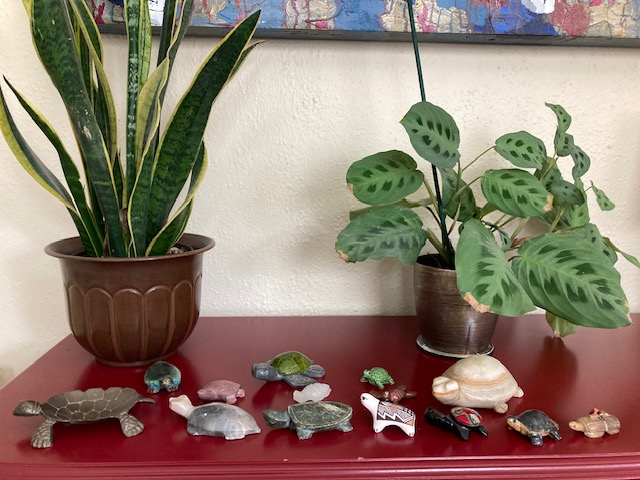
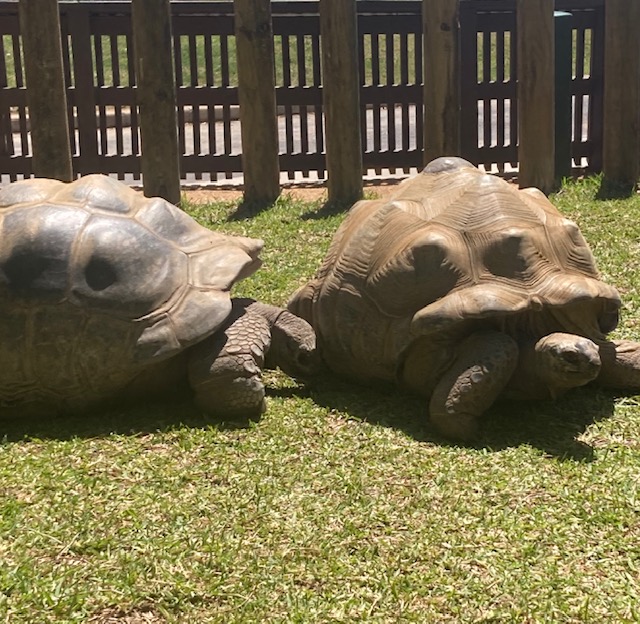
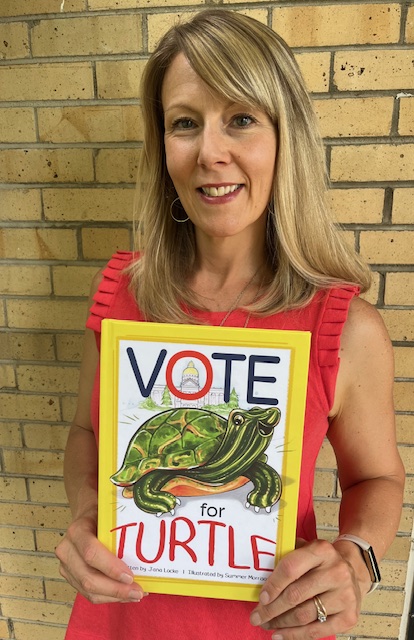
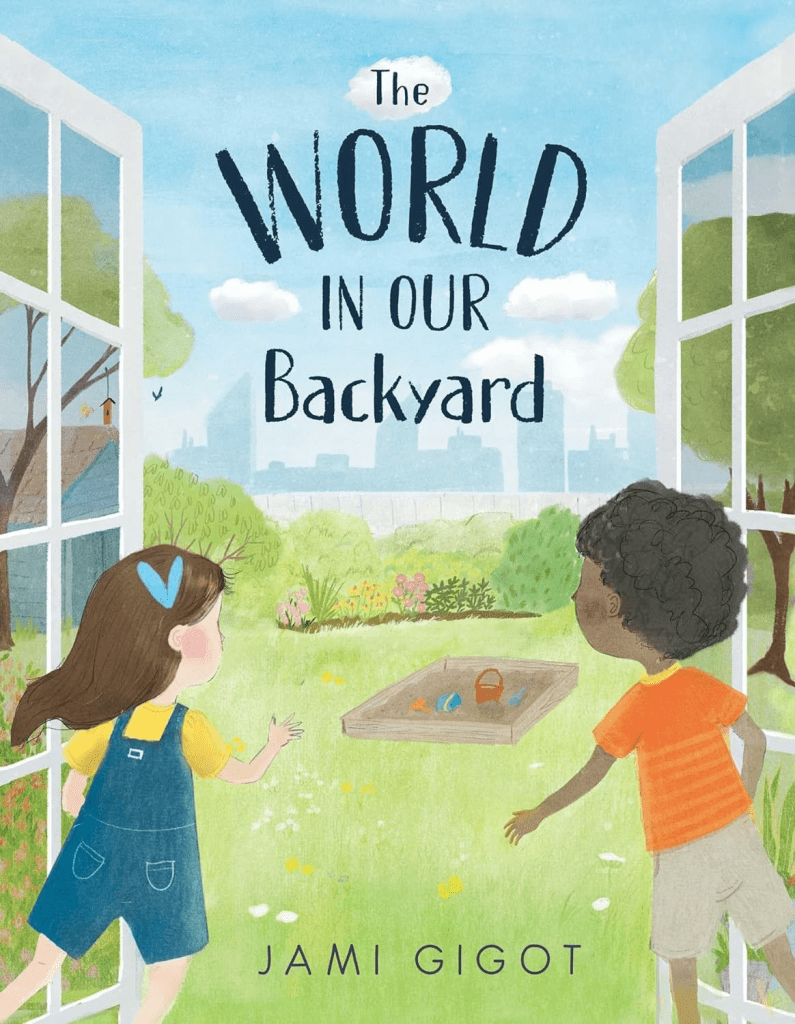
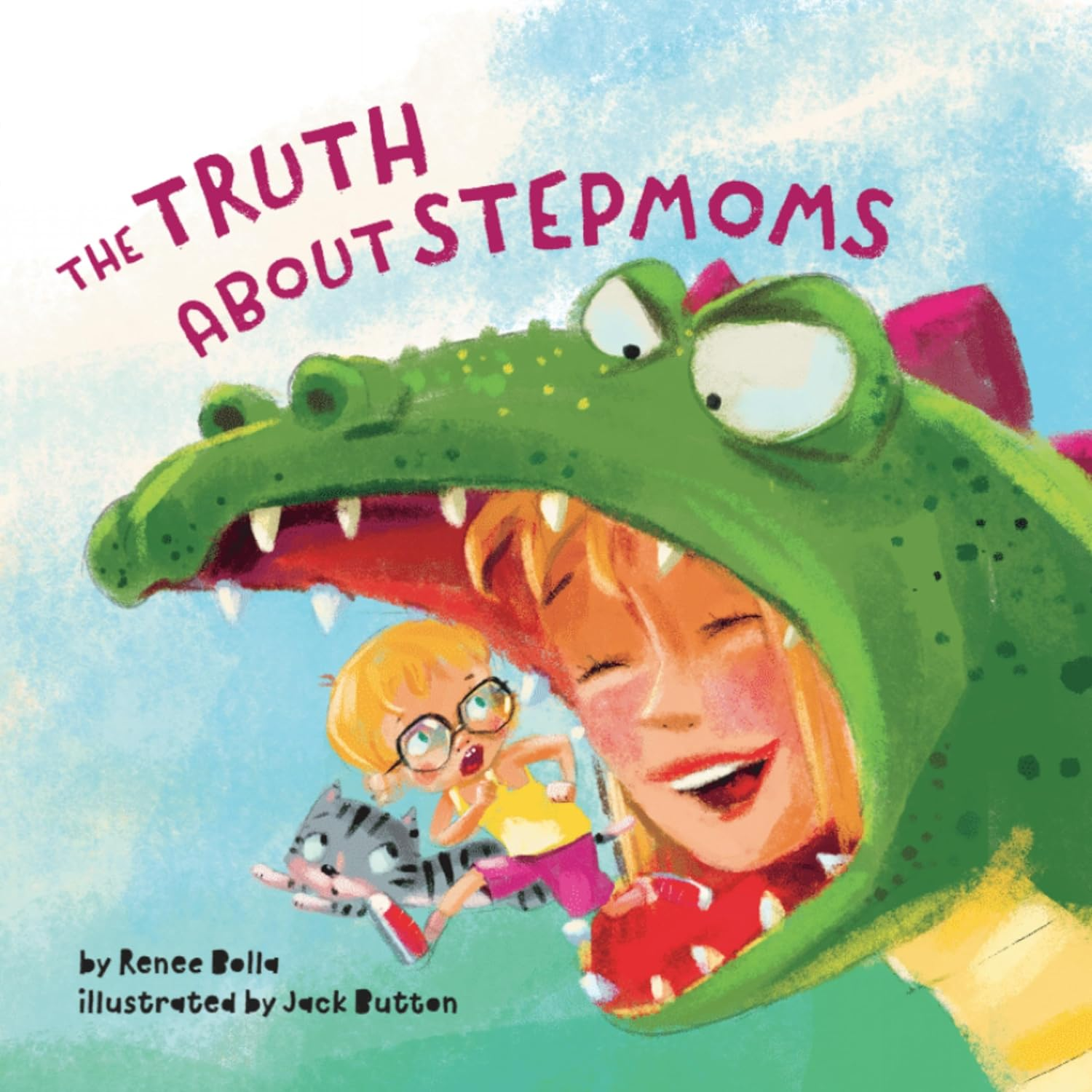
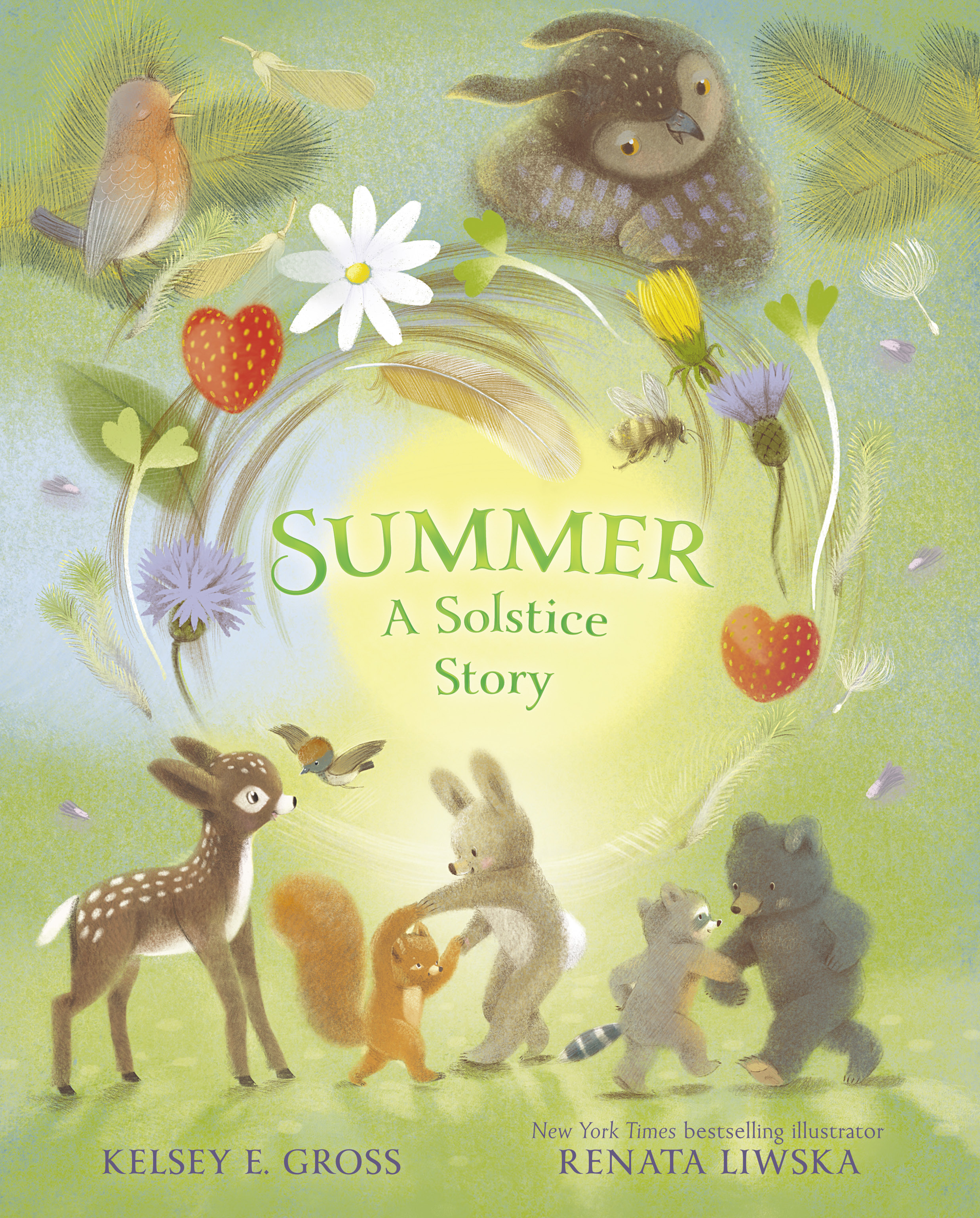
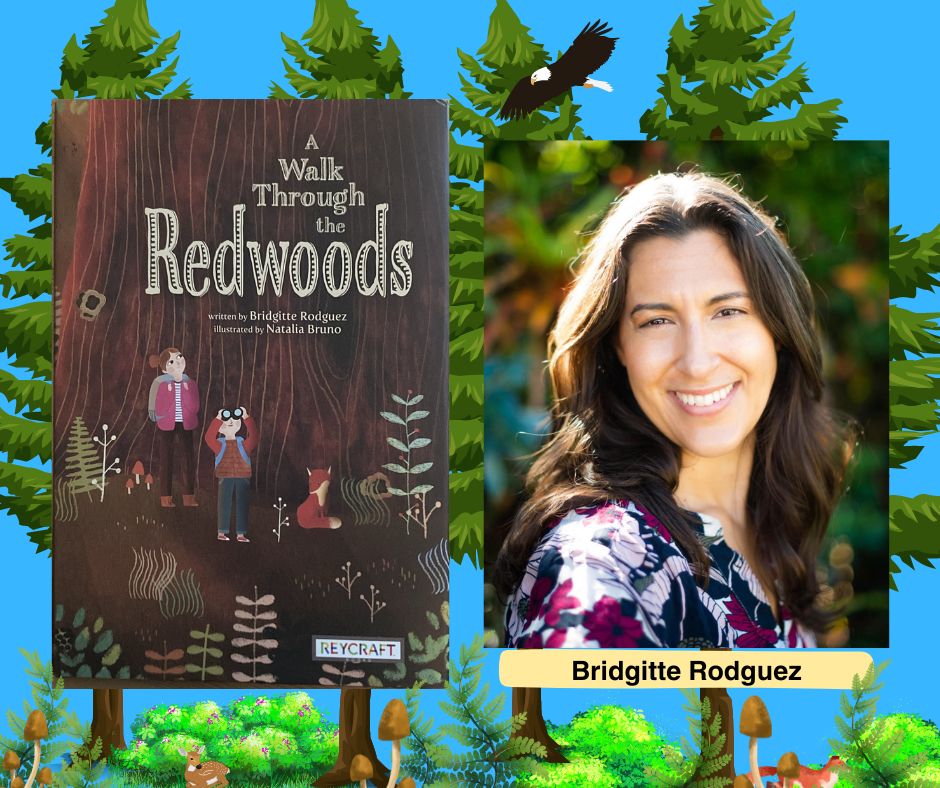
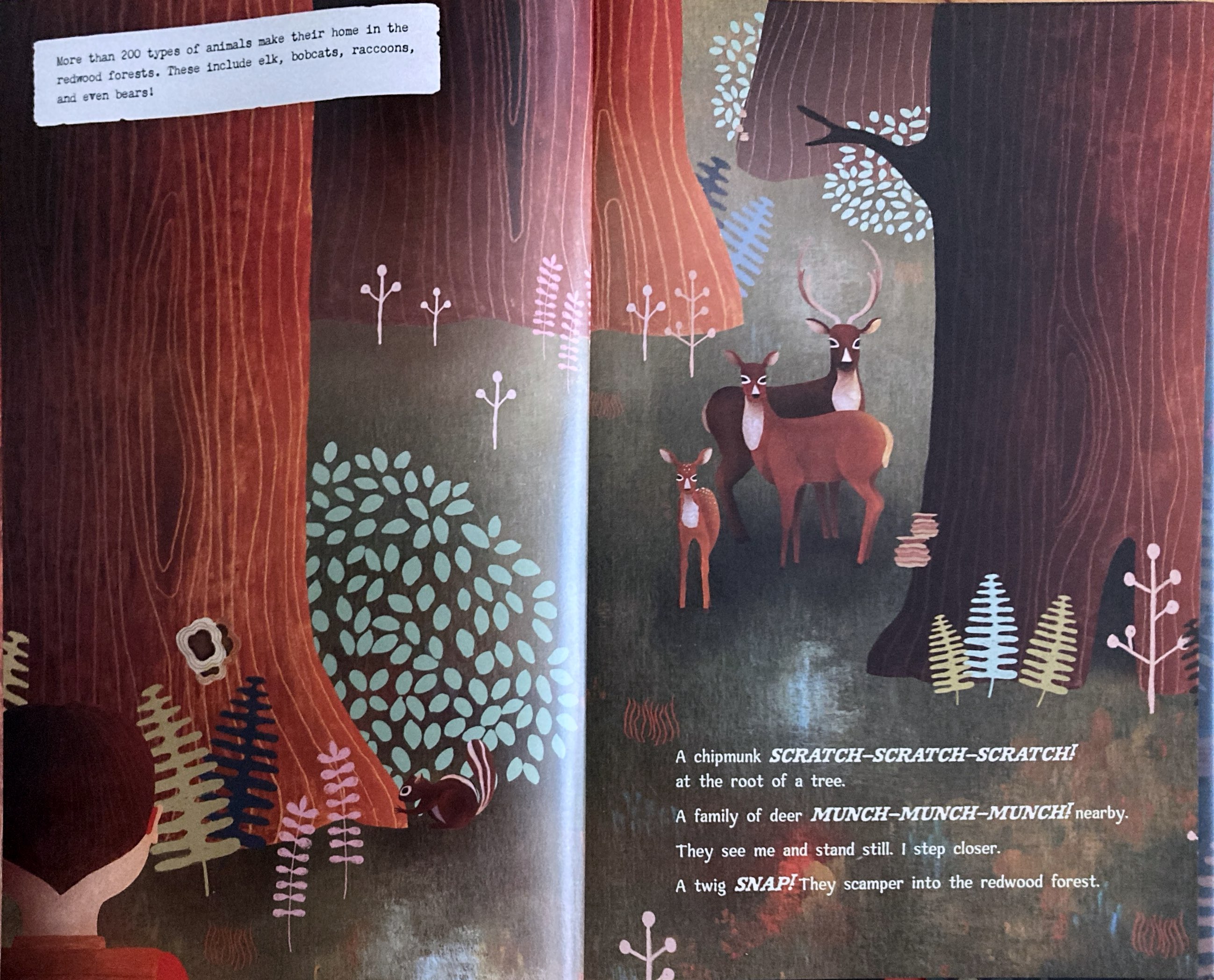
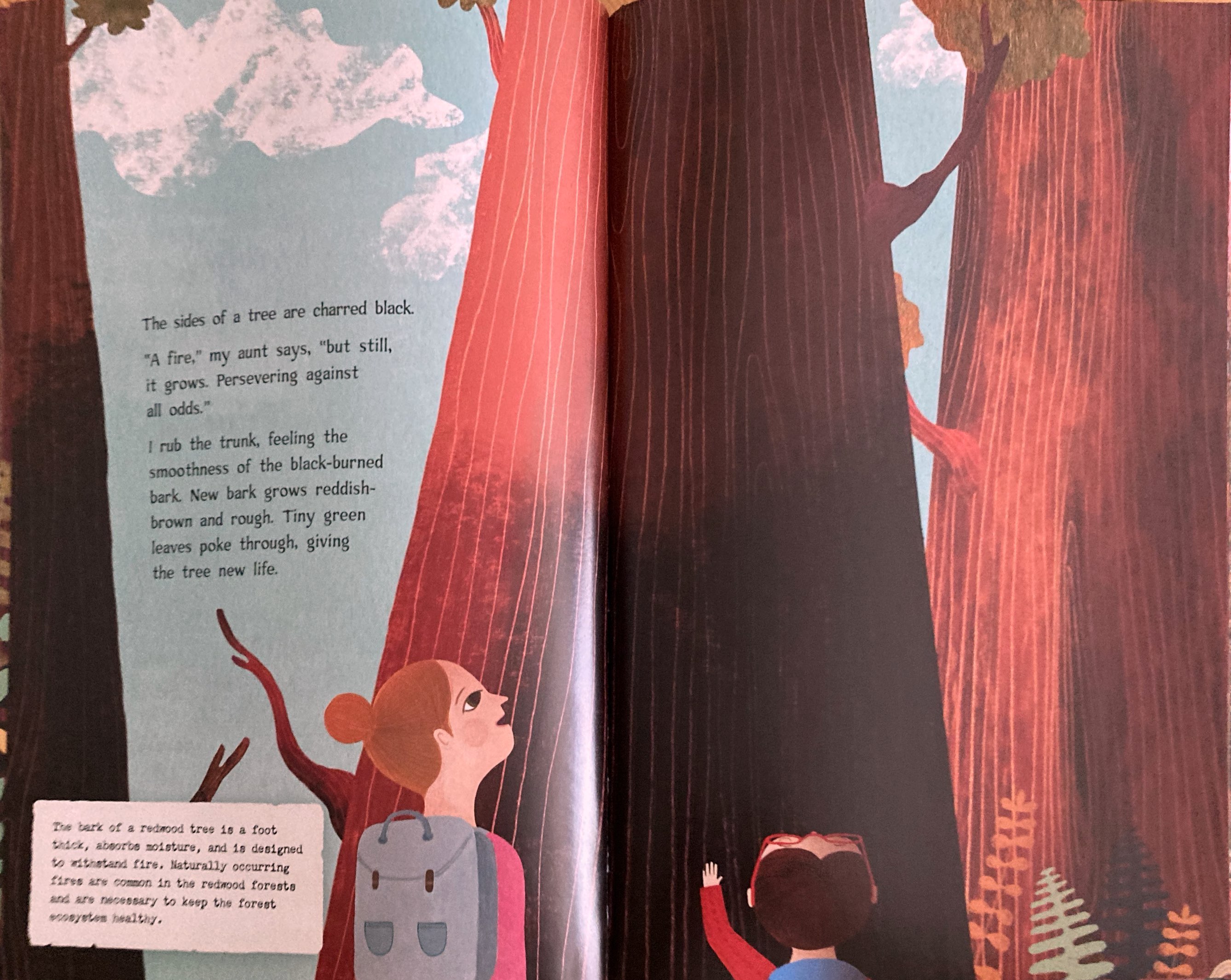
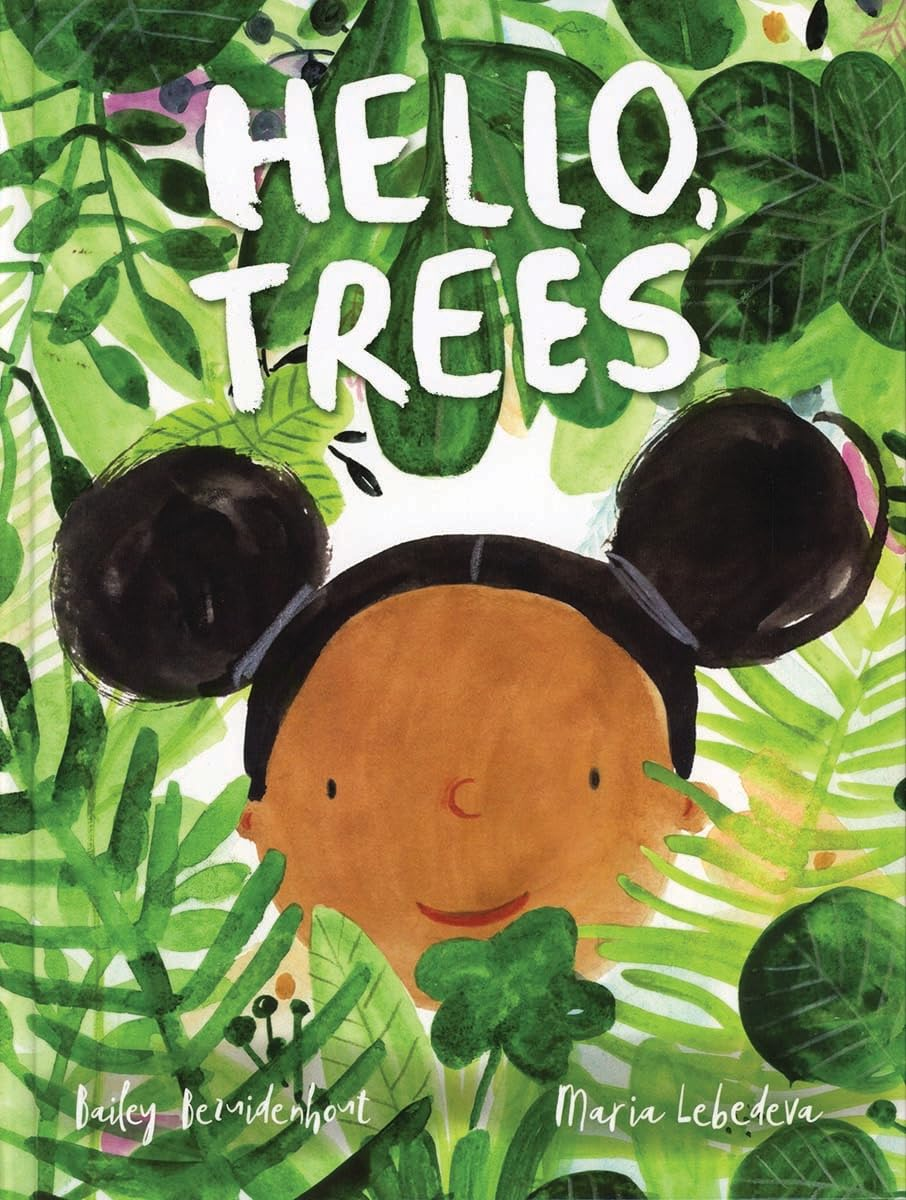
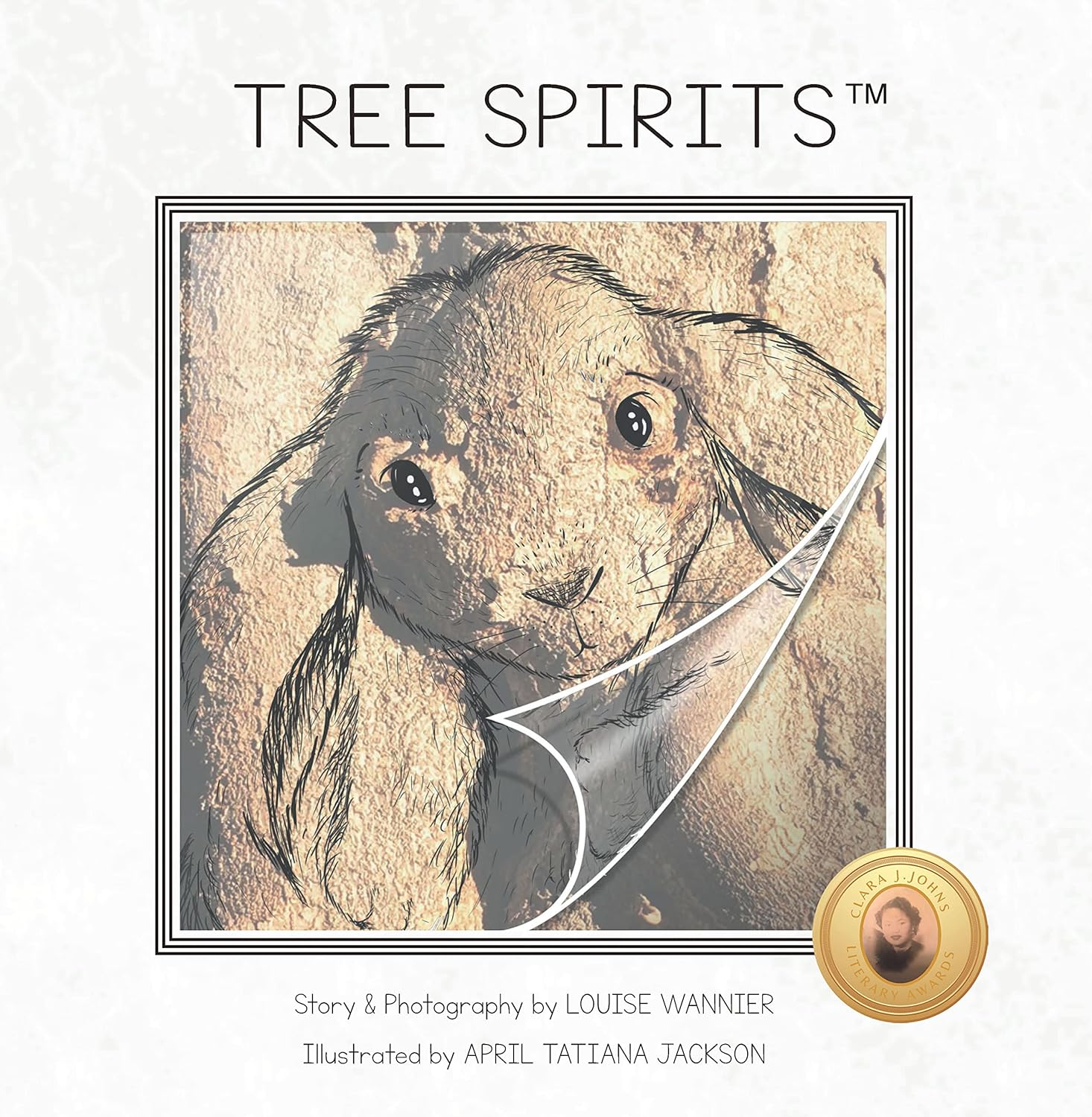
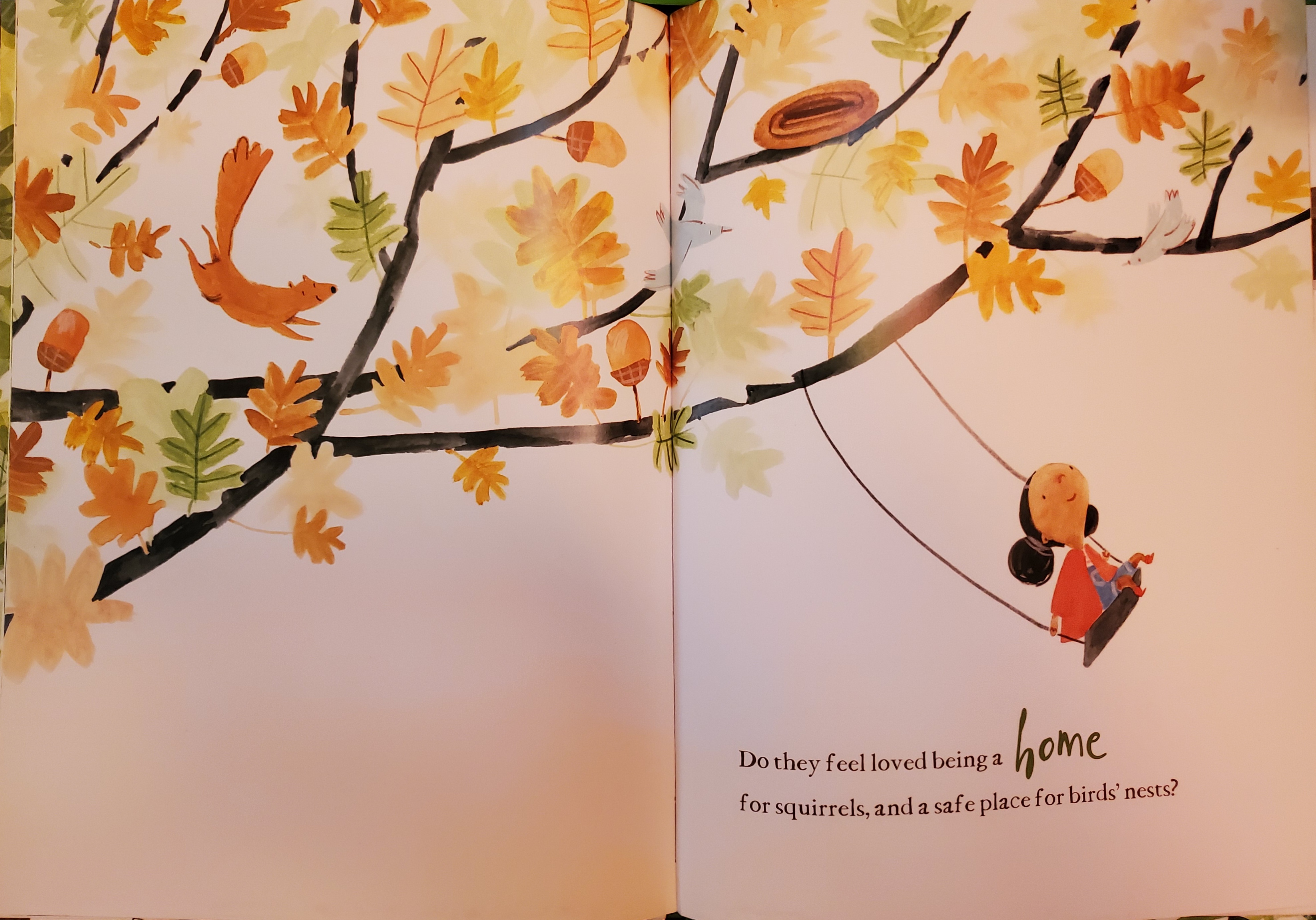
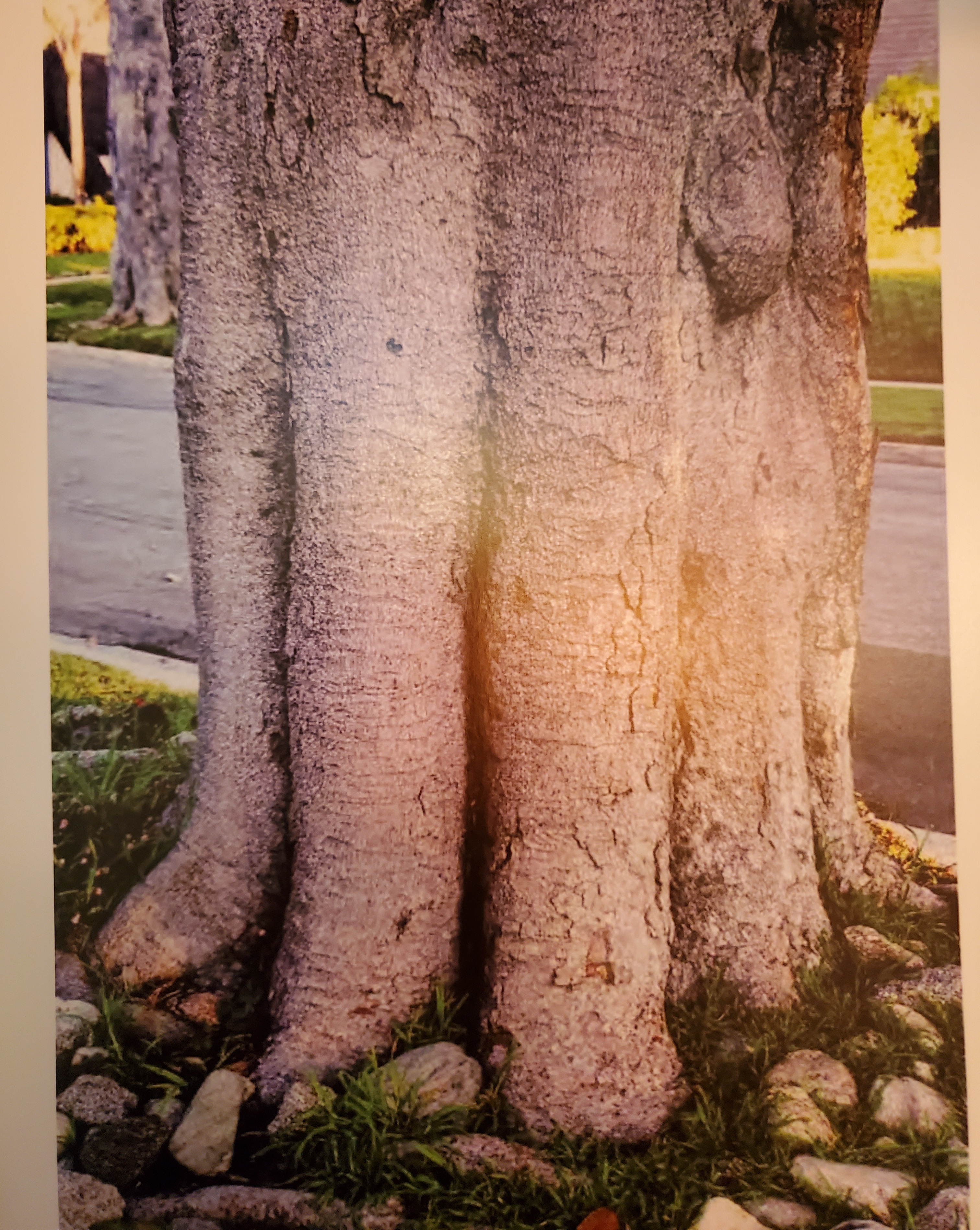
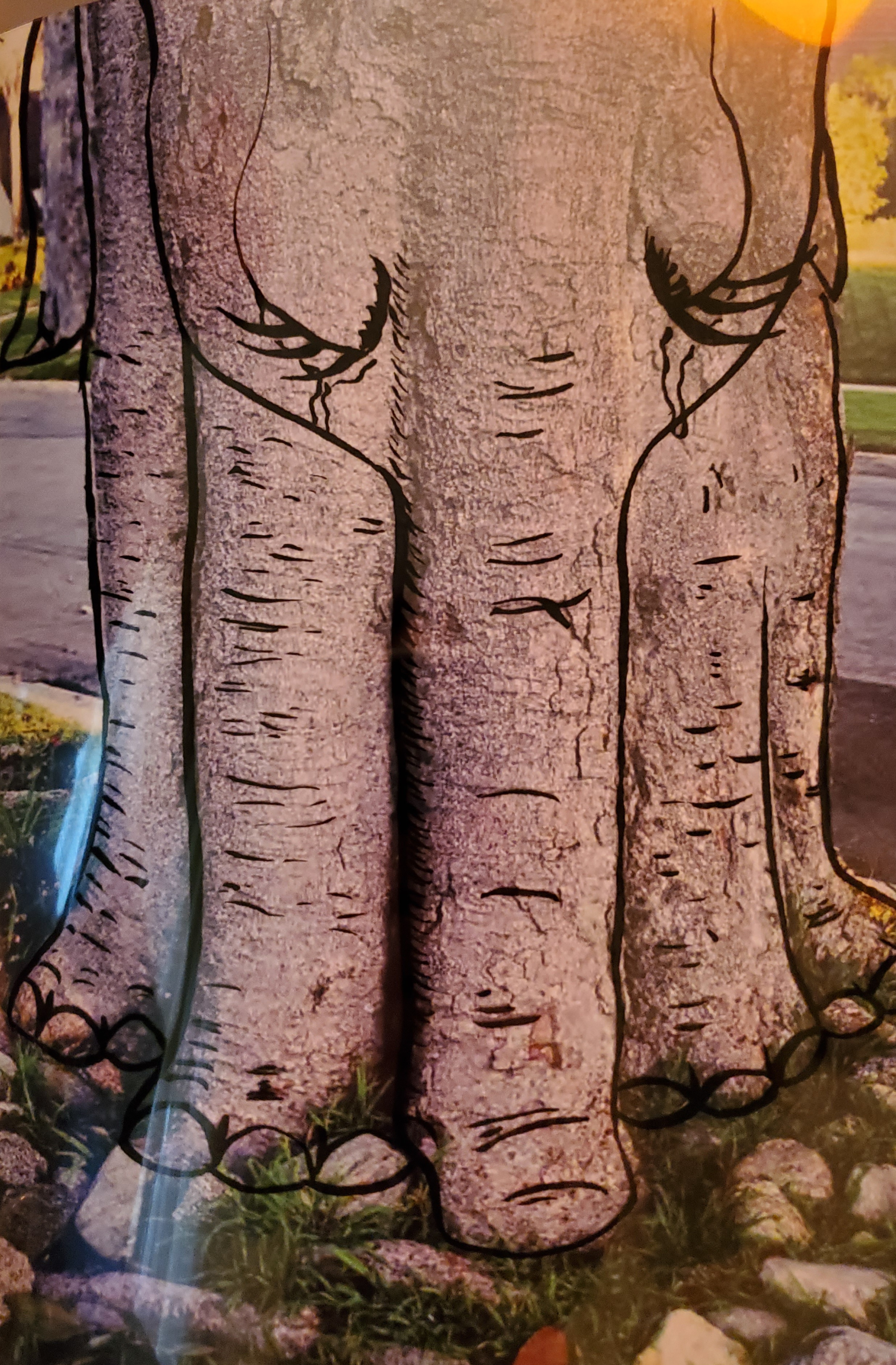


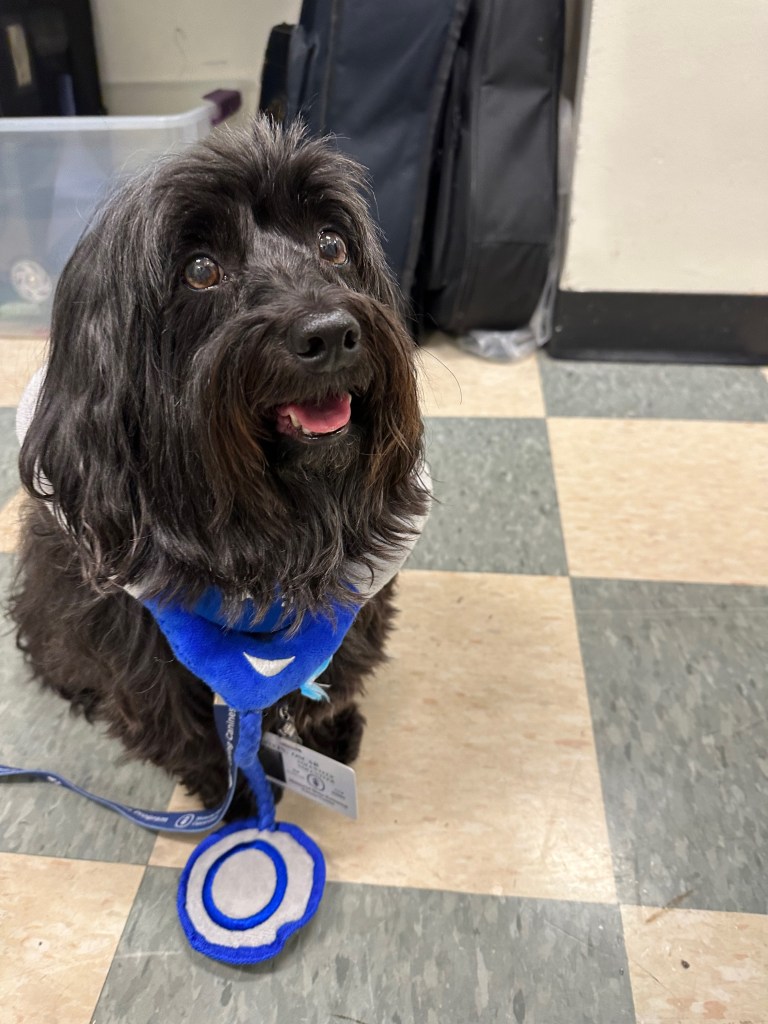
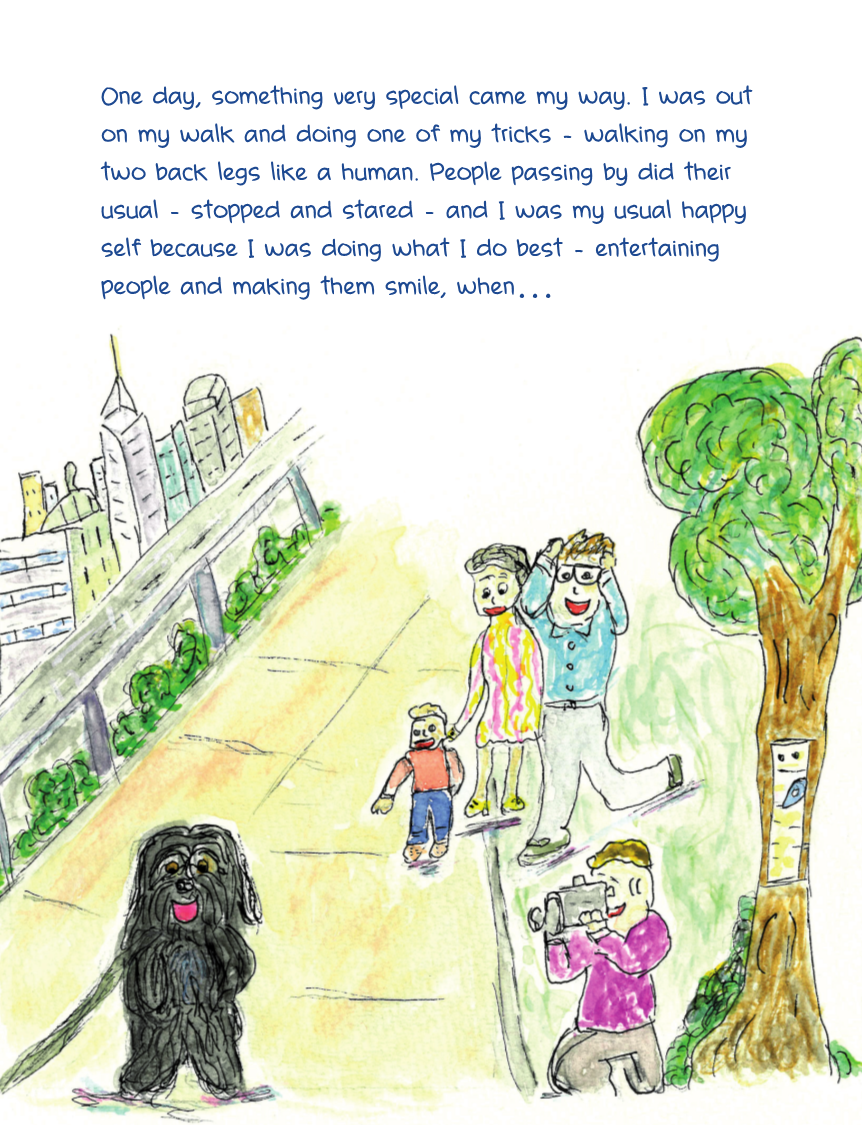
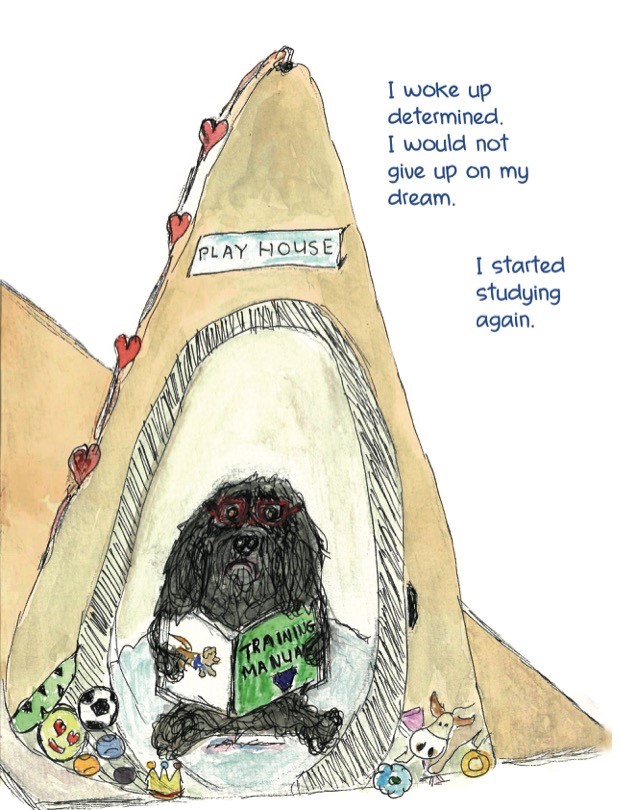
 Lauri Fortino's Frog On A (B)Log