Interview Alert: Sherry Roberts

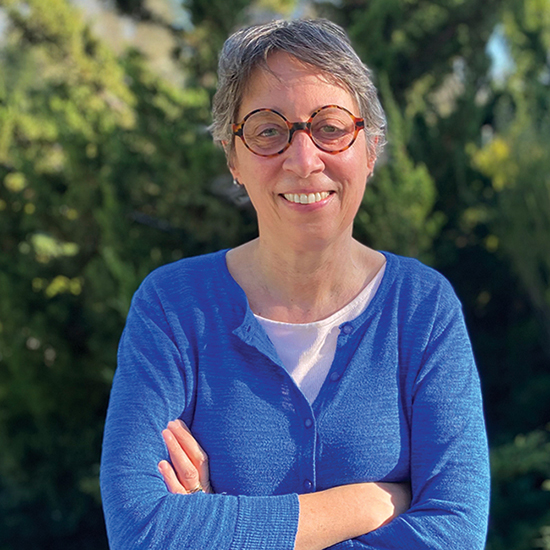
Please welcome multi-published children’s book author Sherry Roberts to Frog on a Blog. Today is All American Pet Photo Day, so it seems like a great day to feature Sherry and her brand new picture book Amica Helps Zoe, which is about a loveable rescue dog and the little girl who loves her.

I love dogs, and I love picture books about dogs. My little rescue dog recently passed away, so this story really tugged at my heartstrings. Let’s hear more from Sherry about this special picture book and some of her other books, which include nonfiction picture books, a middle grade series, and a new chapter book series.

Congratulations on the publication of your new picture book Amica Helps Zoe! Please share a little about the story and what inspired it.

SR: Attention, all dog lovers! Prepare to embark on a heartwarming journey with Amica and her rescue dog, Zoe. Set in a cozy neighborhood filled with leafy trees and friendly neighbors, Amica’s biggest challenge is convincing Zoe to enjoy walks. Despite Amica’s love for Zoe, she can’t help but feel frustrated and worried that Zoe will never overcome her fear of being abandoned. But with determination and love, Amica shows Zoe that a walk is just a fun adventure and not a scary separation.

This story was inspired by one of my nieces. When she was 5 years old, her family got their first dog. My niece wanted to walk her dog in the neighborhood, but her dog would not walk. Halfway through the walk, the dog would sit down and not move. My niece would have to carry the dog home. As the dog got bigger, it got harder for her to do. For Christmas, she asked Santa for a red wagon so she could ride the dog around the neighborhood. This solved her problem, and she was so happy.

As I was developing the story, I decided to make the dog a rescue dog. The dog I had at the time, Gizzie, would not take a walk, or a ride in the car. This was because he had been driven away from his home and thrown out in a field, abandoned. I thought about how rescue dogs often have problems with abandonment. This led to the story focusing on working with a rescue dog who had a fear of a walk leading to abandonment. I had tried to help Gizzie with walks and learned that so long as he could see the house, he was ok.
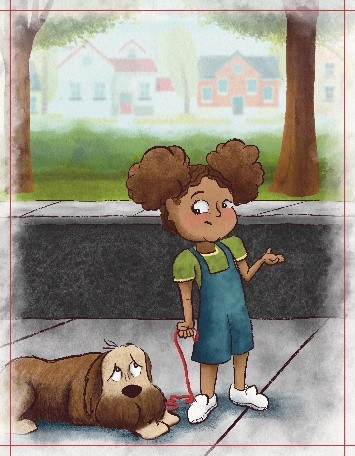
Image from Amica Helps Zoe

What path did you take to publish your book—traditional, self-publishing, or hybrid—and why?

SR: I have traditionally published a couple of books with very small publishers but found that to not be the path I wanted to take. I am now indie published through Solander Press. I find this to be an easier and more enjoyable path to publishing for me. I like the freedom to choose projects, illustrators, editors I work with, and basically a say in all the steps to publishing this allows me.
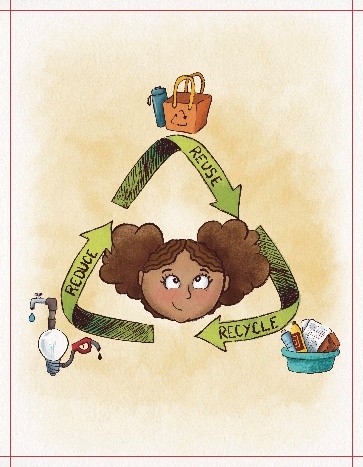
Image from Amica Helps Zoe

What do you hope young readers will take away from reading your book?

SR: With Amica Helps Zoe, I hope young readers learn that it is best to understand others before making a judgement and then to look for ways to help. For Amica, she became frustrated with Zoe because she wouldn’t walk. As Amica learned Zoe’s story, she better understands the reason Zoe doesn’t like to walk. Then Amica looked for a way to help Zoe learn to trust again.

It’s also important that young readers take away an understanding that old does not always mean it cannot become something useful again. As Amica says, “Reduce, Reuse, Recycle.” Amica figures out a way to reuse something her neighbor, Mr. Brown, is throwing out. She works to fix it up to use with Zoe to help with walking in the neighborhood. Young readers will learn about the importance of patience, understanding, and a theme that occurs in many books, friendship.
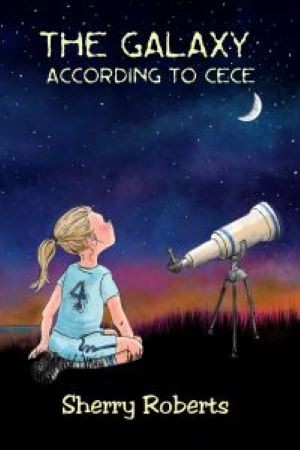
You also write chapter books and middle grade novels. Tell us about your The Galaxy According to CeCe series.

SR: Like many of my books, this is based on a time in my life. I’m the one who moved from North Carolina to Missouri right before the school year. I’m the one who moved into a house connected to an observatory. The feelings are very similar to ones I had but, from there, the story changes from my life to the story of Cece. This middle grade series is about change (book 1), friendships (book 2), and closure (book 3).

Book blurb for Book 1, The Galaxy According to Cece:

CeCe is having a ‘badventure’. What if her new school doesn’t have band tryouts? Or a soccer team? What if CeCe can’t make new friends? Moving across the country was hard enough, but the new house is an unusual house, and there definitely is something haunted about it.

Excited about her first year of middle school, CeCe and her friends anticipated all the fun they would have transitioning from elementary school to middle school. That was until the BIG announcement. Her family was moving across the country for her father’s job as an astronomer.

Starting the new school doesn’t go well, the class popular girl sets her sights on CeCe as she attends tryouts for the school soccer team and band. Making friends is difficult when the rumors swirl that the observatory is haunted. There are only so many “what ifs” for one eleven-year-old girl to think about. As CeCe balances her anxiety and comes to terms with her new situation, she starts to make forward strides in her new life embracing what the galaxy has given her.
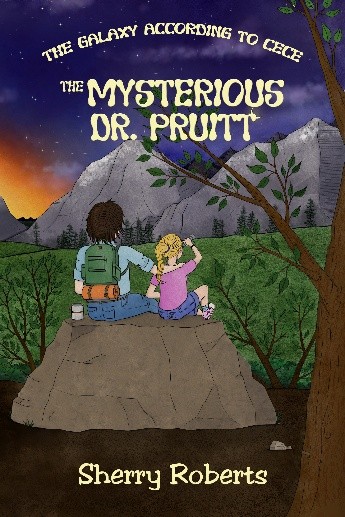
Book 2, The Galaxy According to Cece: The Mysterious Dr. Pruitt:

Cece thought she had finally begun to settle into her new home, school, and town. Until the unexpected happened. The ghost of Dr. Pruitt, the scientist who built the observatory, appears and turns her life upside down. Is he a friendly ghost or a vengeful one? And why can only she see him?
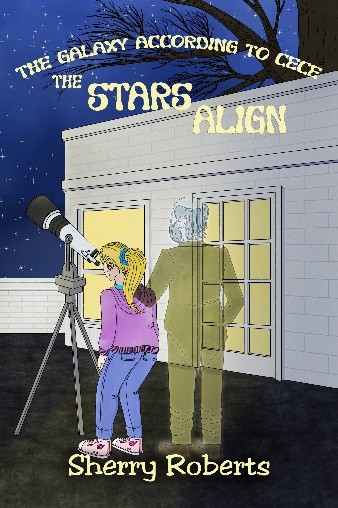
Book 3, The Galaxy According to Cece: The Stars Align:

Cece never expected her friendship with Dr. Pruitt to take a sudden turn, but when she and her friends discover a secret room in his domain, tensions rise. With their curiosity piqued and Dr. Pruitt’s disapproval looming, the friends must decide whether to push forward or back away. Will he allow them to use what they know, or will he continue to hide from them and create even more problems?
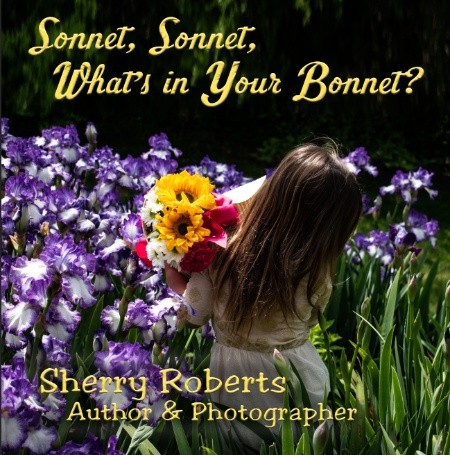

You’ve also written nonfiction picture books, which you photo-illustrated yourself. How do you decide which topics to write about?

SR: My two non-fiction were fun to do. The first, Sonnet, Sonnet, What’s in Your Bonnet?, features a variety of flowers that I photographed from my own garden and public gardens around town. The story tells fun facts about each flower that readers, young and old, may not have known. For example, do you know what flower is the international flower of love? If you say the rose, that would not be correct. It is actually a red tulip. Why is the blanket flower called the blanket flower? Ever seen a leopard lily? Answers to all the questions and so many more may be found in this book.
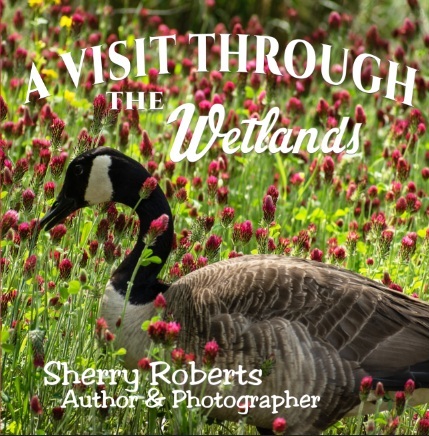
The second book, A Visit Through the Wetlands, takes the reader through a local wetlands to see the foliage, water fowl, amphibians, animals, and so much more that may be found when wandering through wetlands. This book was written to encourage families to not only visit this local wetlands but to find designated wetland areas when on vacation and take a tour to see all that may be found of nature in these beautiful reserves.

Where can people learn more about you and your books or connect with you online?

SR: My website features all my books, and talks more about me, and a blog that features many of my author friends, and educational resources for many of my books (more to be added). The address is www.sjrobertscreative.net.

People may also connect with me on the following social media channels:

Instagram: Instagram

Threads: @sjrobertscreative

Facebook: Facebook or Facebook

My email address is sjroberts@sjrobertscreative.net.
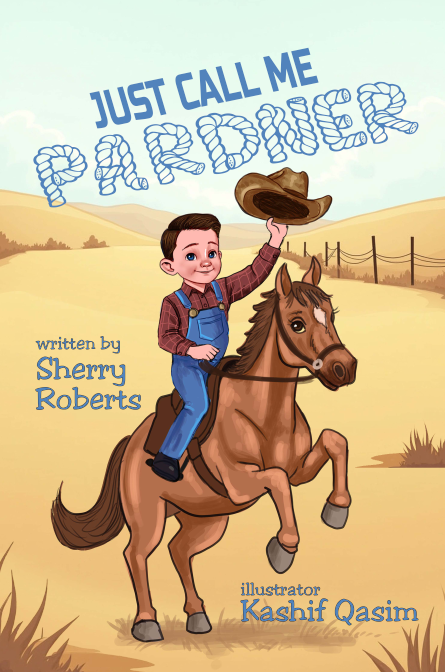
I look forward to hearing from you and others to talk about my books or just visiting. Look for a new chapter book series coming August 1, 2025, for readers ages 6-8.


Sherry Roberts is an award-winning children’s book author. She holds a Ph.D. in Curriculum and Instruction from the University of Louisville. She has written multiple award-winning picture books such as Hello, Can I Bug You?, Gabriel and the Special Memorial Day, What’s Wrong with Barnaby, and The Best Reading Buddy. Her newest, Amica Helps Zoe, was featured in Kirkus’ e-newsletter, June 2025, and received a Get It: Recommend review.

As a former middle school teacher, Dr. Roberts decided to write her first middle-grade novel. Her debut novel, The Galaxy According to CeCe, is the first book in a three-book series. It was officially released on February 24, 2024. Book two, The Galaxy According to Cece: The Mysterious Dr. Pruitt, was released August 2024. Book three, The Galaxy According to Cece: The Stars Align, released February 2025.
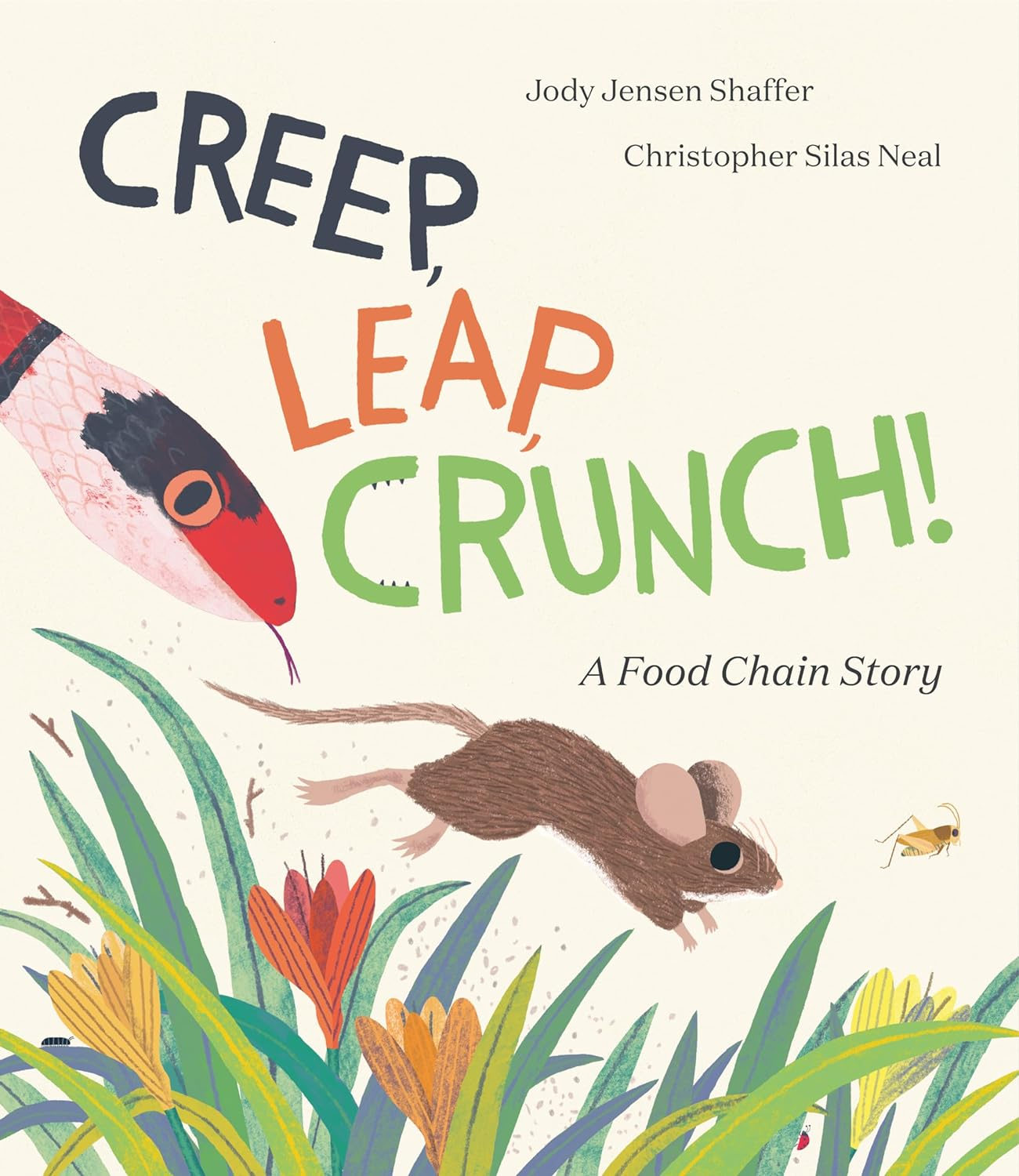
My View Book Review: CREEP, LEAP, CRUNCH: A Food Chain Story by Jody Jensen Shaffer

Title: Creep, Leap, Crunch: A Food Chain Story

Author: Jody Jensen Shaffer

Illustrator: Christopher Silas Neal

Publisher/Year: Alfred A. Knopf/2023

Favorite Line from the Book: There was a huge forest of grasses and trees that blew in the cool of a blustery breeze.


If you’re searching for an action-packed picture book that features animals, nature, educational back matter, and rollicking rhyming text, you’ve found it! Author Jody Jensen Shaffer’s book Creep, Leap, Crunch: A Food Chain Story, has all of that and more. The story, told in a cumulative fashion akin to There Was an Old Lady Who Swallowed a Fly, introduces and “connects” a food chain in a deciduous forest in a satisfying way. Not only that, but the lyrical text is so much fun to read aloud.

I must admit, being an animal lover, I was a tad concerned about how the story was going to turn out. After all, it follows six hungry animals from sunrise to sunset as they swoop in on their prey. But I’m ecstatic to report that, after several daring escapes, the ending is delightful and happy.

Illustrator Christopher Silas Neal’s depictions of landscapes, vegetation, and animals, including various insects, such as a cricket, as well as a deer mouse, a red milk snake, a red-tailed hawk, a red fox, and a black bear, are charming and detailed, and were rendered in slightly muted tones, using mixed media. Be sure to look under the book jacket for a surprise case cover (also known as an undie!).

Back matter features a short glossary and interesting information about each specific animal in the book. For example, black bears can be black, gray, cinnamon, or white. And red milk snakes can grow up to two feet long.

Overall, Creep, Leap, Crunch: A Food Chain Story is a great first introduction to food chains for kids. The very youngest readers may find some of the images a smidge scary, though not enough to deter a parent and child from enjoying the book together.

A female red fox, known as a vixen, can have between 2 and 12 pups per litter.

Exciting News!

I’m excited to share that I’ve been selected by the fabulous Elayne Crain for a two-month picture book mentorship through Inked Voices! I’m so glad Elayne liked my manuscript, and I’m incredibly grateful for the opportunity!

Astrid Kamalyan Embraces The Sun

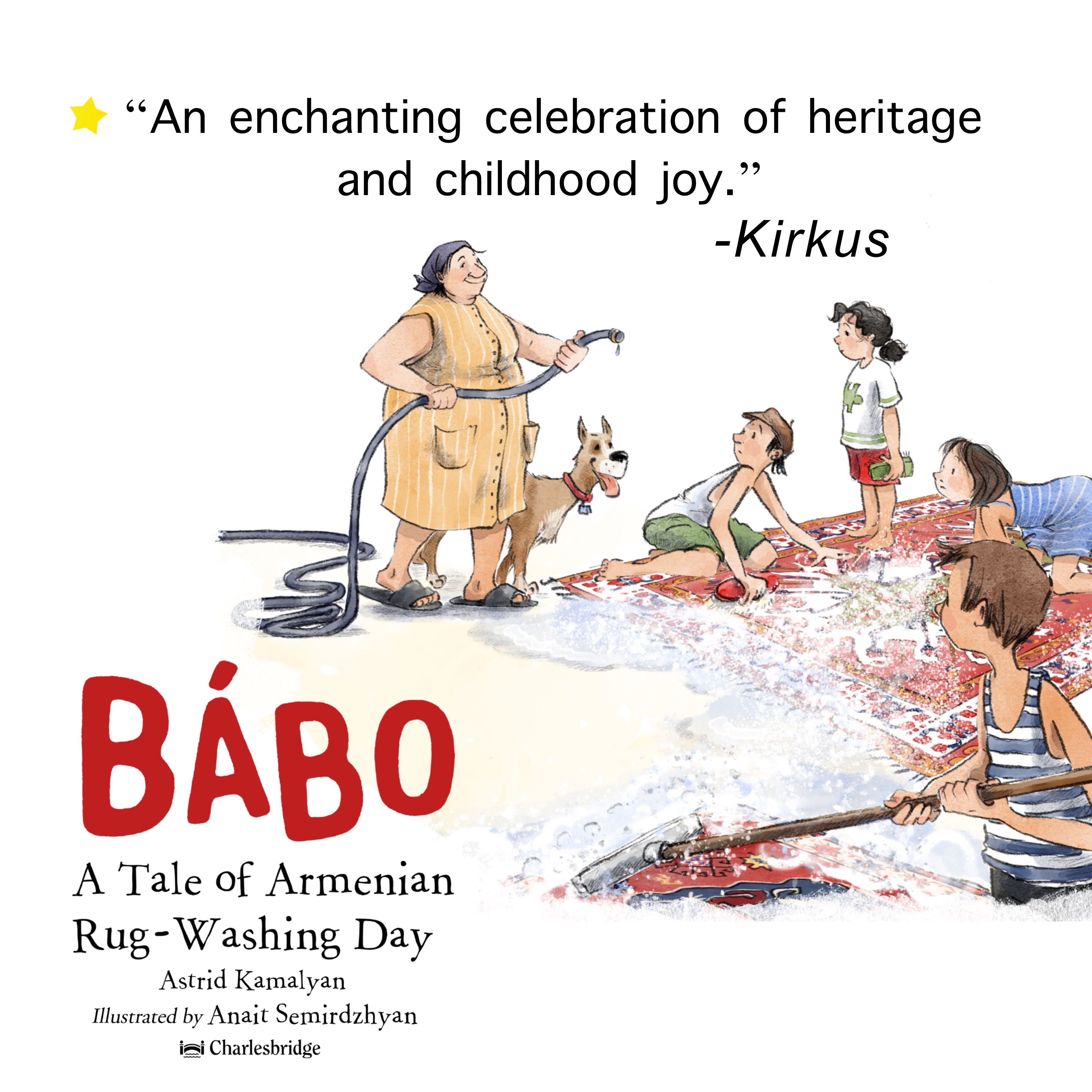
I’m honored to be a stop on author Astrid Kamalyan’s book tour for her debut picture book Bábo: A Tale of Armenian Rug-Washing Day. Her lovely book, just published September 19th by Charlesbridge, earned starred reviews from both Kirkus and The Horn Book and is a Junior Library Guild Selection. Bábo: A Tale of Armenian Rug-Washing Day is the first children’s book about Armenia traditionally published in the US in over 30 years and is the only one to feature Artsakh dialogue.

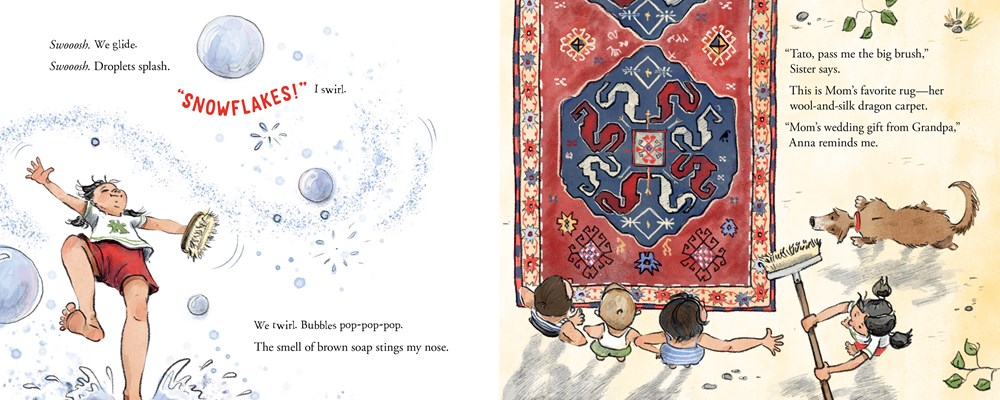
Beautifully detailed illustrations by Anait Semirdzhyan adorn this cozy, cultural tale that highlights the author’s childhood memories of time spent with her grandmother on rug-washing day. Astrid’s love for Armenia can be felt on every page, and, on her website, Astrid poetically writes of her Artsakh home, “The air in our mountains is the color of lavender and smells of wild thyme; the warmth of the sun is sometimes all you need for breakfast.”

Astrid Kamalyan stopped by today to share a bit about her emotional publication journey and authentically representing her culture, which has become even more important as her beloved Artsakh people were recently and tragically attacked by the rulers of the country Azerbaijan. As Astrid says, “It makes no sense to celebrate diverse books if we aren’t going to care about the actual people in those stories.” Let’s hear from Astrid.

It was on a cold autumn day in Chicago that the idea for BÁBO sparked in my mind, a warm memory shining straight from my childhood. I wrote it down while cozied up on our sofa. Was my first draft ready to go? Not yet. But it had something in it.

Something that came as a second-person POV, non-rhyming story, which I later turned into a rhyming one, and then changed into a first-person POV, non-rhyming story. BÁBO, unlike my other manuscripts, required experimentation.

Our busy, happy family always had visitors. All were welcome at our table. Neighborhood kids gathered in our dining room as my precious bábo cooked, and laughed, and gave the warmest hugs. But would that make too many characters for a picture book? Probably yes, at least for this one. And so, as if echoing all the other changes, one of the characters had to go during the revisions.

Writing from the heart doesn’t mean writing without a challenge. It sometimes means finding the right angle, focusing on the main feeling, and cropping out the distractions. It also means pressing the “stop editing” button at the right moment, before you over-revise it to the point of losing the heart of the story.

But BÁBO was more than a story about my family. It was a story representing my culture. The first picture book in more than three decades to be traditionally published about Armenia. And as this realization came to me, so did the sense of responsibility. How do I do justice to something so ancient, so rich, and so deeply loved by me? Growing up surrounded by precious Artsakh rugs was not enough. Researching and meeting experts wasn’t either. Being inspired by a video of an Armenian woman weaving a carpet was the magic ingredient. The backmatter wrote itself in an instant. All the research and hard work were there just to support this magical moment of cherishing the beauty of Armenian carpet weaving.

In the summer of 2020, I submitted the manuscript for a critique at the SCBWI’s LA conference. My first time doing so. Did I expect it to get me an agent or to sell? No. All I wanted was a professional opinion. But BÁBO disagreed. It got me an agent and a book deal.

And here’s where cluster munitions enter the picture.

My wonderful editor, Karen Boss, asked for revisions before acquiring the manuscript. But at that very moment thinking about revisions wasn’t something I could afford.  On September 27th, 2020, my homeland, Artsakh, was attacked. My people were forced out of their homes, our churches were bombed, and our cultural monuments desecrated. After the war, everything I knew, everything I belonged to was shuttered. How do I sing our joy now?

Decisions had to be made. One of them was that I chose to not give in to the darkness, singing our joy and unapologetically celebrating our culture, while facing more evil than I ever knew existed. BÁBO didn’t turn into a book it didn’t intend to be. It stayed the sunshine that it is. Because, in this darkness, our kids deserve a space where childhood is just that–carefree, sun-filled, barefoot . . . childhood.

And also because, no matter how much others try to destroy us, this is who we are–a people who embrace people and embrace the sun.

Was I done with the challenges? Almost there. I had to make one more leap and gather the courage to suggest an Armenian illustrator, Anait Semirdzhyan, whose work I admired. It was a proactive move on my side, yet it wasn’t driven by whimsy but by a need for authentic representation. Both my agent and my editor loved Anait’s amazing work, and so began the journey of BÁBO. Need I tell you how much joy the sketches, the color versions, and seeing the cover brought to my heart? How much it meant to me, my family, and now to my community?

And in the spring of 2023, when I received my author copy, something magical happened. For a moment, I was no longer homesick. I was home.

Update from Astrid:

One day after this post was submitted for publication, on September 19th, 2023, Azerbaijan attacked the indigenous Armenian population of Artsakh. That after 10 months of starving them by an illegal blockade of the region. Civilians were attacked by cluster bombs and drones. There are hundreds of victims, including children. Thousands are missing, mostly kids. Currently, the civilians are being held hostage–the road for evacuation is blocked, while Azeri forces continue killing and kidnapping people. What is happening in Artsakh is a genocide organized by the dictatorial regime of Azerbaijan, backed by countries such as Turkey and Russia. If you want to help, please check out this link for the latest updates, and please do not be indifferent to your Armenian friends who are all suffering right now.

For more information and ways you can help, please click here: Armenian Assembly of America Action Center

And please join me in sending love and prayers for the Armenian people in Artsakh. ❤️

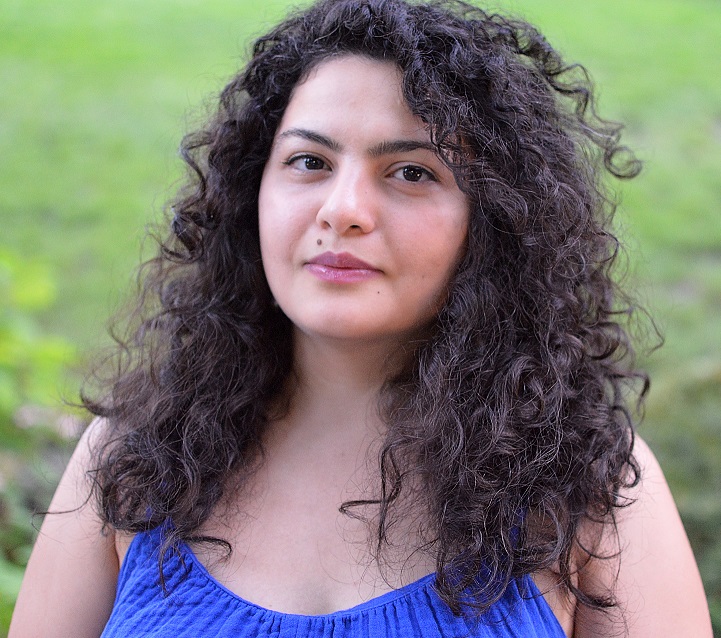
Astghik (Astrid Kamalyan) comes from a big, happy Armenian family, where she is the oldest of five siblings. Childhood summers spent in Artsakh are what inspired her to paint with words. Astrid is a member of SCBWI, IALA (International Armenian Literary Alliance), and 12×12. Astrid’s debut picture book Bábo: A Tale of Armenian Rug-Washing Day is a Junior Library Guild Selection and received starred reviews from Kirkus and The Horn Book.

Learn more about Astrid and her book by visiting her website https://astridkamalyan.com/ or connect with her on Twitter (X) https://twitter.com/astridkamalyan or Instagram https://www.instagram.com/astridkamalyan/.

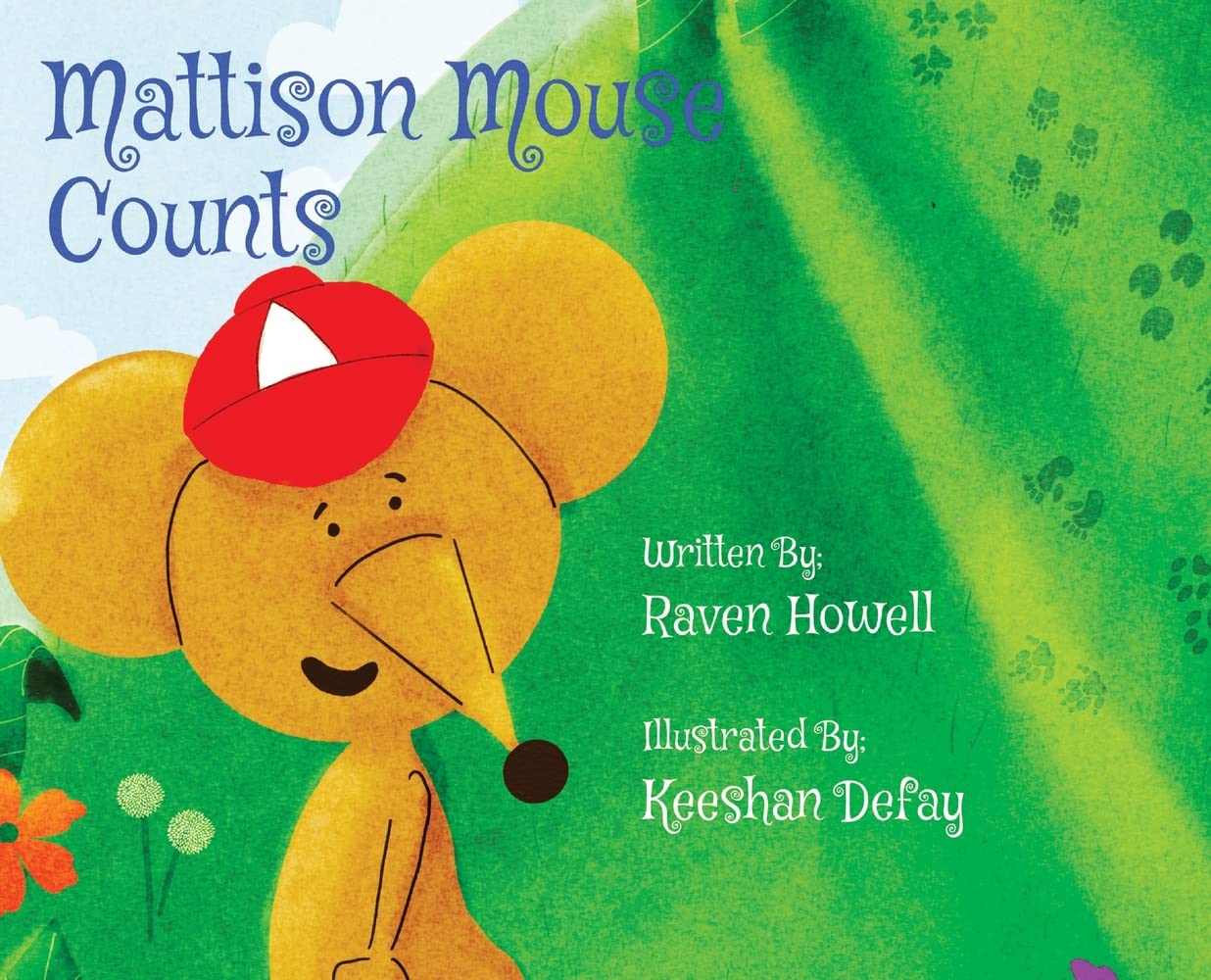
Happy Book Birthday to MATTISON MOUSE COUNTS by Raven Howell!

Title: Mattison Mouse Counts

Author: Raven Howell

Illustrator: Keeshan Defay

Publisher: AM Ink Publishing

Release Date: May 10, 2023

Format: Hardcover

Summary: Wearing his favorite hat, Mattison Mouse is happy to venture outside on a beautiful day. But soon the little mouse hears mysterious footsteps. Mattison and his animal friends help young children count from one to ten as, joyfully, the day’s counting adventures lead to a surprise birthday party.


Do you have a children’s picture book coming out soon? I’d love to wish it a Happy Book Birthday here on Frog on a Blog! CLICK for more information.

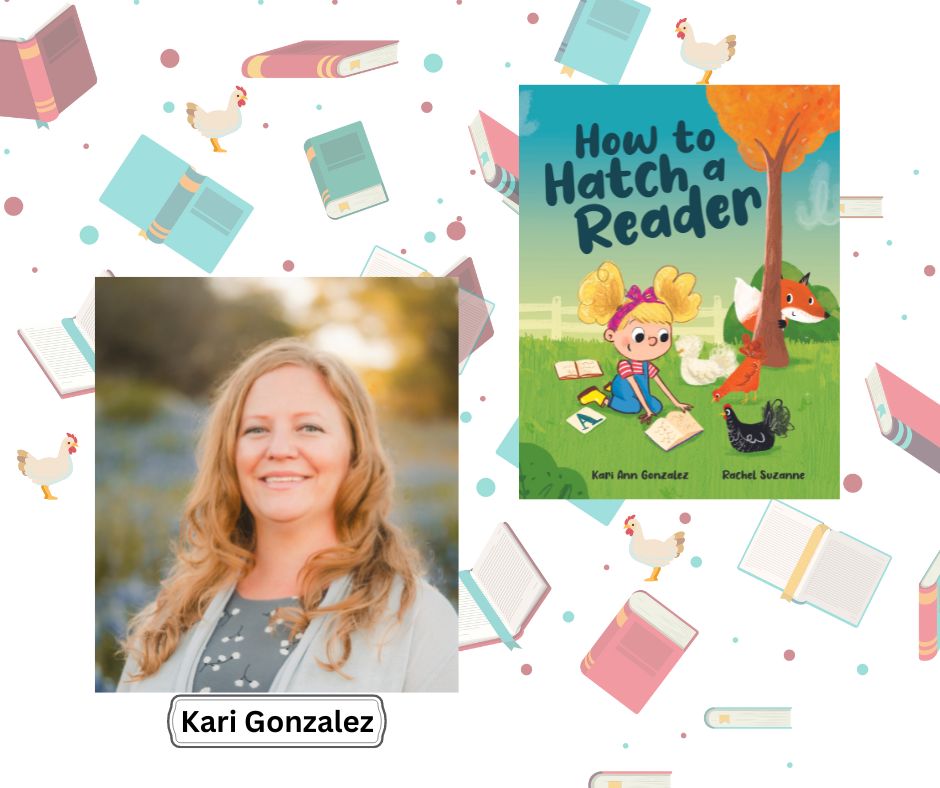
Tackling Tough Topics with Humor and STEAM by Kari Gonzalez (+ a Giveaway!)

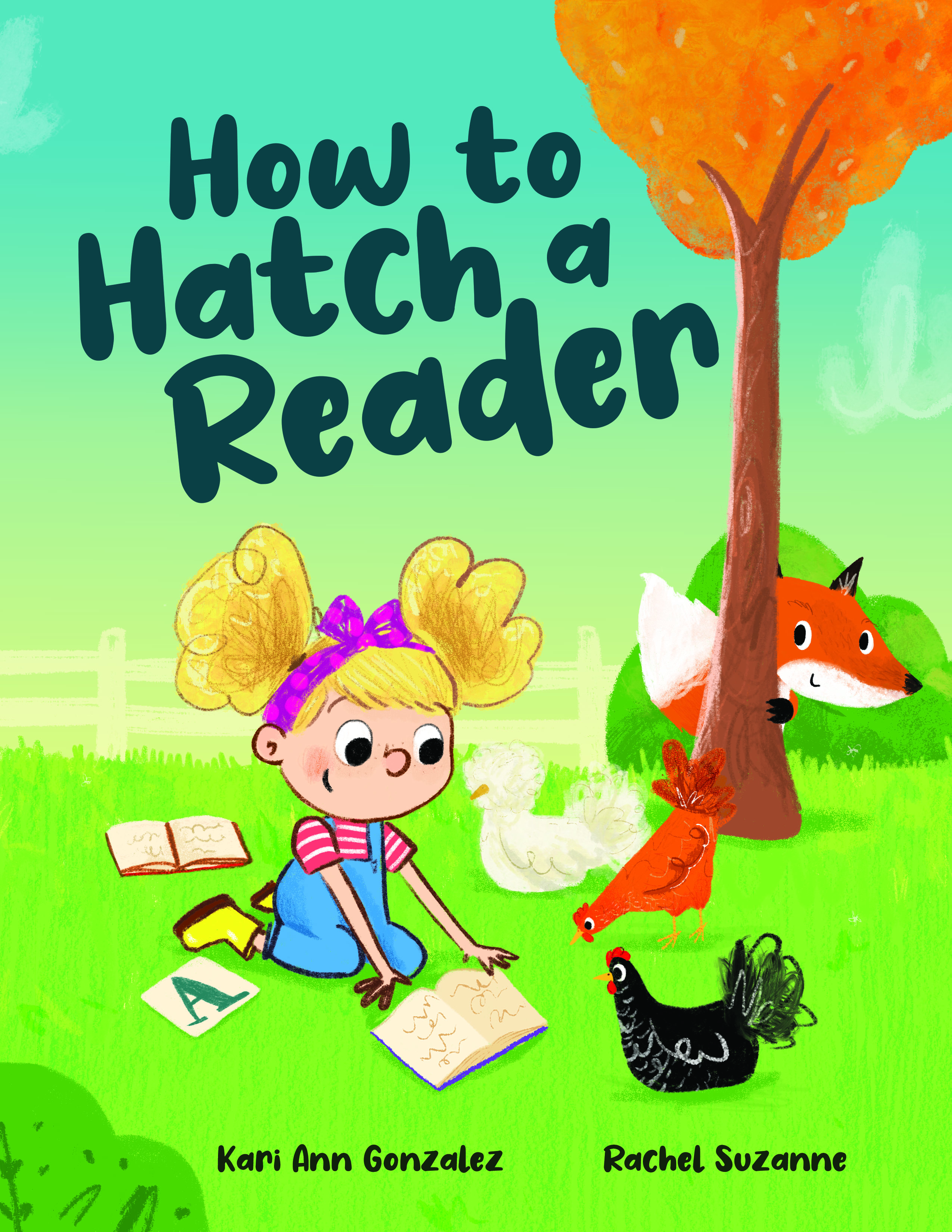
Please welcome children’s book author Kari Gonzalez to Frog on a Blog! Picture books that encourage a love for books and reading are some of my favorites, and Kari’s debut How to Hatch a Reader, which launches this summer from Gnome Road Publishing with adorable illustrations by Rachel Suzanne, does exactly that. Full of clever puns, How to Hatch a Reader follows a little girl as she shows you, the reader, how to teach your chickens to read. Including the “learning to read” aspect is what takes this fun book to the next level.

Kari likes to combine humor and STEAM concepts in her stories, especially when tackling tough topics. I asked her to stop by and talk a little bit about her process and how we can pair those two seemingly very different elements in our own writing too. Be sure to read to the end for a fabulous giveaway offer from Kari, your chance to win either a picture book manuscript critique or a 30-minute AMA (ask me anything) session!

I can’t help but laugh when I mention I am a writer to a new acquaintance and they say, “Oh, writing picture books sounds so easy!”

Wrong!

Writing picture books geared toward the harshest of critics, ones that won’t hesitate to walk away from a book in a heartbeat if it doesn’t suit them, is tough work! As an author, we have an economy of words and have to make each count to tell our stories in such a small word count.

When I started watching my kids pick their favorite books, they were always humor driven. And my favorite? Humor and STEAM to further connections and spark some great conversations.

After getting backyard chickens, an idea sparked. I knew immediately I wanted to write about the funny concept of teaching chickens to read. It was hilarious to picture, and I knew it would be a funny read-aloud. And when I sat down, How To Hatch A Reader poured out of me.

I wrote my story in one draft and mailed it off to my editor.

Kidding!

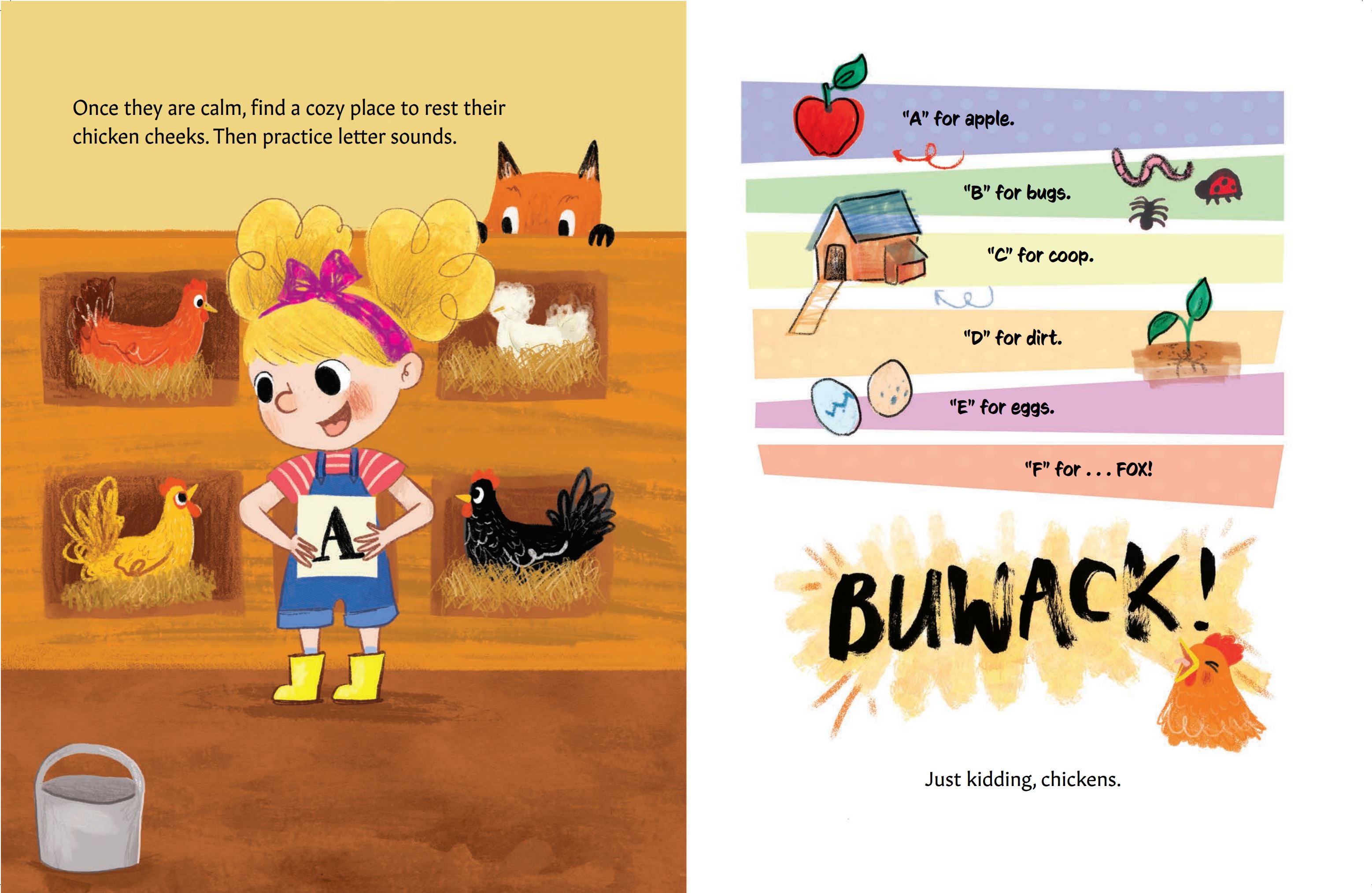
This story went through many revisions. The first version focused on the story. I knew I wanted to add STEAM language arts concepts, so that was my next pass at revision. The concepts came easily because I was in the thick of teaching my own emerging readers at home. So, I built in concepts like practicing letter sounds, pointing out sight words, and helping chickens practice their chicken scratch. 

Then, my very favorite part…the humor! When I tackle a funny picture book idea I love to research idioms and puns. In fact, I started with a pun on the very first page!

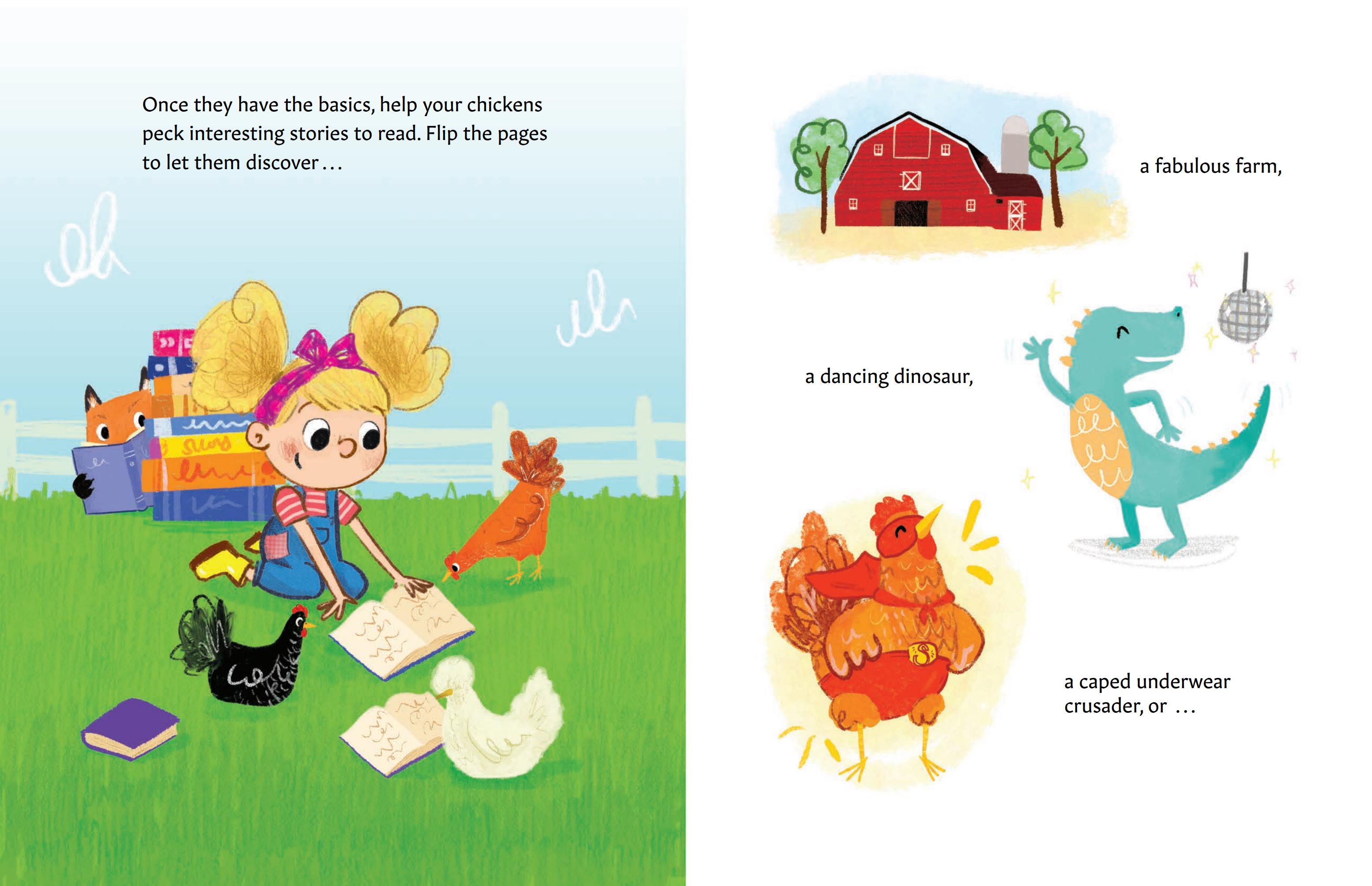
I played off chicken-related idioms, like shake your tailfeathers and the early bird gets the worm. I also had a blast with subverting expectations at key page turns. And, as a nod to the parents, I even included some subtle and not-so-subtle jokes, like when I referenced dancing dinosaurs. Chickens are one of the closest living relatives to the T-rex!

These created such fun opportunities for illustrator, Rachel Suzanne, to bring her own brand of humor to our project. Each bit of humor played a role in driving the story forward while also pairing a fun read-a-loud story with STEAM concepts.

Writing a picture book isn’t as easy as some think. But tackling a tough topic like learning to read with humor and STEAM concepts made my book a standout submission when it hit my publisher’s desk. So dive deep into revisions. Try tackling tough topics with humor and STEAM and watch the magic unfold!

Giveaway!

Kari is generously giving away, to one lucky person who comments on this blog post, a winner’s choice of either a non-rhyming picture book manuscript critique or a 30-minute AMA (ask me anything) session via Zoom. Just leave a comment by April 15th. I’ll choose a winner at random and connect them with Kari. Good luck!


Kari loves writing funny and sometimes lyrical children’s books. Her first draft writing process is fast and furious to get stories out of her head, which of course makes room for more! Six chickens, three fish, and one cat are kind enough to share their home with Kari, her husband, and their two little girls. HOW TO HATCH A READER, Kari’s debut picture book, releases in 2023, and an unannounced book in 2024. She is represented by Stacey Kondla at The Rights Factory.

Connect with Kari:

Twitter

Instagram

https://www.karianngonzalez.com

Polka Dots and Book Design: How a Clever Board Book Was Conceptualized, Featuring Artist Morissa Rubin (+ a Giveaway)

Please welcome graphic designer and author/illustrator Morissa Rubin to Frog on a Blog. I absolutely love her clever new board book Dot, Dot, Polka Dot, which features colorful and fun patterns from around the world. Her eye-catching style is so unique, and the illustrations in this book are super engaging and are sure to delight your little ones as they explore 12 different patterns, from the familiar diamond shapes of argyle to the fish-like triangles of Uroko. I wanted to learn how Dot, Dot, Polka Dot was created, so I invited Morissa to give us a close-up look at her process when she designed the book. Let’s take a look!

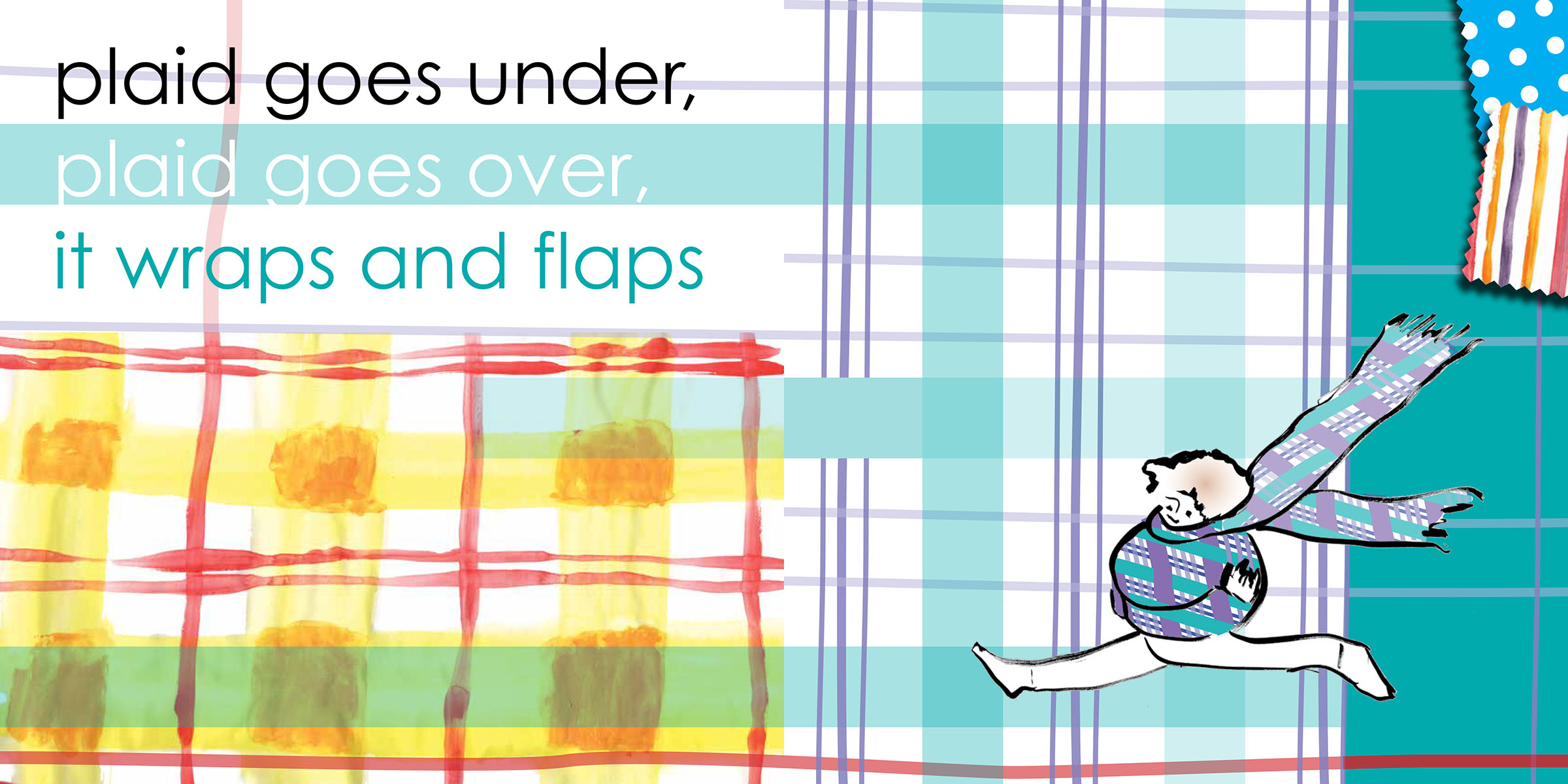
Dot, Dot, Polka Dot is a concept board book that explores all the different types of fabric patterns found in the patchwork of a child’s quilt. Unlike narrative books that have a built-in storyline, concept books often rely on word and visual structure to carry the story forward.

Dot, Dot, Polka Dot literally came about as I aimlessly dabbed my brush on a page. As multiple dots appeared I mused to myself “dot, dot” and then “dot, dot, polka dot”. From there I thought about making other patterns with loosely painted brush strokes: stripes, plaid, calico, paisley and argyle. It was a then editor at POW! Kids Books, Jordan Nielson, who later encouraged me to explore additional patterns from around the world. Kente cloth, Molas, Batiks and Uroko triangles along with tie-dye were added in a later round of revisions.

The short phrase-like description of the first couple of patterns became the structure for the words throughout the book. The idea that these different patterns could come together to form a quilt only came after I had spent time making and looking at the different patterns. Once I had the quilt idea, I realized that as each pattern was introduced, it’s swatch could be displayed on the next spread, alongside the previously introduced pattern swatches. The repeated swatches helped connect the separate patterns and serve as an inventory of all of the patterns introduced. They help to introduce the moment when the swatches come together to make a quilt. I used a mix of gauche paint and digital tools to create the patterns, assemble pieces, and layer and mix the images.

Thanks for sharing, Morissa! I really like the clever way you were able to “join” all of the different patterns together from page to page, leading so beautifully to the incredible quilt, featuring every pattern, at the end. Folks, this book would make a great gift at holiday time or any time!

Giveaway!

Morissa is generously offering a copy of her book Dot, Dot, Polka Dot to one lucky person! All you have to do for a chance to win is leave a comment on this post by December 10th. I’ll choose a winner at random and connect them with Morissa. This giveaway is open to U.S. residents only.

Morissa Rubin is a graphic designer. Her work has been recognized by the National Endowment for the Arts, the Sacramento Advertising Club, the American Institute of Graphic Arts, and Graphic Design USA. She received her BFA in graphic design from the Rhode Island School of Design and her MS from MIT’s Visible Language Workshop. She lives in Sacramento, California where she teaches typography and other design courses at UC Davis and Sacramento State University. You can follow her work on Instagram at @morissa.s.childrensbooks.