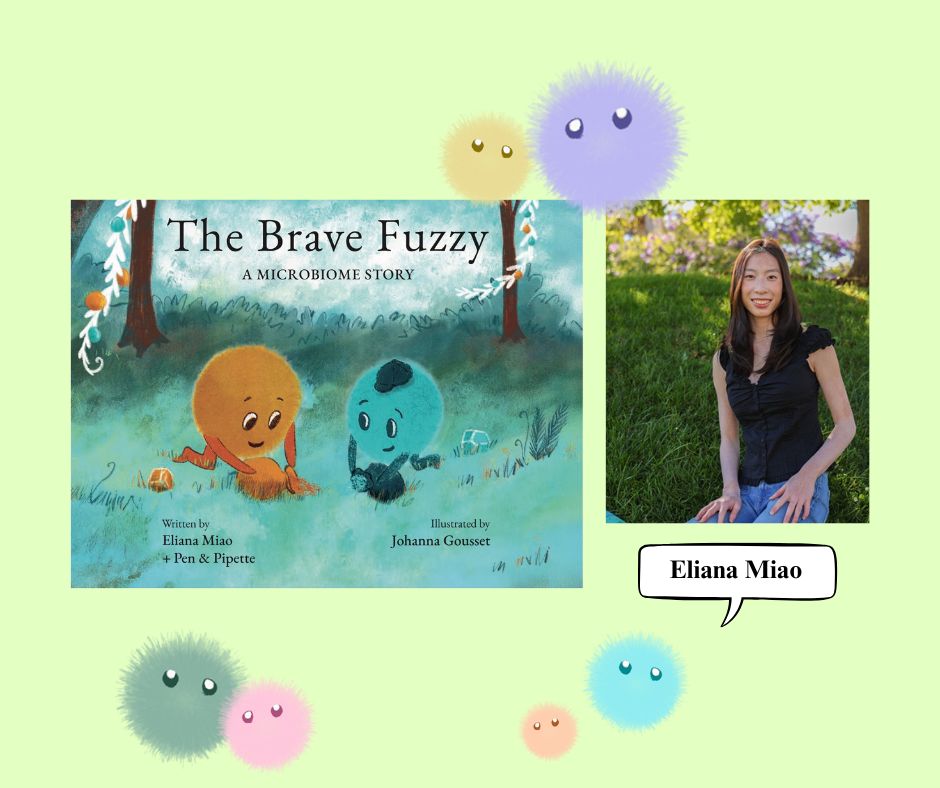
Today is National and International STEM/STEAM Day (November 8th), a day that celebrates science, technology, engineering, art, and math and seeks to encourage children to pursue careers in these fields. It’s the perfect day to welcome author and high school student Eliana Miao to Frog on a Blog! Eliana has a passion for sharing science with kids, especially in a fun and engaging way. With the help of the members of Pen & Pipette, a nonprofit she founded, Eliana created her book The Brave Fuzzy, a picture book featuring adorable microbiome characters and dynamic watercolor illustrations. The book published in September and has already earned a Kirkus starred review!
Eliana stopped by to share how Pen & Pipette and The Brave Fuzzy got their start. Let’s hear from Eliana!
Pen & Pipette: Inspiring the Next Generation of Readers and Scientists
by Eliana Miao
When we were little, books helped to shape our interests and passions. One of us became intrigued with the human body after reading a chapter book about a girl battling polio. Another fell in love with art. Others found a passion for writing. Little did we know that as teens we’d come together to form a club (see photo below), Pen & Pipette, to create our own books to inspire kids to love reading and science.
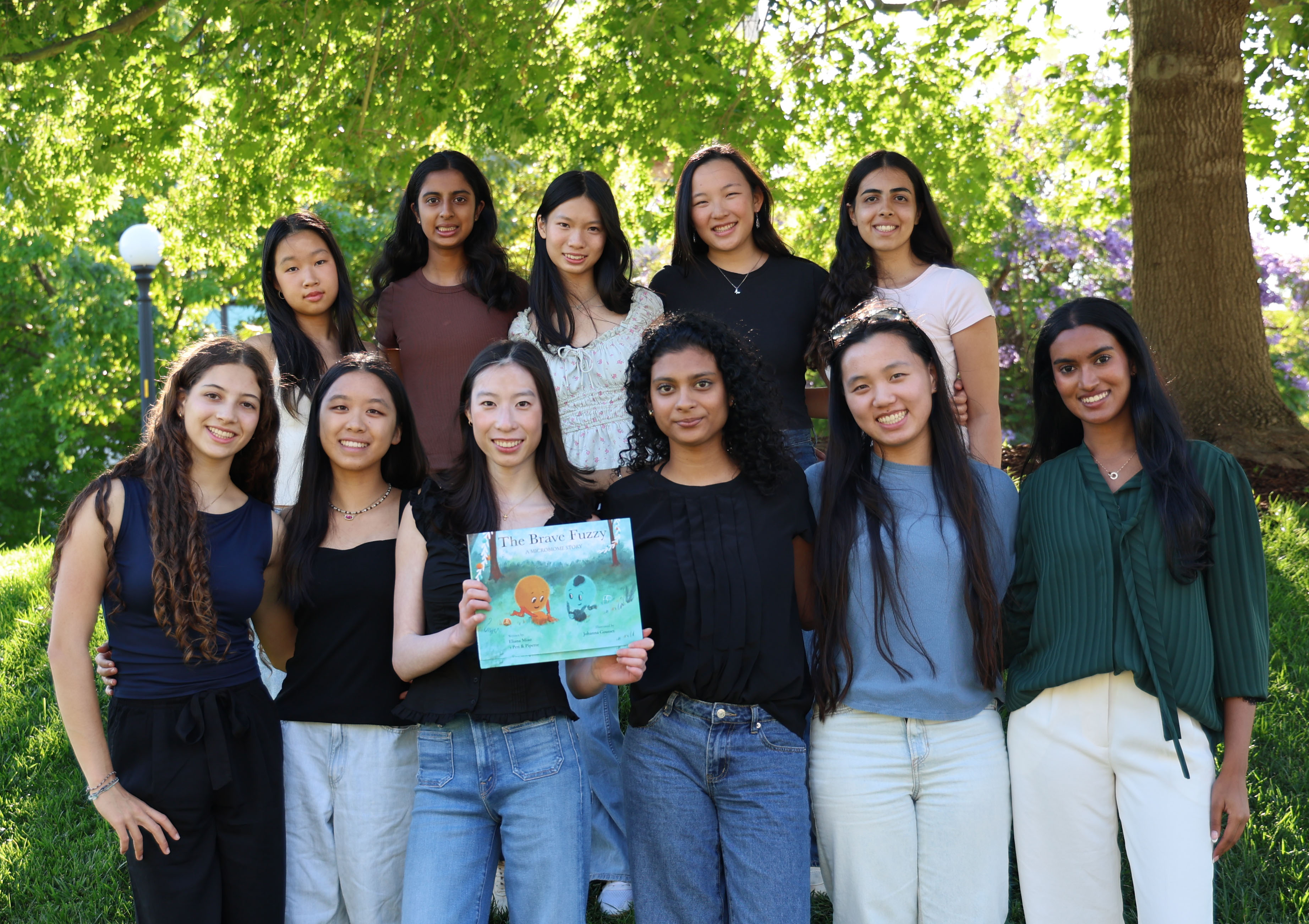
Most kids’ books about science are fact-type books, like National Geographic and DK books. Growing up, we would have loved books that taught us but also swept us up in a story. So we started asking ourselves, could we create that type of book ourselves? Could kids be swept away by an imaginative, fictional world with twists and turns and learn about science at the same time?
We started by picking a topic. We landed on the gut microbiome. We thought this topic would be fun for young kids, but also loved that a lot of cutting-edge science was happening in understanding how the billions of bacteria in our gut were actually communicating in subtle ways with our bodies. As we researched the microbiome more, we landed on a main idea that we thought we could shape a story around – the diversity of the microbiome helps our bodies become stronger.
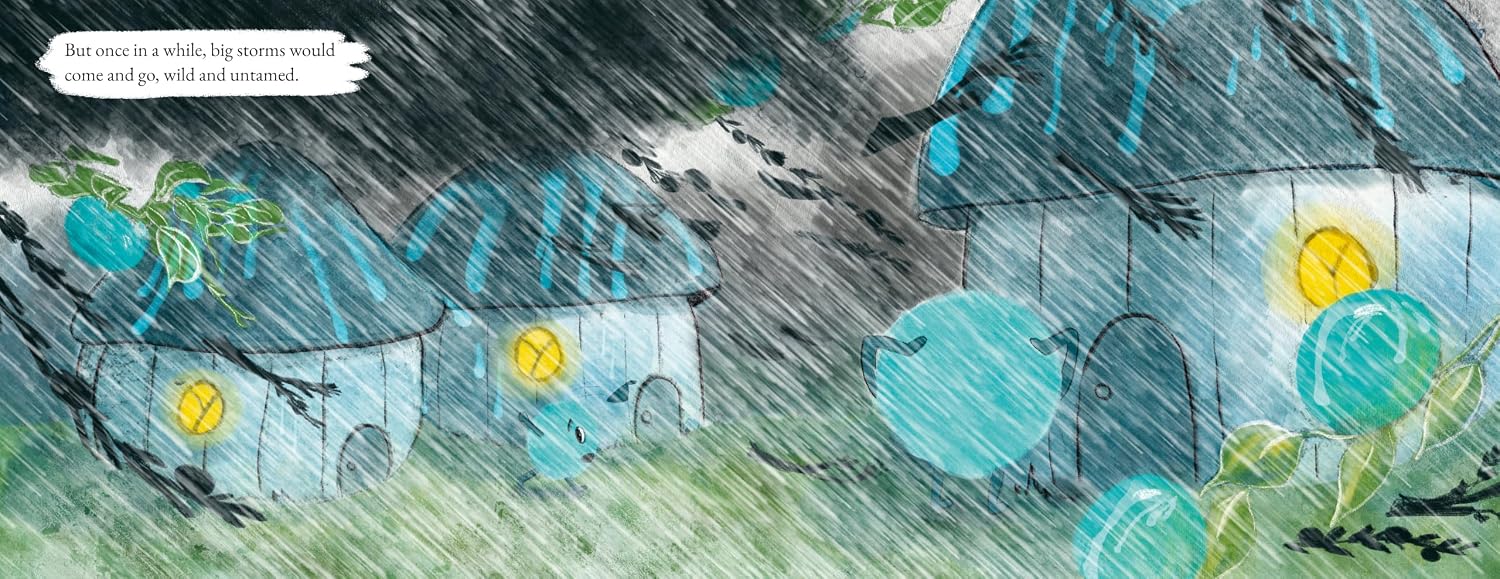
Our own diversity made our team stronger, too. Some of our 22-member team came from a design background while others came from a writing or science background. After a few clumsy starts, our team slowly began to find strength in our differences. Over countless Trader Joe’s chocolate-covered pretzels and dozens of school lunchtime brainstorming sessions later, we built an immersive world of fuzzies whose village was brought down by a ferocious storm. A new fuzzy approaches this village, and in an art-imitates-life moment, tentativeness gave way to the fuzzies also finding their strength and power in their differences.
We liked our idea, but we really wanted to see if kids would like it, too. So we met them on their turf – in their classrooms – and brought them into the exciting process of book creation. What kind of world sweeps them off their feet and into their imaginations? A forest-y world or a jungle-y world? What type of creatures would they want to befriend? As they sat at their desks, crayons and colored pencils in hand, they drew their own unique “fuzzy” just as their minds imagined. Not surprisingly, their drawings were whimsical, funny, detailed, and full of personality; what surprised each of us, though, was the collaboration, the back-and-forth feedback, and the collective joy that grew out of this activity. Tapping into kids’ creativity and peeking into their curious minds left us inspired and encouraged.
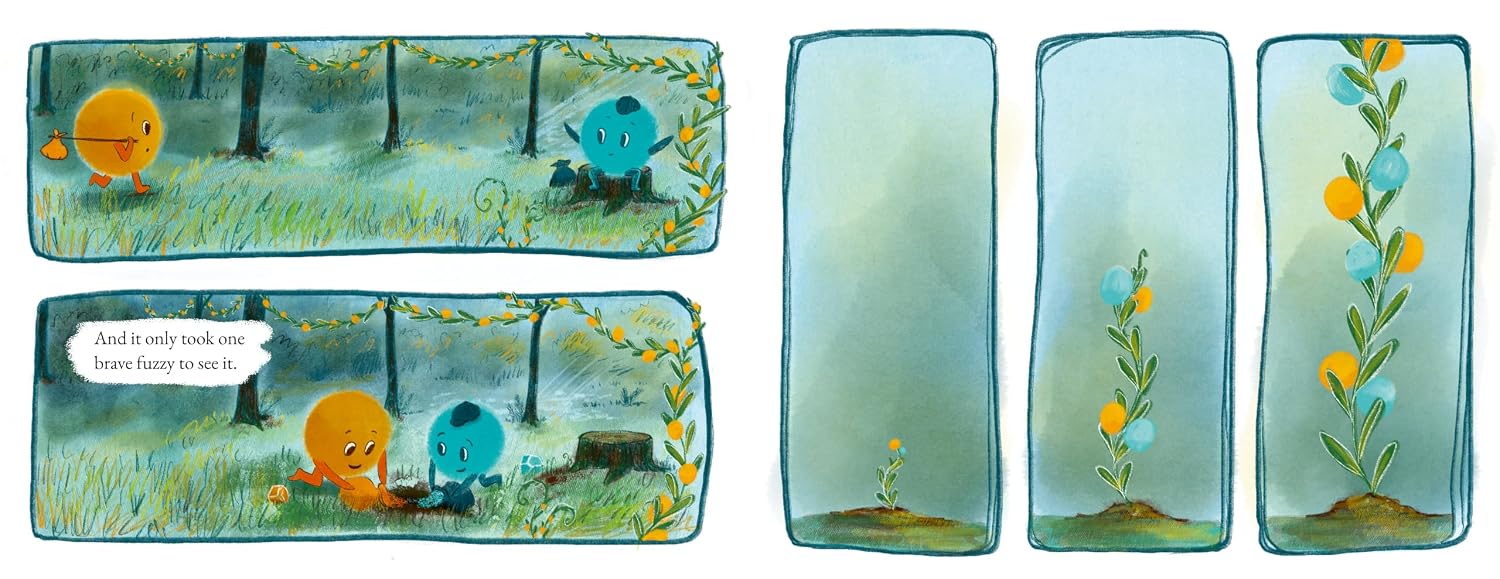
Based on their feedback, we kept iterating on our book. And revision by revision, the book got better and better. During this process, our diversity continued to be a key strength for us. Each one of us saw the book through different eyes and would catch things or have new ideas that others hadn’t seen. It was nerve wracking, locking the final draft of our book down and sending it to the printers.
With our book recently launched, we’ve been excited by all the positive feedback. The book was awarded a Kirkus star which was a great industry validation for the time and care we put into the book. But the most rewarding thing has been hearing stories of kids loving the book and getting excited by the science of our bodies’ microbiomes.
Now we’re the ones helping to shape little kids’ interests and passions.
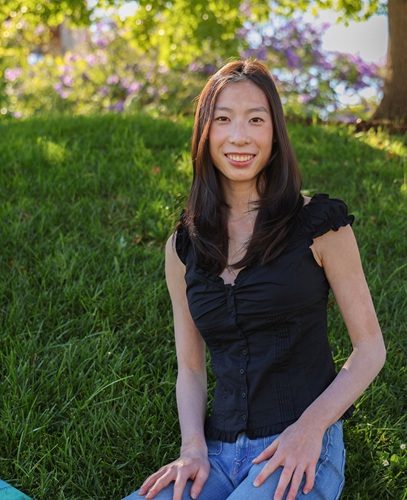
Eliana Miao debuted an award-winning illustrated science book in 2023. Inspired by that experience, she founded Pen & Pipette, a nonprofit inspiring the next generation of readers and scientists through exciting educational books and classroom events. Their book The Brave Fuzzy introduces young readers to the science of the gut microbiome through a fun story celebrating diversity and community.
To learn more, visit penandpipette.org and follow Pen & Pipette on Instagram: @penandpipette and TikTok: @penandpipette