
An aquarium is opening soon in my area, and my sister and I already have plans to go. We’re so excited! Aquariums are places for people of all ages to learn, explore, and get to know many of the aquatic animals with whom we share planet Earth. My favorite things about aquariums, besides the animals, are the opportunities to support conservation efforts and the way in which people can find calm amongst the watery habitats, a little freedom from the stresses of life.
Picture books, both nonfiction and fiction, about the ocean, especially its creatures, are very popular with kids. In fact, many were published just this year (2026). Here I’ve shared six wonderful examples (with partial summaries from Goodreads or Amazon). Following the books, I’ve also shared (with the help of Finley Frog) six of my favorite aquatic animals, all incredible in their own way, that call oceans, rivers, and lakes home.
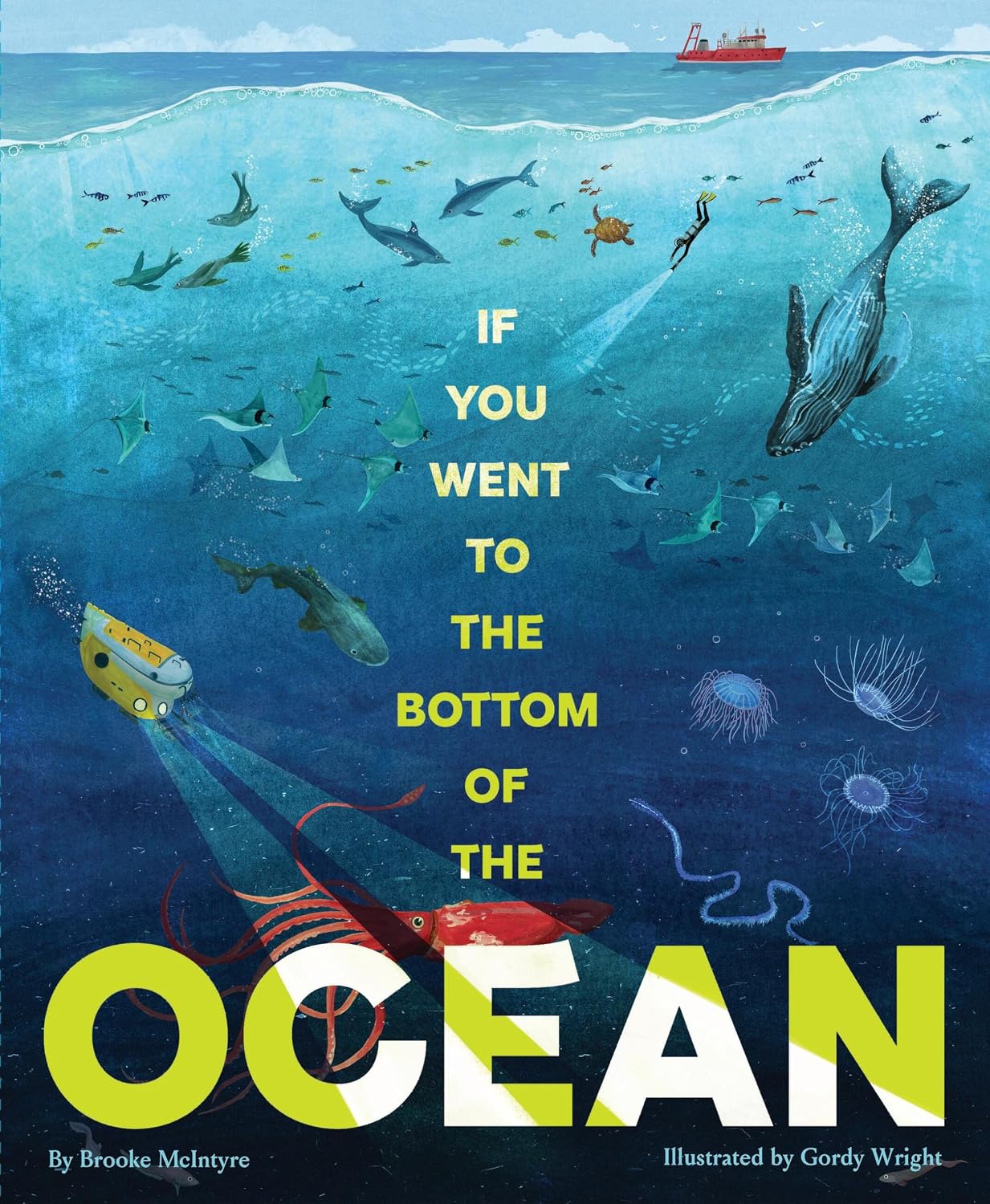
by Brooke Mcintyre and Gordy Wright (Illustrator)
Dive into this compelling, content‑rich nonfiction picture book and find yourself on an underwater adventure: a marine mission that takes you past reefs, beyond the near‑shore sea floor, down, down, down through the sunlight layer, the twilight layer, the midnight zone―all the way (as in seven miles!) down to the bottom of the ocean!
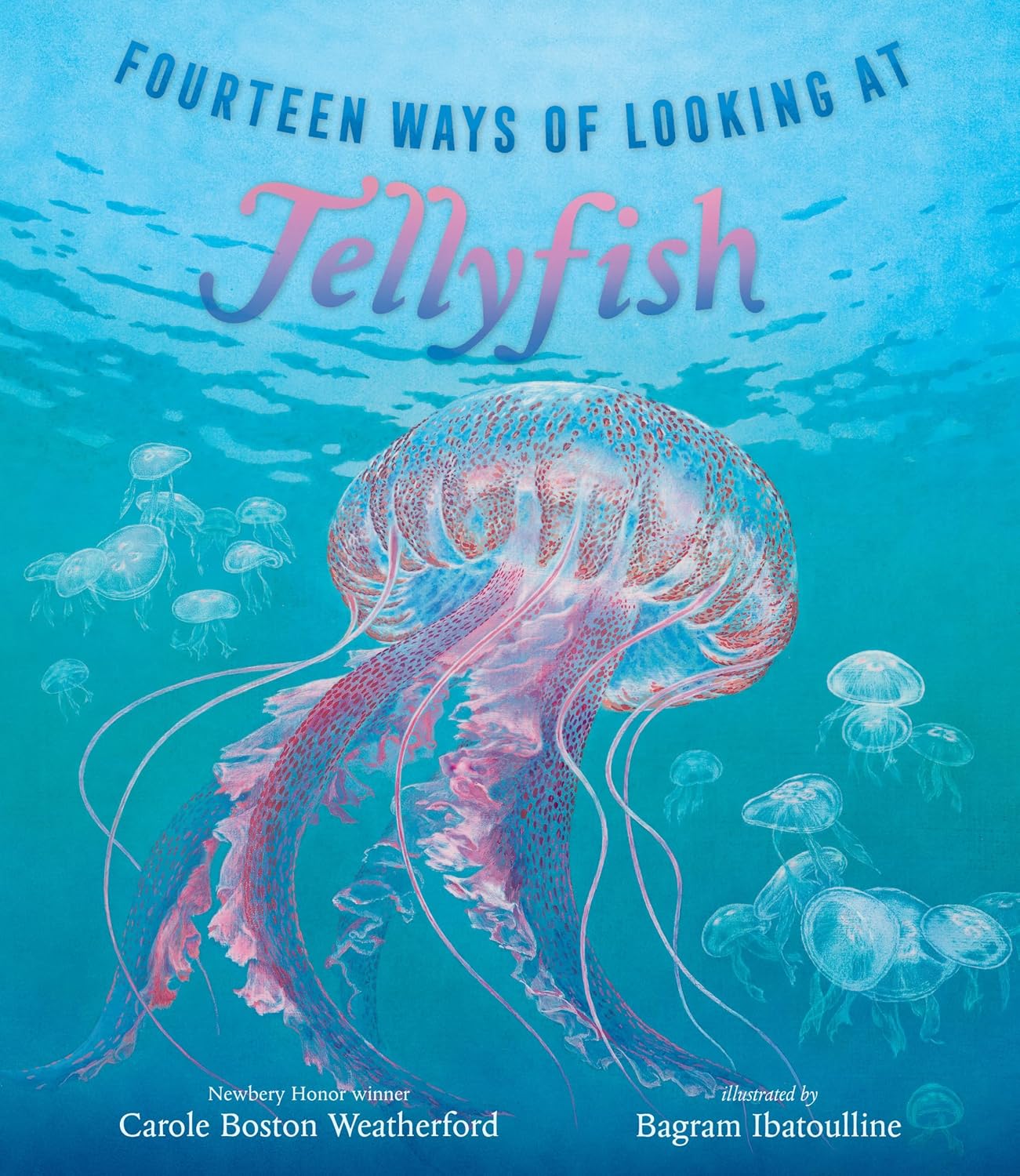
by Carole Boston Weatherford and Bagram Ibatoulline (Illustrator)
Inside glass tanks in crowded aquariums, jellies hold visitors rapt with their slow-motion water ballet. Most of the world’s nearly four thousand species emit an otherworldly light, glowing red, yellow, violet, or blue in the underwater dark. Fourteen wildly divergent poems—by turns dramatic and serene—pulse with life. From spreads of shimmering bioluminescence to graphic panels, stylish artwork blends poetry with science and fact with folklore and myth to form the ideal introduction to the “immortal” and mysterious jellyfish.
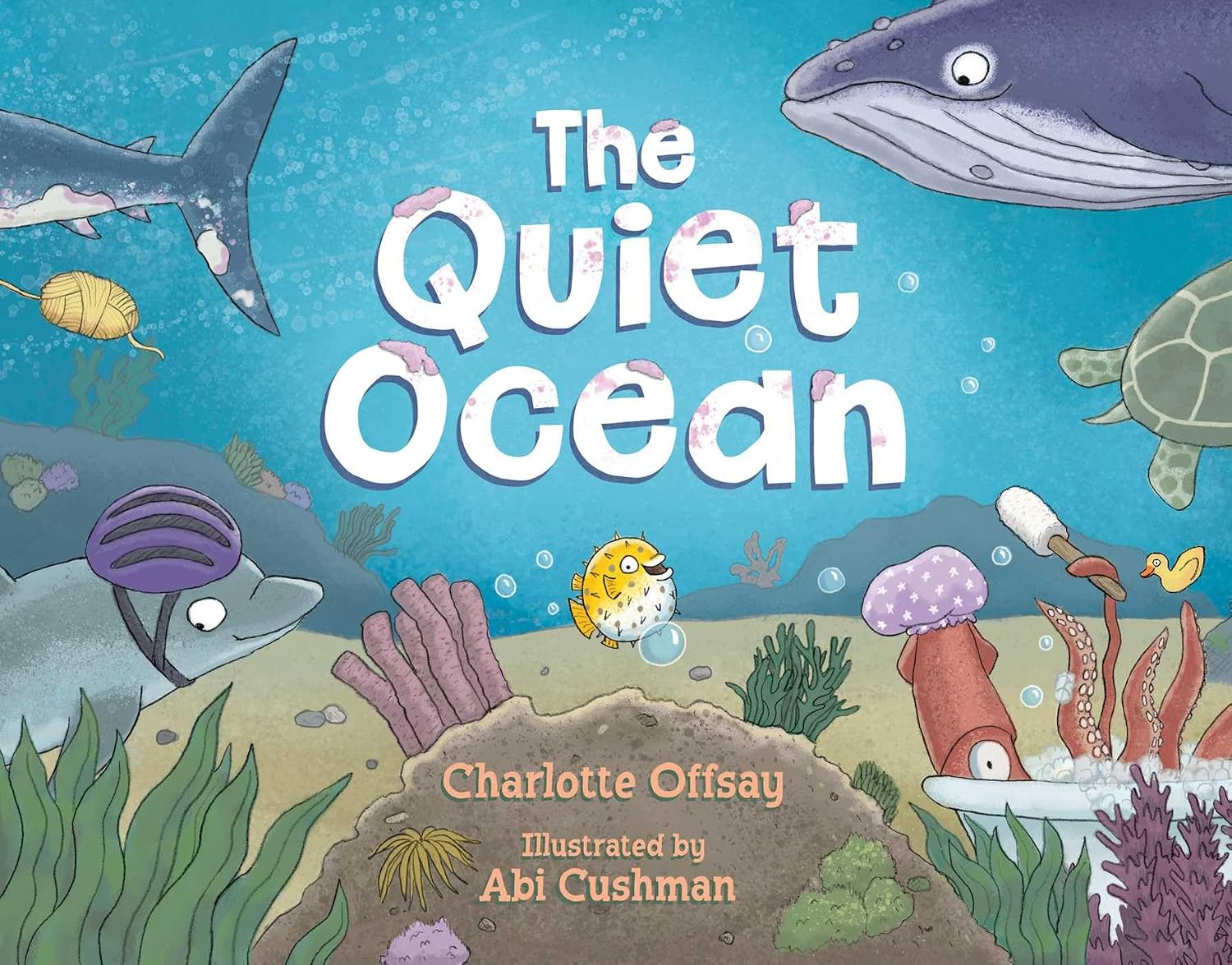
by Charlotte Offsay and Abi Cushman (Illustrator)
Deep beneath the waves, a pufferfish putters alone. A playful puffer in a quiet, nothing-much-happening ocean. Until…one small pop! sets off a chain of outrageous events, causing the whole ocean to have a very frazzled day indeed! Can the sea creatures find a way to bring quiet back to their underwater home?
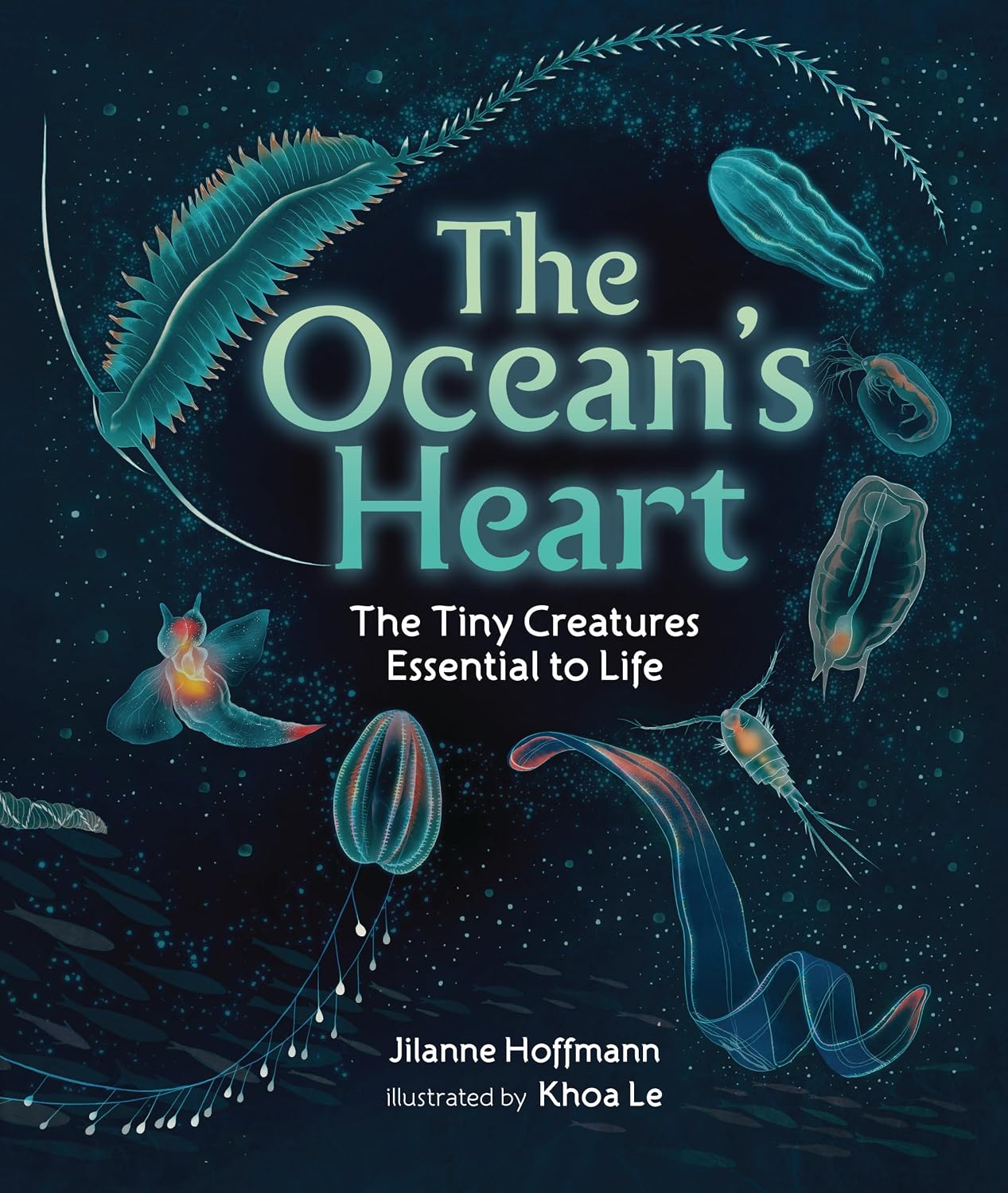
by Jilanne Hoffmann and Khoa Le (Illustrator)
Plunge far below the ocean’s surface where billions of restless animals called zooplankton (including jellyfish) dwell in the Twilight Zone. Some are tiny, some enormous, and most are exquisitely beautiful. The setting sun cues their journey to surface waters for a midnight feast on trillions of tiny plants (and each other). It’s a daunting, perilous journey through predator-infested waters that transforms the dark ocean into a carnival of lights amidst a feeding frenzy in an eat before being eaten world. This nightly animal migration, the largest in the world, is vital to all life on Earth.
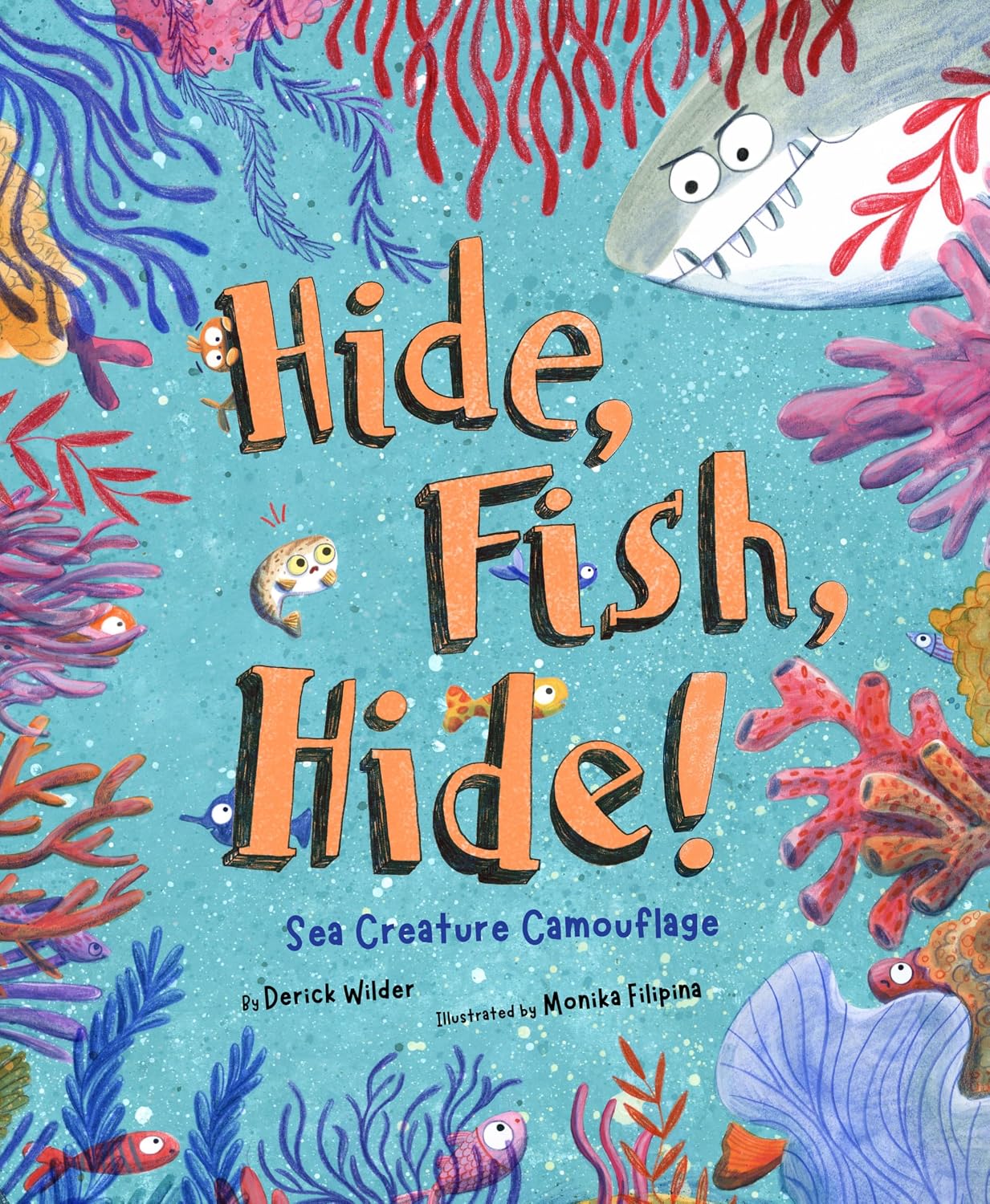
by Derick Wilder and Monika Filipina (Illustrator)
It’s a beautiful day to be living in the ocean. The sun is shining, and the water is a glorious blue. But wait . . . something big, something hungry, something menacing is approaching. It’s a great white shark! Luckily, there’s no reason for alarm. From ink-releasing cuttlefish to burrowing flounder to camouflaging leafy dragon, all the local sea creatures seem to have a way to hide from our hungry shark. Well, almost all.
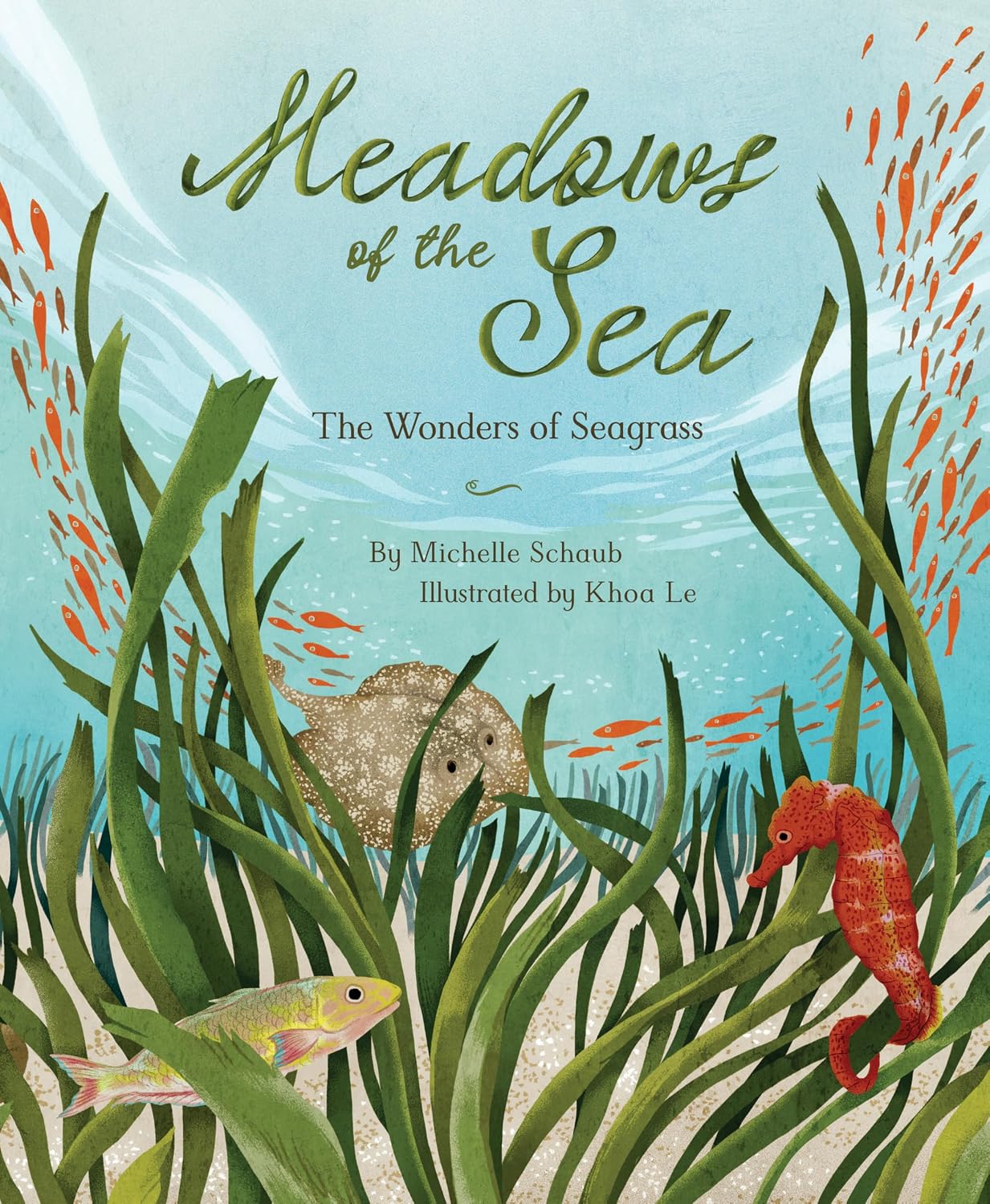
by Michelle Schaub and Khoa Le (Illustrator)
Often called “the lungs of the sea,” seagrass meadows are found on every continent except Antarctica. Within this ecosystem is an abundance of marine life, including many species of fish, mammals, reptiles, and invertebrates. And beyond providing shelter and food for these inhabitants and visitors, seagrass plays an important role in the health of our planet. Seagrass lessens the effects of climate change and even helps filter out plastics and pollutants awash in the ocean. But this important ecosystem is under threat from many human activities. It’s time to pay attention to this vital space on Earth.

Amazing Aquatic Creatures
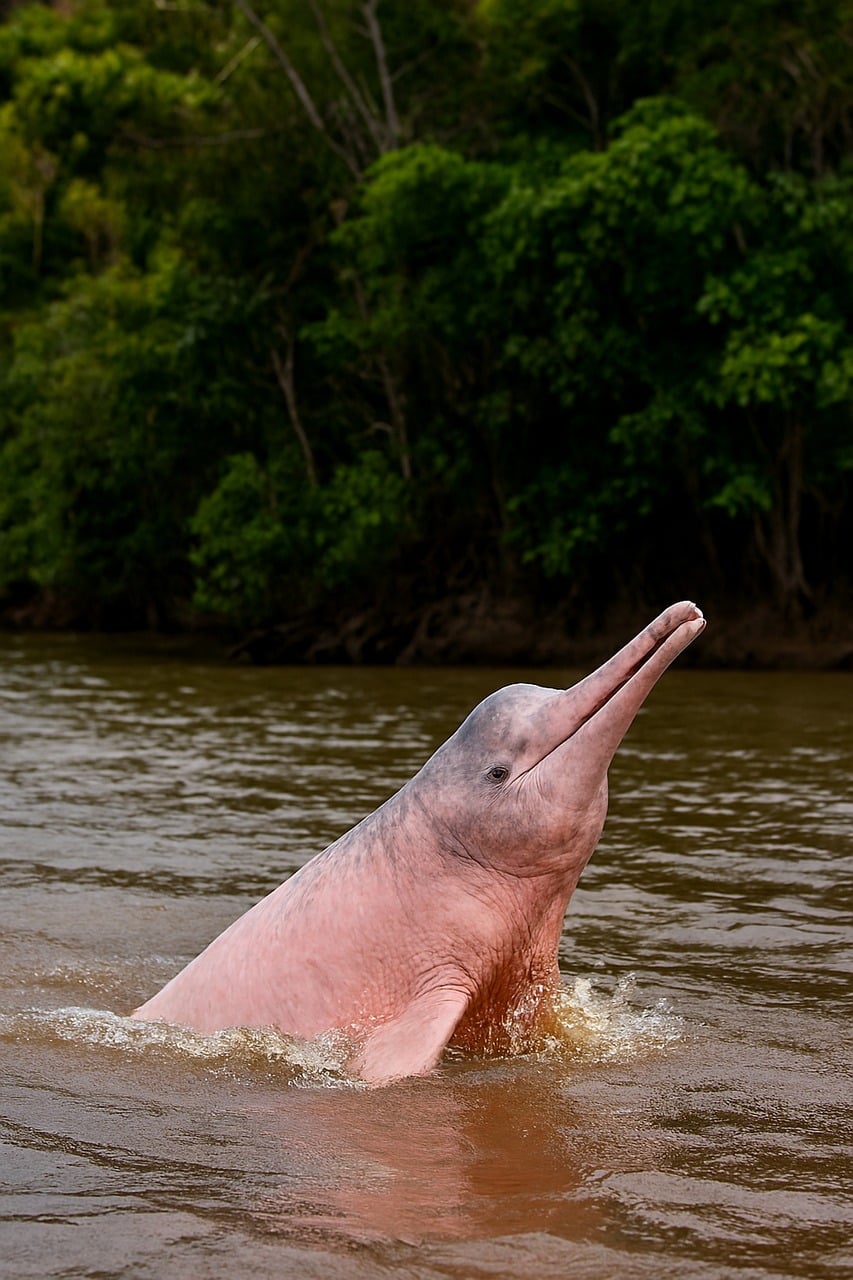
Amazon River Dolphins are born gray and turn pink as they mature with males tending to become pinker than females likely due to sparring with other males causing pink scar tissue to form.
https://www.riverdolphins.org/river-dolphins-worldwide/amazon-river-dolphin/
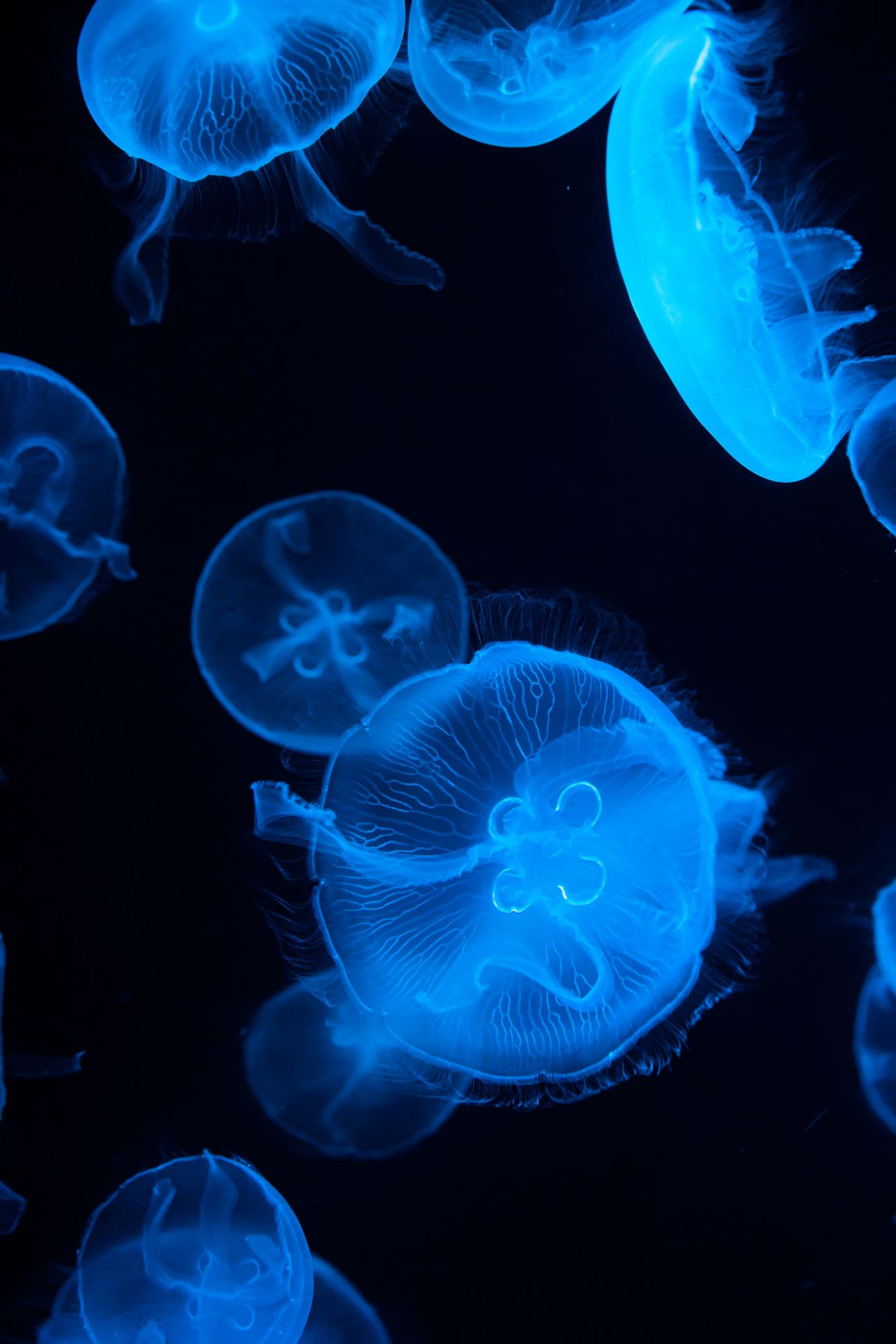
Moon Jellies are a common species of prehistoric jelly fish that have survived on Earth for millions of years. Because they’re not strong swimmers, they go where the ocean currents take them. I guess you could say that they go with the flow.
https://www.montereybayaquarium.org/animals-the-ocean/animals-a-to-z/moon-jelly
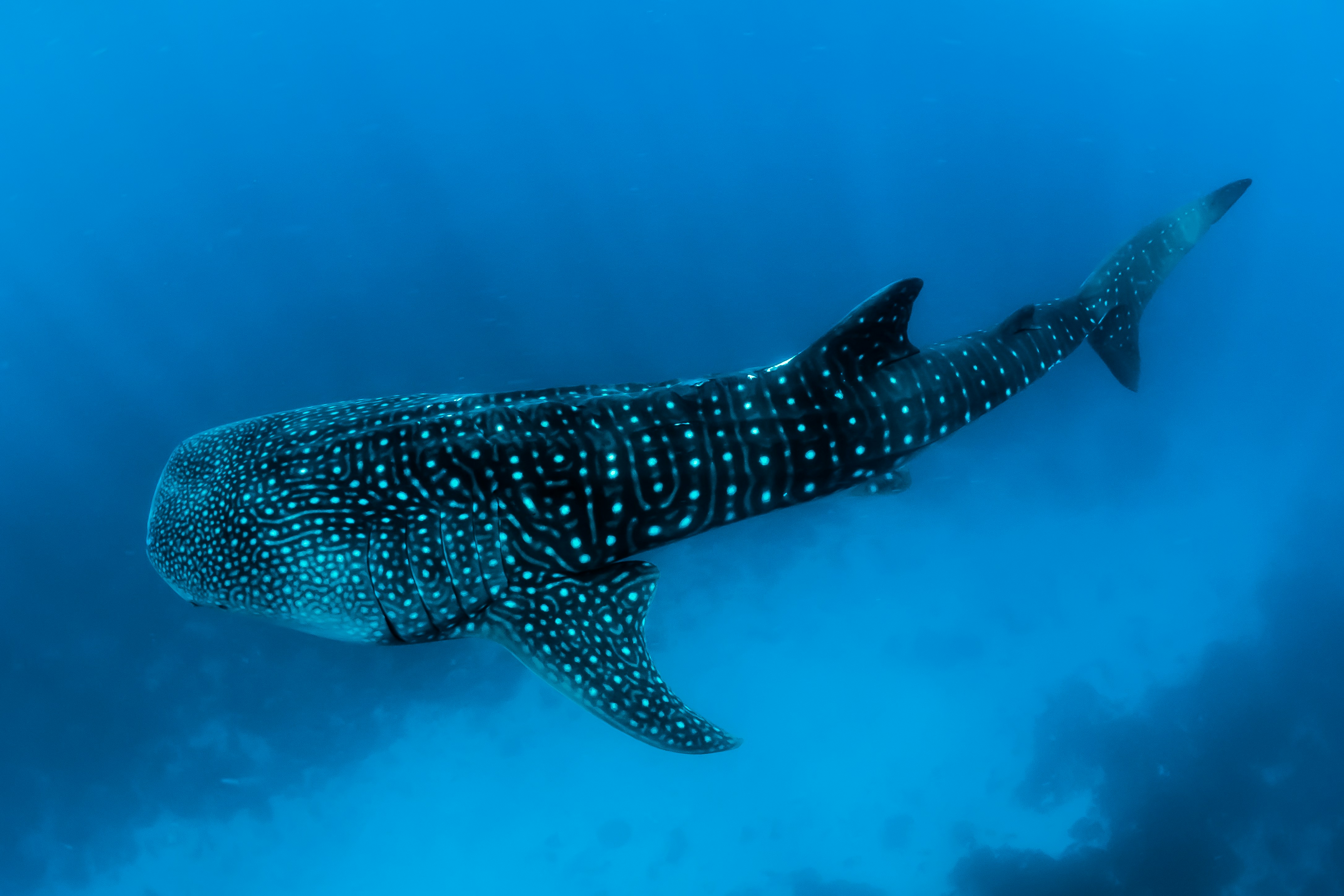
Whale Sharks are considered the largest fish in the sea reaching up to 40 feet or more in length. Each shark has its own unique pattern of white spots and pale stripes.
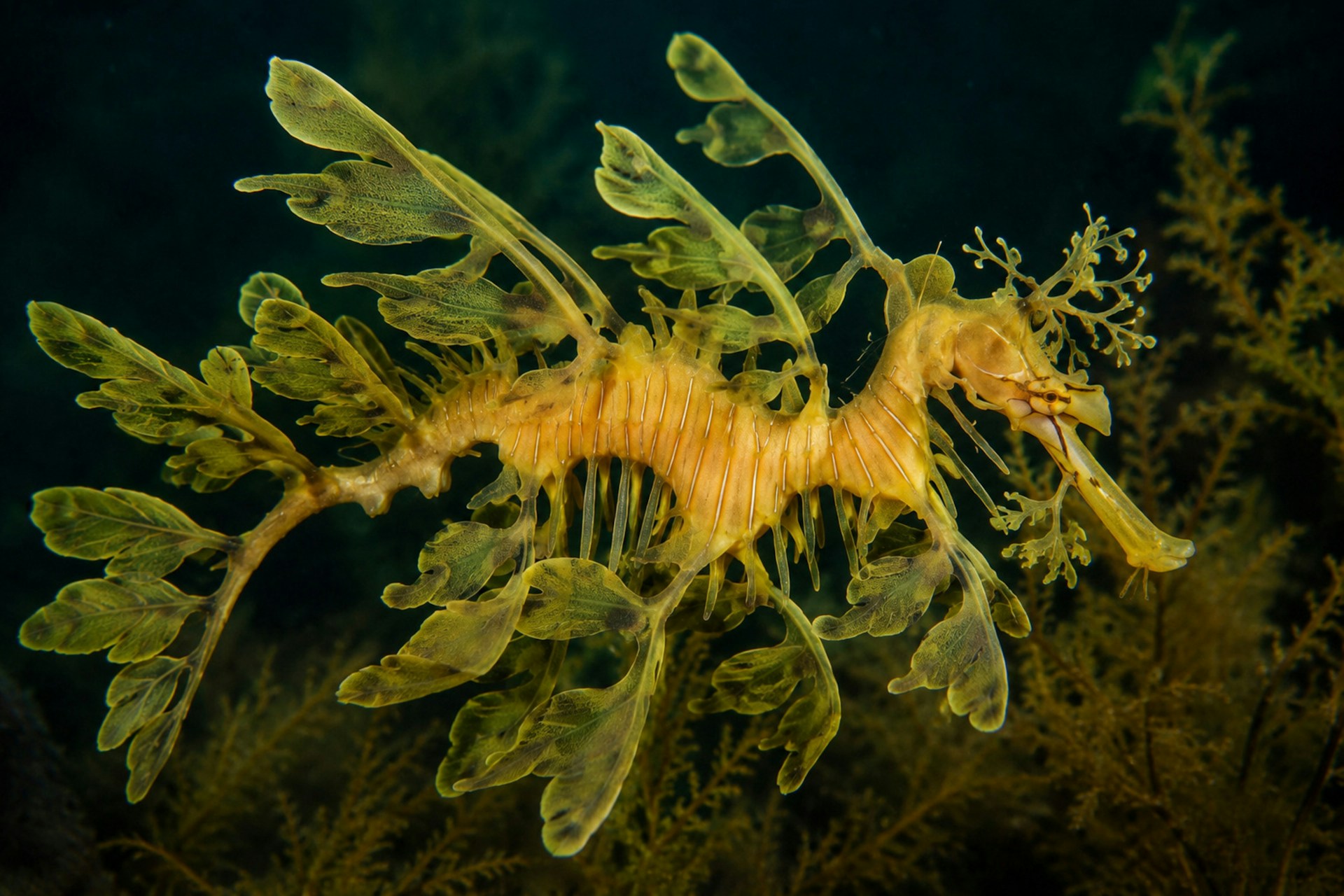
Leafy Seadragons, closely related to seahorses but with longer snouts, are adorned with frilly appendages that resemble seaweed, which camouflages them and keeps them safe from predators.
https://usa.oceana.org/blog/creature-feature-enter-leafy-seadragon/
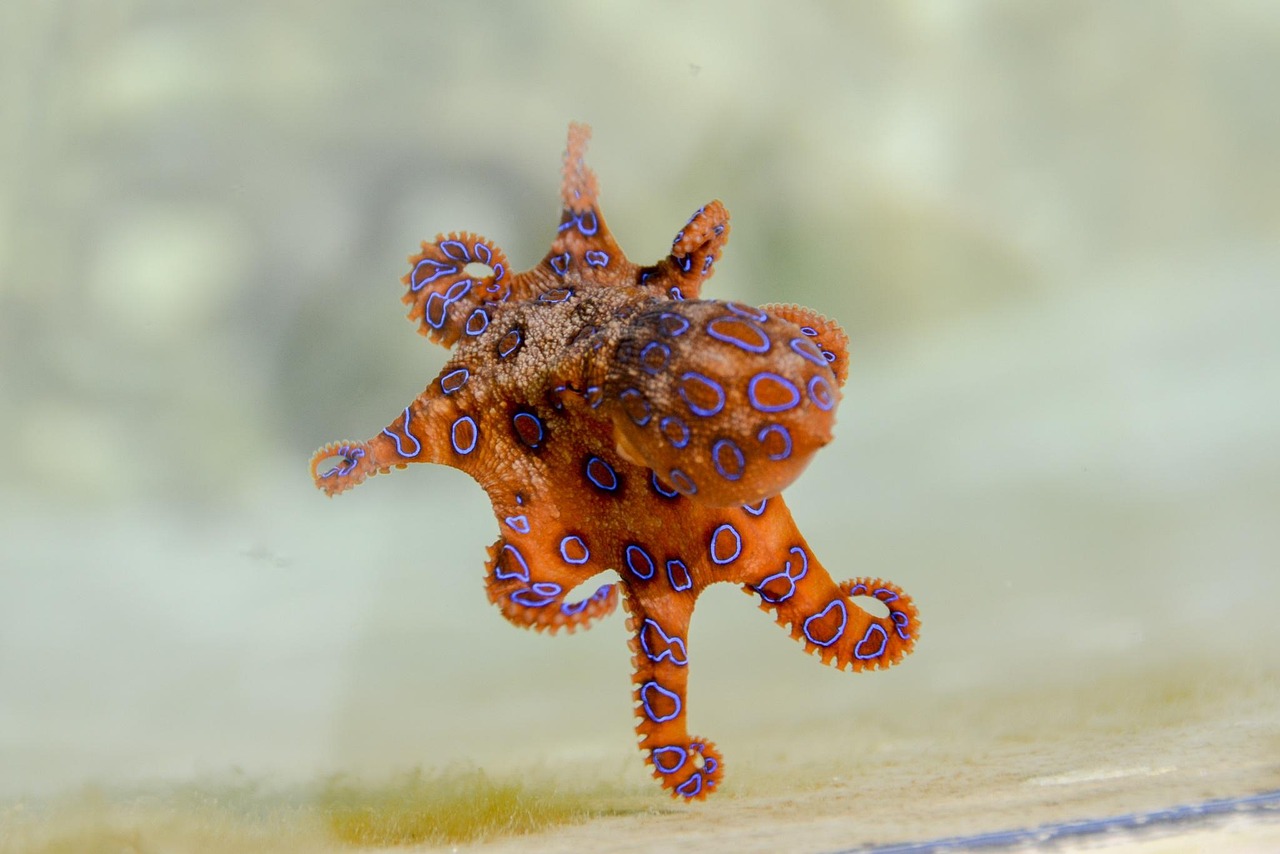
Blue-ringed Octopuses, when threatened, display bright blue rings all over their bodies as a warning to predators. Though tiny in size, these octopuses are dangerous, with venom that’s 1000 times more potent than cyanide.
https://oceanconservancy.org/blog/2017/03/13/blue-ringed-octopus/
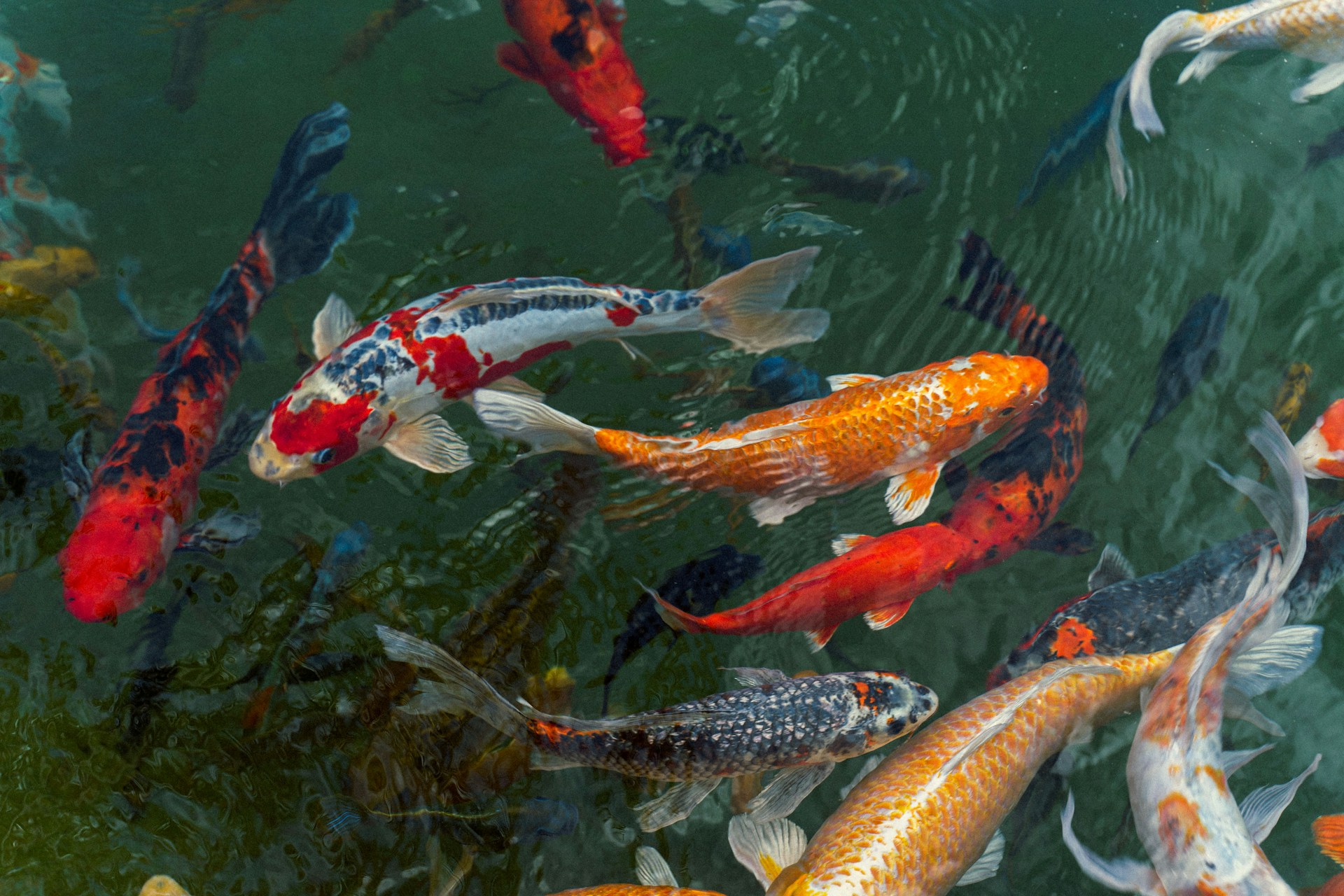
Japanese Koi are a colorful variety of the common carp. These social fish can grow to be over 3 feet long and more than 25 pounds and live on average up to 40 years. The oldest-known koi ever recorded was named Hanako, meaning “flower child”, who lived to be 226 years old.
Two Lovely New Bonus Books with the Same Title!
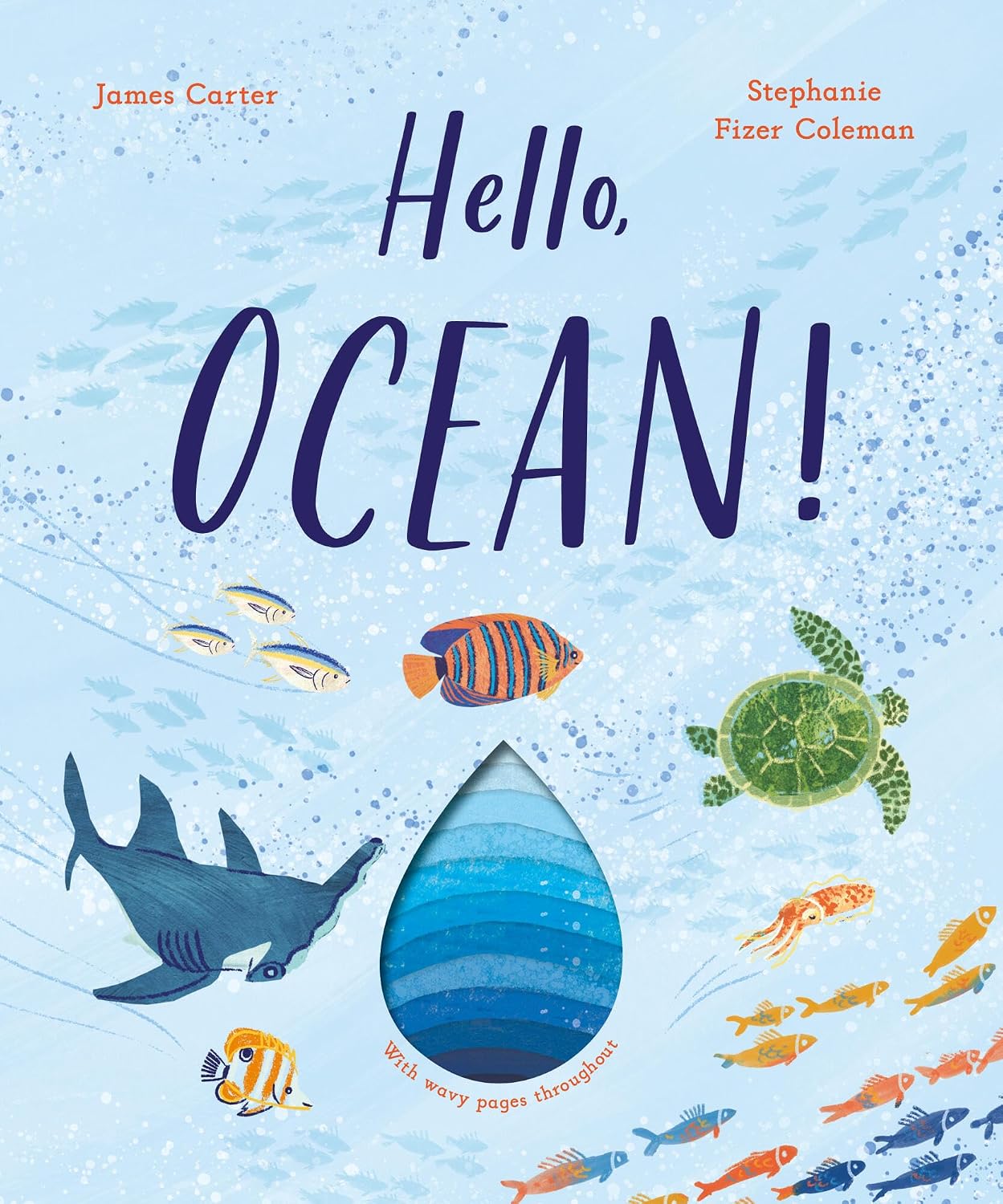
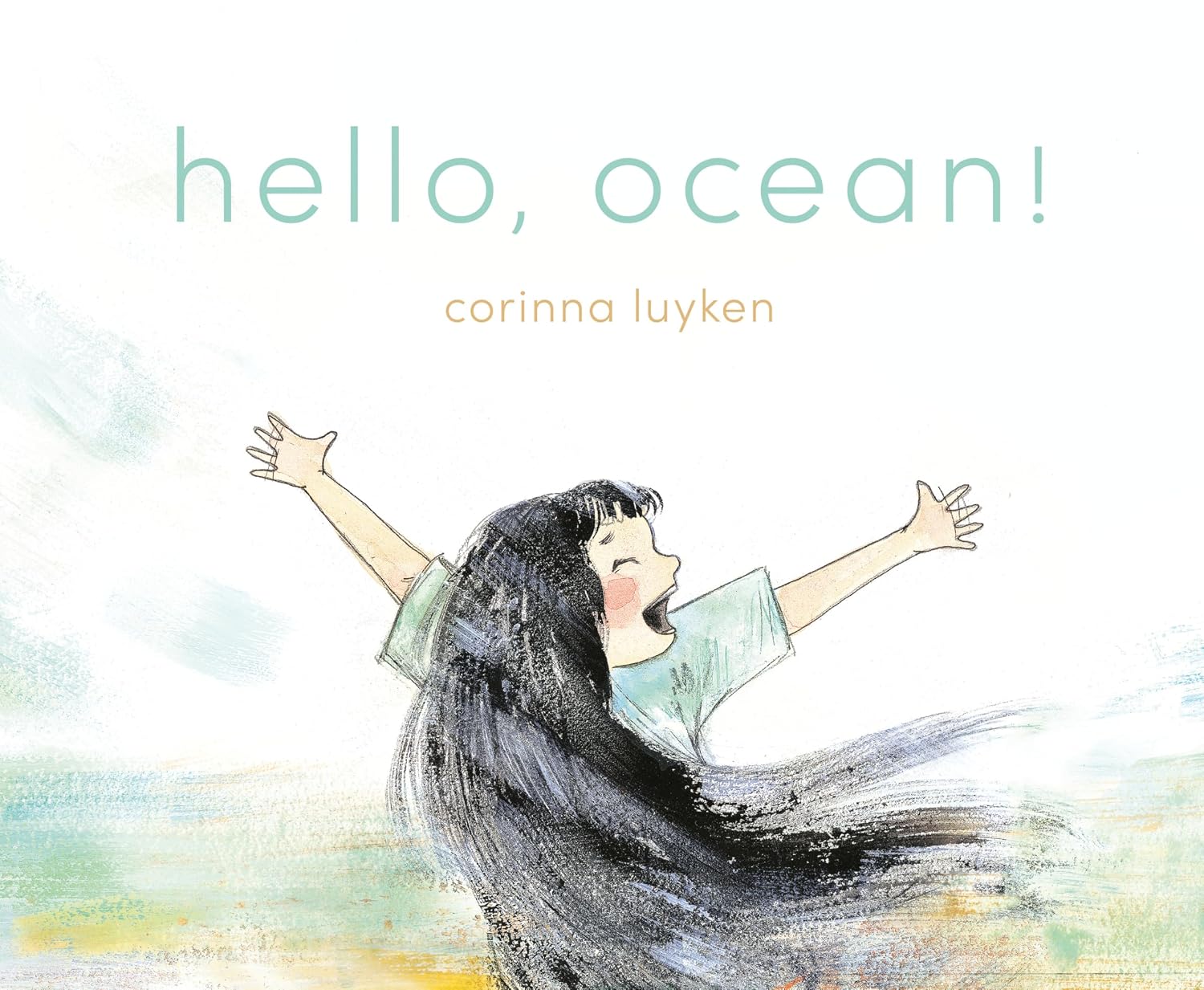
Please share your favorite ocean-themed picture books in the comments.

