Six New Ocean-themed Picture Books and Six Amazing Aquatic Creatures (+ Two Bonus Books)!

An aquarium is opening soon in my area, and my sister and I already have plans to go. We’re so excited! Aquariums are places for people of all ages to learn, explore, and get to know many of the aquatic animals with whom we share planet Earth. My favorite things about aquariums, besides the animals, are the opportunities to support conservation efforts and the way in which people can find calm amongst the watery habitats, a little freedom from the stresses of life.

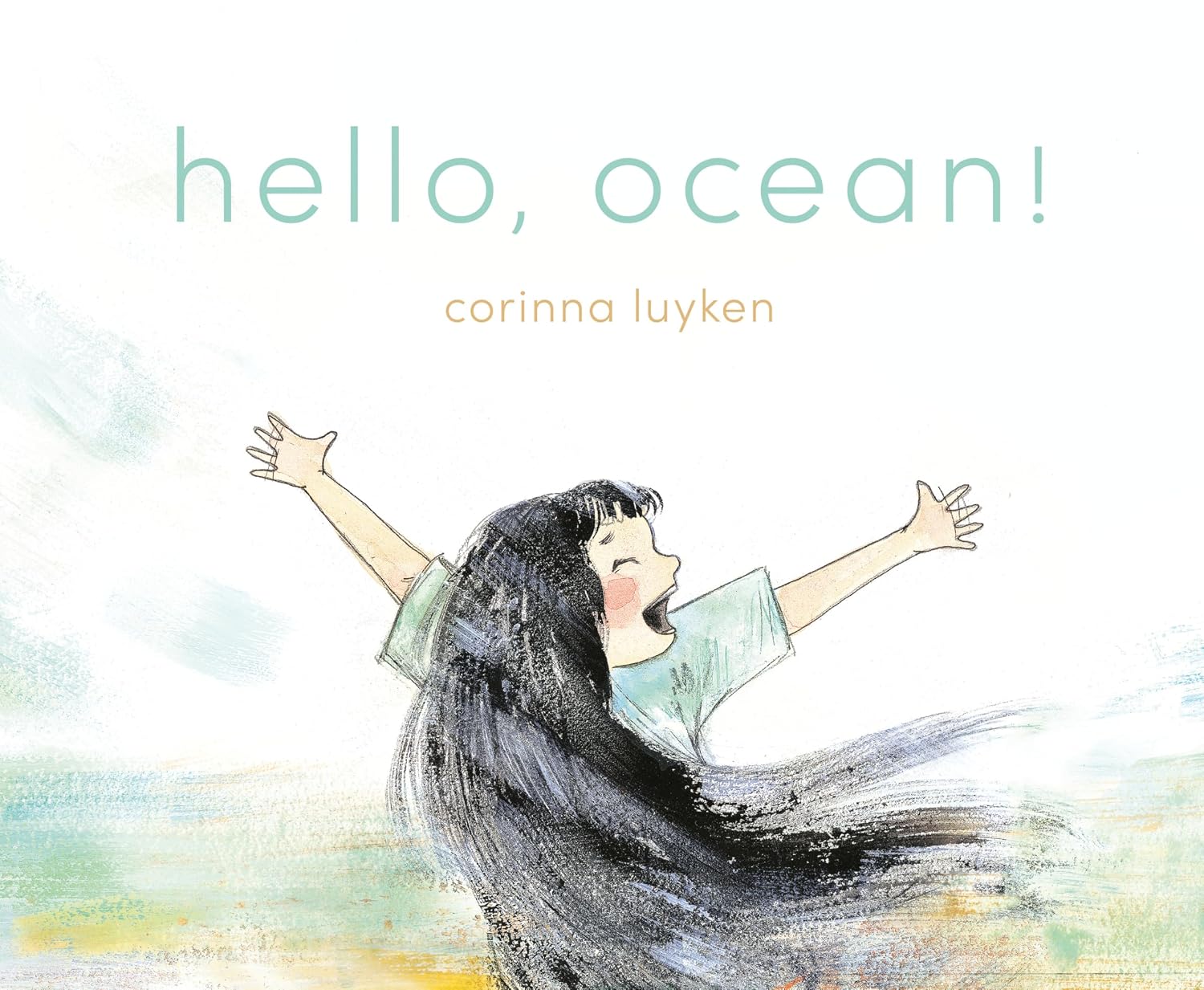
Picture books, both nonfiction and fiction, about the ocean, especially its creatures, are very popular with kids. In fact, many were published just this year (2026). Here I’ve shared six wonderful examples (with partial summaries from Goodreads or Amazon). Following the books, I’ve also shared six of my favorite aquatic animals, all incredible in their own way, that call oceans, rivers, and lakes home.
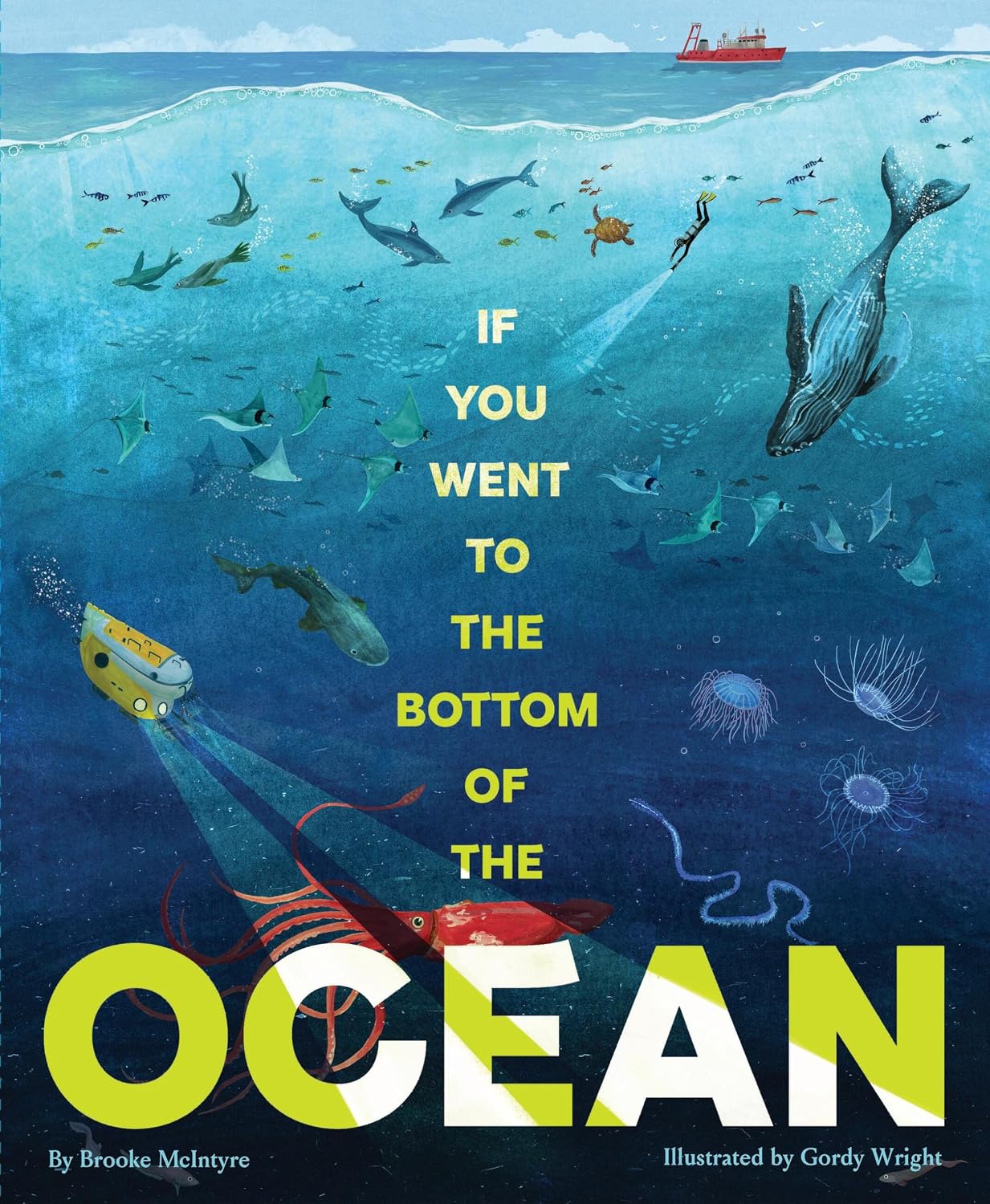
by Brooke Mcintyre and Gordy Wright (Illustrator)

Dive into this compelling, content‑rich nonfiction picture book and find yourself on an underwater adventure: a marine mission that takes you past reefs, beyond the near‑shore sea floor, down, down, down through the sunlight layer, the twilight layer, the midnight zone―all the way (as in seven miles!) down to the bottom of the ocean!
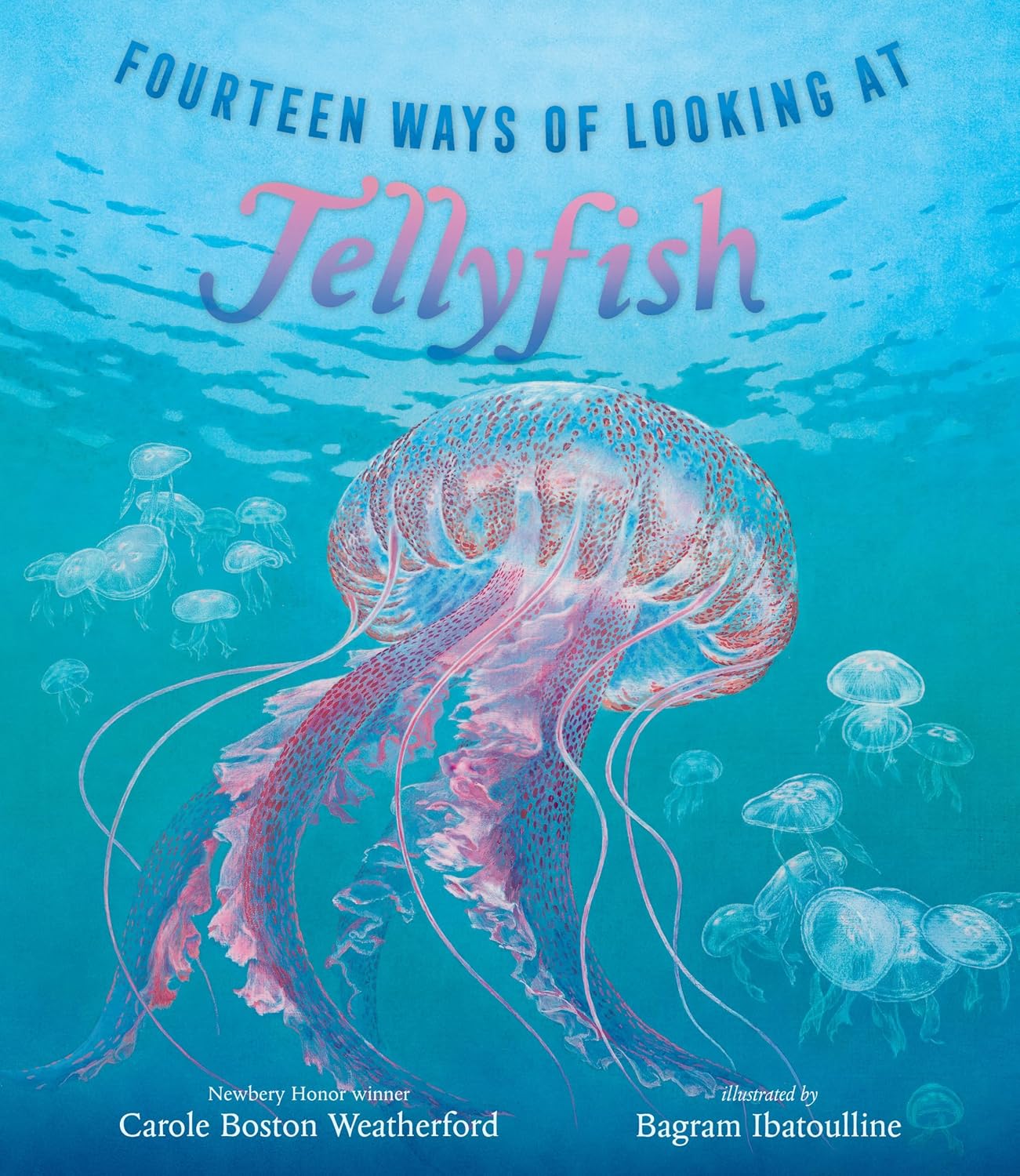
by Carole Boston Weatherford and Bagram Ibatoulline (Illustrator)

Inside glass tanks in crowded aquariums, jellies hold visitors rapt with their slow-motion water ballet. Most of the world’s nearly four thousand species emit an otherworldly light, glowing red, yellow, violet, or blue in the underwater dark. Fourteen wildly divergent poems—by turns dramatic and serene—pulse with life. From spreads of shimmering bioluminescence to graphic panels, stylish artwork blends poetry with science and fact with folklore and myth to form the ideal introduction to the “immortal” and mysterious jellyfish.
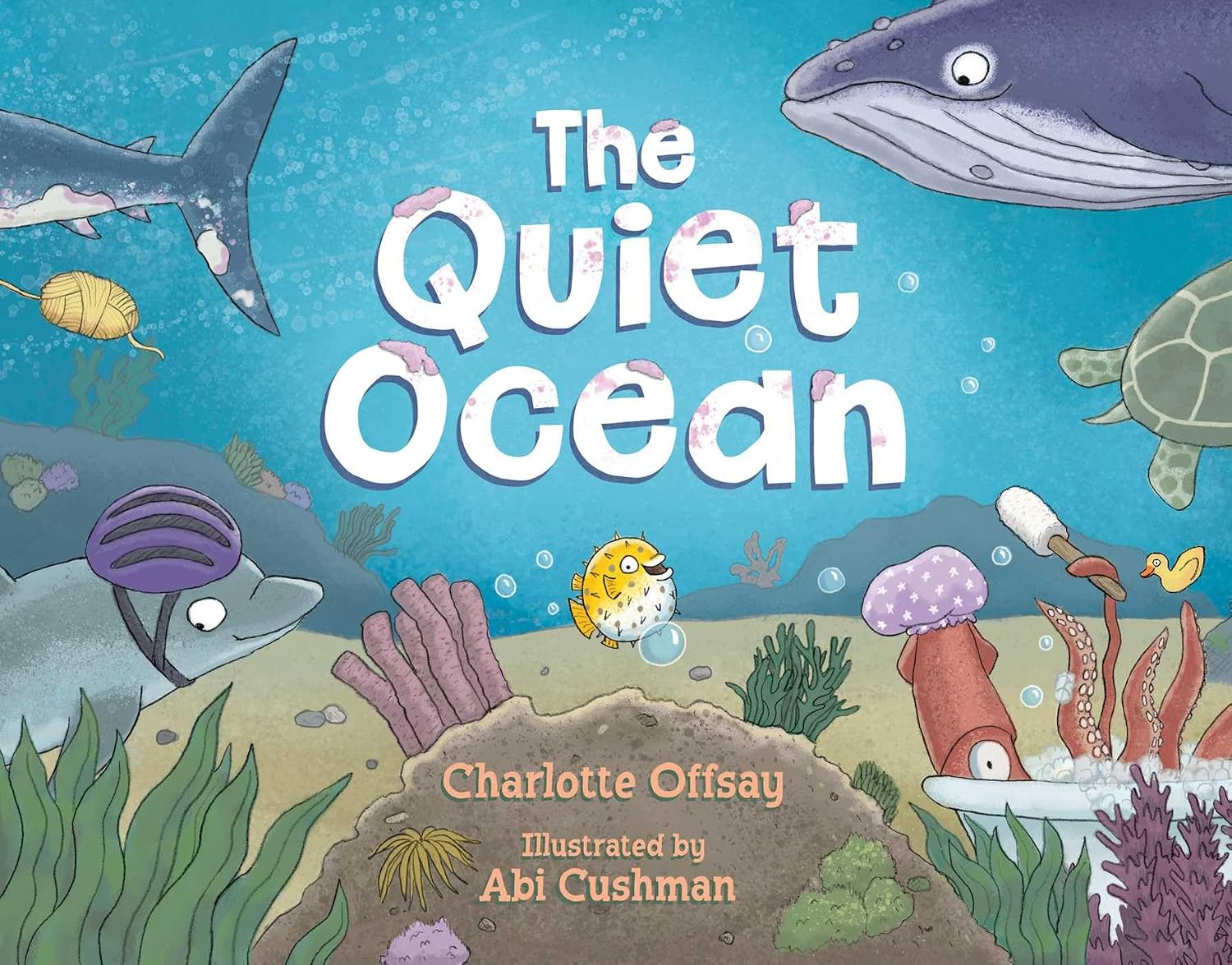
by Charlotte Offsay and Abi Cushman (Illustrator)

Deep beneath the waves, a pufferfish putters alone. A playful puffer in a quiet, nothing-much-happening ocean. Until…one small pop! sets off a chain of outrageous events, causing the whole ocean to have a very frazzled day indeed! Can the sea creatures find a way to bring quiet back to their underwater home?
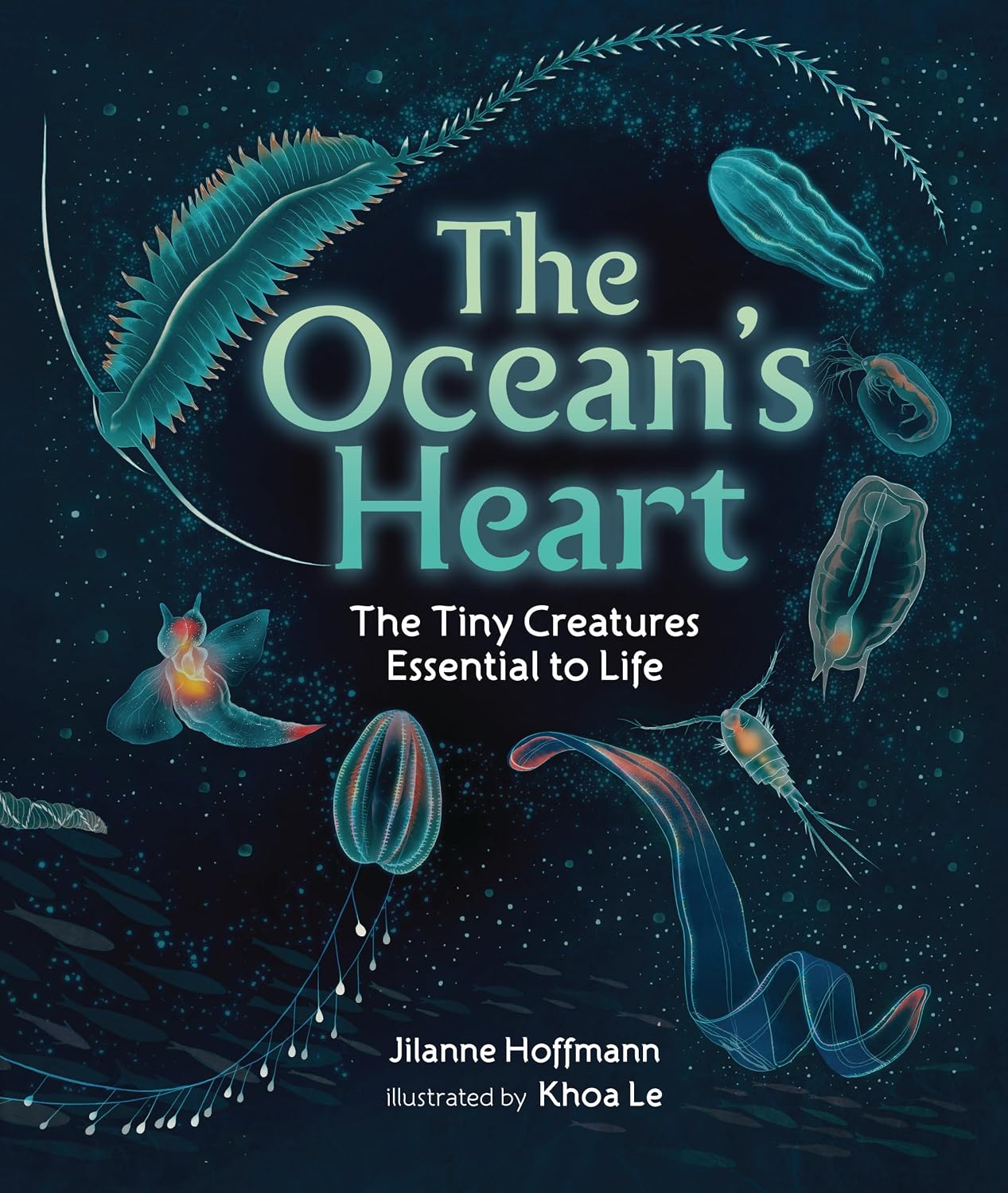
by Jilanne Hoffmann and Khoa Le (Illustrator)

Plunge far below the ocean’s surface where billions of restless animals called zooplankton (including jellyfish) dwell in the Twilight Zone. Some are tiny, some enormous, and most are exquisitely beautiful. The setting sun cues their journey to surface waters for a midnight feast on trillions of tiny plants (and each other). It’s a daunting, perilous journey through predator-infested waters that transforms the dark ocean into a carnival of lights amidst a feeding frenzy in an eat before being eaten world. This nightly animal migration, the largest in the world, is vital to all life on Earth.
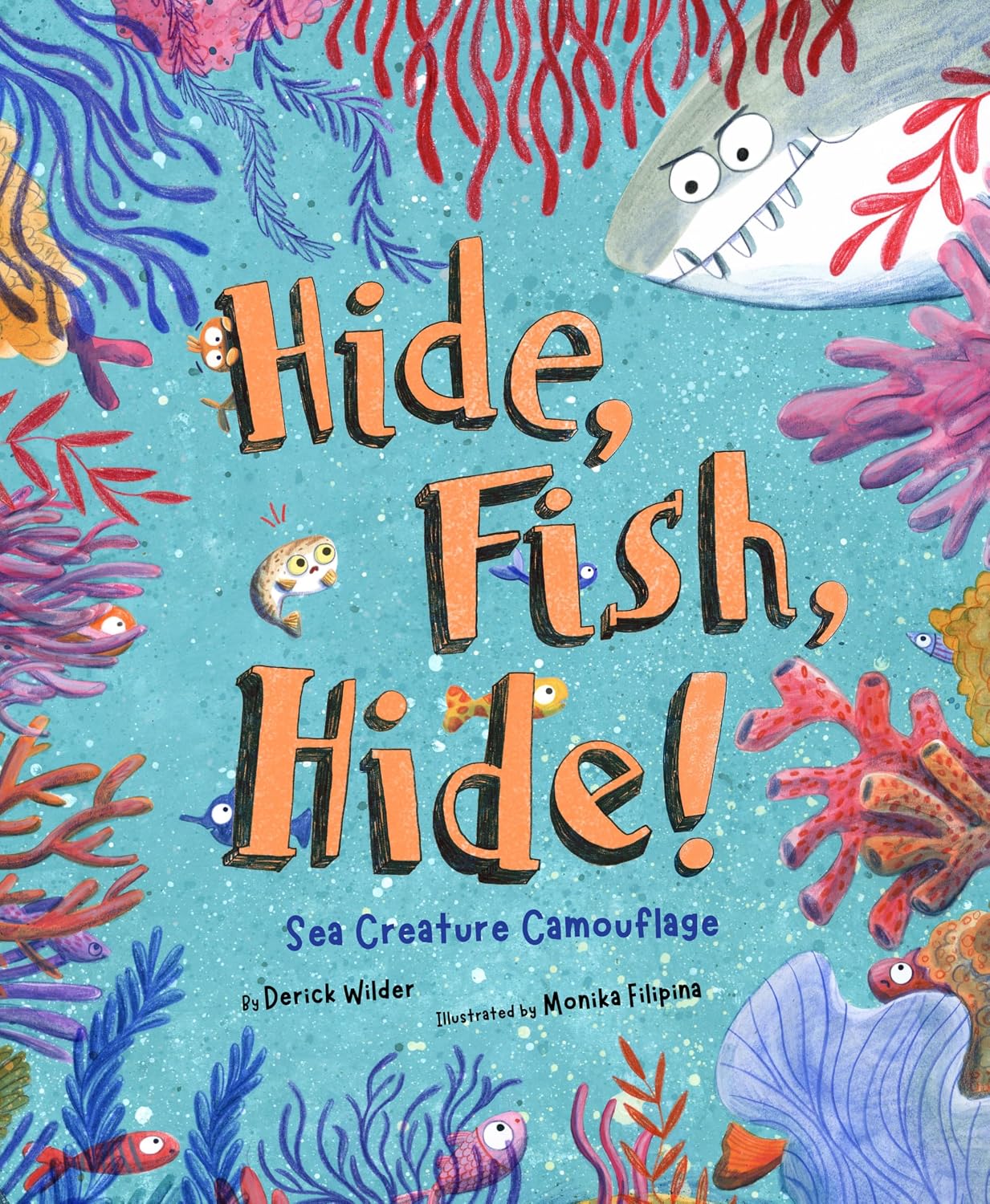
by Derick Wilder and Monika Filipina (Illustrator)

It’s a beautiful day to be living in the ocean. The sun is shining, and the water is a glorious blue. But wait . . . something big, something hungry, something menacing is approaching. It’s a great white shark! Luckily, there’s no reason for alarm. From ink-releasing cuttlefish to burrowing flounder to camouflaging leafy dragon, all the local sea creatures seem to have a way to hide from our hungry shark. Well, almost all.
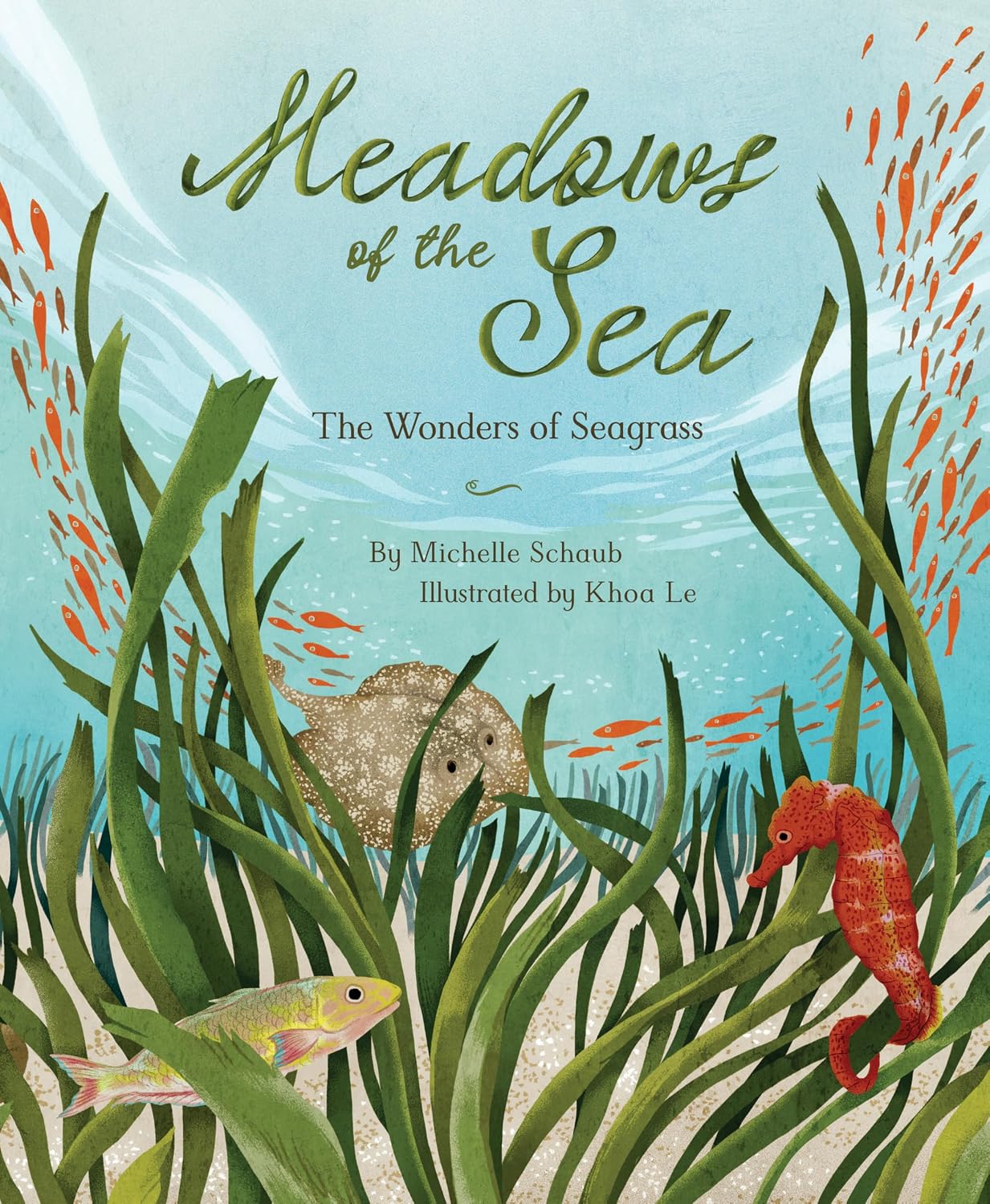
by Michelle Schaub and Khoa Le (Illustrator)

Often called “the lungs of the sea,” seagrass meadows are found on every continent except Antarctica. Within this ecosystem is an abundance of marine life, including many species of fish, mammals, reptiles, and invertebrates. And beyond providing shelter and food for these inhabitants and visitors, seagrass plays an important role in the health of our planet. Seagrass lessens the effects of climate change and even helps filter out plastics and pollutants awash in the ocean. But this important ecosystem is under threat from many human activities. It’s time to pay attention to this vital space on Earth.


Amazing Aquatic Creatures

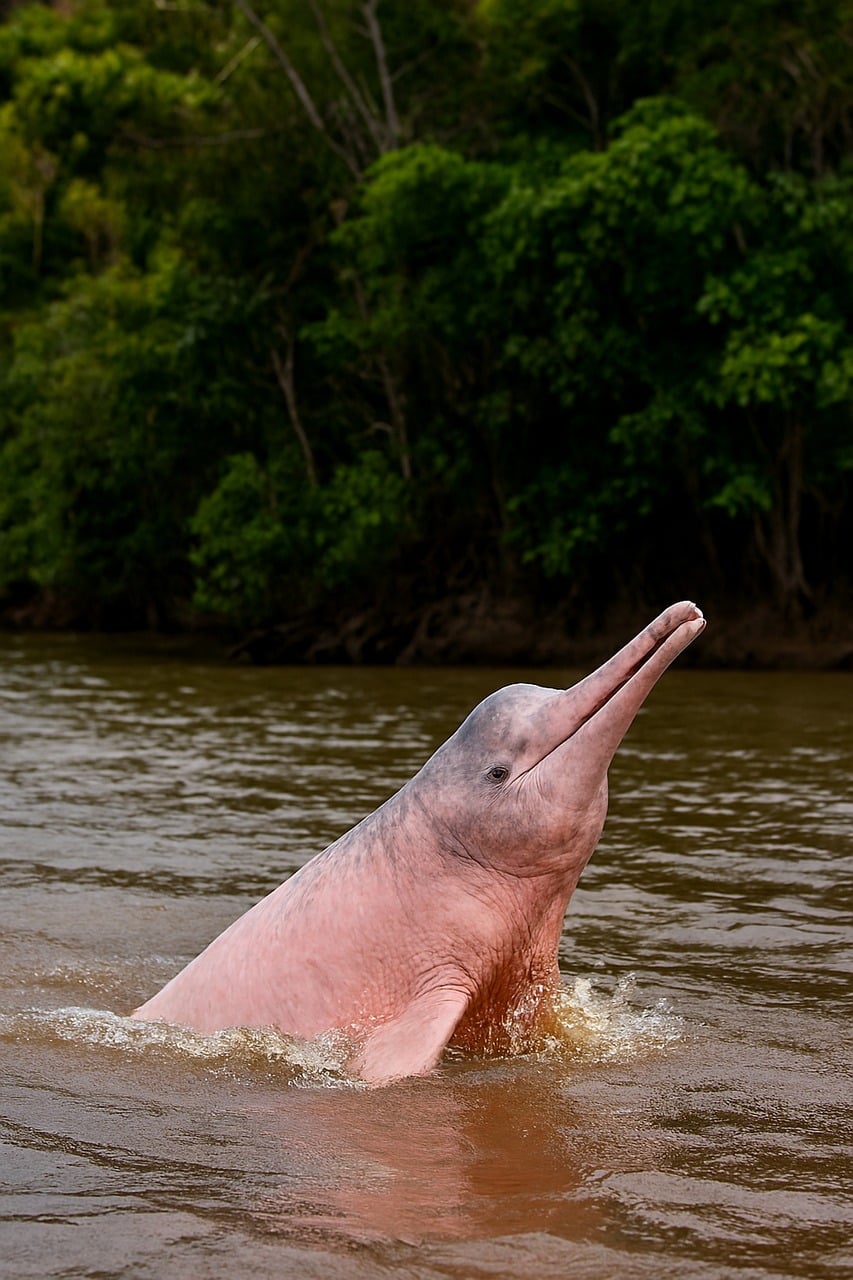
Amazon River Dolphins are born gray and turn pink as they mature with males tending to become pinker than females likely due to sparring with other males causing pink scar tissue to form.

https://www.riverdolphins.org/river-dolphins-worldwide/amazon-river-dolphin/
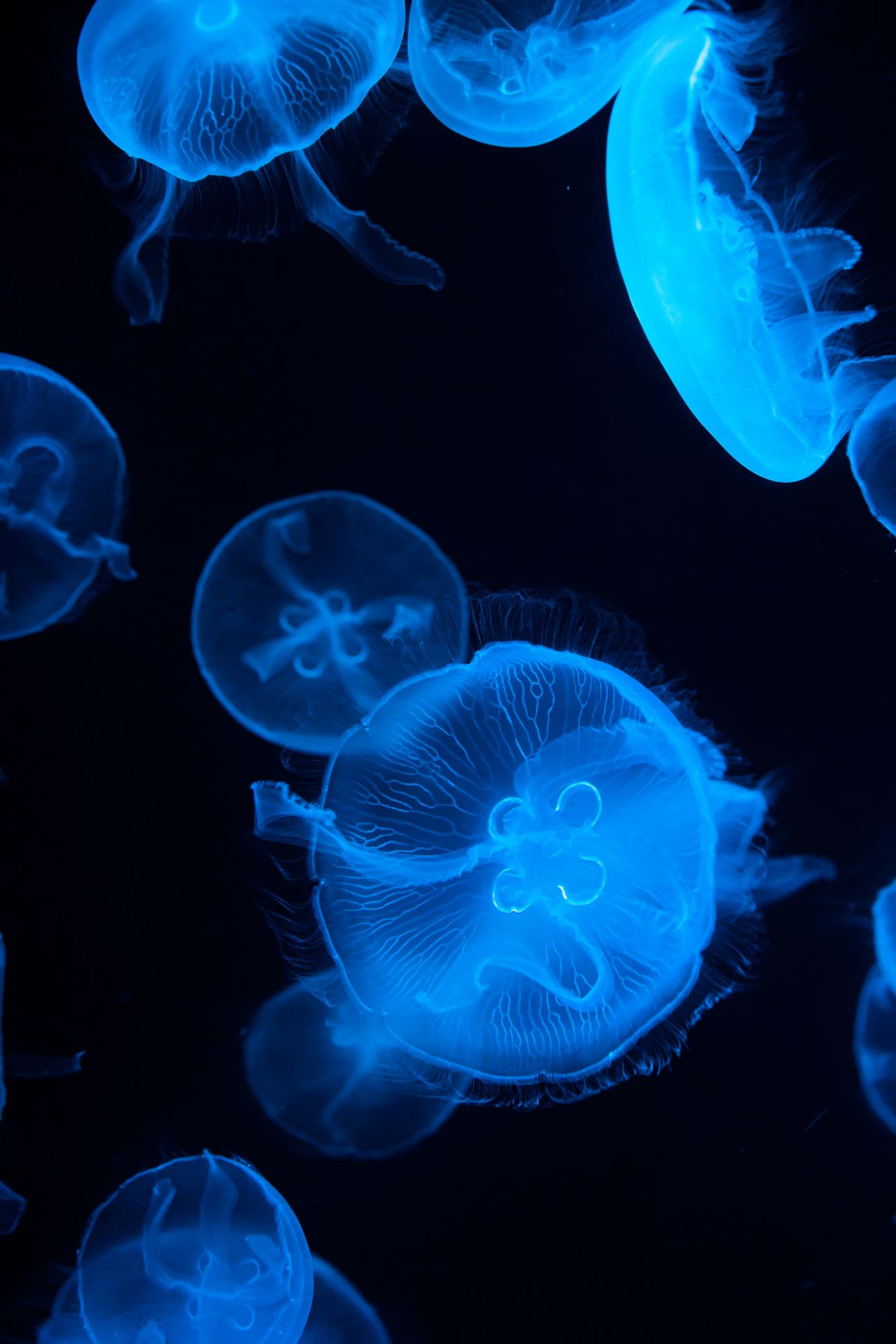
Moon Jellies are a common species of prehistoric jelly fish that have survived on Earth for millions of years. Because they’re not strong swimmers, they go where the ocean currents take them. I guess you could say that they go with the flow.

https://www.montereybayaquarium.org/animals-the-ocean/animals-a-to-z/moon-jelly
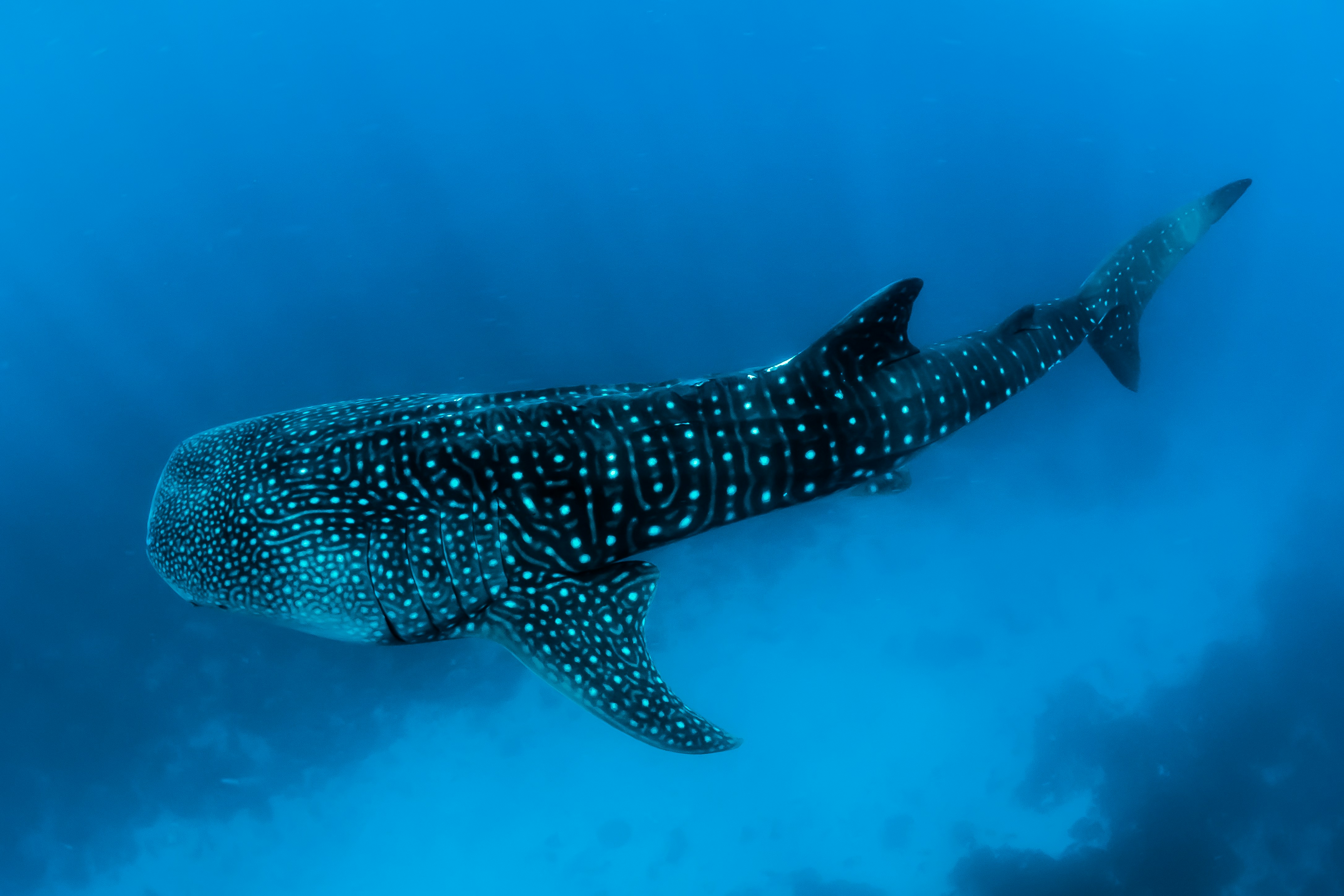
Whale Sharks are considered the largest fish in the sea reaching up to 40 feet or more in length. Each shark has its own unique pattern of white spots and pale stripes.
https://www.barrierreef.org/the-reef/animals/whale-shark

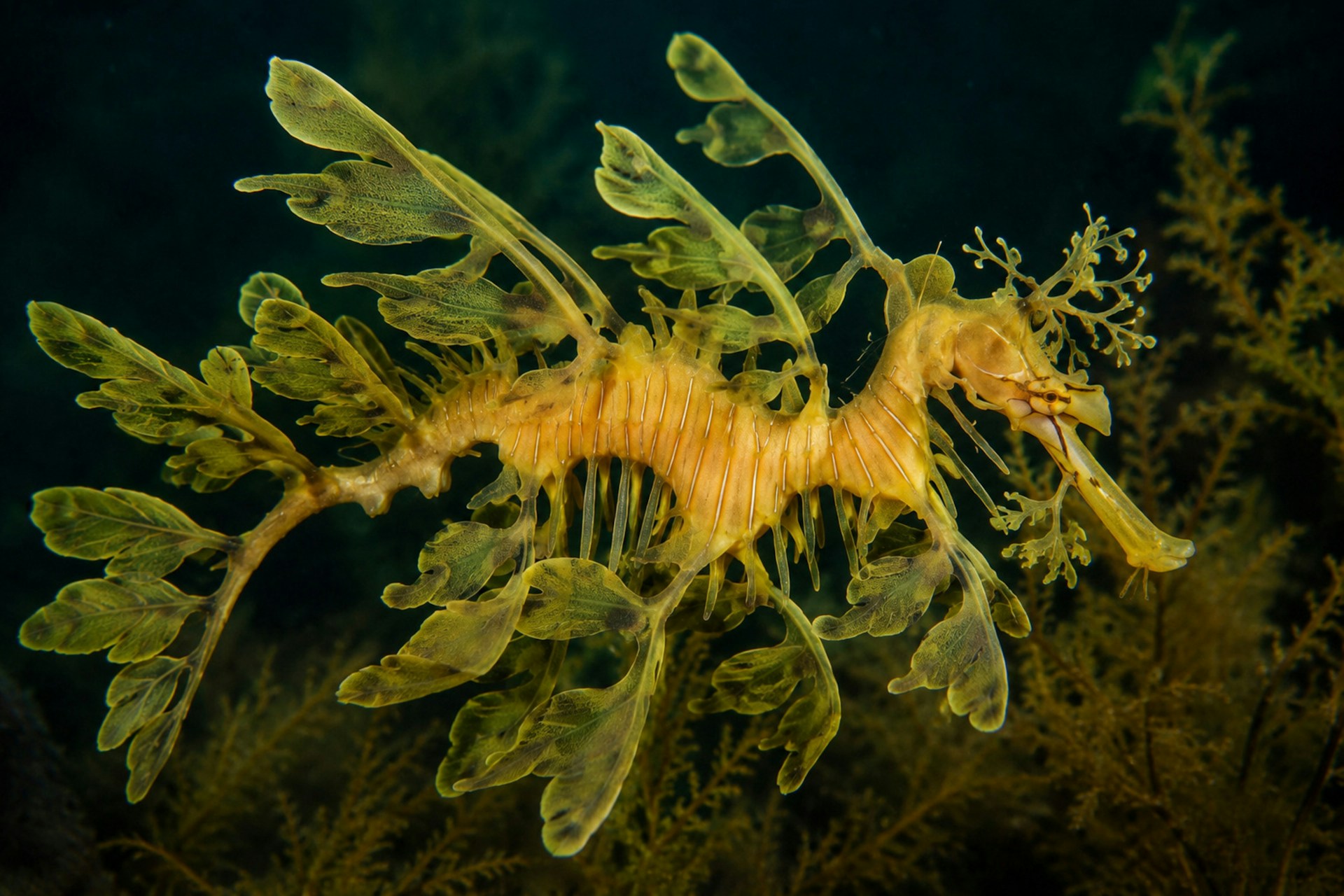
Leafy Seadragons, closely related to seahorses but with longer snouts, are adorned with frilly appendages that resemble seaweed, which camouflages them and keeps them safe from predators.

https://usa.oceana.org/blog/creature-feature-enter-leafy-seadragon/
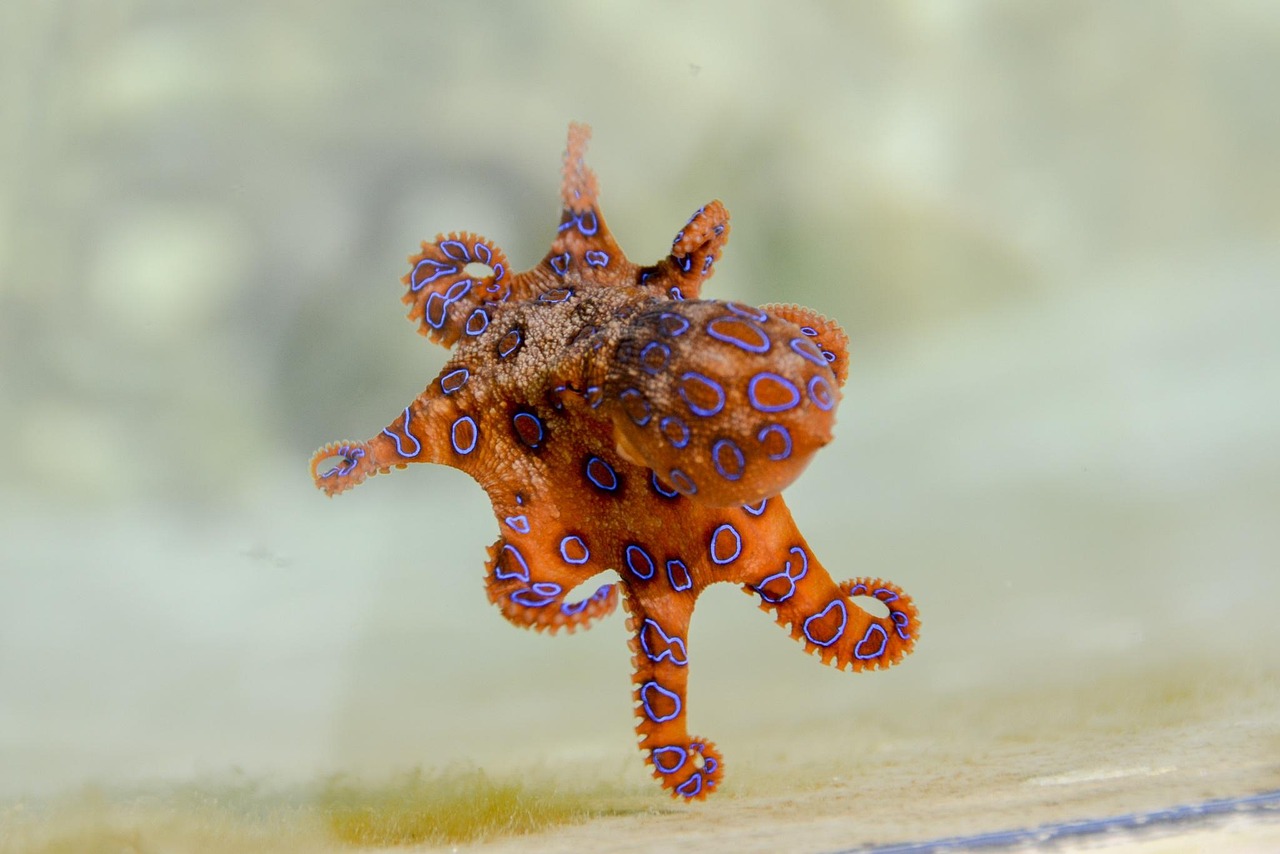
Blue-ringed Octopuses, when threatened, display bright blue rings all over their bodies as a warning to predators. Though tiny in size, these octopuses are dangerous, with venom that’s 1000 times more potent than cyanide.

https://oceanconservancy.org/blog/2017/03/13/blue-ringed-octopus/
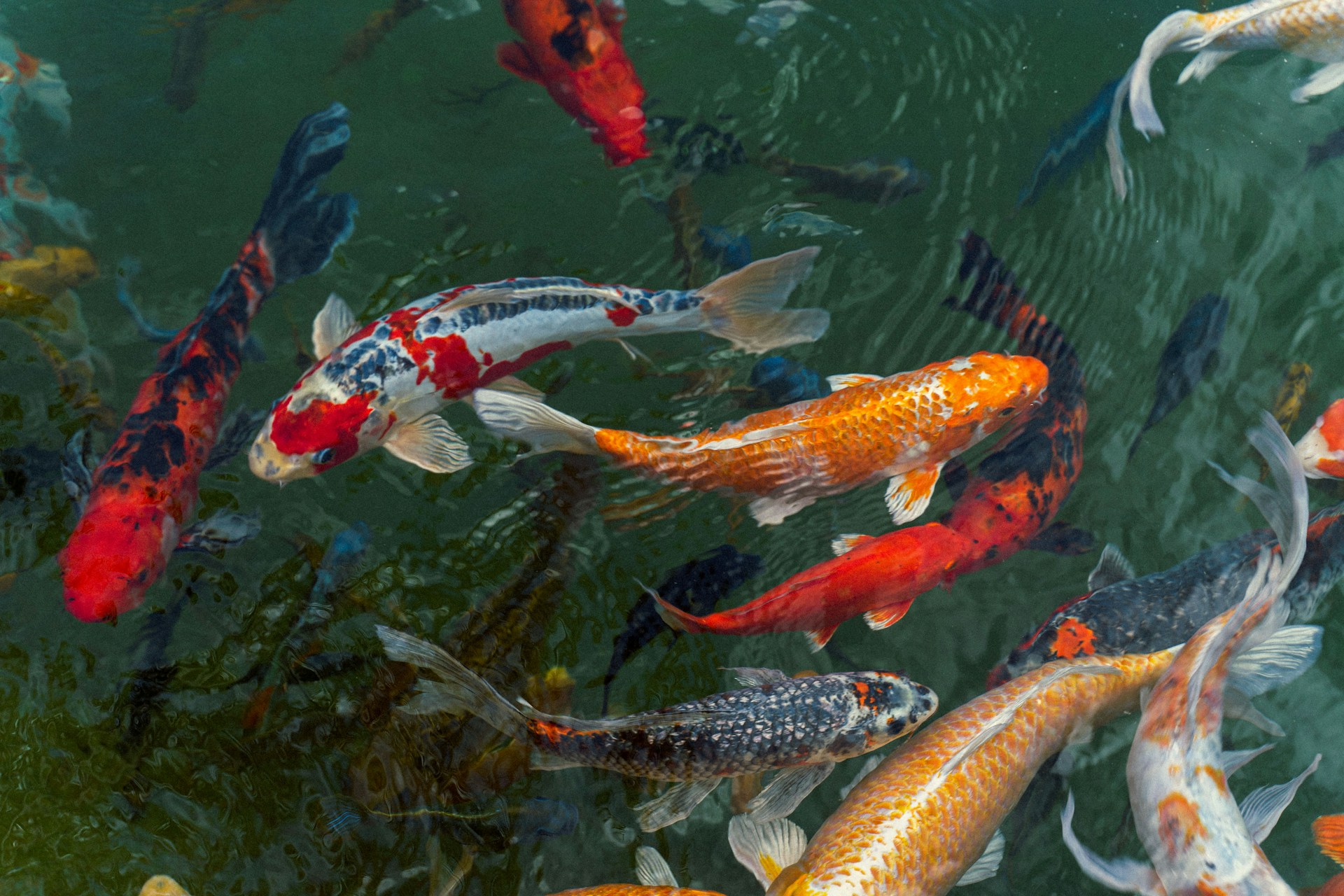
Japanese Koi are a colorful variety of the common carp. These social fish can grow to be over 3 feet long and more than 25 pounds and live on average up to 40 years. The oldest-known koi ever recorded was named Hanako, meaning “flower child”, who lived to be 226 years old.
https://nationalzoo.si.edu/animals/japanese-koi


Two Lovely New Bonus Books with the Same Title!
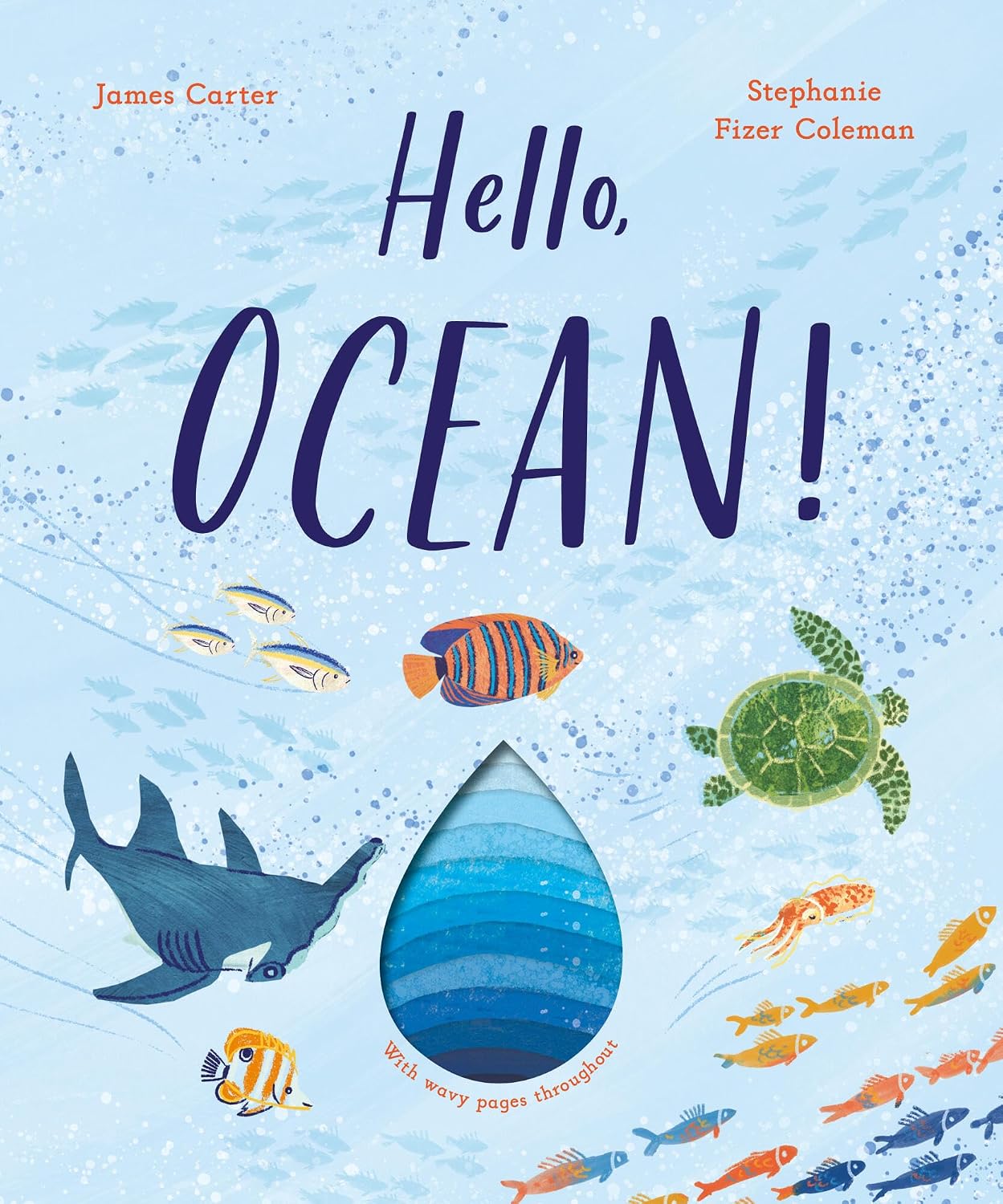
Please share your favorite ocean-themed picture books in the comments.

Interview Alert: Sue Heavenrich

I’m thrilled that Frog on a Blog is a stop on multi-published author Sue Heavenrich’s book blog tour today! Sue is one of the nicest people you’ll ever meet. And she just happens to be a member of the West/Central Upstate NY Chapter of the SCBWI, just like me, and our paths have crossed a few times at local conferences. She may have even given me a writing tip or two.

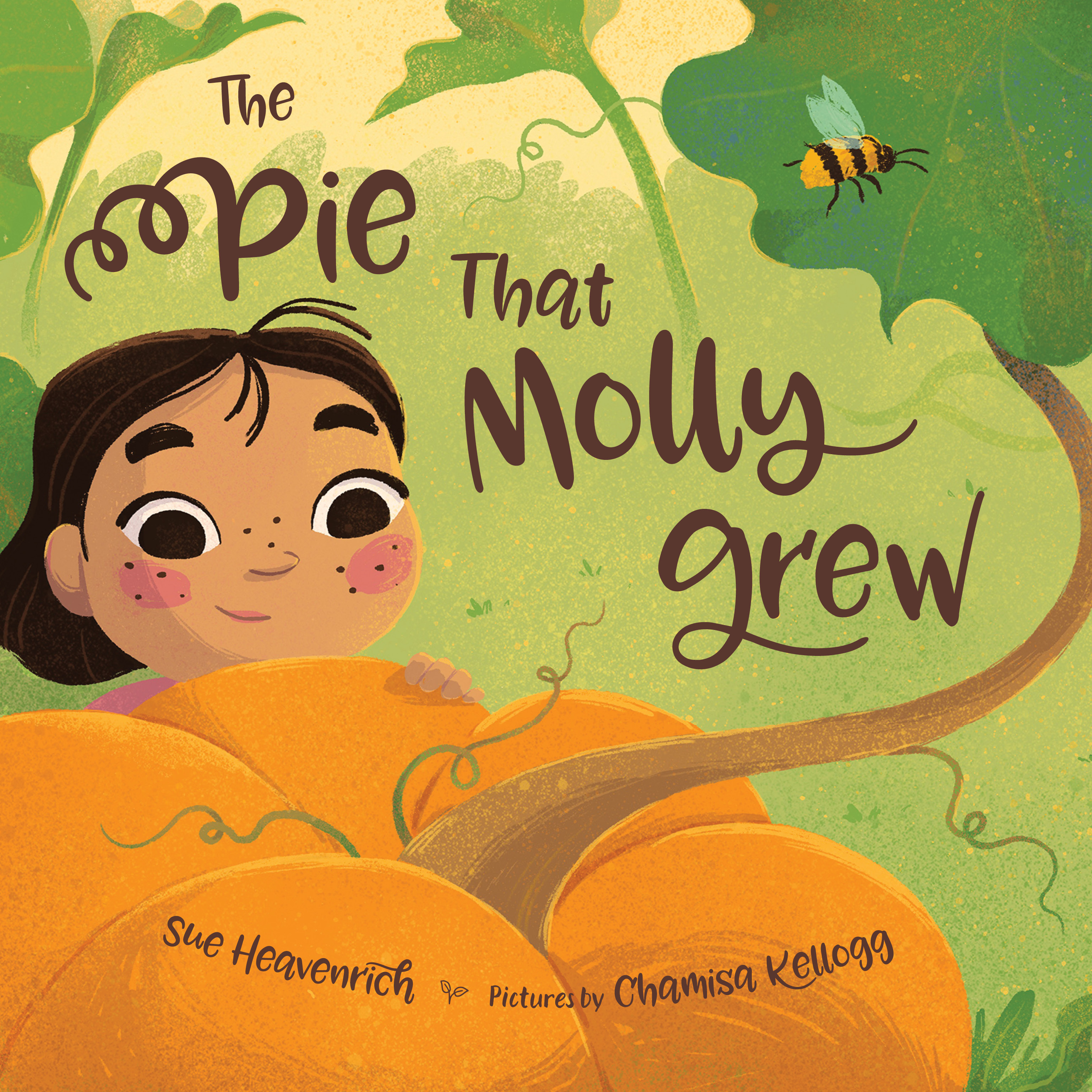
Sue is also a former science teacher, a nature lover, an avid gardener, and an insect enthusiast, so it’s no wonder that she likes to write children’s books and magazine articles that highlight science and nature subjects. Sue has combined those interests with another one. Baking! And the result is her brand-new picture book and star of this blog tour The Pie That Molly Grew, which released August 15th from Sleeping Bear Press and features charming illustrations by Chamisa Kellogg. I jumped at the chance to ask Sue some questions about herself and her lovely book, which, by the way, cleverly uses the cumulative rhyme pattern of the familiar tale The House That Jack Built! Let’s hear from Sue!

Congratulations on your fabulous new picture book The Pie That Molly Grew, which was beautifully illustrated by Chamisa Kellogg! Please tell us a bit about it and what inspired you to write it.

SH: The Pie That Molly Grew begins with the planting of a single seed and shows the vine growing and flowering and finally producing a pumpkin. At the end, Molly’s pumpkin is turned into a delicious pie for the community to share in a celebration of gratitude.

I’m pretty sure that the idea germinated in my brain one year while I was planting seeds and dreaming about the salads and pies those fruits would become. Then I came across a post by Susanna Leonard Hill. It was National Pie Day and she challenged us to write a story …. about the biggest pie; the smallest pie; pies stacked sky high. I started thinking about apple pie and blueberry pie, pecan and key lime, and pumpkin pie. A line came to mind and got stuck, like an earworm, until I finally wrote it down: This is the seed that Molly sowed.

Where do you think your love of nature comes from?

SH: My parents took us kids camping and hiking. I loved the ranger talks at National parks and filled a notebook with lists of animals and plants I met. My dad loved geology, and, when he found an interesting rock, he’d tell the story about where it came from. My mom loved to watch the night sky and once woke us up in the middle of the night to drive up a mountain so we could see a comet. Being outside, in nature, was where adventures happened. And then I discovered … field guides! And Euell Gibbons’s books about eating wild plants.

Why do you feel it’s important to share science and nature with children through books?

SH: Children are curious about the world around them, so let’s make sure they have the tools and inspiration to explore that world. My kids asked questions about everything. Why do ants walk in a line? What happens if you roll a toy car down a board? How can we launch a cork to fly over the garage? As a writer, I want to create books that can nurture curiosity and help children (and maybe some adults, too) discover answers to their questions. 

Your book Diet for a Changing Climate: Food for Thought, which you cowrote with Christy Mihaly, talks about edible weeds, amongst other unexpected and unusual foods. What weed, in your opinion, is the tastiest? Please share a simple recipe.

SH: Thanks for a shout out for our book. Christy and I had a lot of fun tasting recipes and writing the book. As for eating wild plants, I have a soft spot for dandelions. They are pretty, and a great pollen source for early pollinators. Plus they are easy to grow – all you do is … nothing! Dandelions were the first wild plant I tried when I was a kid. My friend and I collected leaves from her yard and boiled them. They were so stringy and bitter! I learned my lesson: pick young leaves.

I have a recipe for dandelion quiche in my book. But here are some very simple ways to add dandelions to your menu: sprinkle dandelion flowers on the top of your salad (pull individual flowers from the head); mix individual flowers into pancake batter and tortilla dough; pick very young leaves and toss into a stir-fry. Just make sure that the dandelion plants haven’t been sprayed by chemicals. I source my dandelions from my organic garden, where I have a continuous supply season after season.

You also love to write about insects. Which insect do you find to be the most fascinating and why?

SH: Oh, man! That’s like asking which of my kids is my favorite. I love bees – big, bumbly, bumble bees and tiny, shiny, metallic green bees. But then there’s flies, which look like bees (and one I found just the other day that looks like a huge yellowjacket!), and beetles (who doesn’t love beetles?). Oh! And pseudoscorpions. They’re not insects – they have eight legs – but they are related. They’re not scorpions either, even though they wave their big* pincers just like a real scorpion. (*Big is a relative term. Pseudoscorpions are often only a quarter of an inch long.)

What book projects are you working on right now?

SH: I’m working on a couple ideas, but I’m still at the stage of throwing words on the page to see what sticks. Meanwhile, I continue to learn more about the insects and spiders that inhabit my garden and share those discoveries on my blog, Archimedes Notebook.

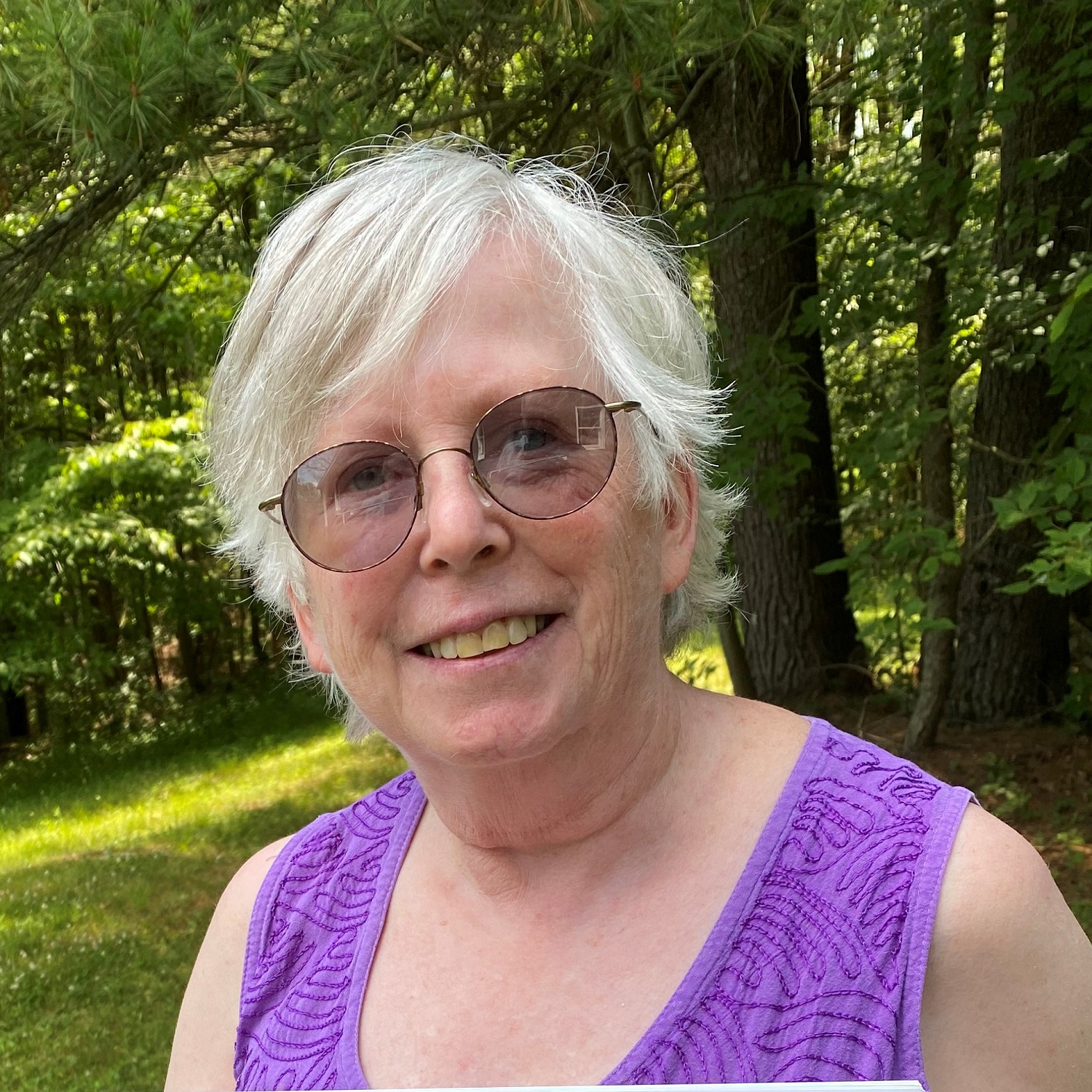
Sue Heavenrich used to teach science. Now she writes magazine articles and books for children and their families. When the ground is warm and the sun is shining, Sue plants pumpkin seeds in her garden. She mulches and weeds and waters her plants. She watches—and counts—the many kinds of bees that visit her flowers. And when it’s time, she slices and dices and mixes and spices . . . and bakes up her favorite kind of pie!

Visit Sue at the following sites:

Website: http://www.sueheavenrich.com

Archimedes Notebook blog: https://archimedesnotebook.blogspot.com

Facebook: https://www.facebook.com/SueHeavenrichWriter


BLOG TOUR STOPS

Click the links below to visit the other stops on the blog tour:

Aug 15 – at Vivian Kirkfield’s blog for a Book Birthday & giveaway

Aug. 16 – we’ll join the STEAMTeam at Maria Marshall’s blog, The Picture Book Buzz


Aug. 18 – at Carol Baldwin’s blog 


Aug. 23 – with Kathy Halsey on the GROG blog


Aug. 25 – over at Beth Anderson’s blog


Aug 28 – with Lauri Fortino at Frog on a Blog

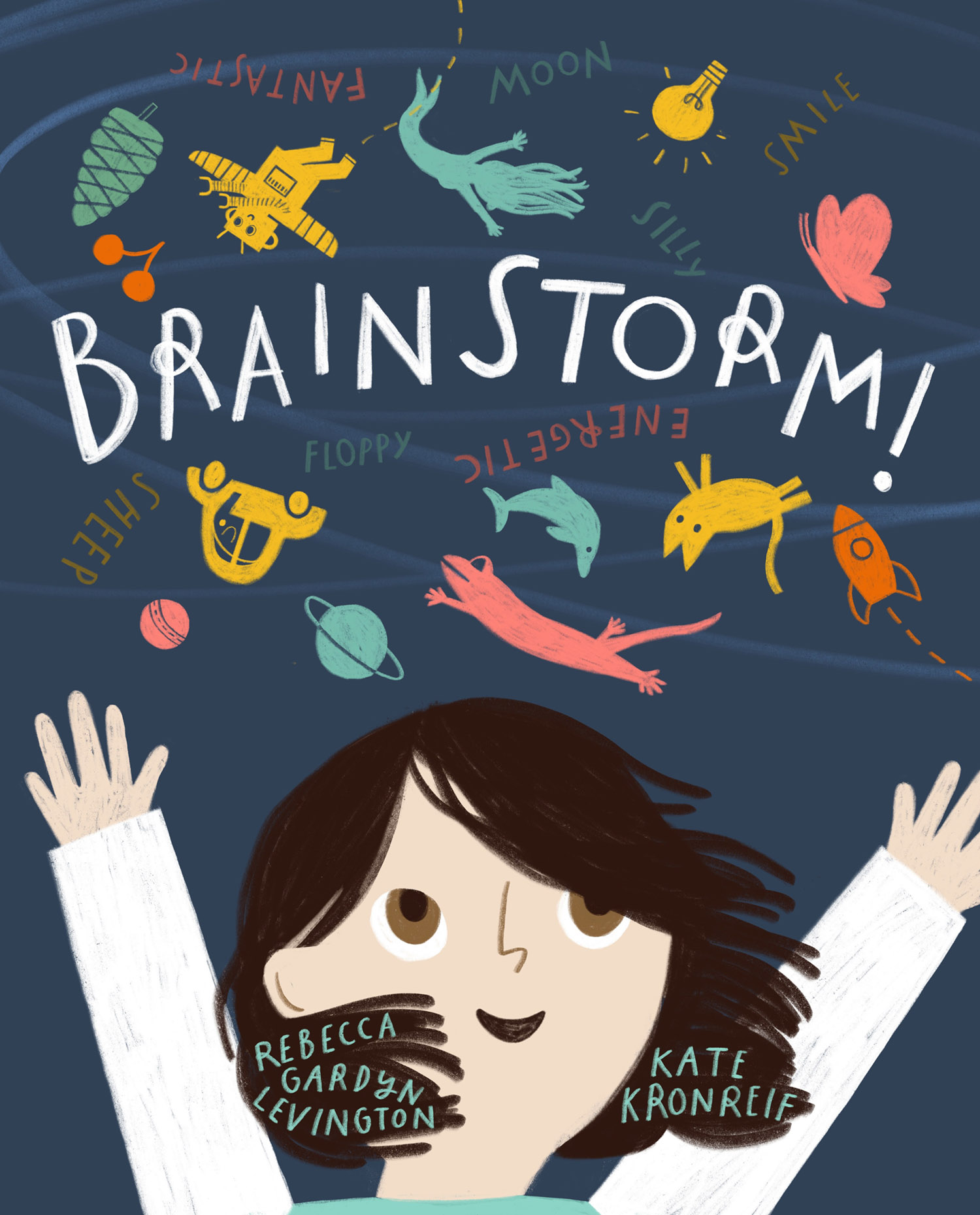
Happy Book Birthday to BRAINSTORM! by Rebecca Gardyn Levington!

Title: Brainstorm!

Author: Rebecca Gardyn Levington

Illustrator: Kate Kronreif

Publisher: Sleeping Bear Press

Release Date: August 3, 2022

Format: Hardcover

Summary: When it’s time to write in class, one child feels like she has absolutely nothing to say. But suddenly—ker-plink!—one drop, one tiny thought, hits her. Before long, she’s caught in a shower of funny phrases, a whirlwind of adjectives and verbs, and a downpour of huge ideas. BOOM, CRASH! It’s a gigantic brainstorm of creativity for her to soak up and play in!

BRAINSTORM! is targeted to children in grades K-3, who are beginning to learn how to shape and sharpen their idea-generation and storytelling skills. It includes writing prompts and a glossary to help parents, teachers, and librarians encourage kids to have fun playing with new ideas.


Do you have a children’s picture book coming out soon? I’d love to wish it a Happy Book Birthday here on Frog on a Blog! CLICK for more information.

Laura’s Book Reviews: Catalina and the King’s Wall AND Mela and the Elephant

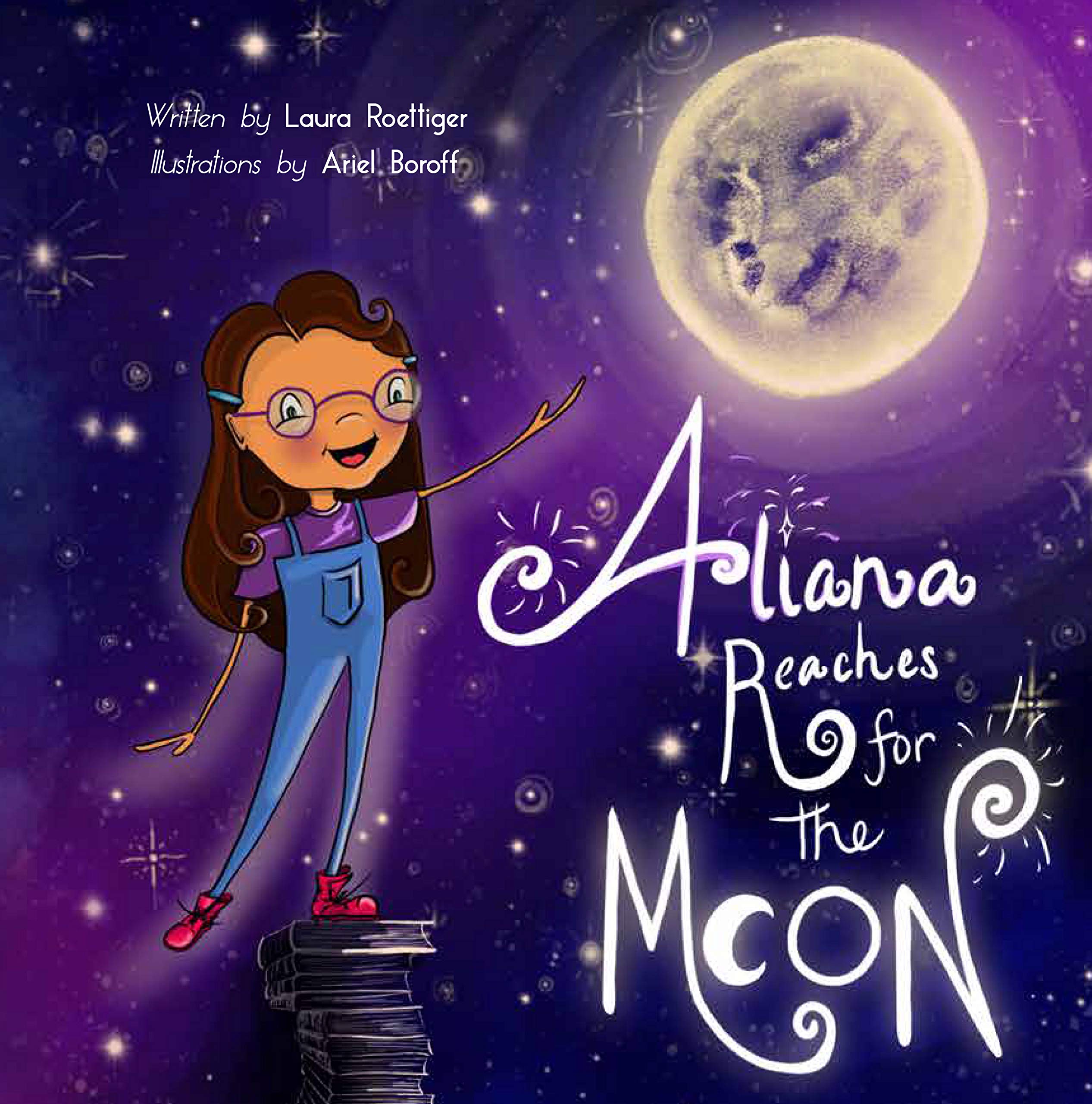
Please welcome author and teacher (and Frog on a Blog follower) Laura Roettiger! Laura is the author of the forthcoming picture book Aliana Reaches for the Moon. She’s also a mentor for reading and writing at a STEM school in Colorado. She likes to use books in pairs or threes to encourage her students to make connections by comparing and contrasting them.

Today, Laura shares two books that celebrate kindness in very different ways.

I love the idea of reviewing two or more books on the same theme together. And books on kindness are some of my favorites. But what makes Laura’s reviews really special is that she’s shared the books with her students and has based her reviews, partially, on their responses to the books. As she says, “It’s an authentic way to talk about the books.” I’m thrilled to have Laura as a reviewer on Frog on a Blog!


As a teacher and curriculum developer, I don’t think of books in isolation. We always ask our students to “make connections.” In the younger grades, we ask students to make text to text, text to self, and text to world connections.

As a picture book writer, I’ve been studying picture books this year. Many, I’ve discovered on this blog (Frog on a Blog)! I like to think of how books relate to each other or something happening in the classroom or larger world.

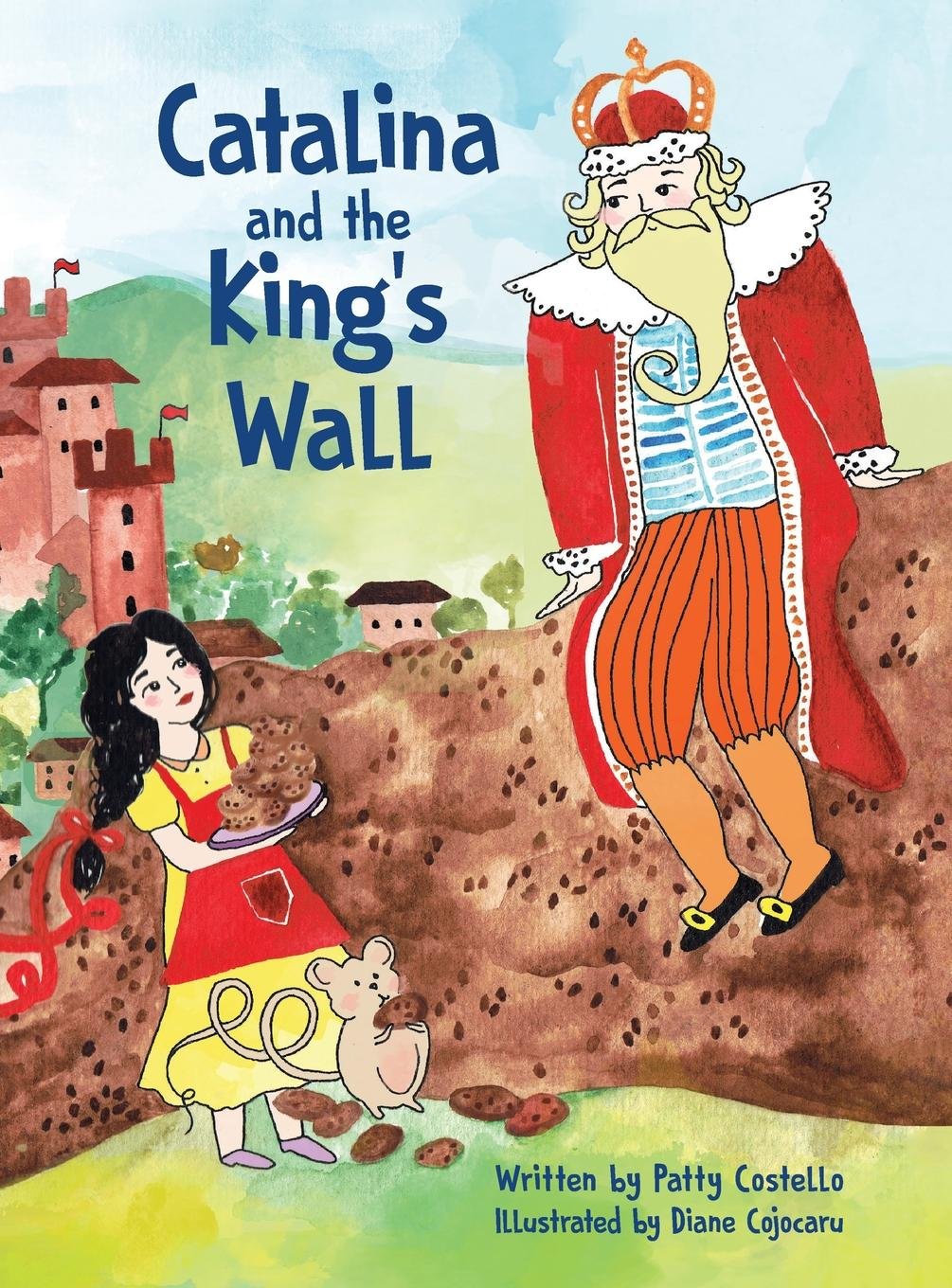
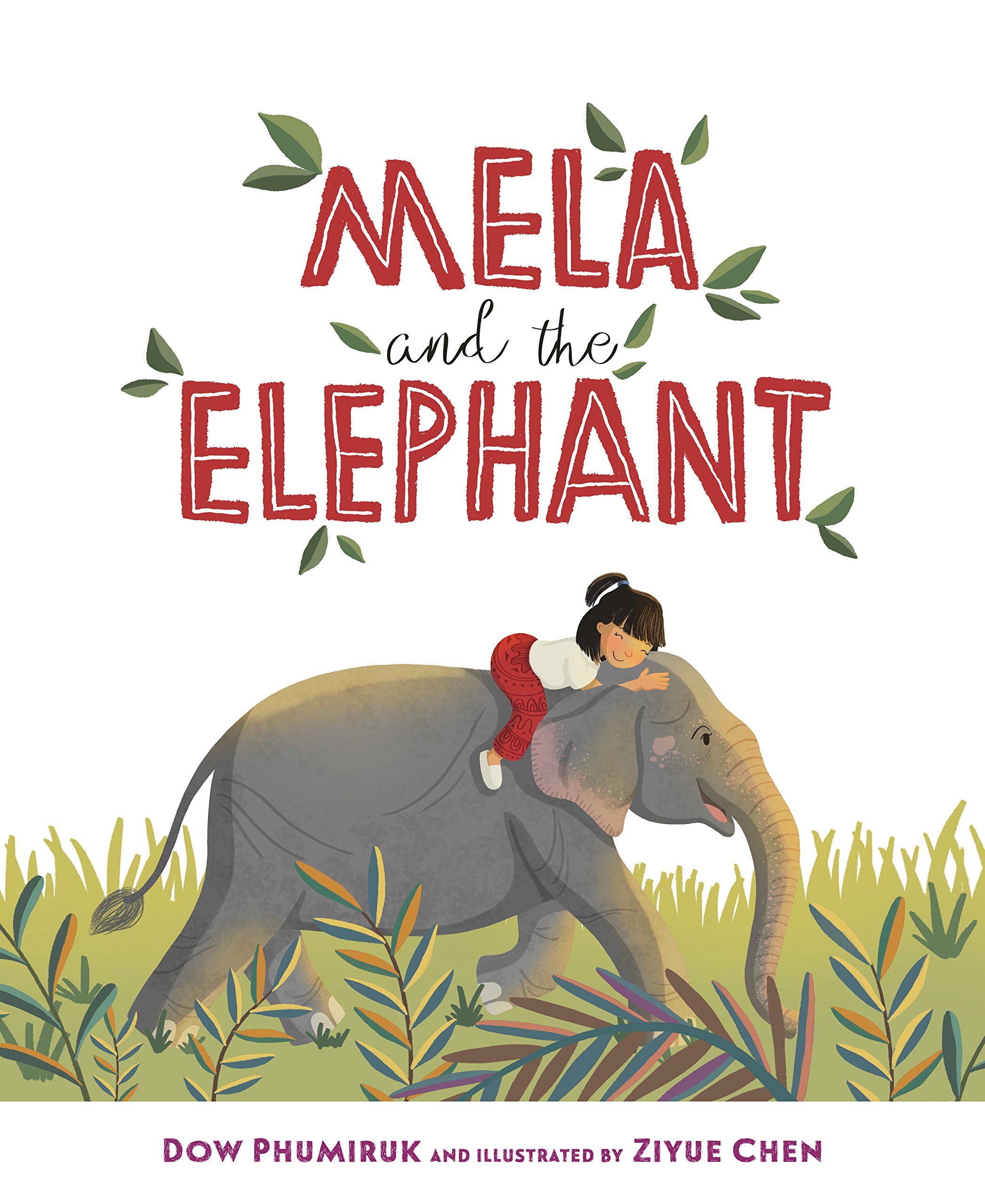
Two books I really enjoyed this year are Catalina and the King’s Wall (Eifrig Publishing, 2018) by Patty Costello (ill. by Diane Cojocaru), and Mela and the Elephant (Sleeping Bear Press, 2018) by Dow Phumiruk Ng (ill. by Ziyue Chen). On the surface, they are very different books; one is like a many layered cake, while the other is beautifully simple. I like sharing two seemingly different books and asking my students to find similarities.

Catalina, a baker, needs to outsmart the king who wants to build a wall to keep out foreigners. (Yes, there is a political undertone, and according to the author, this was the inspiration for her book.) Lucky for Catalina, the King has a sweet tooth and she is able to use this weakness to her advantage. The illustrations are vibrant and children will be charmed by the abundance of colors, baked goods, and a tiny mouse who can be found on each page. The lessons of inclusion and acceptance are woven throughout, but the overarching theme of kindness is what my second and third graders took note of.

Mela is a little girl who wants to go on an adventure down the river without her little brother. A simple, negative exchange between them at the beginning allows the reader to anticipate what will happen when Mela gets lost and needs help. This Thai folktale is a more obvious story of kindness, but is in no way preachy, and the students were easily able to relate to Mela. The illustrations are also charming, but simpler, to match the story.

Personally, I give each of these books 5 stars because they both work as a good combination of text and illustration, telling compelling stories that work for a variety of ages.

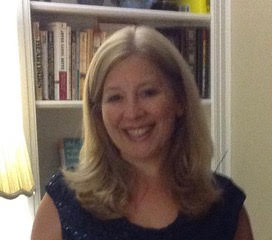
Laura RLaura Roettiger is the author of the picture book Aliana Reaches for the Moon (Eifrig Publishing, 2019) She has enjoyed working with children ever since she was no longer considered a child herself. She was a reading specialist and elementary teacher in Chicago, IL before moving to the Rocky Mountains of Colorado where she worked in Environmental Education and is now a mentor for reading and writing at a STEM school. Her superpower is encouraging curiosity in children and letting them know she believes in them. Laura has three children of her own, all of whom were led by curiosity and creativity into STEM-related professions. Laura is also a part of #PictureBookBuzz, a group of authors with books being released in 2019.

Find Laura on Twitter @ljrwritenow and at her website LauraRoettigerBooks.com.

Keep an eye out for Aliana Reaches for the Moon, available February 19, 2019!